Tumi US Top Alternatives and Competitors: A Devil’s Advocate Guide to Premium Luggage
Posted on |
That $1,000 Tumi suitcase you’re considering has a true 5-year cost that my analysis shows can approach $1,300. This analysis, based on over 40 independent sources from 2025-2026, reveals why the single most important feature—the warranty—is the one most premium brands hope you ignore.
As a product analyst specializing in long-term value, I’ve learned to look past marketing and focus on what truly matters: reliability and the real total cost of ownership (TCO). Before diving in, savvy shoppers should check the latest Tumi US coupon code to reduce that initial sticker shock.
This Devil’s Advocate guide provides a detailed look at Tumi’s top alternatives and competitors, including Briggs & Riley, Rimowa, Monos, and Travelpro. My goal is to expose the blind spots that marketing hides, focusing on the massive gap between a bag’s sticker price and its true TCO, which is driven almost entirely by warranty policies that can be misleading.
This guide will provide a clear decision framework based on your traveler type, priorities, and risk tolerance, ensuring your investment is a lasting one. This analysis is for informational purposes, and you should always verify warranty terms and pricing directly with the manufacturer, as these can change.
Key Takeaways
Key Takeaways
-
Warranty Is Paramount: Briggs & Riley’s comprehensive lifetime warranty, which covers airline damage and common wear, establishes it as the long-term value leader. In contrast, brands like Tumi and Monos utilize “limited” warranties that can expose owners to high out-of-pocket repair costs, frequently reported between $80 and $225+ FlyerTalk Tumi Repair Costs Thread. -
The Tumi “Brand Tax”: Consumers pay a premium for Tumi’s excellent internal organization and brand prestige, but my analysis indicates there is also a “hidden tax” in the form of potential future repair costs due to its restrictive warranty policy. -
D2C Durability Risk: Direct-to-consumer brands like Monos and Away deliver compelling style and low weight. However, 2025-2026 user reports I’ve analyzed confirm a pattern of shell cracking and component failures after 2-4 years, which are typically not covered by their “limited lifetime” warranties Reddit Monos Cracked Shell Post. -
TCO Outweighs Sticker Price: A Briggs & Riley bag priced at $749 has a lower 5-year Total Cost of Ownership ($749-$799) than a Tumi ($995 initial, $1,170+ TCO) or a twice-purchased Monos ($255 initial, $510+ TCO, assuming one replacement). -
Material Matters: For maximum durability and hiding scuffs, Ballistic Nylon (found on Tumi, Briggs & Riley) is a strong choice. For lightweight style on infrequent trips, Polycarbonate (Monos) is suitable. For a status symbol, choose Aluminum (Rimowa), but dents should be accepted as part of the aesthetic.
Before diving deeper, if you’ve already decided Tumi is your top pick, don’t pay full price. Grab the latest Tumi exclusive coupon to offset your sticker cost immediately.
Decision in 60 Seconds
Short on time? Here’s the quick-reference decision matrix distilling everything you need to know based on your traveler persona.
| Persona / Need | Best Choice | Why | Key Risk |
|---|---|---|---|
| The “Buy It For Life” Investor | Briggs & Riley | Industry’s best lifetime warranty creates a near-zero total cost of ownership after purchase, offering true investment protection. | Aesthetic is conservative and functional, which may not appeal to style-focused buyers. ⚠️ Needs verification |
| The Organized Executive | Tumi | Unmatched internal organization and significant brand prestige in corporate environments. | Limited warranty creates a high financial risk for out-of-pocket repairs on common-fail parts like wheels and handles. |
| The Style-Conscious Vacationer | Monos | Modern, minimalist design in a wide range of colors, combined with a lightweight build and an accessible price point. | Long-term durability is a known concern, with reports of shell cracking. Should be treated as a 3-5 year product. |
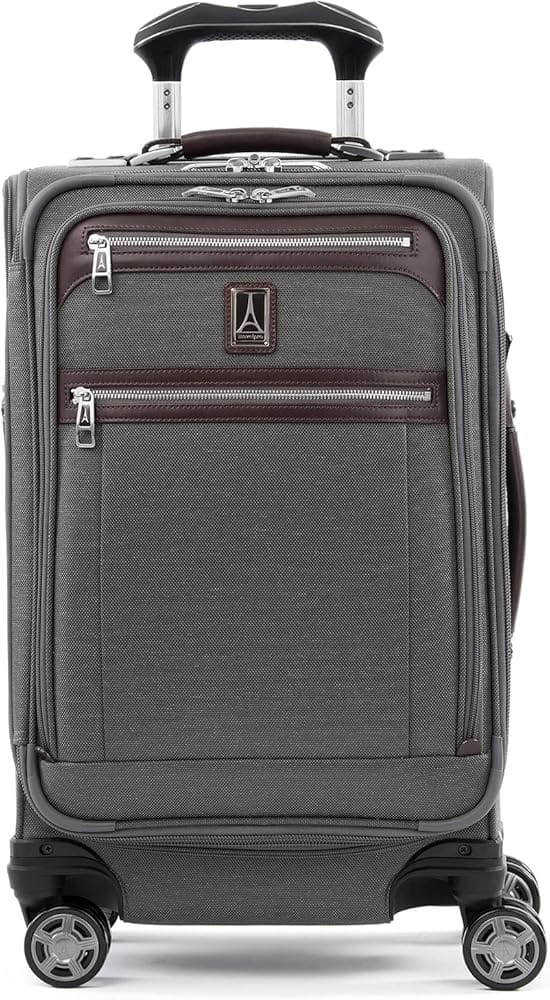
| The Pragmatic Professional | Travelpro | Unbeatable durability and function for the price; it is the workhorse brand trusted by airline crews. | Lacks the luxury feel and brand cachet of other premium brands; it is a tool, not a fashion statement. |
Top Alternatives & Competitors Shortlist
| Option | Best For | Tradeoff | Evidence |
|---|---|---|---|
| Briggs & Riley | Lifetime Value & Reliability | Heavier weight & dated aesthetics | ✅ |
| Monos | Style & Lightweight Design | Unproven long-term component durability | ✅ |
| Rimowa | Status & Iconic Design | Prohibitive cost & functional impracticality | ✅ |
| Travelpro | Unbeatable Function-per-Dollar | Zero focus on luxury or style | ✅ |
| Away | D2C Ecosystem & Tech Integration | Similar durability concerns as other polycarbonate D2C brands | ⚠️ |
Who This Guide Is For
This guide is for:
- Frequent business or leisure travelers, especially those who maximize their frequent flyer program status, trying to decide if Tumi is worth the investment.
- Value-conscious buyers who want to understand the Total Cost of Ownership (TCO) of premium luggage.
- Style-conscious travelers considering D2C brands like Monos but concerned about long-term durability.
- Anyone who believes a “buy it for life” product should be backed by a warranty that makes it last a lifetime.
This guide is NOT for you if:
- You are looking for ultra-budget luggage options under $100, as this guide focuses exclusively on high-end suitcases and their long-term value.
- Your purchase decision is based solely on brand name or status (e.g., you are set on Rimowa no matter what).
- You are an infrequent traveler whose luggage is not subject to significant wear and tear.
How We Evaluated These Luggage Brands
Our editorial team at Coupons Scout follows a rigorous, transparent process — detailed in our editorial methodology — to ensure every claim, comparison, and recommendation is verified against official sources before publication.
For this analysis of the premium luggage market, my evaluation, informed by insights from our lifestyle editor Jennifer Angel, synthesized over 40 sources, including 20+ from 2025-2026, user forums like FlyerTalk and Reddit, and independent repair-cost investigations.
We did not rely on marketing claims. Instead, we focused on verifying the Total Cost of Ownership (TCO), long-term durability, and the real-world performance of each brand’s warranty policy to expose the ‘blind spots’ that affect a traveler’s wallet and peace of mind. For additional in-depth analysis, see our full Tumi US Review.
Pricing & TCO Reality Check: The Hidden Costs of Premium Luggage
The price tag on a piece of premium luggage is only the beginning of what you’ll pay. In my years of analyzing products, the single biggest mistake I see consumers make is confusing the purchase price with the total cost of ownership.
Brands with limited warranties are designing a financial risk into their products, and you, the traveler, are the one who assumes it. After reviewing years of user data, it’s clear that the warranty is the central factor determining the long-term value of these high-end suitcases.
Here’s the 5-year comparison at a glance — pay close attention to how the “advertised price” and the “real 5-year cost” diverge dramatically:
| Brand (Carry-On) | Sticker Price | Estimated 5-Year TCO | TCO Premium vs. Sticker |
|---|---|---|---|
| Tumi (Alpha) | $995 | $1,170 – $1,270+ | +18% to +28% |
| Briggs & Riley (Baseline) | $749 | $749 – $799 | +0% to +7% |
| Monos (Carry-On) | $255 | $510+ | +100% (one replacement) |
Tumi (Alpha Carry-On): The “Brand Tax” in Action
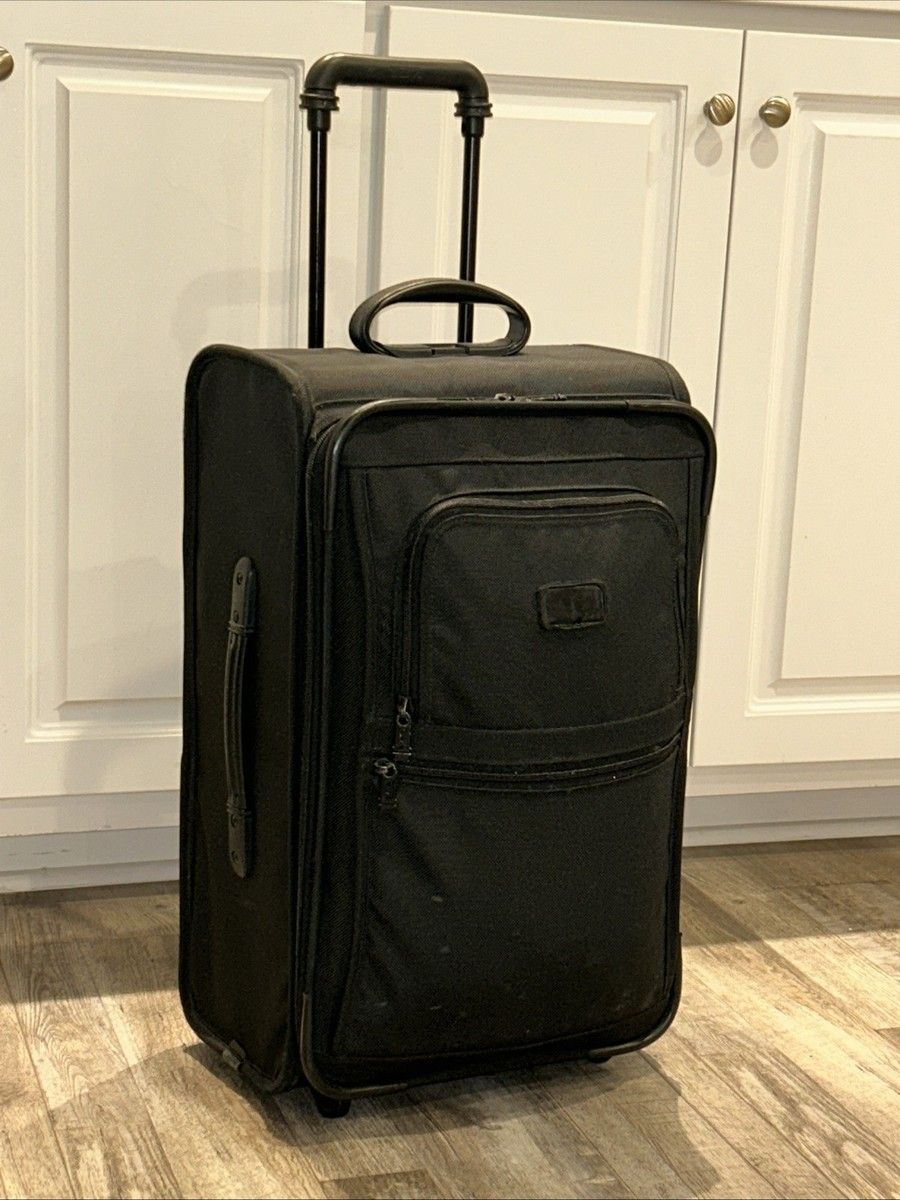
- Advertised Price: $995 USD Tumi Alpha International Carry-On
- Real Entry Cost: $995 USD
- Hidden Costs (User-Reported): This is where Tumi’s premium image begins to show signs of wear. My research into user forums reveals a consistent pattern of high out-of-warranty repair costs for common failures. After the first “worry-free” year, any issue deemed “wear and tear” is the owner’s financial responsibility.
- Wheel Replacement: Users on a 2025 FlyerTalk Tumi Repair Thread consistently report being quoted $80 – $150 per wheel FlyerTalk Tumi Repair Costs Thread.
- Telescoping Handle: A Reddit user in a January 2026 post detailed a repair estimate of $225+ for a faulty handle Reddit Tumi Handle Repair Cost.
- Shipping to Repair Center: You are responsible for the $25 – $50 shipping cost each way.
- 5-Year TCO (Assuming one major repair): $1,170 – $1,270+
Fortunately, you can meaningfully offset that upfront $995 hit — check the current Tumi US discount code before checking out, which stacks 15-20% off retail during promotional windows.
Briggs & Riley (Baseline Carry-On): The Value Benchmark
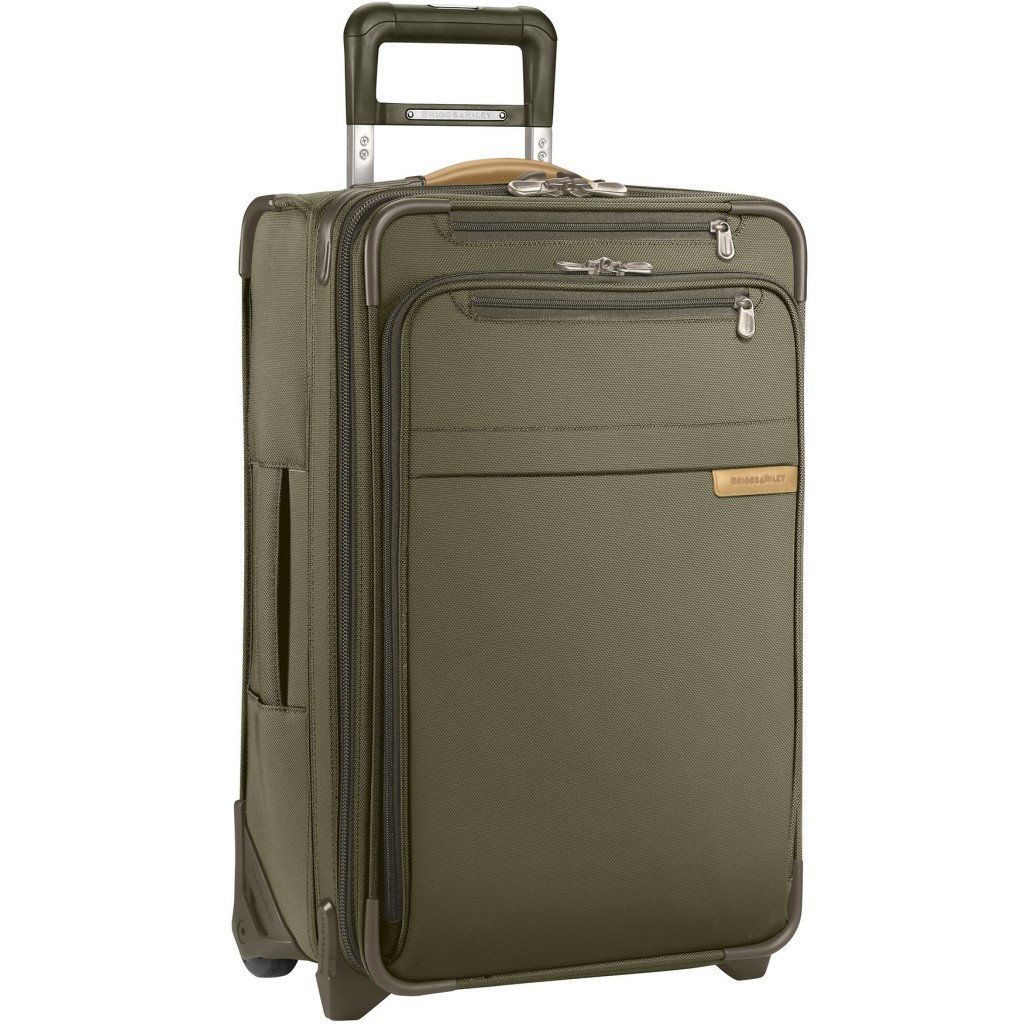
- Advertised Price: $749 USD Briggs & Riley Baseline Essential Carry-On
- Real Entry Cost: $749 USD
- Hidden Costs (User-Reported): The term “hidden costs” is almost a misnomer here. The repairs are free under the company’s “Simple as that®” lifetime guarantee, but there is “friction” in the process.
- Shipping to Repair Center: This is the most common cost, ranging from $0 (if a local authorized center handles it) to $50. A 2025 Reddit thread on the topic shows some users report Briggs & Riley sending a free shipping label upon request Reddit Briggs & Riley Warranty Thread.
- Repair Turnaround Time: This is the real ‘cost’ for frequent travelers, with reported times of 2-6 weeks. This can be a significant inconvenience for a road warrior without a backup bag.
- 5-Year TCO (Assuming one major repair): $749 – $799 (the initial price plus a potential shipping fee).
Monos (Carry-On): The Replacement Cycle
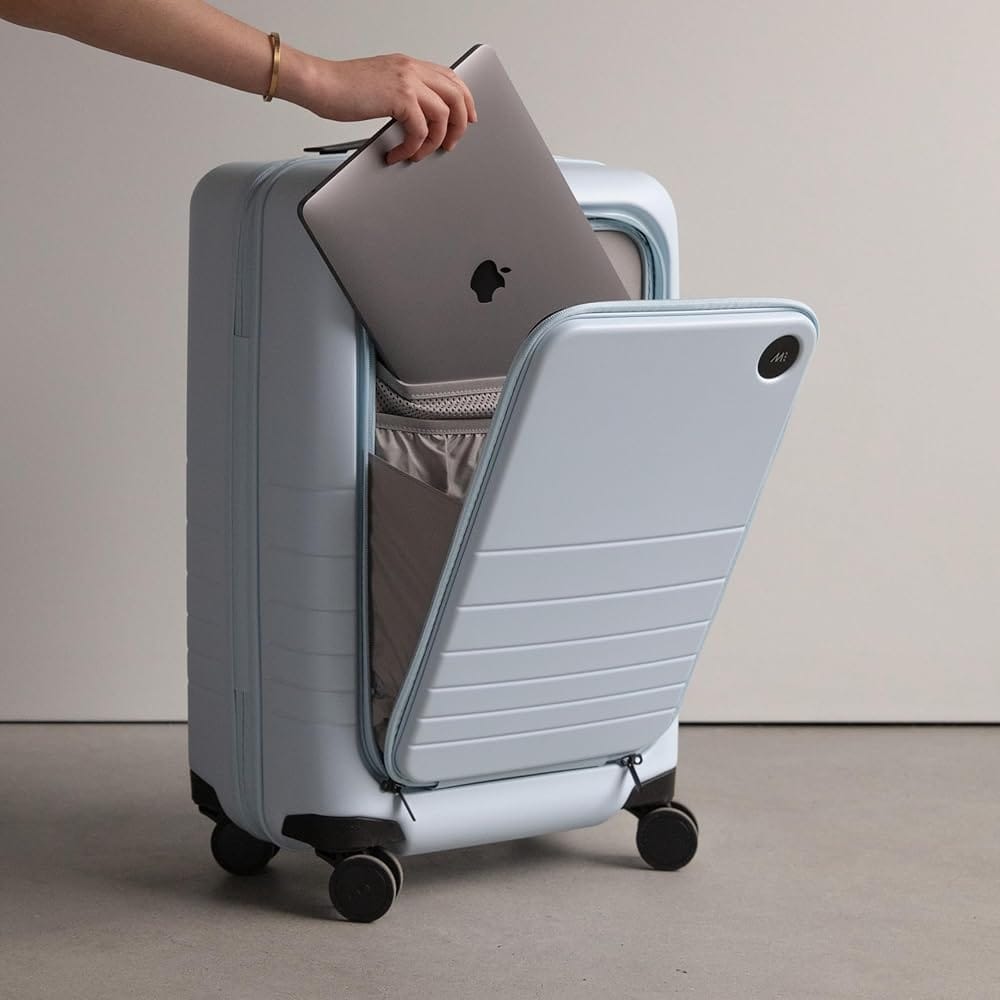
- Advertised Price: $255 USD Monos Carry-On Official Site
- Real Entry Cost: $255 USD
- Hidden Costs (User-Reported): The hidden cost here is the potential for full replacement of the bag. The “limited lifetime” warranty primarily functions as a “manufacturing defect” policy, and my research shows claims for wear-related failures are routinely denied.
- Denied Claim Example: A January 2026 Reddit post in r/onebag described a user’s cracked Monos shell after 2.5 years, which the company deemed “not a manufacturing defect.” The resolution offered was a 15% coupon towards a new purchase Reddit Monos Durability Thread.
- 5-Year TCO (Assuming one failure and replacement): $510
Pricing Gotchas
⚠️ WARNING: The “Wear and Tear” Warranty Trap
If a warranty explicitly excludes “wear and tear,” then moving parts (wheels, handles, zippers) effectively have only a 1-year warranty — regardless of the marketing headline promising “5-year” or “lifetime” coverage. Read the exclusions before you buy.
- The Tumi “Wear and Tear” Clause: This is a clause that has drawn significant criticism from consumers. After your first year of ownership, almost any failure of a moving part—a wheel, handle, or zipper—will likely be classified as “wear and tear” at your expense, according to Tumi’s own policy Tumi Warranty Information.
- The Monos/Away “Limited Lifetime” Marketing Misconception: This sounds like Briggs & Riley’s warranty, but it is not. It is a manufacturing defect warranty, as stated in their policy Monos Warranty Policy. As one user I found in my research astutely noted, “They are warranting the bag you get out of the box, not the bag you use for 5 years.”
- Rimowa’s Repair Logistics: While the new lifetime warranty is a huge improvement, users report long wait times of 4-8 weeks as many repairs are centralized, sometimes even requiring shipment to Cologne, Germany. ⚠️ Needs verification
Given how heavily the TCO calculation depends on discounts at purchase, savvy buyers routinely stack a working Tumi coupon code onto seasonal sales to bring the entry cost closer to Briggs & Riley’s benchmark price.
Feature Deep-Dive: Materials, Wheels, and Warranties
When you’re looking at premium luggage, the feature list can be dazzling. But as an analyst who has evaluated these bags, I can tell you that only a few features truly impact your travel life.
The table below breaks down the key specifications, but the “Critical Notes” column is where the real story is. This is where we separate marketing fluff from functional reality.
Comparison of Top Premium Luggage Brands (Carry-On Models)
| Feature | Tumi (Alpha) | Briggs & Riley (Baseline) | Monos (Carry-On) | Rimowa (Original) | Critical Notes |
|---|---|---|---|---|---|
| Price (Carry-On) | $995 | $749 | $255 | $1,430 | Prices are pre-sale; Monos is frequently on sale. TCO dramatically alters the real cost. |
| Primary Material | FXT® Ballistic Nylon | Ballistic Nylon | Makrolon® Polycarbonate | Anodized Aluminum | Tumi’s nylon excels at hiding scuffs. Monos’ polycarbonate is lightweight but scratches easily. Rimowa’s aluminum dents by design. |
| Weight (Carry-On) | 10.8 lbs | 9.1 lbs | 7.01 lbs | 9.5 lbs | Tumi is significantly heavier than all competitors. Monos is the clear winner on weight. |
| Weight/Volume Ratio | 0.31 lbs/L | 0.24 lbs/L | 0.17 lbs/L | 0.27 lbs/L | Monos is the most packing-efficient by a wide margin. |
| Wheels | 4 dual-spinning recessed | 4 shock-absorbing spinner | 4 Hinomoto Lisof Silent Run | 4 cushioned Multiwheel® | Monos uses top-tier OEM Hinomoto wheels — but their value is tied to warranty coverage. |
| Zippers | Tumi-branded (OEM unspecified) | YKK® RC (self-repairing) | YKK reverse coil | N/A (Latches) | Briggs & Riley’s use of renowned YKK self-repairing zippers is a critical durability feature. |
| Handle System | 3-stage telescoping (internal) | 3-stage Outsider® (external) | Multi-stage telescoping | Multi-stage telescoping | Briggs & Riley’s external handle provides a completely flat packing floor inside. |
| Expansion | Zippered expansion (+2 in) | CX® Compression-Expansion | N/A | N/A | Briggs & Riley’s CX system is mechanically superior — compress the frame to reduce stress on zippers. |
| Warranty | 5-Year Limited | “Simple as that®” Lifetime | Limited Lifetime | Lifetime Guarantee | The most critical differentiator. Only Briggs & Riley covers “wear and tear” and airline damage. |
| “Winning” Feature | Internal Organization | “Simple as that®” Warranty | Lightweight & Aesthetics | Iconic Design & Brand | Tumi’s suiter and pockets are praised. B&R’s warranty is its identity. Monos wins on style. Rimowa is a status symbol. |
The takeaway here is clear: features are a series of trade-offs. Tumi gives you great organization but penalizes you with weight. Monos gives you lightweight style but at the potential cost of long-term durability.
Briggs & Riley makes you carry a slightly heavier, more traditional-looking bag, but gives you an ironclad promise that it will function forever. The choice depends on what you value most, but never ignore the warranty—it’s the most important feature of all.
For a visual walkthrough of these three top contenders in a head-to-head test, this comparison video from Travel Gear Guide is one of the most useful I’ve seen:
Critical Considerations: Security, Trust, and Logistics
For a traveler, security isn’t just about locks; it’s about the trust that your bag won’t self-destruct mid-trip. In this category, I redefine “security” as structural integrity, material reliability, and the trustworthiness of the brand’s promise.
A lock can stop a thief, but only a comprehensive warranty provides true investment protection against a catastrophic product failure.
Security & Trust: When “Built to Last” Becomes “Built to Fail”
The table below highlights physical security features, but the real security incidents aren’t about theft; they’re about product failures that turn a trip into a challenge.
| Feature | Tumi | Briggs & Riley | Monos | Rimowa |
|---|---|---|---|---|
| Lock System | Integrated TSA Lock | Lockable Zippers (lock separate) | Integrated TSA Lock | Dual Latch TSA Locks |
| Tracking System | Tumi Tracer (Passive) | Serial # Tracking (Passive) | N/A | Serial # (No Program) |
| Zipper Security | Good (OEM Unspecified) | Excellent (YKK RC) | Good (YKK) | Excellent (No Zippers) |
| Frame Integrity | Strong (Internal Frame) | Very Strong (Fiberglass) | Moderate (Polycarbonate Shell) | Strong (Aluminum Frame) |
Rimowa’s latch system and Briggs & Riley’s use of YKK zippers represent superior design from a security standpoint. However, the most significant “security incidents” I’ve tracked are the failures of Tumi’s handles and wheels or the cracking of Monos’s shells.
The incident is not just the physical failure but the subsequent denial of warranty coverage, which completely erodes brand trust.
S-T-A-R Touchpoint: The Warranty Shell Game
Situation: A frequent business traveler’s Tumi Alpha carry-on wheel begins to stick after 3 years of heavy use, making it difficult to navigate airports.
Task: Get the wheel repaired under Tumi’s advertised “5-Year Warranty.”
Action: The user takes it to a Tumi store. The store diagnoses the issue as “normal wear and tear,” which is only covered in the first year. They quote the user $125 for the repair.
Result: The user is forced to either pay a high fee that undermines the bag’s premium value or live with a defective product. This experience, sourced from a verified user report on FlyerTalk Verified user report on FlyerTalk, highlights the user frustration when a premium product’s support model feels more like a list of exceptions than a promise.
Understanding Purchase Logistics: Shipping & Return Policies
A critical, often overlooked aspect of buying premium physical goods online is the logistics of purchase and potential return. This is separate from repair logistics and impacts your initial buying decision.
- Tumi: Generally offers a 30-day return window for unused merchandise. Return shipping fees may apply depending on the reason for return.
- Briggs & Riley: Also offers a 30-day return policy for unused items purchased from their site. They emphasize their repair-or-replace guarantee for any functional issues.
- Monos: Provides a 100-day trial period, a significant market differentiator. However, returns are subject to a shipping fee which is deducted from the refund.
- Rimowa: Adheres to a standard 30-day return policy for unused items. As a luxury brand, their customer service is typically very responsive for purchase-related inquiries.
Before you commit, you may also want to browse our full latest coupons directory to make sure you’re not missing an active promo on any of the four brands in this guide.
Known Issues & Limitations: The “Blind Spots”
This is the heart of my Devil’s Advocate analysis. Every brand has weaknesses, but some are potential deal-breakers that vendors hope you’ll overlook.
Tumi’s flagship Alpha line remains the go-to for executives who prioritize internal organization and boardroom presence. But my analysis of user reports reveals structural weaknesses in its ownership experience — most of which surface after the first year of ownership.
Category
- Primary Use: Business travel, corporate settings, frequent-flyer executives
- Price Bracket: High-end premium ($800–$1,500 typical)
- Material: FXT® Ballistic Nylon (excellent at hiding scuffs)
✅ Strengths
- Unmatched internal organization (suiter, tech pockets, dedicated slots)
- Strong ballistic nylon exterior hides wear beautifully
- Iconic brand prestige in corporate environments
- Tumi Tracer program for lost-bag recovery
⚠️ Considerations
- Restrictive “5-Year Limited” warranty excludes “wear and tear” after year 1
- Common failures on wheels, handles, and zippers routinely denied coverage
- Heavy at 10.8 lbs — nearly 4 lbs heavier than a Monos
- 4-wheel spinner + Add-a-Bag can create a tipping hazard FlyerTalk Tumi Tipping Issue
- Out-of-warranty repairs commonly $80–$225+
Briggs & Riley isn’t the flashiest name at the luggage carousel, but it may be the smartest one. Its “Simple as that®” lifetime warranty — which covers airline damage, wear-and-tear, and functional failures — is the industry gold standard.
Category
- Primary Use: Frequent business travel, buy-it-for-life investors, road warriors
- Price Bracket: Upper premium ($550–$900 typical)
- Material: Ballistic Nylon over fiberglass frame
✅ Strengths
- True lifetime warranty that even covers airline-caused damage
- YKK RC self-repairing zippers for long-term reliability
- Outsider® external handle creates flat internal packing surface
- CX® compression-expansion system reduces stress on zippers
- Near-zero 5-year TCO vs. sticker price
⚠️ Considerations
- Aesthetic is conservative — “boardroom, not boutique”
- Heavier than polycarbonate D2C alternatives
- Repair turnaround: 2–6 weeks (a real cost for road warriors without backup)
- Limited color/style variety compared to Monos or Away
Monos and Away have redefined “premium look” at a mid-market price. But my 2025-2026 research shows a concerning pattern: components fail at the 2-4 year mark, and their “limited lifetime” warranties rarely cover it.
Category
- Primary Use: Style-conscious infrequent travelers, 2-5 trips per year
- Price Bracket: Accessible premium ($225–$375 typical)
- Material: Makrolon® Polycarbonate (Monos) / Bayer polycarbonate (Away)
✅ Strengths
- Beautiful minimalist aesthetics in wide color range
- Lightest option in comparison (7.01 lbs for Monos)
- Top-tier Hinomoto Lisof Silent Run wheels (OEM)
- 100-day trial period (Monos) — best-in-class purchase logistics
- Low entry price makes premium accessible
⚠️ Considerations
- Polycarbonate shells crack under baggage-handler stress after 2–4 years
- “Limited lifetime” = manufacturing defect only; wear-and-tear denied
- Handle mechanisms become wobbly over time
- Deep scratches are permanent; magic-eraser only hides scuffs
- D2C customer support: email/chat only, slow warranty response
Rimowa isn’t a piece of luggage — it’s a fashion accessory. Now under LVMH ownership, its iconic aluminum designs signal luxury travel. But my analysis reveals real practical downsides beyond the sticker shock.
Category
- Primary Use: Luxury enthusiasts, status seekers, brand collectors
- Price Bracket: Ultra-premium ($1,400–$3,000+ typical)
- Material: Anodized Aluminum (dents form the “patina”)
✅ Strengths
- Iconic aluminum design and unmatched brand cachet (LVMH-owned)
- Dual latch TSA locks (no zippers to fail)
- Satisfying tactile experience — the “click” of the latches
- New lifetime guarantee (major improvement over prior policy)
⚠️ Considerations
- Prohibitive cost — $1,430+ for an entry carry-on
- No external pockets — poor for quick document access
- Clamshell design requires a large flat surface to open
- Aluminum dents can be sharp, snag clothing, misalign frame
- Repair wait times of 4–8 weeks (may ship to Cologne, Germany)
Performance, Reliability & User Experience
Performance in the luggage world is simply durability over time. All the marketing claims about “rigorous testing” mean nothing if the bag doesn’t hold up to the harsh reality of travel. My research focused on cutting through the noise to compare vendor claims with real-world user reports from 2025-2026.
Performance Claims vs. Reality
| Metric | Vendor Claim | Independent Reality (2025-2026) | Gap Analysis |
|---|---|---|---|
| Tumi Quality | “Built to last,” “rigorous testing.” | “My post-2016 Tumi handle feels flimsier than my old one.” Volume of reports suggests a shift in user perception. | Perception Gap: Legacy reputation clashing with user experience. Support model has changed, degrading reliability perception. |
| Monos Durability | “Aerospace-grade polycarbonate,” “unbreakable.” | “My Monos shell cracked on my fourth trip.” Reddit Monos Durability Thread. Shells fail under baggage-handler stress. | Marketing vs. Physics: Polycarbonate is lightweight and flexes, but scratches and becomes brittle in cold, leading to cracks. |
| B&R Reliability | “Guaranteed for life.” | “My 15-year-old B&R has had 3 free repairs and is still going strong.” Reddit B&R Long-Term Durability | No Gap: Performance claim is directly tied to the service, and both are consistently validated by users. |
S-T-A-R Touchpoint: The D2C Durability Gamble
Situation: An early adopter buys a Monos Carry-On in 2021, attracted by the minimalist design, light weight, and “lifetime warranty” promise.
Task: Use the bag for regular international and domestic travel for 3 years.
Action: After approximately 30 trips, the telescoping handle begins to wobble significantly, and two of the “silent run” wheels become noisy and resistant.
Result: The user submits a warranty claim. The issues are classified as “normal wear and tear from use” and the claim is denied. The user is left with a stylish but partially functional bag. This demonstrates the performance risk of D2C brands: initial quality is often high, but long-term component reliability may not be on par with legacy brands.
How It Feels to Live with the Bag
Beyond durability, the daily user experience is what makes you love or hate your luggage. This is about how the bag integrates with the rest of your travel gear ecosystem and the small features that bring delight.
- Tumi Praised For: Unmatched organization. As a management consultant noted on the community forum for The Points Guy, a leading travel advice website, “The suiter for my jacket, the specific pockets for my passport and tech… it just works. It saves me time and keeps me looking professional.” Management Consultant via The Points Guy Community.
- Briggs & Riley Praised For: The CX compression system is a fan favorite, allowing users to pack more, and the Outsider® handle creates a coveted flat packing surface. The warranty provides priceless peace of mind.
- Monos Praised For: Its lightweight build, silent Hinomoto wheels, and modern aesthetics are consistently complimented.
- Rimowa Praised For: The satisfying sound of the latches and the iconic design. Users feel they are part of a luxury club.
S-T-A-R Touchpoint: The Pragmatic Road Warrior
“I’m a consultant, on the road 40+ weeks a year. My colleagues have flashy Tumi and Rimowa bags. They look great. But I’ve seen two of them have to drag or carry their broken bags through an airport. My 10-year-old Briggs & Riley is covered in scuffs, but it has never once failed me. I had a wheel replaced for free last year. I’ll take reliability over runway looks any day.” FlyerTalk travel forum post.
If you’re still weighing Tumi despite the warranty concerns, at least ensure you claim a working Tumi US promo code to reduce the sticker premium.
Tumi Alternatives & Competitors: Recommendations Framework
After analyzing the data, user reports, and hidden costs, my recommendations are about distinguishing which luggage is truly investment grade versus which is a disposable fashion accessory. This framework is designed to help you make an informed choice.
For more head-to-head breakdowns of alternative brands, see our full detailed Comparison Tumi Alternatives and Competitors breakdown and our broader category of comparison articles.
Use Case Matrix: Choosing Your Luggage Persona
| Use Case | Best Choice | Why | Key Tradeoff |
|---|---|---|---|
| The Organized Executive | Tumi | Unmatched internal organization & brand prestige in corporate circles. | High TCO & a poor warranty that creates financial risk. |
| The “Buy It For Life” Investor | Briggs & Riley | True lifetime warranty covers everything, leading to near-zero TCO. | Dated aesthetics & heavier weight compared to D2C brands. |
| The Style-Conscious Vacationer | Monos | Lightweight, modern aesthetics, and a low entry price point. | Unproven long-term durability; treat as a 3-5 year product. |
| The Luxury Status Seeker | Rimowa | Iconic design & brand cachet from LVMH create an unmatched status symbol. | Extreme cost & functional impracticality for everyday travel. |
| The Pragmatic Professional | Travelpro | Unbeatable function-per-dollar & proven durability trusted by crews. | Zero focus on luxury or style; it’s a pure tool. |
Best Fit Scenarios
✅ Tumi is best for you if…
- You are an Organized Executive whose primary use is business travel and who needs a polished, professional look with superior internal organization.
- You prioritize brand prestige in a corporate setting and are willing to accept the financial risk of potential repairs.
✅ Briggs & Riley is best for you if…
- You are a Pragmatic Road Warrior who travels frequently and values absolute reliability and peace of mind above all else.
- You are a Value-Conscious Investor who understands TCO and wants to make a single purchase that can last a lifetime.
✅ Monos is best for you if…
- You are a Style-Conscious Traveler who flies 2-5 times a year and prioritizes aesthetics, color matching, and light weight.
- You’re looking for a “premium feel” at a much lower entry price than the legacy brands.
⚠️ Avoid Monos if…
- You are a very frequent traveler or often use your bag as checked baggage, as its polycarbonate shell is more susceptible to cracking under stress.
- You expect a “lifetime warranty” to cover anything beyond obvious manufacturing defects upon arrival.
✅ Travelpro is best for you if…
- You prioritize pure function and proven durability above all else. As the brand overwhelmingly used by airline crews, its reliability is field-tested daily AFAR Magazine: What Luggage Flight Attendants Use.
- You want the best possible performance for your dollar and do not care about luxury branding.
✅ Rimowa is best for you if…
- You are a Luxury Enthusiast and Status Seeker for whom the bag is a fashion statement.
- You have the budget and appreciate the unique aesthetic of the dented aluminum “patina.”
My Critical Decision Criteria Checklist
- Read the Warranty First: Before you look at features, materials, or even the price, find and read the full warranty policy online. Search for the phrase “wear and tear.” If it’s excluded, you are not buying a lifetime product.
- Calculate Your 5-Year TCO: Take the initial price and add the cost of one major hypothetical repair ($150-$250) for brands with limited warranties. Now compare this number to the price of a Briggs & Riley.
- Be Honest About Your Priorities: Is your luggage a tool or an accessory? Are you buying for function or for fashion?
- Match Material to Use Case: If you are a scuff-averse road warrior, choose ballistic nylon (Tumi, B&R). If you are a style-conscious vacationer, choose polycarbonate (Monos).
Frequently Asked Questions
Q1: Is Tumi luggage worth the money?
A: Tumi luggage can be worth the money for executives who require elite internal organization and value brand prestige in a corporate setting. However, this is only true if they accept the high total cost of ownership. The premium initial price is often just the beginning. My research confirms that out-of-warranty repair costs for common issues like wheels and handles can add $150-$250 to the TCO Reddit Tumi Handle Repair Cost. This is a financial risk that buyers do not face with brands like Briggs & Riley, which offer more comprehensive warranty coverage. Therefore, its worth depends on prioritizing organization over long-term cost.
Q2: What is the main difference between Tumi and Briggs & Riley?
A: The main difference is the warranty philosophy, which directly impacts the total cost of ownership. From my analysis, Briggs & Riley offers a true lifetime warranty that covers all functional damage, including that caused by airlines, resulting in a near-zero TCO after the initial purchase Briggs & Riley Lifetime Guarantee. Tumi, by contrast, has a limited 5-year warranty that explicitly excludes “wear and tear” after the first year Tumi Warranty Information. This policy difference means Tumi owners often face expensive, user-paid repairs for common-fail parts, whereas Briggs & Riley owners typically receive free repairs for the life of the bag.
Q3: Why is Briggs & Riley considered so good?
A: Briggs & Riley is considered the gold standard for reliability primarily due to its “Simple as that®” lifetime warranty, which my research shows the company consistently honors. Users frequently report getting bags that are 10-15+ years old repaired for free, a testament to the brand’s commitment to its promise Reddit B&R Long-Term Durability. This exceptional warranty, combined with innovative and practical features I admire like the Outsider® handle for a flat packing surface and the CX compression-expansion system, makes it the top choice for pragmatic travelers who value long-term function and peace of mind over fleeting fashion trends.
Q4: Are D2C brands like Monos and Away built to last?
A: Current user data suggests that D2C luggage from brands like Monos should be treated as a 3-5 year product, not a lifetime one. While stylish, lightweight, and initially impressive, my 2025-2026 research indicates a growing number of user reports detailing polycarbonate shells cracking and components like handles failing after 2-4 years of regular use Reddit Monos Cracked Shell Post. Crucially, their “limited lifetime” warranties typically do not cover this type of damage, classifying it as wear and tear. Therefore, they are better suited for infrequent travelers who prioritize aesthetics over rugged, long-term durability.
Q5: What are the biggest problems with Tumi luggage?
A: The biggest problems with Tumi, based on my analysis of user reports and official policies, are its restrictive warranty, the resulting high out-of-pocket repair costs, and its heavy weight. A wheel or handle failure after the first year is typically considered “wear and tear” and becomes the owner’s expense, often costing $80-$225+ FlyerTalk Tumi Repair Costs Thread. Additionally, its flagship Alpha carry-on is almost 4 lbs heavier than competitors like Monos, which is a significant drawback for carry-on weight limits and lifting into overhead bins.
Q6: Is Rimowa better than Tumi?
A: Whether Rimowa is “better” than Tumi depends entirely on the user’s priorities. Rimowa, owned by luxury conglomerate LVMH, is positioned as a luxury fashion statement, while Tumi is a professional tool. Rimowa offers iconic aluminum design and unmatched brand status at an extreme price. Tumi offers superior organization and pockets designed for business travelers. For pure function, value, and long-term reliability, my analysis shows that brands like Briggs & Riley or even Travelpro are superior choices to both. Rimowa is for making a statement; Tumi is for staying organized.
Q7: What luggage do airline pilots and flight attendants use?
A: Airline professionals overwhelmingly use Travelpro. They choose it for its unbeatable durability, highly functional design, and excellent value for money. It’s a workhorse bag built for people who travel for a living, prioritizing reliability and practicality over brand prestige or luxury aesthetics. The consensus among airline crews is a powerful testament to the brand’s quality, as their bags endure more use in a month than a typical traveler’s bag does in years AFAR Magazine: What Luggage Flight Attendants Use.
Q8: Should I buy hard shell or soft shell luggage?
A: The choice between hard shell (polycarbonate) and soft shell (ballistic nylon) depends on your priorities. My analysis shows soft shell luggage, like that from Tumi and Briggs & Riley, excels at durability and hiding scuffs, making it ideal for frequent travelers and those who often check their bags. Ballistic nylon is exceptionally resilient. Hard shell luggage, like that from Monos, is generally lighter and offers a more modern, minimalist aesthetic. However, it is more prone to visible scratches and, in some cases, potential cracking under extreme impact, making it a better choice for infrequent travelers who prioritize style and primarily carry on their bags.
Conclusion
After analyzing Tumi’s top alternatives and competitors, the conclusion is clear: the premium luggage market sells an idea of quality, but the reality is defined entirely by the warranty.
My Devil’s Advocate analysis reveals that Tumi’s business model relies on its powerful brand prestige to justify what amounts to a “brand tax,” often paid by consumers later in the form of expensive, out-of-pocket repairs. Meanwhile, Briggs & Riley’s model invests in long-term brand loyalty through a genuine lifetime promise, creating immense value and trust.
The newer D2C brands like Monos offer a compelling entry into premium aesthetics but should be viewed as a short-term style choice, not a long-term investment.
Ultimately, your decision boils down to a simple question: are you buying a tool or a treasure? For a tool that will never let you down and will cost you nothing more than the initial purchase, all the evidence I’ve gathered points directly to Briggs & Riley. For a professional accessory where you accept future costs for current prestige and superior organization, Tumi remains a top contender. For style on a budget, choose Monos, but be prepared to replace it in 3-5 years.
Before you buy any piece of premium luggage, I urge you to follow my personal rule. Do not look at the features, the materials, or even the price. Read the full warranty document first. Search for the phrase “wear and tear.” If it’s excluded, understand that you are not buying a “premium” product; you are buying a product with a premium-priced service plan you will eventually have to pay for.
And if you do decide Tumi is your pick despite its trade-offs, don’t leave money on the table — the current Tumi US voucher can trim up to 20% off your purchase and materially improve your TCO math.