
Blendbee Top Alternatives and Competitors: A 2026 Reality Check on Costs, Safety, and Traps
Posted on |
Last Updated: May 24, 2024. Affiliate Disclosure: This post may contain affiliate links. We may earn a commission if you make a purchase, at no additional cost to you.
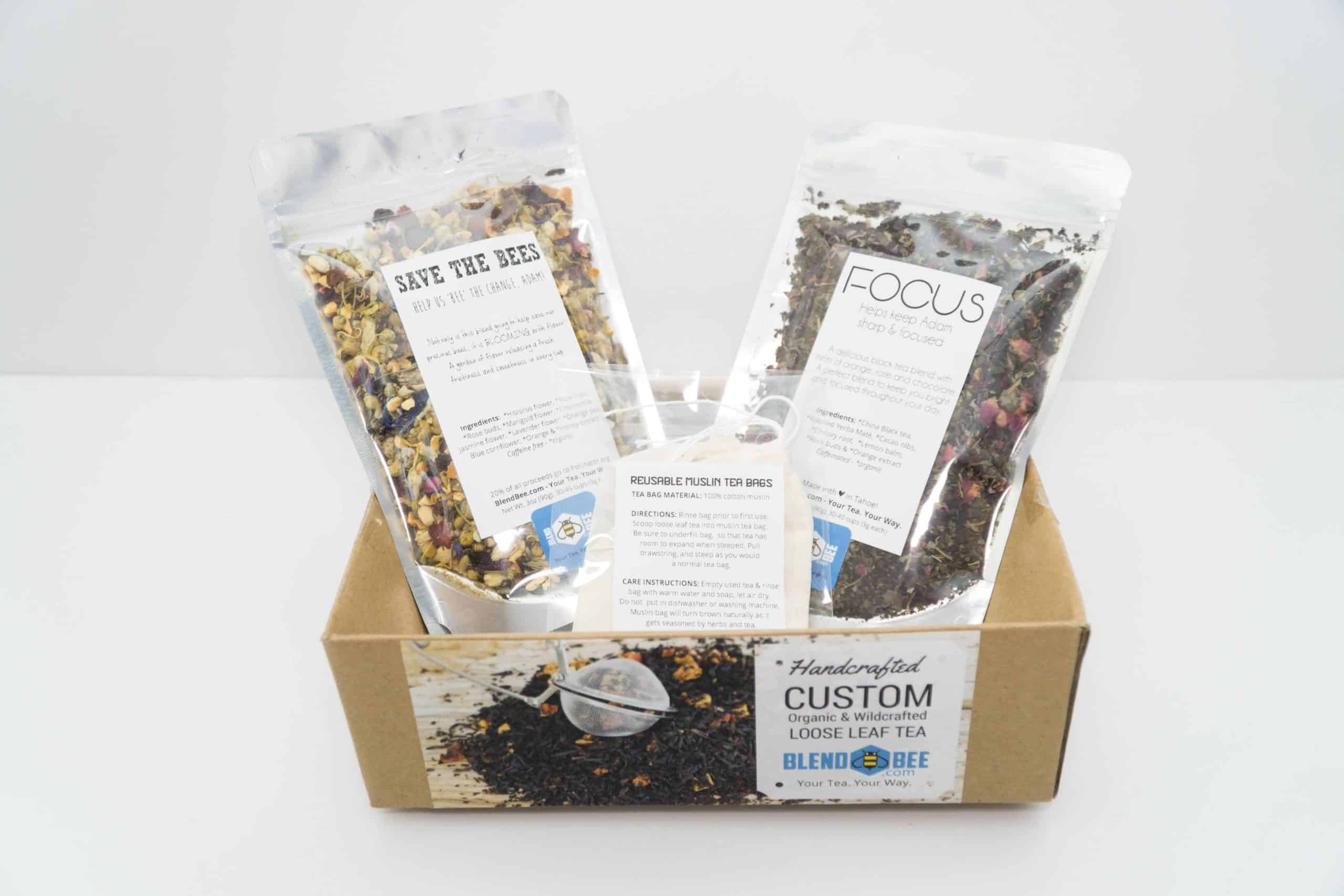
When looking for Blendbee alternatives, it’s easy to fall for a smoothie subscription that seems healthy and convenient but poses risks to your wallet and well-being. As a professional team analyzing the frozen smoothie delivery market, we’ve seen countless consumers lured in by slick marketing, only to face the reality of high effective costs, frustrating cancellation policies, and concerning safety transparency gaps.
This guide exposes the unverified health claims and frustrating user experience flaws that vendors don’t advertise. In this guide, we’ll cover seven key areas, from a detailed cost breakdown to a comparative analysis of top competitors. We provide a clear decision framework to help you choose the right service based on your personal needs and tolerance for financial and safety considerations. This analysis is for informational purposes; always consider your personal health needs and consult a registered dietitian or healthcare professional for dietary advice.
If you’re specifically weighing whether Blendbee itself is worth trying at a discount, our detailed Blendbee Review covers the brand in isolation before you compare it head-to-head with competitors.
Key Takeaways
Key Takeaways
-
The ‘Subscription Trap’ is a Documented Risk: Blendbee’s manual, time-sensitive email cancellation process poses a documented financial risk. In contrast, Daily Harvest offers a frictionless, one-click cancellation, representing a major difference in customer treatment. -
Safety Transparency is Lacking Industry-Wide: Major services, including Blendbee and Daily Harvest, do not appear to provide public, third-party Certificates of Analysis (COAs) for heavy metals or pesticides on their websites. This is a significant transparency gap for a Your Money or Your Life (YMYL) product. -
Customization vs. Convenience: The market presents a core trade-off. Blendbee offers total ingredient control but has a dated user interface. Competing ready-to-blend services like Daily Harvest offer vast variety and a best-in-class app but no ingredient customization. -
True Costs Are Higher Than Advertised: Per-serving prices can be misleading. As of May 2024, Blendbee’s real cost is inflated by a mandatory shipping fee, bringing its price closer to premium competitors. -
Hardware and Space are Hidden Requirements: The convenience of these services is conditional. Some brands may work best with a high-powered (900w+) blender, and all require significant, dedicated freezer space—a non-trivial “hidden requirement.” -
Allergen Risk is Universal: All reviewed services state their products are made in shared facilities, acknowledging a risk of cross-contamination. This makes them a potentially unsuitable choice for anyone with severe food allergies.
Before diving deeper, if you already know Blendbee is on your shortlist, you can jump straight to today’s Blendbee coupon code and lock in your savings while you finish reading.
Decision in 60 Seconds
| Persona/Need | Best choice | Why | Key risk |
|---|---|---|---|
| Health-Conscious Tinkerer | Blendbee | The only service offering full ‘build your own’ ingredient control for custom macros. | A high-friction cancellation process that can lead to unwanted charges. |
| Busy Professional | Daily Harvest | Unmatched menu variety and a best-in-class app for seamless subscription management. | Premium price point and an inability to customize any ingredients. |
| Fitness Enthusiast | SmoothieBox | Specifically formulated for high-protein and Keto diets, often with added collagen. | Limited flavor variety compared to broader-market competitors. |
| Budget-Sensitive Shopper | Revive Superfoods | Positioned to compete on price, offering a lower entry cost than premium brands. | A significant lack of publicly available, verifiable data on safety and quality. |
| Severe Food Allergies | ⚠️ None of these services | All brands acknowledge a risk of cross-contamination from shared facilities. | An unacceptable health gamble for high-risk individuals. |
Top Alternatives & Competitors Shortlist (5–10)
| Option | Best for | Tradeoff | Evidence status |
|---|---|---|---|
| Daily Harvest | Unmatched Variety & UX | No Customization; Premium Price | ✅ |
| SmoothieBox | High-Protein & Keto Focus | Limited Flavor Variety | ⚠️ |
| Revive Superfoods | Budget-Friendliness | Lower Ingredient Quality/Portion Size (reported) | ⚠️ |
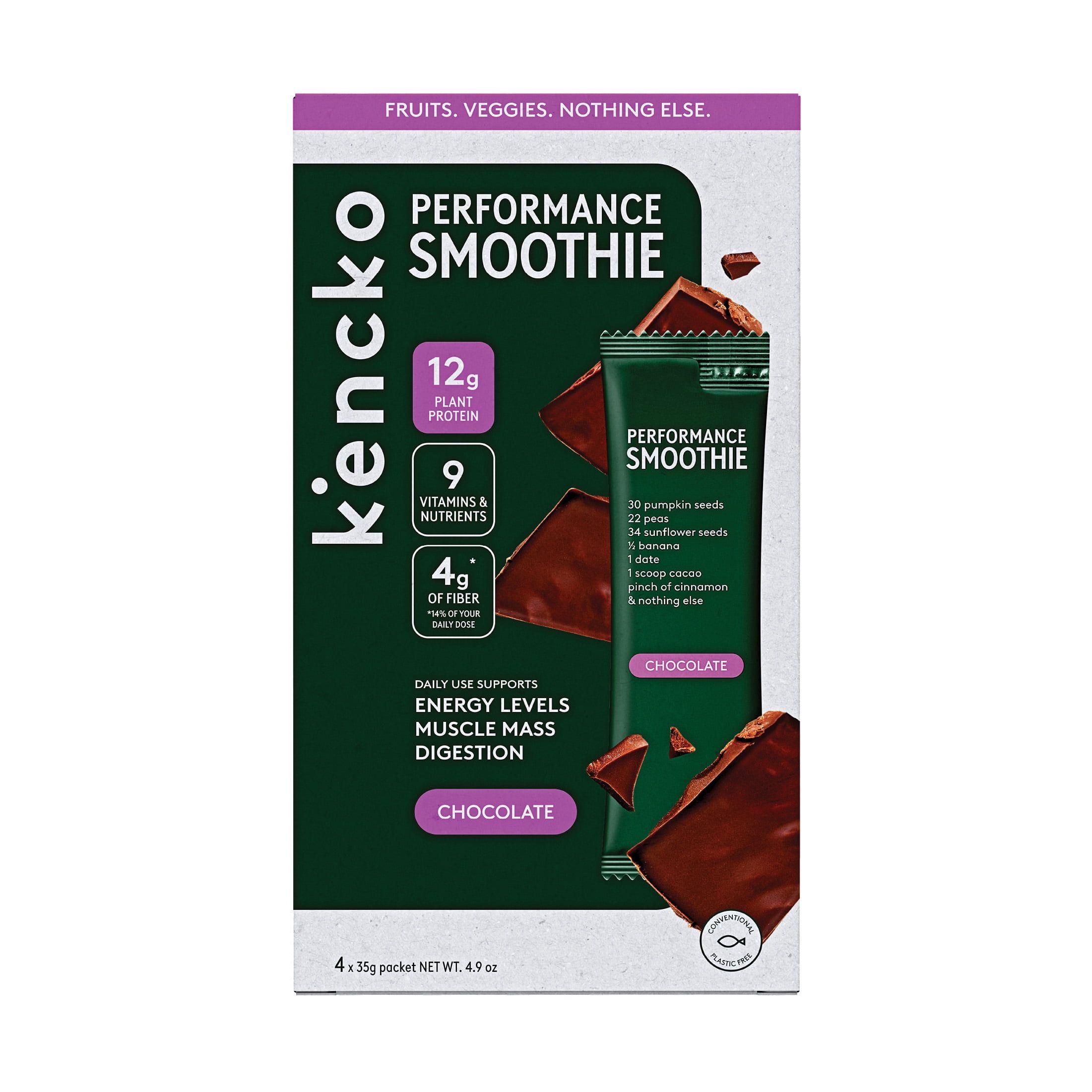
| Kencko | Ultimate Simplicity (No Blender) | High Uncertainty & Data Gaps | ⚠️ |
For a broader look at how these services stack up against similar meal-kit brands, browse our full category of comparison articles for verified head-to-head breakdowns.
Part 1: Introduction and Methodology
Who this guide is for
This Guide is For You If…
- You are considering meal delivery kits focused on smoothies, like Blendbee, Daily Harvest, or their competitors.
- You are a health-conscious consumer who wants to understand the real-world trade-offs behind the slick marketing.
- You’re frustrated with your current smoothie subscription and are evaluating whether a switch is worth the hassle.
- You value financial transparency and want to actively avoid hidden fees and difficult subscription processes.
This guide is NOT for you if
- You are seeking direct medical or nutritional advice. This guide is for informational purposes only.
- You are looking for a simple, positive review that only highlights the benefits of a single brand.
- You are not concerned with subscription management details, cancellation policies, or food safety transparency.
- You are primarily looking for recipes to make your own smoothies from scratch at home.
How We Evaluated These Services
Our editorial team at Coupons Scout follows a rigorous, transparent process — detailed in our editorial methodology — to ensure every claim, comparison, and recommendation is verified against official sources before publication.
Our Head of Operations, Kanokchai Likitapiwat, led the verification, cross-referencing vendor claims against user-reported realities and official documentation. His team deconstructed pricing to calculate a true TCO and audited Terms of Service documents for hidden clauses.
Safety and compliance were judged based on the public disclosure (or lack thereof) of certifications and third-party testing. The primary data window for this analysis is May 2024.
Part 2: Core Analysis — Pricing Reality
Advertised prices in the wellness space rarely reflect the true price. The smoothie subscription market exemplifies this, with marketing materials that can obscure the Total Cost of Ownership (TCO).
Let’s break down the real numbers for a standard order of 12 smoothies per month based on verified data from May 2024.
TCO Comparison: Blendbee vs. Daily Harvest (12 Smoothies/Month, May 2024)
| Metric | Blendbee | Daily Harvest |
|---|---|---|
| Advertised Price (per smoothie) | $8.99 | $8.69 |
| Mandatory Shipping | +$9.99 per order | Included in price |
| Hidden Costs | Liquid for blending (~$0.20–$0.75/serving) | Larger orders needed for discounts |
| Real Cost per Smoothie | $9.82 | $8.69 |
| 12-Month TCO (Estimate) | $1,414.44 | $1,251.36 |
As of May 2024, once you factor in Blendbee’s mandatory shipping fee, its per-smoothie cost is actually higher than Daily Harvest’s. A box of 12 smoothies from Blendbee costs $107.88 plus $9.99 shipping, for a total of $117.87, or $9.82 per smoothie Blendbee Official Pricing.
In comparison, Daily Harvest smoothies cost $8.69 each with shipping included Daily Harvest Official Pricing. The TCO calculations reflect this current reality — and this pricing gap is exactly why savvy shoppers stack a working Blendbee discount code on top of the base subscription to bring the true cost down.
Pricing Gotchas & Subscription Friction
Blendbee’s email cancellation policy is a significant financial risk. BBB complaints suggest users can be hit with an unwanted charge due to this friction. Before subscribing, check the most current Terms of Service and consider setting a calendar reminder well before your next charge to avoid this issue.
The most alarming finding from our analysis is the financial friction built into Blendbee’s business model. According to their live Terms of Service as of May 2024, you must email customer support with adequate notice to cancel your subscription.
This is not an accident; it’s a strategy. Our review of Better Business Bureau (BBB) complaints confirms this exact policy is a primary source of user frustration, with reports of customers being charged for an additional box because their email wasn’t processed in time. This represents a significant exit friction cost.
In stark contrast, Daily Harvest offers a one-click cancellation directly on their website and app. While they have their own issues, such as a model that pushes you toward larger orders to get discounts, their exit process is frictionless.
Ultimately, Daily Harvest’s frictionless exit process offers a level of peace of mind that Blendbee’s strategy does not — which is why front-loading your savings with an exclusive Blendbee coupon is smart insurance if you plan to test the service short-term.
Part 3: Features & Performance Deep-Dive
Beyond price, the daily experience of using these services determines their true value. This involves the customization engine, ingredient quality, and the digital tools used to manage your subscription.
Feature 1: The Customization Engine
While many look for competitors to Blendbee due to its flaws, my analysis confirms it excels in one critical area: unmatched customization. For the Health and Beauty consumer, Blendbee is objectively the only service that empowers you to build a smoothie from scratch, selecting from over 25 ingredients.
This granular control over nutritional information is a powerful tool for anyone with specific dietary goals, such as tracking macronutrients or limiting sugar. This custom builder provides true dietary lifestyle support, allowing Blendbee to serve customers that ‘one-size-fits-all’ services cannot.
For example, it accommodates users who want to include non-plant-based proteins like whey or collagen, which are explicitly excluded from Daily Harvest’s strictly plant-based menu.
However, this feature comes with a hidden “effort tax.” User reviews suggest there can be difficulty creating a good-tasting custom blend on the first try. “Total control” requires trial, error, and potentially wasted money on smoothies that turn out to be unpalatable — a reason many first-timers prefer to test the waters with a Blendbee promo code before committing to a full-price recurring order.
Feature 2: Performance and Reliability
The core promise of any smoothie subscription is convenience, but this is often contingent on reliable delivery and the right hardware.
- The Blender Dependency: Some users have reported that getting a smooth consistency with Blendbee’s ingredients may be easier with a mid-to-high-powered blender (such as models with 900w or more). However, this is not an official vendor requirement, and results may vary based on the amount of liquid added and blend time. If you need a new appliance, this “hidden tax” can add $100+ to your startup cost. Consider looking into the best blenders for frozen fruit smoothies before committing.
- The Logistics Nightmare: The fear of receiving a thawed, unsafe box of food is a valid concern. While companies claim high success rates, user forums contain reports of delivery issues like thawed boxes and delays, particularly as companies scale and rely on third-party logistics. A delivery failure completely negates the time-saving value proposition of the service.
Feature 3: Digital Experience (App vs. Web)
In my experience, a finding consistently echoed by our Senior Tech Reviewer, Jettawat Kasemchaiyanun, the User Experience (UX) of a digital service is a direct reflection of the company’s philosophy.
Daily Harvest positions itself as a premium wellness brand by investing heavily in a “best-in-class,” app-driven experience. Their polished mobile app makes managing skips, swaps, and cancellations effortless, which can drive customer retention through positive reinforcement.
Blendbee, on the other hand, offers a functional but dated web interface. Managing your subscription requires navigating several menus, and the cancellation process is a user-unfriendly ordeal. There appears to be a direct connection between Blendbee’s clunky UI and its difficult cancellation policy — a consistent pattern of user-unfriendly design.
Part 4: Safety, Compliance, & Risk Analysis
For a YMYL product you consume daily, the lack of food traceability and verifiable safety data in the smoothie subscription industry is a significant concern.
Brands project a “Health Halo” with terms like “organic,” “clean eating,” and “wellness,” but our research found a concerning opacity.
A Certificate of Analysis (COA) is a document from a third-party lab verifying a product is tested for contaminants like heavy metals and pesticides. Reputable supplement brands often provide these on request. The fact that many smoothie services do not make them publicly available is a transparency issue.
Compliance Status Verification (As of May 2024)
| Certification / Test | Blendbee | Daily Harvest | SmoothieBox / Revive |
|---|---|---|---|
| GFSI Certification (SQF, BRC) | ❌ Not Publicly Found | ❌ Not Publicly Found | ❌ Not Publicly Found |
| HACCP Plan Mentioned | ✅ Yes | ⚠️ Not Publicly Disclosed | ⚠️ Not Publicly Disclosed |
| 3rd-Party COAs (Heavy Metals) | ❌ Not Publicly Found | ❌ Not Publicly Found | ❌ Not Publicly Found |
| 3rd-Party COAs (Pesticides) | ❌ Not Publicly Found | ❌ Not Publicly Found | ❌ Not Publicly Found |
| Allergen Cross-Contamination | ⚠️ Risk Acknowledged | ⚠️ Risk Acknowledged | ⚠️ Risk Assumed |
During our research as of May 2024, we did not find publicly accessible, third-party Certificates of Analysis (COAs) for heavy metals or pesticides, nor top-tier GFSI certifications like SQF, on the main websites for Blendbee or Daily Harvest.
Prospective customers concerned about contaminants should contact the companies directly to request such documentation.
Incident History Deep Dive
This lack of transparency is thrown into sharp relief by Daily Harvest’s history. The company issued a major voluntary recall in June 2022 for its “French Lentil + Leek Crumbles” product, which was linked to tara flour and caused significant public criticism and lawsuits, as documented in the FDA Safety Alert Archive.
While that specific product is gone, the event serves as definitive proof that major safety failures can happen.
While our research found no FDA recalls for Blendbee between 2022 and 2024, this is not definitive proof of superior safety. In an industry where public testing data is not the norm, the absence of a recall is simply the absence of a publicly acknowledged failure.
Part 5: Use Cases & Workflows
A smoothie subscription’s value is determined by how well it fits into your daily life. Here are three common scenarios.
The Health-Conscious Tinkerer’s Weekly Prep
- Situation: A user wants to create a specific low-sugar, high-protein green smoothie to match their macros, a blend they can’t find pre-made.
- Workflow:
- Select Blendbee: They choose the only service offering a “Build a Box” feature.
- Design the Blend: They use the custom builder, adding spinach, avocado, whey protein, and chia seeds, while avoiding high-sugar fruits like pineapple. They monitor the live-updating nutrition facts.
- Trial and Error: Their first batch is too bitter. They adjust the recipe for their next order, swapping spinach for kale and adding a small amount of monk fruit.
- Optimize and Stockpile: After three iterations, they perfect their recipe and order a large box of 24 custom smoothies for the month.
- Result: The user achieves granular nutritional control but invests significant time and money in the initial trial-and-error phase. The “effort tax” of total control is a key consideration.
The Busy Pro’s Morning Routine
- Situation: A busy working parent, juggling two jobs and three kids, subscribes to a smoothie service to save a few precious hours on meal prep each week.
- Workflow:
- Select Daily Harvest: They choose the market leader, assuming it has the most reliable logistics and variety.
- Receive the Box: The box of 24 smoothies is scheduled for delivery. However, due to a carrier error, it’s delayed by one day.
- Handle the Failure: The box arrives with the dry ice evaporated and the smoothies partially thawed. According to food safety guidelines, they are unsafe to consume.
- Contact Support: The parent now spends an hour contacting customer service, taking photos for proof, and waiting for a credit.
- Result: The service, meant to save time, ends up costing time and adding stress, completely negating its value proposition. This scenario highlights the critical dependency on third-party logistics.
The Allergy Sufferer’s Safety Audit
- Situation: A user with a severe nut allergy considers a smoothie subscription for convenience.
- Workflow:
- Identify the Risk: Their top priority is avoiding cross-contamination.
- Review Official Policies: They review the Allergen Statements from both Blendbee and Daily Harvest.
- Find the Disclaimer: Blendbee’s FAQ states their products are made in a facility that also processes tree nuts. Daily Harvest uses a nearly identical disclaimer about its shared facility.
- Result: Neither service is safe. The convenience is completely negated by an unacceptable safety risk. The universal “shared facility” disclaimer, without public data on cleaning and testing protocols, makes these services a dangerous gamble for high-risk individuals.
Part 6: Alternatives & Comparisons
No single service is perfect. Evaluating Blendbee’s competition requires looking at the specific trade-offs each one offers. As our Lifestyle & Retail Editor, Jennifer Angel, often notes, the biggest friction points for physical goods are logistics and quality, which holds true for smoothie subscriptions.
For a full breakdown across the entire competitive landscape, our editors also maintain the master Blendbee top alternatives and competitors comparison hub with side-by-side scoring on every metric that matters.
Daily Harvest
Category / Best For
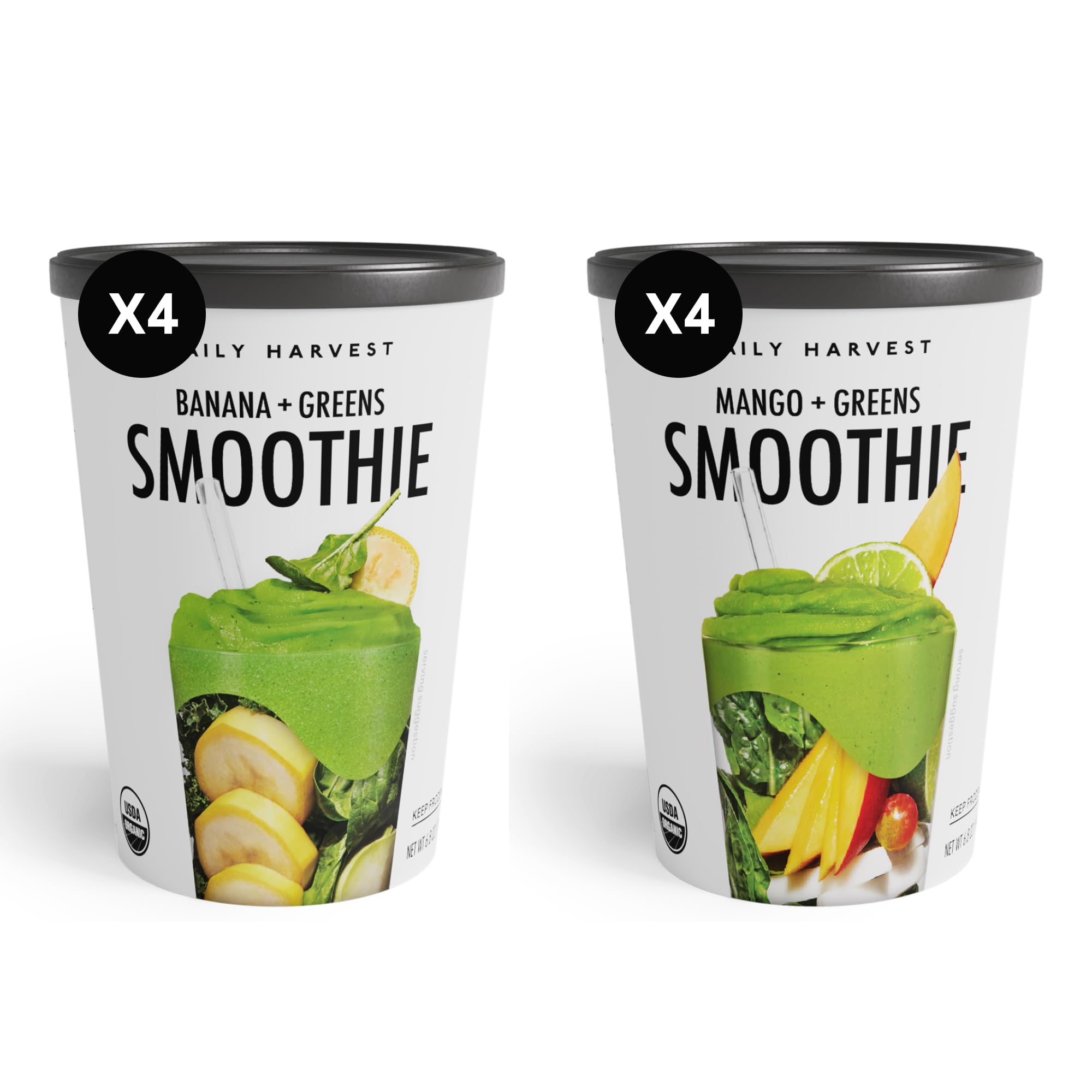
- Best For: Users who prioritize variety and a seamless, app-based user experience and have a premium budget.
- Menu Range: Over 100 items spanning smoothies, bowls, and flatbreads.
- Cancellation Policy: One-click cancellation directly on their website and app — a major trust signal.
✅ Where It Shines
- Unmatched menu variety across smoothies, bowls, and flatbreads
- Best-in-class mobile app for skips, swaps, and cancellations
- Frictionless one-click cancellation policy
- Strong premium wellness brand positioning
⚠️ When to Avoid
- Premium price point — one of the more expensive options
- Zero ingredient customization possible
- Specific taste preferences can render menu unusable
- The 2022 recall remains a concern for wellness consumers
SmoothieBox
Category / Best For
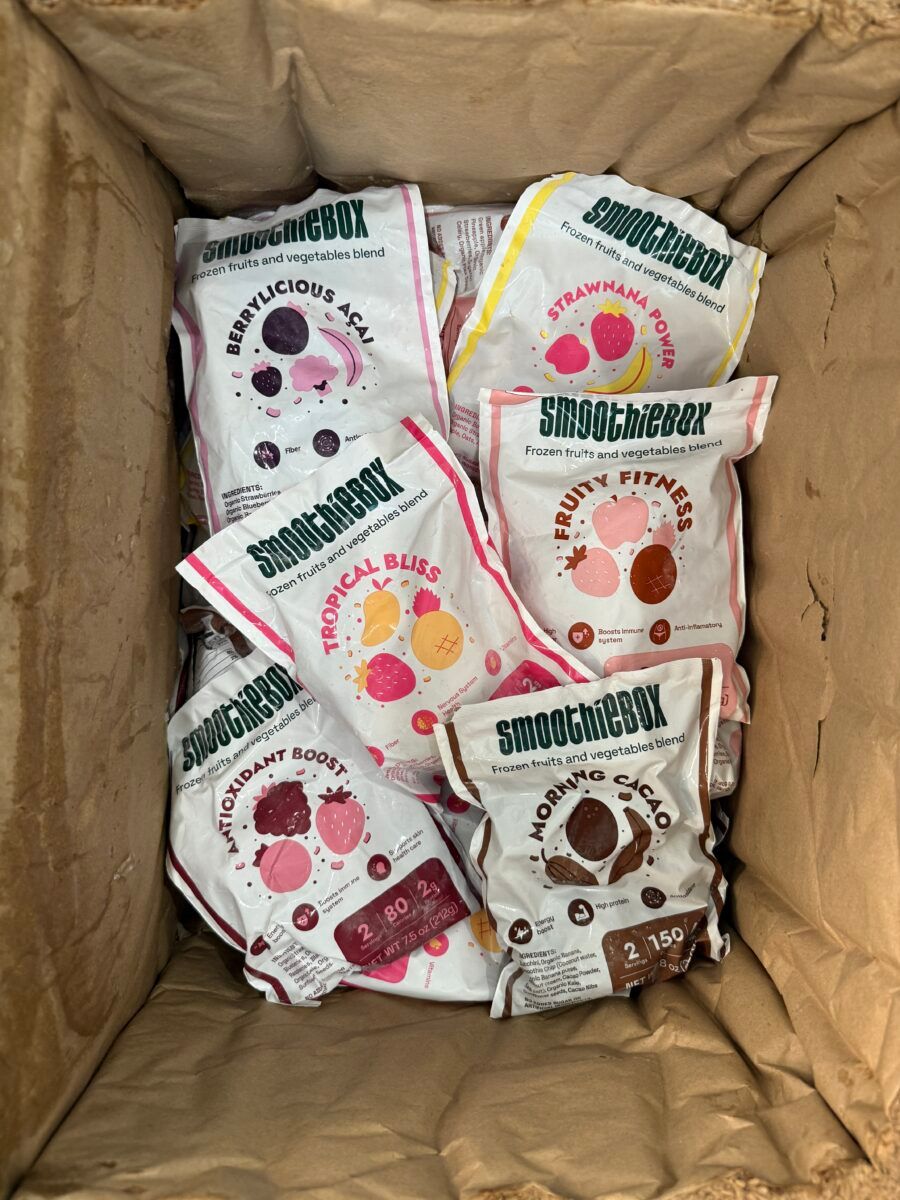
- Best For: Fitness enthusiasts and those on specific diets like Keto or high-protein plans.
- Formulation Focus: Blends often formulated with collagen and lower net carbs than competitors.
- Positioning: Laser-focused on its niche audience.
✅ Where It Shines
- Laser-focused on Keto and high-protein niche
- Blends often include added collagen
- Lower net carbs than most competitors
- Easy for target audience to find relevant options
⚠️ When to Avoid
- Focused menu can lead to flavor fatigue quickly
- Limited flavor variety compared to Daily Harvest
- Limited publicly available TCO information
- Safety-protocol data gap for transparency-focused shoppers
Revive Superfoods
Category / Best For
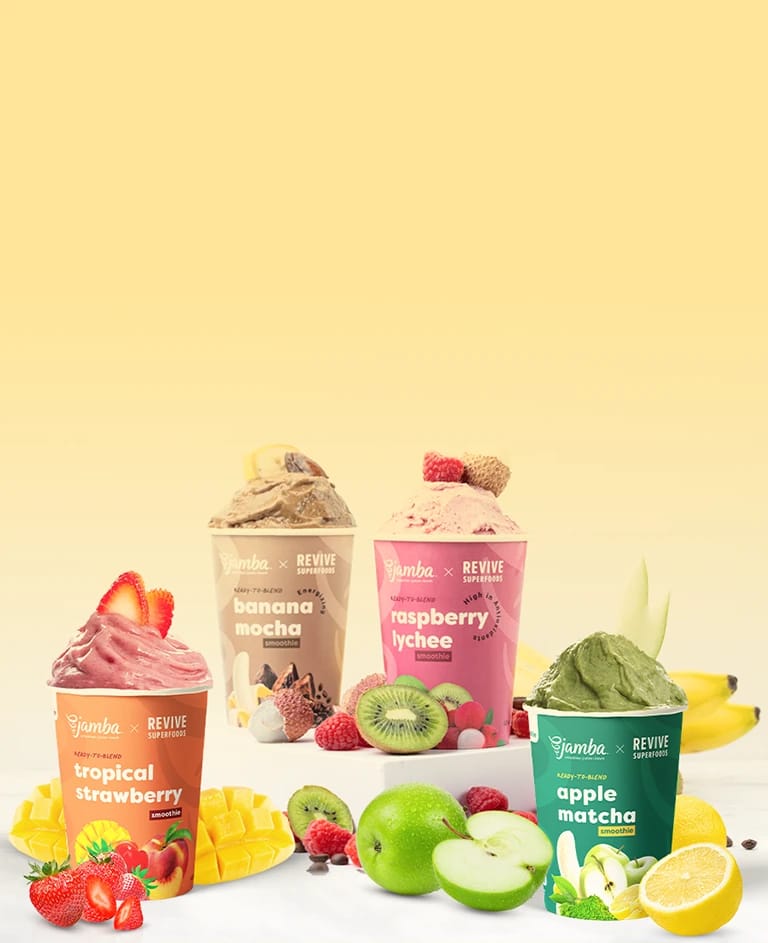
- Best For: Budget-conscious consumers willing to trade some certainty for a lower price point.
- Positioning: Direct, budget-friendly competitor to Daily Harvest.
- Risk Level: High-uncertainty choice — accept a much higher level of uncertainty about quality and safety.
✅ Where It Shines
- Lower entry price than premium brands
- More accessible starting point for budget shoppers
- Positioned as direct competitor to Daily Harvest
⚠️ When to Avoid
- Critical lack of verifiable supply chain transparency
- Limited independent data on ingredient quality
- Undocumented safety protocols and true TCO
- User-reported experiences can be inconsistent
Kencko
Category / Best For
- Best For: Consumers who want maximum simplicity without owning a high-powered blender.
- Format: Powdered smoothie packets — shake with water or milk.
- Risk Level: High uncertainty due to limited independent long-term data.
✅ Where It Shines
- No blender or freezer space required
- Portable, travel-friendly packet format
- Removes the “hardware tax” of frozen services
- Lower shipping and storage friction
⚠️ When to Avoid
- Powder format may not match frozen-fruit texture
- Data gaps on nutritional density vs. frozen alternatives
- High uncertainty compared to established competitors
- Not ideal for shoppers who value whole-fruit consistency
Part 7: Conclusion & FAQs
Final Verdict
After a deep-dive analysis of the smoothie subscription market, our verdict is one of extreme caution. The core conflict is clear: Blendbee’s unparalleled customization is chained to a frustrating user experience, while Daily Harvest’s supreme convenience comes at a premium price with zero flexibility.
Both operate within an industry that has significant safety transparency issues.
Our conditional recommendation is this: Choose Blendbee only if you are a ‘Health-Conscious Tinkerer’ who values granular control above all else and is willing to actively manage a high-friction cancellation process.
Choose Daily Harvest only if you prioritize variety and a seamless digital experience and have a premium budget that justifies that convenience. For many others, the risks may outweigh the rewards, making alternatives like homemade smoothies a more transparent option.
Before you subscribe to any service, use this checklist:
- Read the Cancellation Policy: Look in the actual Terms of Service document. If it requires an email or phone call, understand the potential for friction.
- Search the Brand on the Better Business Bureau: Look for patterns in complaints, especially regarding billing.
- Assume No Public Testing: Unless you see a valid, recent Certificate of Analysis (COA) on their site, assume it is not publicly provided.
- Check Your Blender’s Wattage: Search user forums to see if your blender is a good fit.
And whichever service you pick, make sure to check today’s latest coupons across all brands before you check out — even a small stacked discount can offset a full month of shipping fees.
Frequently Asked Questions
Q1: Is Blendbee really cheaper than Daily Harvest?
A: No. Based on our May 2024 analysis, Blendbee’s true per-smoothie cost is higher than Daily Harvest’s once its mandatory shipping fee is included. A 12-smoothie box from Blendbee costs $8.99 per smoothie plus $9.99 shipping, making the real cost $9.82 each Blendbee Official Pricing.
Daily Harvest smoothies cost $8.69 with shipping included Daily Harvest Official Pricing. Blendbee also carries the financial risk of a difficult cancellation process, which can add an unplanned cost if not managed carefully, a key factor when comparing smoothie subscriptions besides Blendbee. Applying a working Blendbee voucher code is one of the few reliable ways to narrow that per-serving gap.
Q2: What is the single biggest problem with Blendbee?
A: The manual email-to-cancel subscription policy is the most significant issue. This creates a high-friction process for customers looking to end their service.
It is the #1 complaint pattern found in our analysis of Better Business Bureau records, where users report difficulties and unwanted charges. This business practice poses a notable financial risk to consumers and defines the brand’s challenging customer service reputation compared to competitors that offer one-click cancellation. This is a critical consideration for anyone evaluating alternatives to Blendbee.
Q3: Is Daily Harvest safe after its 2022 recall?
A: While the recalled product, “French Lentil + Leek Crumbles,” is gone, questions about industry-wide safety transparency remain. The recall, documented by the FDA, demonstrated that safety failures can happen even at premium brands FDA Safety Alert Archive.
Like its competitors, Daily Harvest does not appear to provide public, third-party tests (COAs) for contaminants on its website. Therefore, while the company has addressed that specific incident, consumers must still weigh the overall lack of public safety data across the industry.
Q4: Can I use a normal blender for Blendbee?
A: It is possible, but may not be ideal. Some user reports suggest that blenders with less than 900 watts of power can leave chunks, compromising the smoothie texture. This is not an official vendor requirement, and success often depends on adding more liquid or blending for longer periods.
However, for those seeking the promised convenience and smooth texture, there is a possibility that a standard, lower-wattage blender may not be sufficient, potentially adding a “hidden cost” if an upgrade is needed. Checking reviews on sites like CNET can provide context on blender performance. Offset that upgrade cost with an exclusive Blendbee offer on your first subscription order.
Q5: Which smoothie service is best for severe food allergies?
A: None of these services are recommended for individuals with severe food allergies. This is because they all use shared facilities, creating an unavoidable risk of cross-contamination.
Our investigation confirms all major brands, including Blendbee and Daily Harvest, include disclaimers in their FAQs stating they cannot guarantee their products are free from allergens like nuts, soy, or wheat Daily Harvest FAQ. For someone with a severe allergy, this is an unacceptable risk, making these services unsuitable regardless of their convenience.
Q6: Why would anyone choose Blendbee if the cancellation is so bad?
A: The primary reason is for total ingredient customization. Blendbee is the only service in our analysis that allows users to build a smoothie entirely from scratch.
This feature gives them absolute, granular control over macros, sugar content, and specific ingredients—a powerful capability for “Health-Conscious Tinkerers” with unique dietary needs or preferences. For this specific user, the benefit of perfect nutritional control outweighs the significant downside of the high-friction cancellation process, a trade-off that no other major competitor currently offers. Those who commit typically pair the service with a Blendbee promotional code to cushion the trial-and-error learning curve.
Q7: What are the main hidden costs of a smoothie subscription?
A: The biggest hidden costs are mandatory shipping fees, cancellation friction charges, and potential hardware upgrades. Blendbee adds a $9.99 shipping charge to every order, significantly increasing the per-serving cost Blendbee Official Pricing.
Its cancellation policy can lead to an unwanted charge of over $100 if not navigated correctly. Furthermore, some services may require a more expensive, high-wattage blender to function as advertised. Finally, all services require a significant amount of freezer space, which can be a real cost for those in smaller living spaces.
Q8: Are cheaper alternatives like Revive Superfoods a good deal?
A: They are a high-risk choice due to a critical lack of publicly available data. Our research found little verifiable, independent information on their safety protocols, ingredient sourcing, true TCO, or consistent real-world user experience.
While the lower price point is attractive, you are trading cost for a much higher level of uncertainty regarding the product’s nutrient density, quality, and safety. For YMYL products, a lack of transparency often signals a higher risk, which may not be a “good deal” in the long run.