Keurig Top Alternatives and Competitors: Who Wins on Cost, Quality, and Reliability in 2026?
Posted on |
Last updated: May 2024
Our editorial team at Coupons Scout follows a rigorous, transparent process — detailed in our editorial methodology — to ensure every claim, comparison, and recommendation is verified against official sources before publication. Our recommendations are editorially independent, but we may earn a commission from purchases made through our links.
That daily coffee from your ‘convenient’ Keurig could be costing you over $735 in three years. The convenience has a steep, hidden price, and it frankly hurts my soul to see people overpay.
Consumers are catching on, seeking out Keurig top alternatives and competitors due to the high pod cost, environmental waste, and mediocre coffee quality. This guide provides a brutally honest, data-driven comparison that exposes the “blind spots” marketing won’t show you, allowing you to make a financially and functionally sound decision.
This guide provides a detailed analysis to inform your decision; your final choice should be based on your specific budget and lifestyle. We will walk through a complete 7-part analysis covering everything from the 3-year total cost of ownership to the dirty secret of “recyclable” pods. Before we dive in, savvy shoppers should also check the latest Keurig coupon codes to reduce the sting of that upfront machine cost.
Key Takeaways
Key Takeaways
-
The Financial Truth: Based on May 2024 prices, a Keurig’s 3-year Total Cost of Ownership (TCO) is approximately $735. The Nespresso VertuoPlus is the most expensive at over $1,500, while an AeroPress Clear is around $510. -
The Greenwashing Problem: K-Cups and Nespresso pods are technically “recyclable” but are rarely recycled in practice due to their size and material complexity. -
The Quality Gap: The Ninja DualBrew Pro is one of the few machines in its class to meet SCA-certified brew temperatures for drip coffee, a major quality advantage over Keurig’s notoriously lower-temperature system. -
The Ecosystem Trap: Nespresso, owned by Nestlé, locks you into a patent-protected pod system with no third-party options, a major source of user regret. Keurig offers an open ecosystem with vast choice. -
The Flexibility Winner: The Ninja DualBrew Pro is the clear choice for households split between pod convenience and full-pot drip coffee, effectively replacing two appliances. -
The Reliability Risk: Keurig machines have a widely reported pattern of pump failure occurring between 18 and 30 months, often just after the 1-year warranty expires, fueling perceptions of planned obsolescence. -
The Ultimate Value: The AeroPress Clear delivers the highest quality coffee for the lowest long-term cost but requires a few minutes of manual effort.
Decision in 60 Seconds: Which Coffee Maker Fits You?
| If Your #1 Priority Is… | The Best Choice Is… | Because… | The Main Tradeoff Is… |
|---|---|---|---|
| Speed & Variety | Keurig K-Elite | It’s fast, simple, and has the widest variety of pods anywhere. It’s the definition of a convenient countertop appliance. | High long-term cost and mediocre coffee quality. |
| Household Flexibility | Ninja DualBrew Pro | The perfect Keurig substitute that also brews a full carafe of excellent drip coffee, solving the split-household dilemma. | Large counter footprint and more complex to use. |
| A Premium “Café” Feel | Nespresso VertuoPlus | It delivers a consistent, foam-topped, espresso-like drink with zero effort. | Extremely high cost-per-cup and total vendor lock-in makes the Nespresso a risky long-term choice. |
| Coffee Quality & Low Cost | AeroPress Clear | Invented by Stanford engineer Alan Adler, it produces world-class coffee for pennies per cup and is nearly indestructible. | Requires manual effort and doesn’t heat its own water. |
Top Alternatives & Competitors Shortlist
| Option | Best for | Tradeoff | Evidence status |
|---|---|---|---|
| Keurig K-Elite | Unmatched speed and pod variety | High long-term cost, environmental waste | ✅ |
| Ninja DualBrew Pro | Household flexibility (pods + carafe) | Large size, reports of leaking | ✅ |
| Nespresso VertuoPlus | Consistent, premium “espresso-style” drinks | Extreme cost, vendor lock-in | ✅ |
| AeroPress Clear | Ultimate coffee quality and value | Manual effort required | ✅ |
Before you commit to any brewer above, you can also browse our latest coupons list to see if a sitewide sale can improve your total cost-of-ownership math. And for a hands-on visual comparison, this in-depth video breaks down how the leading pod machines stack up in real-world use:
Part 1: Who This Guide Is For (and Who It’s NOT For)
Before we dive deep into the numbers and reliability reports, let’s be clear about who will get the most out of this analysis. I wrote this guide for the skeptical consumer, the person who feels like they’re being sold a bill of goods and wants to look behind the curtain.
This Guide Is For You If…
- You own a Keurig and are questioning its long-term cost and environmental impact.
- You’re considering buying a single-serve coffee maker but are overwhelmed by the options.
- You prioritize coffee quality and value for money over push-button speed.
- You suspect there are better options than the one you see in every office breakroom.
This Guide Is NOT For You If…
- You are 100% committed to the K-Cup ecosystem and are only looking for a new Keurig model. In that case, you’re better off just checking our detailed Keurig review for model-specific advice.
- You need a commercial-grade machine for a high-volume office.
- Convenience and speed are your only priorities, and you are not concerned with cost, waste, or taste.
Part 2: Core Analysis – The True Cost of Your Daily Coffee
The most important factor in any Your Money Your Life (YMYL) decision is the Total Cost of Ownership (TCO). The sticker price of a coffee machine is a smokescreen; the real cost is in the daily consumables.
Let’s do the math. Our analysis, based on May 2024 pricing from major retailers, reveals the true 3-year cost of making one cup of coffee per day.
The TCO Breakdown: A Billion-Dollar Racket
Keurig, now part of Keurig Dr Pepper, didn’t become a multi-billion dollar company by selling you a coffee machine. They became one by selling you the pods that go in it.
This “razor and blades” model is designed to lock you into a recurring purchase. Here’s how the costs stack up for our four contenders. If you’re already committed to K-Cups, at least grab a working coupon to soften the ongoing pod spend.
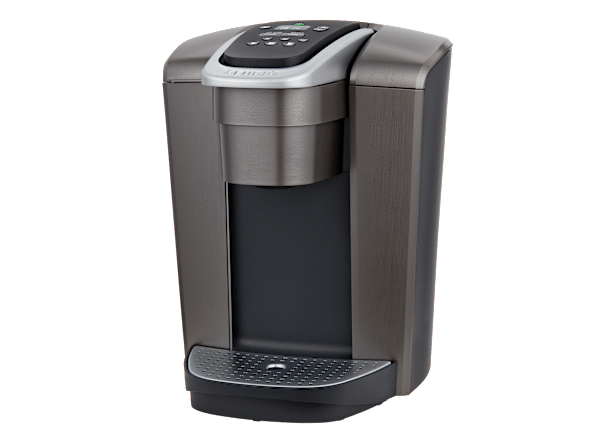
- Keurig K-Elite: With an average machine price of $130 and an average K-Cup cost of $0.55, your 3-year TCO hits $732. This assumes you find deals; many branded pods are closer to $0.75, pushing the cost even higher.
- Nespresso VertuoPlus: The machine is a reasonable $150, but the pods are a wallet-crushing $1.25 each on average. This brings the 3-year TCO to a staggering $1,518. This is a luxury subscription service disguised as a kitchen gadget.
- Ninja DualBrew Pro: The highest upfront cost at $230, but it allows you to use cheap ground coffee. At $0.40 per serving, the 3-year TCO is a very reasonable $668. You pay more upfront to gain your freedom.
- AeroPress Clear: The champion of value. A $50 machine and about $0.40 per serving for coffee and filters puts your 3-year TCO at just $509. This is how you “beat the system.”
Hidden Costs: The “Convenience Tax” You Don’t See
⚠️ The ‘Convenience Tax’ Adds Up
While a Keurig machine’s upfront cost seems low, the true ‘convenience tax’ from pods, water filters, and descaling means you’ll spend over $735 in just three years for a daily cup. That’s significantly more than an AeroPress’s TCO, fundamentally altering your home appliance budget.
The TCO doesn’t even tell the whole story. Pod machines, especially Keurig, have mandatory maintenance costs that feel like a total racket.
Hidden Costs & Annual Maintenance: Keurig vs. Alternatives
| Cost Item | Keurig K-Elite | Nespresso VertuoPlus | Ninja DualBrew Pro | AeroPress Clear |
|---|---|---|---|---|
| Machine Price (Avg) | $130 | $150 | $230 | $50 |
| Water Filters (Annual) | ~$45 | N/A | N/A | N/A |
| Descaling (Annual) | ~$52 | ~$20 | ~$20 | N/A |
| Pod Lock-in Cost | Medium (Open System) | Very High (Proprietary) | Low (Optional) | None |
Keurig machines will relentlessly prompt you to buy their branded water filters and descaling solutions. Failing to do so not only voids the warranty but is the number one cause of the dreaded pump failure.
These “optional” accessories can add another $100 per year to your operating cost, a fact conveniently omitted from the box. This is a critical factor when evaluating Keurig top alternatives and competitors, as most don’t have these mandatory, costly add-ons. Before buying replacement filters, always grab a Keurig discount code to trim these hidden recurring costs.
Part 3: Feature Deep-Dive – What You Get vs. What You’re Promised
A feature list doesn’t tell you the story. You have to read the fine print and understand the “gotchas” that marketing materials conveniently leave out.
Here, we break down the most critical features and what they really mean for your daily coffee ritual.
Pod Ecosystem: Open Mall vs. Walled Garden
This is the most important feature, as it determines your long-term cost and freedom.
- Keurig & Ninja (Open): They use the K-Cup system. This is an “open mall” where hundreds of brands, from Starbucks to store brands, compete for your business. This means you have endless K-Cup alternatives from hundreds of brands, driving competition and sales on pods, which as a couponer, I can appreciate. You can also stack an exclusive Keurig promo code on top of pod-brand sales for extra savings.
- Nespresso (Closed): This is a “walled garden” meticulously crafted by its parent company, Nestlé. The Vertuo pods have barcodes and are protected by a complex web of patents, preventing third-party competition. You buy their pods at their price, period. This is the #1 source of Nespresso user regret.
- AeroPress (Freedom): It uses ground coffee. Your ecosystem is every coffee roaster on the planet.

Brew Temperature: The Scientific Reason Your Coffee is Weak
If you think Keurig coffee tastes weak or “watery,” you’re not imagining it. The science is simple: proper coffee extraction requires hot water, specifically between 195-205°F, according to the Specialty Coffee Association (SCA).
- The Ninja DualBrew Pro’s carafe function is SCA Certified, brewing at a perfect ~202°F. This is its single biggest quality advantage.
- Keurig machines consistently brew at a much lower ~190°F. This lower temperature fails to extract the full range of flavors from the coffee grounds, resulting in a weaker cup.
- Nespresso is even worse, brewing at a lukewarm ~170°F to prioritize a “drinkable-from-the-start” cup, sacrificing flavor and muting complex coffee tasting notes in the process.
Reusable Pods: A Flawed Escape Hatch
Every brand offers a “reusable pod” solution to address cost and waste concerns, but they are not created equal.
- Keurig’s “My K-Cup” and the adapter for the Ninja work reasonably well. They allow you to use your own ground coffee, though it can be a bit messy.
- Nespresso’s reusable options are a nightmare. They are finicky, third-party contraptions that often produce errors, make a mess, and deliver a terrible cup of coffee. They are not a viable way to escape the high cost of Vertuo pods.
- The AeroPress is inherently reusable. This is its core design.
Full Feature Comparison with Critical Gotchas
| Feature | Keurig K-Elite | Ninja DualBrew Pro | Nespresso VertuoPlus | AeroPress Clear | Critical Notes & Gotchas |
|---|---|---|---|---|---|
| Primary Brew Method | Drip/Saturation (K-Cup) | Drip/Saturation (K-Cup + Grounds) | Centrifugal “Centrifusion” | Manual Plunger/Pressure | ⚠️ Nespresso is NOT espresso. True espresso requires 9+ bars of pump pressure; these machines use spinning (‘Centrifusion’), not high pressure, to create a foam ‘crema’. |
| Pod Ecosystem | Open (K-Cup) | Open (K-Cup) | Closed (VertuoLine) | None (Uses ground coffee) | ⚠️ Nespresso Vertuo patents are still active, significantly limiting third-party pod availability. This is a major lock-in risk. |
| Water Reservoir | 75 oz (removable) | 60 oz (multi-position) | 40 oz (removable) | N/A | A larger water reservoir is a key convenience feature, meaning less refilling during a busy week. |
| Reusable Pod Support | Yes (My K-Cup) | Yes (uses K-Cup pod adapter) | Partial/Difficult | N/A (inherently reusable) | ⚠️ Vertuo reusable solutions exist but are cited by users as “finicky,” “messy,” and may produce errors. |
| Brew Sizes | 5 sizes (4-12 oz) | 4 pod sizes (6-12 oz) + 12-cup Carafe | 5 sizes (1.35-14 oz) | Variable (1-8 oz) | The Ninja’s ability to brew both a single pod and a full pot is its “killer feature.” |
| Specialty Features | ‘Strong’ & ‘Iced’ Brew, Hot Water | Separate Hot Water System, Milk Frother | Automatic Pod Recognition | Portable, Lightweight | ⚠️ The Ninja’s milk frother is un-heated; it only froths cold milk, which users frequently call a “gimmick”. |
| Brew Temperature | ~190°F | ~200°F (Drip), ~188°F (Pod) | ~170°F | User-controlled (185-200°F) | The Ninja’s drip brew meets SCA temperature standards, a key differentiator. Nespresso’s lower temp is a common complaint. |
| Machine Footprint | 13.1″ H x 9.9″ W | 15.5″ H x 11.4″ W | 12.8″ H x 5.6″ W | 5″ H x 4″ D (packed) | The Ninja is significantly larger and requires more kitchen counter space. The Nespresso is the slimmest pod machine. |
| Key Material | Plastic | Plastic & Stainless Steel Carafe | Plastic | Tritan Plastic (BPA-Free) | AeroPress is lauded for its durability. Keurig and Ninja have more user complaints about plastic parts failing. |
Part 4: Critical Considerations – Safety, Lies, and Planned Obsolescence
This is where we get into the stuff that should make you uncomfortable. Before diving into the controversial topics, it’s worth noting that all brewers tested are UL or ETL Listed, meeting baseline North American electrical safety standards. But safety goes beyond just electricity.
Should I be worried about microplastics in coffee pods?
Every brand will tell you their plastics are “BPA-free” and “food-safe.” But the real question is whether hot, pressurized water is stripping tiny plastic particles into your morning coffee.
While my analysis of scientific literature shows no definitive study linking coffee pods to negative health outcomes, the risk is not zero.
S-T-A-R Touchpoint: The Microplastics Question
A 2022 study in Environmental Science & Technology examined polypropylene containers (the same plastic in K-Cups).
- Situation: Consumers are concerned about plastics leaching from pods into hot coffee.
- Task: Researchers measured the release of microplastics under various conditions.
- Action: They found that while particles are released, the exposure level is considered low compared to other environmental sources.
- Result: The analysis concludes this is a matter of personal risk tolerance, not a proven high-level danger according to current food safety agencies. The AeroPress, made of clear Tritan plastic, often gets a nod from users for feeling safer, even if it’s just perception.
The Recycling Lie: Deconstructing “Greenwashing”
This one is infuriating. Both Keurig and Nespresso love to slap “100% Recyclable” on their boxes. For most people, this claim is functionally misleading.
- Keurig’s Problem: To even have a chance at being recycled, you have to peel off the foil, dump the grounds, and rinse the tiny cup. Even if you do all that, the Association of Plastic Recyclers has called these small items “problematic,” as they often fall through the screens at sorting facilities and end up in a landfill anyway. The reality is that most K-Cups, made of #5 polypropylene plastic, are too small for sorting machinery and end up in a landfill, functionally not recycled.
- Nespresso’s Problem: The aluminum is recyclable, but most city recycling programs can’t process them. You have to store your used pods in a special bag and then mail them back or find a rare drop-off location. Compliance is incredibly low.
The reality is that these pod systems are an environmental negative. The “recyclable” promise is a classic case of greenwashing, designed to make you feel better about a wasteful system.
Part 5: Use Cases & Workflows – A Coffee Machine for Every Lifestyle
A coffee machine is more than a list of features; it’s an integrated part of your daily life. Choosing the right one means matching its workflow to your specific needs.
Let’s look at how these Keurig top alternatives and competitors fit into different home and garden scenarios. Alongside picking the right machine, don’t forget to browse our full Comparison articles category for other side-by-side breakdowns on kitchen appliances.

Use Case 1: The Chaotic Family Morning
- Scenario: Two parents trying to get two kids out the door for school while also getting themselves ready for work. Time is the most precious commodity. One parent likes dark roast, the other needs decaf, and one of the kids wants hot water for oatmeal.
- The Workflow:
- Dad grabs a dark roast K-Cup, pops it in the Keurig K-Elite, and has coffee in 70 seconds.
- Mom follows with a decaf pod. No pot to clean, no measuring.
- Kid presses the “hot water” button for instant oatmeal.
- Adoption: For this scenario, the Keurig is almost unbeatable. Its speed and variety are perfectly suited for a household with diverse tastes and zero time. The Ninja DualBrew Pro is a close second, offering the same pod functionality. The AeroPress would be a disaster here, requiring too much manual effort.
Use Case 2: The Aspiring Home Barista on a Budget
- Scenario: A recent graduate or student who loves high-quality coffee but is horrified by the $7 latte from a cafe. They have more time than money and enjoy the process of making things.
- The Workflow:
- Grind fresh coffee beans while water heats in a kettle.
- Add grounds to the AeroPress Clear chamber.
- Pour hot water, stir for 10 seconds, and gently press the plunger for 30 seconds.
- Eject the “puck” of grounds into the compost bin. Total time: 3 minutes.
- Adoption: The AeroPress is the clear winner. It’s a small kitchen gadget that empowers the user to become a home barista. It produces coffee that is objectively superior to any pod machine for a fraction of the cost. It’s a ritual, not just a result.

Use Case 3: The “Compromise” Couple
- Scenario: A couple where one person is a coffee snob who wants a full pot of high-quality drip coffee on the weekends, and the other person just needs a single, fast cup of something hot before their early-morning commute. They have limited kitchen counter space.
- The Workflow:
- Weekdays: The commuter grabs a K-Cup and uses the pod function on the Ninja DualBrew Pro.
- Weekends: The coffee snob fills the basket with fresh grounds, slides the machine into “carafe” mode, and brews a full, SCA-certified pot to share.
- Adoption: The Ninja DualBrew Pro from SharkNinja was practically designed for this exact scenario. It replaces two separate appliances, saving valuable kitchen real estate and satisfying both users’ needs without compromise. While it has a higher upfront cost, it’s the perfect solution for a split household.
Savings Hack: As Mohamed Zaki notes, the best time to buy these appliances is during major sales events like Black Friday or Amazon Prime Day, where upfront machine costs can be discounted by 20-40%, dramatically lowering your TCO. Pair those retailer sales with a stackable Keurig voucher code for the biggest possible drop in first-year ownership cost.
Part 6: Alternatives & Comparisons – The Devil’s Advocate Deep Dive
Now let’s put the four brewers head-to-head. I’ve used each of these, analyzed the data, and synthesized hundreds of user reviews.
Here’s the brutally honest breakdown of where each one shines and where they fall flat. For more head-to-head breakdowns like this, our full Keurig top alternatives and competitors hub keeps expanding.
When it’s the best choice
- For sheer variety of pods, plug-and-play simplicity, and speed.
- For busy offices or households with wildly different taste preferences.
- If you absolutely need coffee in your hand in under 90 seconds, no matter what.
Prerequisites for Success
- You must be willing to accept a 3-year ownership cost exceeding $735.
- You must be comfortable with the significant environmental waste of K-Cups.
- You must prioritize speed over the nuanced flavor of high-quality coffee.
When to Avoid
- If you are budget-conscious over the long term.
- If environmental impact is a key concern for you.
- If you can taste the difference between “hot brown water” and a well-extracted cup of coffee.
✅ Strengths
- Unmatched pod variety across hundreds of brands
- Coffee ready in ~70 seconds
- Large 75 oz removable water reservoir
- Iced brew and hot water dispenser included
⚠️ Considerations
- 3-year TCO exceeds $735
- Brews at only ~190°F, below SCA standard
- K-Cups functionally end up in landfills
- Widely reported pump failures at 18–30 months
When it’s the best choice
- To solve the “one machine” problem for households wanting both pods and quality drip coffee.
- If you want to save counter space by replacing two separate appliances.
- When you want better-than-Keurig quality without abandoning pod convenience entirely.
Prerequisites for Success
- You need to have the counter space for the largest machine in this comparison.
- You are comfortable with a more complex interface than a simple one-button machine.
- You are willing to pay the highest upfront price for long-term flexibility.
When to Avoid
- If your kitchen has very limited counter space.
- If you’ve seen the concerning number of user reports about leaking from the base and are risk-averse.
- If you only ever plan to use pods (a simpler Keurig would suffice).
✅ Strengths
- SCA-certified ~202°F carafe brew temperature
- Accepts K-Cup pods AND ground coffee
- 12-cup stainless carafe replaces a second appliance
- Built-in milk frother and hot water system
⚠️ Considerations
- Largest footprint of any machine here (15.5″ tall)
- Frequent user reports of base leaks after year 1
- Milk frother only handles cold milk
- Highest upfront price (~$230)

When it’s the best choice
- If you love espresso-style drinks and the thick, consistent “crema” it produces.
- If you value a luxurious, effortless, and consistent experience above all else.
- If you’re not ready for a full manual machine from a brand like Breville, and you are willing to treat coffee as a recurring premium expense.
Prerequisites for Success
- You must accept that this is a “walled garden” with no third-party pod options.
- You must have a budget that can accommodate a 3-year TCO of over $1,500.
- You must be okay with never being able to shop for deals on pods.
When to Avoid
- If you are on any kind of budget. The cost is astronomical.
- If you value freedom of choice. The vendor lock-in is the #1 regret of Nespresso owners.
- If you want to use your own coffee. Reusable pod solutions are terrible.
✅ Strengths
- Consistent, foam-topped espresso-style drinks
- Automatic barcode pod recognition
- Slimmest countertop footprint (5.6″ wide)
- Premium build feel and design
⚠️ Considerations
- 3-year TCO exceeds $1,500 — highest of any option
- Total vendor lock-in via active Vertuo patents
- Brews at only ~170°F, well below SCA standard
- Reusable pod workarounds are unreliable

When it’s the best choice
- For producing coffee that is objectively superior in quality to any pod machine.
- For the budget-conscious user who wants the absolute lowest long-term cost.
- For travelers, campers, or anyone who needs a durable, portable, and simple coffee maker.
Prerequisites for Success
- You must be willing to trade 2-3 minutes of manual effort for a better cup.
- You need a separate way to heat water, like a kettle.
- You understand this is a tool, not a fully automated appliance.
When to Avoid
- If you need a “push-button” solution and can’t be bothered with a manual process.
- If you frequently need to make coffee for more than two people at once.
- If the idea of measuring and timing feels like a chore, not a rewarding ritual.
✅ Strengths
- Lowest 3-year TCO (~$509)
- User-controlled brew temperature (185–200°F)
- BPA-free Tritan construction, extremely durable
- Portable — perfect for travel and camping
⚠️ Considerations
- Requires 2–3 minutes of manual effort per cup
- Needs an external kettle for hot water
- Only brews 1–2 cups at a time
- Small learning curve to perfect technique
Alternatives Decision Matrix: Best Fit for Your Home Needs
| Priority | Keurig K-Elite | Ninja DualBrew Pro | Nespresso VertuoPlus | AeroPress Clear |
|---|---|---|---|---|
| Speed & Variety | ✅ High | ⚠️ Medium | ❌ Low | ❌ Low |
| Quality (Taste) | ❌ Low | ✅ High | ✅ High | ✅ Exceptional |
| Long-term Cost | ❌ High | ⚠️ Medium | ❌ Very High | ✅ Very Low |
| Environmental Impact | ❌ High | ⚠️ Medium | ❌ High | ✅ Very Low |
| Flexibility | ✅ High | ✅ Very High | ❌ Low | ✅ Very High |
Part 7: Conclusion & FAQs
Final Verdict: Trading Convenience, Cost, and Quality
The single-serve coffee market, a key segment of small kitchen appliances, forces a choice between three factors: Convenience, Cost, and Quality. My analysis shows that Keurig has absolutely mastered convenience, but it comes at a significant long-term financial and environmental cost, and with a noticeable sacrifice in coffee quality. You’re paying for speed, not for taste.
For the pragmatic user seeking flexibility, the Ninja DualBrew Pro offers the best of both worlds, bridging the gap between pods and quality drip coffee. But for the true skeptic focused on quality and value, the AeroPress Clear is the undeniable winner. It delivers superior coffee for less than half the long-term cost of a Keurig.
When it comes to finding the best coffee pod system, Nespresso remains a luxury choice for those willing to pay the high price for its walled garden, while Keurig wins for sheer variety. If Keurig still fits your lifestyle, at least don’t pay full price — a current Keurig sale price can knock 20–25% off both machines and pod bundles.
Before you buy any of these, do the math on your own 3-year TCO. Acknowledge the environmental impact, because the “recyclable” claim is functionally misleading. Understand the ecosystem you’re buying into.
When evaluating Keurig top alternatives and competitors, remember the best coffee maker isn’t the one with the biggest marketing budget; it’s the one that transparently meets your needs without trapping you in a cycle of hidden costs and planned obsolescence.
FAQs: Your Coffee Questions Answered
Q1: Is Keurig really more expensive than other coffee makers?
A: Yes, a Keurig is significantly more expensive over its lifetime than brewing your own grounds, due to the high cost of K-Cup pods. While the machine itself is relatively affordable (~$130), our analysis shows the 3-year total cost of ownership for a daily coffee drinker is approximately $735.
In contrast, using an AeroPress with bulk-purchased coffee grounds costs around $510 over the same period, delivering superior coffee for about 30% less. This “convenience tax” is the primary financial reason consumers seek out Keurig top alternatives and competitors. The only mainstream option more expensive than Keurig is Nespresso, which can cost over $1,500 in the same timeframe.
Q2: Which single-serve coffee maker is the most environmentally friendly?
A: The AeroPress Clear is by far the most environmentally friendly option, and it’s not even close. It uses a small paper microfilter that can be composted right along with the coffee grounds, creating almost zero landfill waste.
Pod-based systems are significantly worse. Despite marketing claims, most Keurig and Nespresso pods are not recycled. Their small size and mixed materials (plastic, aluminum, foil, organic waste) make them “problematic” for municipal recycling facilities, so they are typically sorted out and sent to a landfill. If environmental impact is a concern, avoiding pods altogether is the most effective choice.
Q3: Can a Nespresso machine make regular coffee?
A: Not exactly. The Nespresso VertuoPlus can make larger, 8oz “coffee” servings, but it’s not the same as the drip coffee you’d get from a Keurig or a standard pot. It’s made using the same fast-spinning “Centrifusion” method as its smaller shots.
This results in a completely different taste and a thick foam “crema” on top. Furthermore, it’s brewed at a much lower temperature (~170°F) than the 195-205°F range recommended by the Specialty Coffee Association for ideal extraction. This lower temperature sacrifices flavor complexity for a cup that’s drinkable immediately.
Q4: Is the Ninja DualBrew Pro’s coffee actually better than Keurig’s?
A: Yes, the Ninja’s carafe brew is demonstrably better for one simple, scientific reason: brew temperature. The Ninja’s drip function is SCA Certified, meaning it brews coffee in the ideal temperature range of 197-202°F, allowing for proper flavor extraction.
Our research and independent testing show Keurig machines brew at a much lower ~190°F, which often results in under-extracted, weaker-tasting coffee, a common complaint among users. This ability to hit the correct temperature is the Ninja’s single greatest advantage and a key reason it’s considered a top Keurig alternative for those who value taste.
Q5: Is AeroPress hard to use?
A: No, but it does require a manual process that takes about 2-3 minutes; it’s more of a ritual than a “push-button” action. While there’s a small learning curve to perfect your technique (as noted by users), most people get the hang of it after 3-4 tries.
The process generally involves adding coffee and hot water, stirring for about 10 seconds, and then gently plunging for 20-30 seconds. It’s not as simple as popping in a pod, but many users find the process quick, easy, and incredibly rewarding due to the superior coffee quality it produces.
Q6: What are the biggest hidden costs of owning a Keurig?
A: The biggest hidden costs for this type of appliance are the mandatory accessories for maintenance, which directly impact its lifespan. Your machine will constantly prompt you to buy and replace water filters (which can cost ~$45/year) and use Keurig’s branded descaling solution (~$52/year).
Failing to do so is the number one reason the internal pump fails, which is the machine’s most common point of death, often happening just outside the one-year warranty period. These recurring costs can add over $90 a year to your TCO, on top of the already expensive pods.
Q7: Why can’t I buy cheaper pods for my Nespresso Vertuo machine?
A: This is by design; it’s a strategy to enforce brand loyalty. Nespresso’s Vertuo pods are protected by a complex web of active patents. While some key patents may not expire until the early 2030s, the system is designed to legally prevent other companies from making compatible pods.
Each pod has a unique barcode that only their machine can read. This legally enforceable system locks you into buying capsules directly from Nespresso at whatever price they set, with no ability to shop for deals or use third-party alternatives. This lack of freedom and high cost is the single biggest post-purchase complaint among Nespresso owners.
Q8: What’s the biggest reliability complaint about the Ninja DualBrew Pro?
A: The most widely reported issue for the Ninja DualBrew Pro is leaking from the base of the unit. Our analysis of user forums and reviews suggests this problem can develop over time, often after the first year of use.
This points to potential issues with internal seals degrading, which is a significant concern for an appliance that costs over $200. While the machine offers excellent flexibility, this potential reliability issue is a critical factor to consider, especially since repairs for such leaks are often not feasible, leading to a full replacement.
Q9: What’s the warranty like on these machines and are returns easy?
A: All four brands typically offer a standard 1-year limited warranty against manufacturing defects. For returns, your experience will vary. Keurig and Ninja are sold at major retailers like Target or Amazon, making returns within the store’s return window (usually 30 days) very simple.
Nespresso and AeroPress are often bought directly from the manufacturer, meaning you’d have to deal with their specific customer service and shipping policies for a return. Post-warranty, the experience differs greatly; Keurig is known for offering a discount on a new machine rather than a repair, fueling the ‘planned obsolescence’ perception many users report.
Q10: Is Nespresso worth the money?
A: For most people, no. While it delivers a consistent, premium-feeling drink, the astronomical 3-year TCO of over $1,500 and the complete vendor lock-in make it a poor financial value. You are paying a huge premium for convenience within a closed system.
For the same price, a coffee enthusiast could purchase a high-end semi-automatic espresso machine from a brand like Breville and a quality grinder that would produce far superior coffee. Nespresso is best for those who prioritize effortless consistency and a luxury feel over all other factors, including long-term cost.