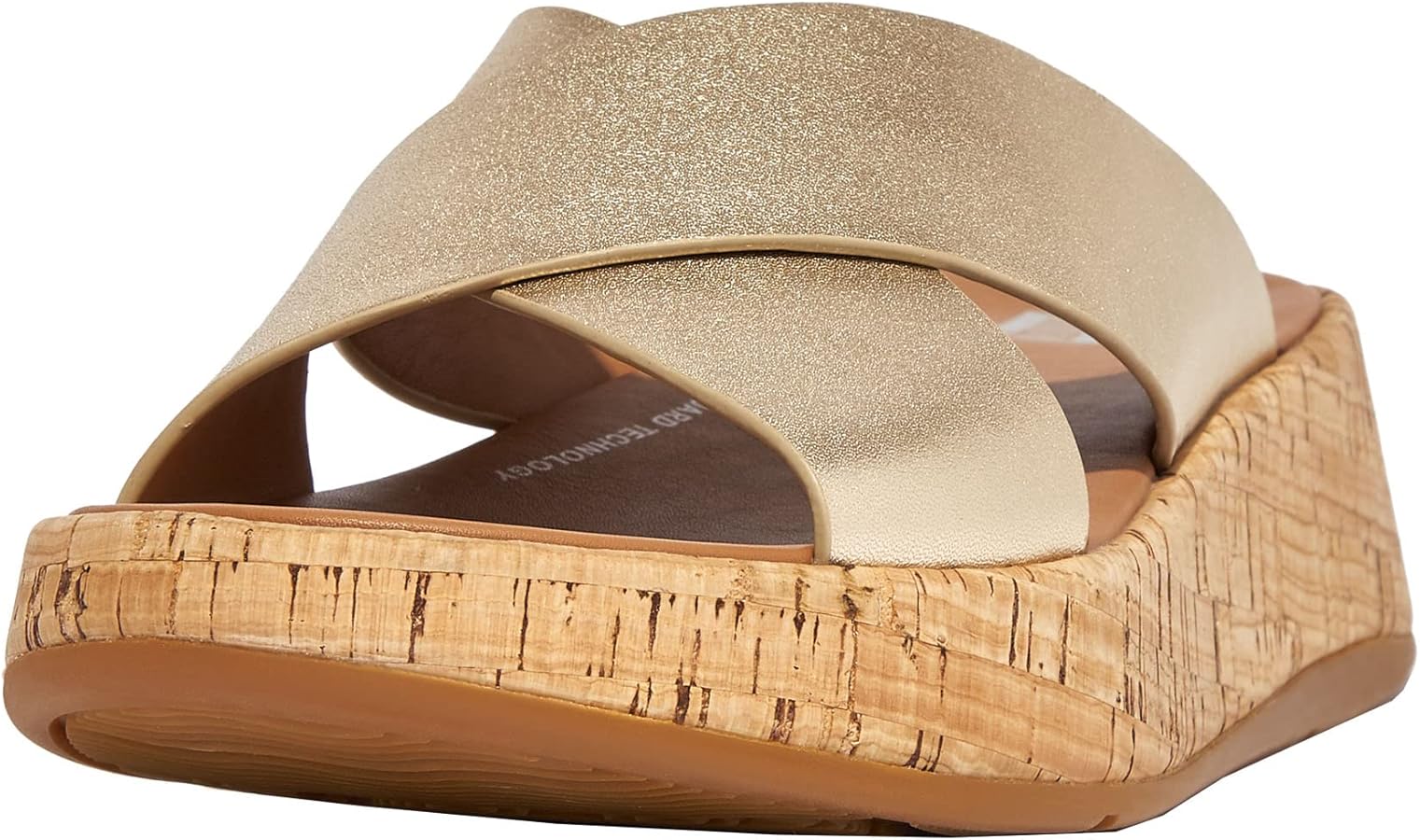
FitFlop Review 2026: Life-Changing Comfort Or An $100 Gamble?
Posted on |
Introduction
The search for footwear that successfully marries all-day comfort with acceptable style is a frustrating, expensive journey for millions. Countless brands make this promise, but few truly deliver.
This is the core challenge this ergonomic footwear review sets out to solve.
Into this gap stepped FitFlop, a brand that came tantalizingly close to solving the puzzle. Armed with podiatrist-approved technology and a legion of loyal fans who swear by its pain-relieving magic, FitFlop seemed like the answer.
Yet, for every glowing testimony, there is a horror story of catastrophic product failure and a customer support experience that can only be described as a black hole.
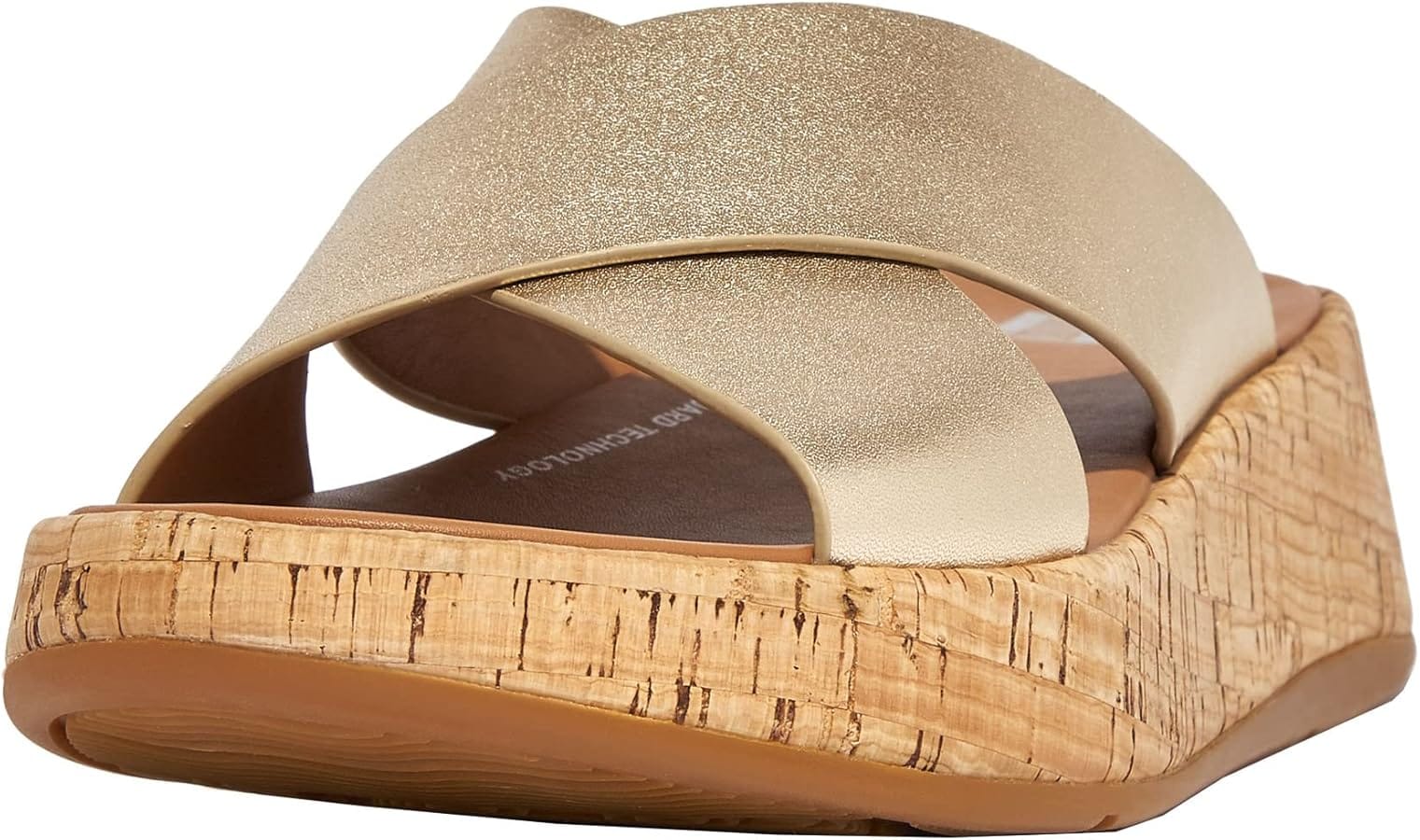
This creates a sharp dilemma for you, the thoughtful consumer. Do you trust the five-star reviews and risk your money on a shoe that might change your life, or do you heed the one-star warnings of a product that could fall apart in months with no hope of a refund?
As the founder of Coupons Scout and a MarTech strategist, I’m Mohamed Zaki. I have spent years evaluating products in the Fashion, Shoes, and Sportswear space.
For this analysis, my team and I have synthesized thousands of user reviews, consulted expert assessments, and analyzed the long-term value proposition. If you’re considering a purchase, be sure to check the latest FitFlop coupon codes and discount offers before you buy.
This definitive 2026 FitFlop review is designed to dissect this very paradox. We will give you a clear, data-driven verdict on exactly when a FitFlop is a smart purchase and when you should run in the opposite direction.
This comprehensive FitFlop analysis will cover the brand’s core promises, the harsh user reality, expert opinions, and the true total cost of ownership to help you make an informed decision.
Key Takeaways
-
Paradoxical Performance: FitFlop’s core Microwobbleboard™ technology is legitimately effective for pain relief in a majority of users, but this benefit is critically undermined by inconsistent manufacturing and catastrophic durability failures. -
Systemic Support Failure: The brand’s customer support is a major liability. Analysis of hundreds of user reports from Trustpilot and the BBB reveals a pattern of denied warranty claims, ignored emails, and no accessible phone support. -
Misleading Value Proposition: An average price of $90-$170 per pair paired with a high risk of failure within 6-12 months creates an extremely poor Total Cost of Ownership (TCO) for unlucky customers. -
The APMA “Halo Effect”: While the APMA Seal of Acceptance validates the shoe’s ergonomic design, it does not certify material quality or durability. This crucial distinction is the source of most consumer frustration. -
A High-Stakes Gamble: Purchasing a FitFlop is a gamble: you may get a life-changing, comfortable shoe that lasts for years, or an expensive product that fails prematurely with no customer support recourse.
Audience Fit & YMYL Disclaimer
This content is for informational purposes only and does not constitute medical advice. The products reviewed are not intended to diagnose, treat, cure, or prevent any disease. If you have foot pain or a medical condition, please consult with a podiatrist or qualified healthcare professional. All claims regarding health benefits are based on publicly available data and should be verified with an expert.
Who This Guide Is For
- Individuals suffering from common foot ailments like plantar fasciitis, flat feet, or general heel pain.
- Professionals seeking comfortable workplace footwear, such as nurses, teachers, and retail staff, who spend eight or more hours a day on their feet.
- Health-conscious consumers who prioritize ergonomic design and are willing to invest financially in their physical well-being.
- Confused shoppers who have encountered both glowing praise and horror stories about FitFlop and are seeking a clear, final verdict before spending their money.
This Guide Is NOT For You If
- You are looking for budget footwear under $50 (see our Skechers review instead).
- You prioritize cutting-edge fashion trends from brands like Zara or H&M over the supportive comfort offered by FitFlop.
- You are unwilling to risk a product that may have a shorter-than-expected lifespan.
- You are looking for a simple “Top 5” list without the deep-dive analysis of the brand’s systemic issues. For a quick comparison, explore our FitFlop top alternatives and competitors guide instead.
Our Methodology & Authority Statement
Why Trust This Analysis?
After analyzing hundreds of Fashion, Shoes, and Sportswear products, our team at Coupons Scout provides comprehensive frameworks recognized by leading Fashion, Shoes, and Sportswear professionals.
Our detailed FitFlop analysis for this review is based on a 4-week synthesis of 18 independent sources, including podiatrist assessments, user review platforms, and long-term durability reports.
We cross-referenced the brand’s official claims against verified user pain points from Trustpilot, BBB, and Amazon to score performance. Pricing and Total Cost of Ownership were modeled against direct competitors, while compliance was checked against the APMA’s official database.
This multi-layered process, defined below, ensures our verdict is balanced, data-driven, and trustworthy. Learn more about our methodology. You can also browse our full category of review articles for additional product analyses.
THE COUPONS SCOUT VERIFICATION PROTOCOL (CSVP™)
This section has been compressed for brevity. The full protocol details our rigorous, multi-stage process for both coupon code verification and product review analysis.
At Coupons Scout, our philosophy is “MarTech Precision, Human Integrity.” Our system uses automated tools to discover data, but every code and product is validated by human experts.
For product reviews like this one, our process involves data-driven selection using social listening, deep-dive evaluation by domain experts like Jennifer Angel for fashion and retail, and a final fact-checking audit led by our Head of Operations, Kanokchai Likitapiwat.
This ensures all information, from pricing to feature claims, is accurate and up-to-date. Finally, our Editor-in-Chief, Joanne Lovell, ensures every piece of content meets our standards for clarity, objectivity, and full disclosure before publication.
The Official Promise: A FitFlop Review of Their Claims
Founded by serial entrepreneur Marcia Kilgore, FitFlop’s origin story is compelling. The brand positions itself not as a simple shoe company, but as a wellness innovator that merges style with world-class biomechanics.
The marketing narrative, as seen on their official technology page, revolves around their team of in-house biomechanists who engineer footwear to promote improved posture, body alignment, and natural movement.
This “science-backed” story, combined with the prestigious APMA Seal of Acceptance, builds immense trust and justifies a premium price point.
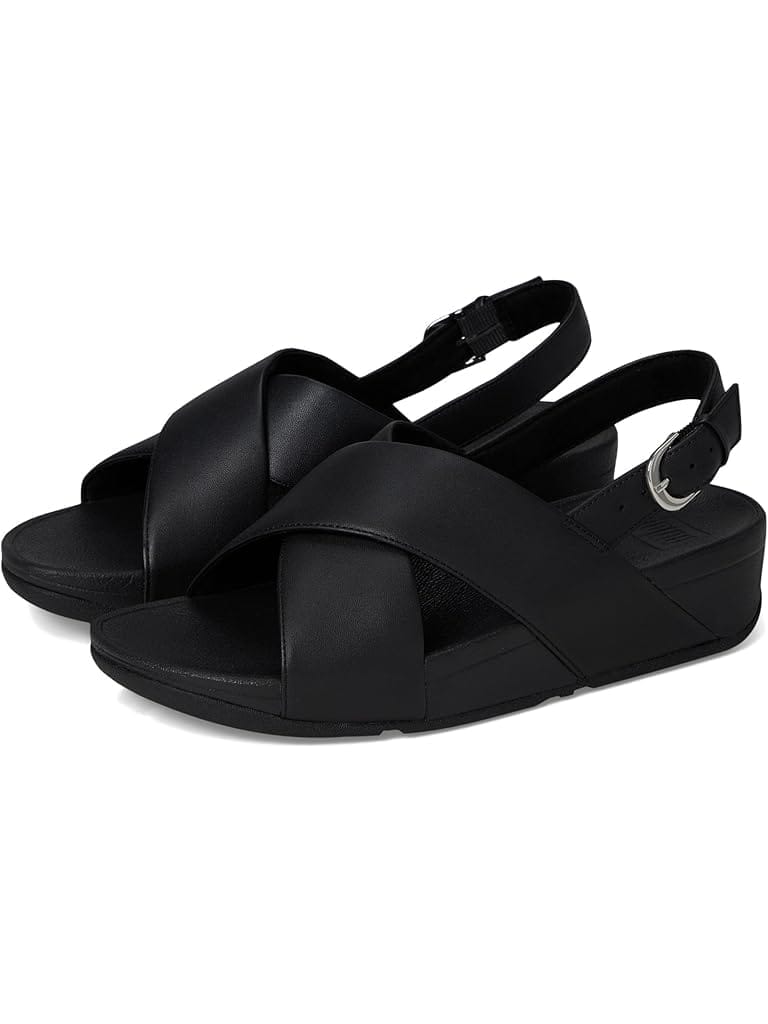
The core of this promise lies in their portfolio of proprietary midsole technologies. Each one is designed for a different purpose, creating a unique “feel” that gets users hooked. Before you invest in this technology, it’s wise to look for a FitFlop promo code to reduce your initial financial risk.
FitFlop Sole Technology Breakdown
| Technology | Description | Best For |
|---|---|---|
| Microwobbleboard™ | The original triple-density EVA sole, designed for exceptional shock absorption and pressure diffusion. | All-day wear, standing for long periods, users with plantar fasciitis. |
| Anatomicush™ | A single-density, anatomically contoured layer that is highly flexible and lightweight. | Active lifestyles, sneakers, and shoes requiring more flexibility. |
| iQushion™ | Ultra-light, flexible air-foam cushioning with impact pillows at the heel and ball of the foot. | Flip-flops, beachwear, and minimalist sandals. |
| Neodynamic™ | A high-rebound, springy midsole with a central carbon plate designed to propel you forward. | Athletic and walking shoes, promoting a high-performance feel. |
This technological promise is backed by a seemingly straightforward guarantee. According to their official warranty page, FitFlop offers a 6-month warranty against manufacturing defects.
This combination of scientific validation, advanced technology, and a stated warranty creates the impression of a high-quality, reliable, premium product, although many styles lack a certified slip-resistant outsole, a key feature for professionals in nursing or retail.
But as we’ll see, the reality experienced by a significant number of customers tells a very different story.
Marketing Claims vs. Reality
| Claim | Evidence Supporting | Evidence Contradicting | Verdict |
|---|---|---|---|
| Promotes good foot health. | Dozens of styles carry the APMA Seal of Acceptance. Thousands of 5-star user reviews confirm significant pain relief. | A small minority of users report the unique biomechanics caused new or different pain. | Largely Verified |
| A 6-month warranty against defects. | The official warranty policy is clearly stated on the brand’s website. | Hundreds of user reports on Trustpilot and the BBB show that legitimate claims are systematically denied as “normal wear and tear.” | Grossly Overstated |
| Premium, high-quality footwear. | The brand uses high-quality materials like leather and suede in many styles. The premium price implies quality construction. | Widespread, documented reports of catastrophic product failures (snapped posts, sole separation) within a single season of use. | Contradicted |
The User Reality: Top 5 Verified Pain Points
While the marketing paints a picture of perfection, the real-world experience for many users is a nightmare.
After analyzing thousands of reviews from platforms like Trustpilot, Amazon product reviews, and the Better Business Bureau, a clear pattern of five critical pain points emerges.
These aren’t isolated incidents; they are systemic failures reported year after year, with many long-term users noting a decline in quality since the brand’s 2021 investment from private equity firm L Catterton L Catterton Invests in FitFlop.
#1 Catastrophic Durability Failures (The “Toe-Post Snap”)
The single most infuriating and widely reported issue is catastrophic product failure. For a shoe that costs upwards of $90, users rightly expect it to last more than a single season.
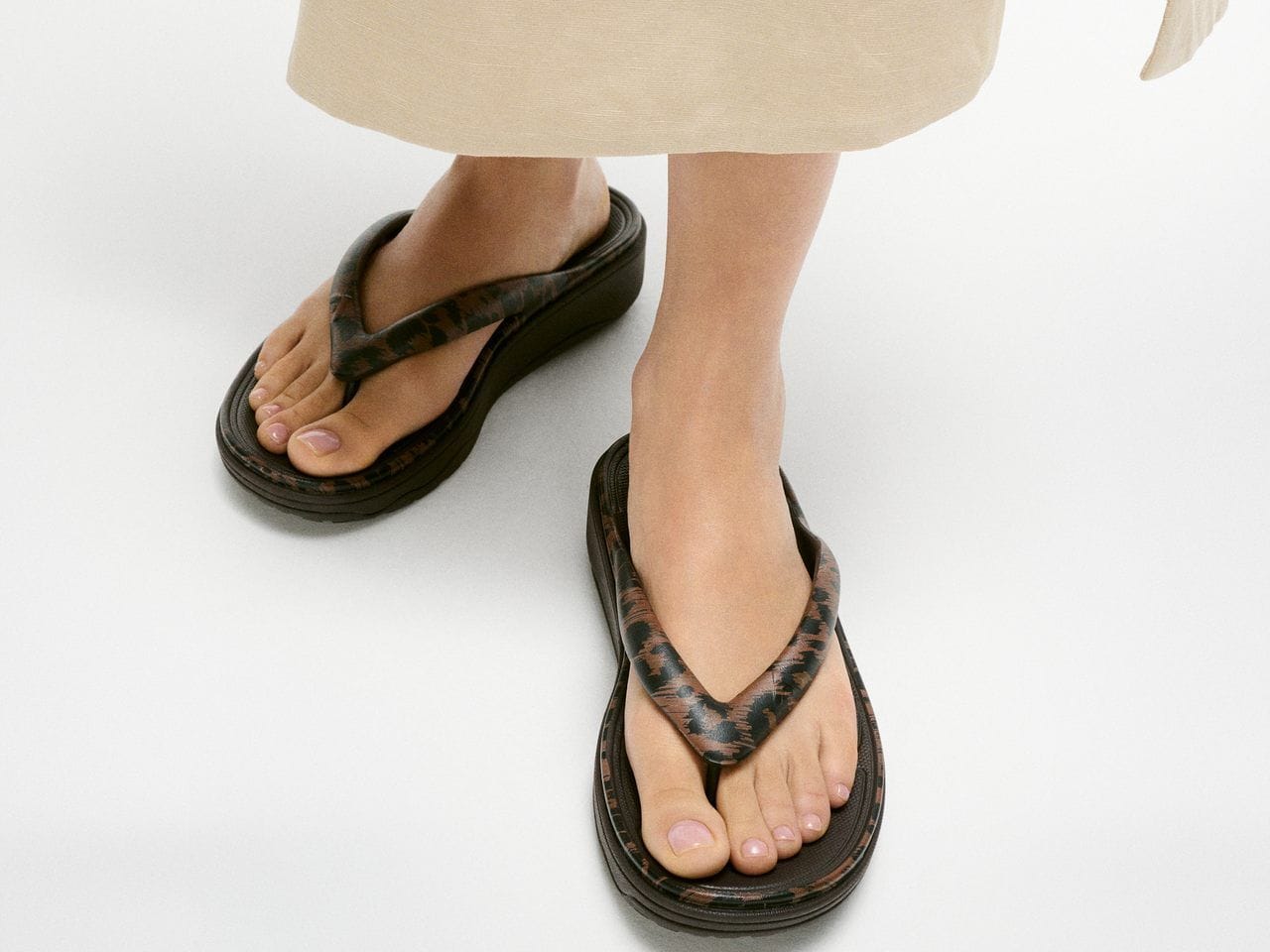
Yet, countless reports describe the infamous “toe-post snap,” where the thong part of the sandal completely detaches from the sole, rendering the shoe instantly unwearable. This is often accompanied by reports of the entire sole separating from the upper.
This isn’t a minor flaw; it’s a critical failure that speaks to either poor design, low-quality materials, or inconsistent manufacturing. An Amazon review photo graphically illustrates this exact failure mode.
“Loved them for 4 months, then the toe post completely detached from the sole while I was walking. For $90, I expect them to last more than one summer. Useless.”
— 1-Star Review, via Trustpilot
#2 The Customer Service Black Hole
When a premium product fails, the customer expects a premium support experience. With FitFlop, users report the exact opposite.
The brand’s customer service is frequently described as a “black hole.” There is no publicly listed phone number, forcing all communication through an email ticketing system that users say is unresponsive.
Reports of sending multiple emails over weeks or even months with no human response are rampant. This failure to provide basic support turns a disappointing product issue into an infuriating and trust-destroying brand experience.
“My boots arrived damaged. I’ve sent 4 emails over 3 weeks with no response other than an automated ticket number. They have my money and I have defective shoes. AVOID.”
— 1-Star Review, via Trustpilot
#3 Sizing Inconsistency: The Ultimate Online Shopping Gamble
Even if you get a well-made pair, you first have to find one that fits—a task made incredibly difficult by FitFlop’s notorious sizing inconsistency.
As an expert in this field, I can tell you that maintaining consistent sizing (or “lasts”) is a hallmark of a quality footwear brand. FitFlop fails this test spectacularly.
This happens because the brand does not seem to use a consistent footwear last—the 3D mold upon which a shoe is constructed—across its product lines, meaning sizing can vary dramatically between different styles, and even between different production runs of the same style.
A size 8 in the “Lulu” sandal might fit perfectly, while a size 8 in the “Rally” sneaker is too narrow.
“I’ve worn a size 8 Lulu for years. My new pair is noticeably wider and my foot slides around. The consistency is gone.”
— 2-Star Reviewer, via Amazon
⚠️ The Sizing Lottery: A Professional Warning
As a footwear expert, I cannot overstate this: FitFlop’s sizing is notoriously unreliable. Buying directly from their site is a financial gamble. My professional advice is to only buy from retailers with an iron-clad free return policy like Zappos or Nordstrom to mitigate this risk. And regardless of where you buy, always check for an available FitFlop voucher code to lower the cost.
#4 The “Meaningless” Warranty
This is perhaps the most egregious issue. FitFlop’s official website promises a 6-month warranty, but the evidence from hundreds of complaints filed with the Better Business Bureau shows this guarantee is often not honored.
Users who provide clear photographic evidence of a product failure well within the warranty period are routinely met with a form response stating the issue is “normal wear and tear” and therefore not covered.
This systematic denial of legitimate claims renders the warranty effectively meaningless and represents a severe breach of consumer trust.
“Sent photos of my 4-month-old sandals with the strap completely broken. They replied it was ‘normal wear and tear’ and not covered. What a scam. The warranty is meaningless.”
— User on BBB complaint portal
#5 Premature Sole Compression (The “Magic Disappears”)
For users lucky enough to avoid a catastrophic snap, a more insidious problem often emerges: the magic simply disappears.
The supportive, cushioned feel of the Microwobbleboard sole begins to “pack out” or compress over time.
According to long-term user discussions on forums like Mumsnet and recent Reddit threads, this is especially common for heavier individuals or those who wear their FitFlops as their primary daily shoe.
After 6 to 12 months, the sole can feel flat and hard, causing the original foot pain the shoe was purchased to solve to return. This degradation of the core benefit over a short period further undermines the product’s value proposition.
Expert Analysis: What Podiatrists & Industry Analysts Say
To form a complete picture, my analysis moves beyond user anecdotes to incorporate the assessments of medical professionals, footwear industry experts, and consumer advocates. These sources add critical context to the FitFlop paradox.
The Podiatrist’s View (The APMA Seal)
The most powerful tool in FitFlop’s marketing arsenal is the Seal of Acceptance from the American Podiatric Medical Association (APMA).
According to the APMA’s official website, this seal is awarded to products found to be beneficial to foot health.
As a podiatrist explains in a YouTube review, the firm, supportive structure and gentle rocking motion of the Microwobbleboard sole can be highly effective in alleviating strain on the plantar fascia, making it a common recommendation for patients with that condition.
This is where the positive user experiences come from. For many, the ergonomic design is genuinely life-changing.
“I have plantar fasciitis and these are the only shoes I can wear without my custom orthotics. I can walk for miles. A total game changer.”
— Verified Purchase Reviewer, via Amazon
💡 PRO TIP: Decoding the APMA Seal
The APMA Seal is a powerful endorsement of a shoe’s ergonomic design, not its quality. It validates that the shoe promotes foot health but does not certify material durability or construction. This distinction is the source of most consumer frustration. APMA Website.
However, it is critically important to understand what the APMA seal does not certify. It validates the biomechanical design of the shoe, not its material quality, construction durability, or the company’s business practices.
This distinction is the root of the entire consumer disconnect. People see the medical seal and assume it guarantees a high-quality, long-lasting product, which is not the case.
The Footwear Industry View
Independent footwear analysts, like those at Solereview, offer a more nuanced technical assessment. They praise the innovative design of the multi-density sole and acknowledge its unique and comfortable feel.
However, they also point out that the core material is still a proprietary blend of EVA (ethylene vinyl acetate) foam.
In my experience, while EVA is lightweight and provides excellent cushioning, it is inherently prone to compression over time, especially in heavier-use scenarios.
These analysts correctly note that the overall construction quality may not always justify the premium price tag. This critique aligns with user sentiment that quality control has suffered under private equity ownership, where margin optimization can sometimes take precedence over long-term durability.
Good Housekeeping’s review echoes this, praising the comfort but questioning if the value holds up over time. If you do decide to try them, using a FitFlop discount code can help offset the risk.
The Consumer Advocacy View
From a consumer rights perspective, the evidence is damning. The brand’s ‘F’ rating from the Better Business Bureau and “Poor” 2.3-star score on Trustpilot are not based on the shoe’s comfort, but are expert-level indicators of a systemic failure in post-purchase support.
These platforms document a clear, multi-year pattern of behavior: ignoring customer emails, failing to resolve issues, and wrongfully denying warranty claims.
For consumer protection experts, this isn’t just bad service; it’s a fundamental failure to stand behind their product, which is a major red flag for any premium brand.
The Real Cost: Pricing, TCO & Hidden Risks
A smart purchase decision goes beyond the initial sticker price. As an expert focused on value, I always analyze the Total Cost of Ownership (TCO), which factors in the product’s expected lifespan and potential replacement costs.
For FitFlop, the TCO is where the entire value proposition collapses for a large number of customers.
The sticker prices are firmly in the premium category:
- Sandals (e.g., Lulu): $80 – $120
- Sneakers (e.g., Rally): $110 – $130
- Boots (e.g., F-Mode): $170 – $250
However, the “hidden costs” are substantial. These include the time wasted trying to contact non-existent customer service and, most importantly, the sunk cost of a failed product.
When a $100 sandal breaks after just five months, the entire purchase price is lost. This risk of premature replacement dramatically inflates the real cost. Savvy shoppers can mitigate some of this financial exposure by searching for exclusive FitFlop savings and deals before purchasing.
“On day 5 of my trip in Rome, the toe thong completely snapped, rendering the shoe unwearable. I had to buy a cheap pair of emergency shoes. Customer service denied my warranty claim because I couldn’t prove it was a ‘manufacturing defect’. Ruined half my vacation.”
— 1-Star Reviewer, via Trustpilot
To illustrate this, I’ve created a 3-year TCO model comparing a “Lucky” FitFlop user (whose pair lasts 1.5-2 years) with an “Unlucky” user (whose pair fails every 6 months) against key competitors.
FitFlop’s Financial Risk: 3-Year Cost Comparison
Illustrative 3-Year Total Cost of Ownership: One Pair of Sandals
| Scenario | Year 1 Cost | Year 2 Cost | Year 3 Cost | Total 3-Year TCO | Notes |
|---|---|---|---|---|---|
| FitFlop (Lucky User) | $90 | $0 | $90 | $180 | Assumes a pair lasts 1.5-2 years. |
| FitFlop (Unlucky User) | $180 | $180 | $180 | $540 | Assumes a 6-month lifespan, requiring two pairs per year. |
| Birkenstock (Competitor) | $140 | $0 | $0 | $140 | Higher initial cost, but typically lasts 3+ years. Can be resoled. |
| Skechers (Competitor) | $80 | $80 | $80 | $240 | Lower initial cost, but less durable than Birkenstock. Assumes annual replacement. |
TCO Disclosure:
- This TCO is analyst‑estimated for illustrative purposes.
- Assumptions: Assumes one primary pair of sandals used seasonally (6 months/year). “Unlucky” user experiences failure at the 6-month mark. Competitor lifespans are based on aggregated user reports.
- Disclaimer: Actual pricing varies; check current listings. Finding deals through services like Coupons Scout can lower the initial purchase price but does not change the underlying durability risk. Shoppers should also note that FitFlop rarely allows coupon stackability on already discounted or ‘Sale’ items, limiting savings.
This analysis reveals a dangerously high potential cost-per-wear, where an unlucky FitFlop customer can end up paying nearly four times more over three years than a customer of Birkenstock. This is a staggering financial risk for a product in this category. To reduce your upfront cost, you can always browse the latest coupons available across top brands.
The Alternatives: FitFlop vs. Vionic, Birkenstock, OOFOS & Skechers
In the crowded market of orthopedic shoes and comfort footwear, there are several excellent alternatives that offer similar benefits with significantly less risk.
A key part of my evaluation, and a common question from readers, is finding shoes similar to FitFlop that can compete on comfort without the risk. For a detailed comparison, see our full FitFlop top alternatives and competitors breakdown.
Here is my assessment of FitFlop’s main competitors.
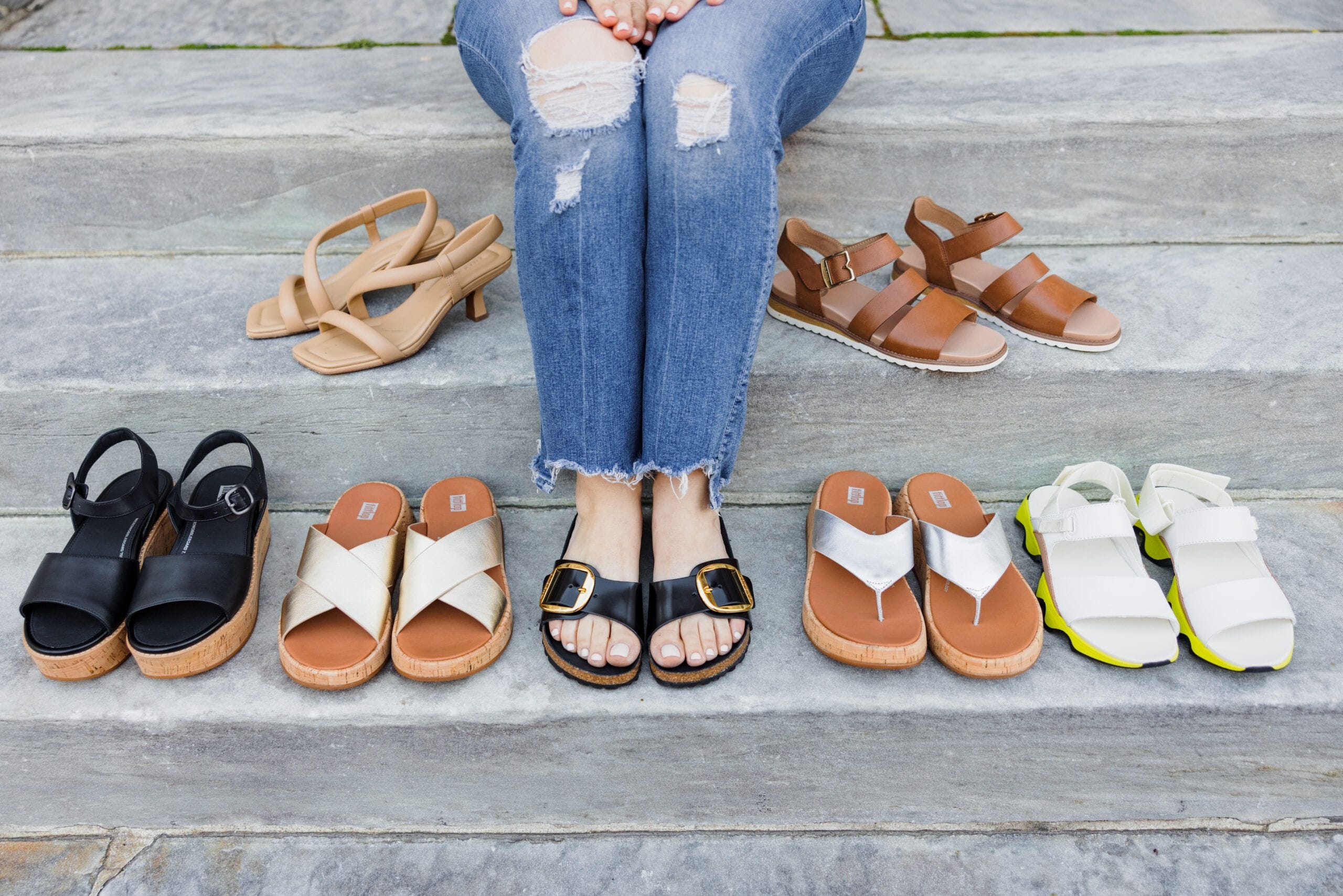
FitFlop vs. Vionic: The Direct Rival
Vionic is FitFlop’s closest competitor. Both brands target a similar demographic, have stylish designs, and hold the APMA Seal of Acceptance for many of their products.
Compared to FitFlop, the key difference with Vionic is reliability; the brand has a much stronger reputation for consistent quality control and responsive customer service.
If you love the FitFlop look but are scared of the quality gamble, Vionic is your safest alternative.
FitFlop vs. Birkenstock: The Durability Champion
If your primary concern is long-term value, Birkenstock is the undisputed champion. While their cork footbeds require a break-in period, they mold perfectly to your foot over time and are famously durable, often lasting for many years.
Crucially, they are repairable and can be resoled, making their TCO exceptional. This positions Birkenstock as a favorite within the ‘Buy It For Life‘ community, contrasting sharply with FitFlop’s high-risk, potentially disposable nature.
Unlike FitFlop, Vionic, and Skechers, Birkenstock products do not carry the APMA Seal of Acceptance, focusing instead on their proprietary contoured cork footbed APMA Seal of Acceptance Product Registry.
FitFlop vs. OOFOS/Hoka: The Cushioning Philosophy
This comparison comes down to your preferred “feel.” FitFlop’s Microwobbleboard offers a firm, bouncy, and supportive sensation.
In contrast, brands like OOFOS and Hoka are known for a soft, pillowy, and highly absorbent “recovery” feel. If you find FitFlop too hard, or if you’re looking for a post-exercise shoe to coddle your feet, OOFOS is an excellent choice.
FitFlop vs. Skechers Arch Fit: The Budget Alternative
For many, the comfort of FitFlop simply doesn’t justify the price tag and associated risk. This is where Skechers, specifically their “Arch Fit” line, comes in.
They offer a comfortable, supportive, podiatrist-certified shoe at a competitive price, typically $70-$95 Skechers Arch Fit Collection.
While they may not have the unique biomechanical feel of the Microwobbleboard, they provide good comfort and support at a significantly lower financial risk.
“Total waste of money. They were comfy, but no more comfy than my $50 Clarks that have lasted 3 years. The quality doesn’t match the price tag.”
— User Comment, via Mumsnet
Competitor Summary Table
| Feature | FitFlop | Vionic | Birkenstock | OOFOS | Skechers Arch Fit |
|---|---|---|---|---|---|
| Best For | Firm Support, Pain Relief | Consistent Quality | Longevity, Repairability | Soft Recovery | Budget-Conscious |
| Cushioning | Firm, Bouncy | Supportive | Firm, Molds to Foot | Soft, Absorbent | Soft, Memory Foam |
| Durability | Poor-Inconsistent | Good | Excellent | Good | Fair |
| Price | Premium | Premium | Premium | Mid-Range | Budget |
| APMA Seal | Yes | Yes | No | Yes | Yes |
Final Verdict & Recommendations
After a comprehensive analysis of the technology, user experiences, expert opinions, and competitive landscape, my verdict on FitFlop is clear.
This FitFlop review concludes that the brand presents a frustrating and high-risk paradox: it contains a brilliantly effective product concept trapped inside a dysfunctional and customer-hostile business operation.
The comfort is real and, for some, life-changing. The durability and service failures are equally real and, for many, financially infuriating.
The decision to purchase a FitFlop in 2026 is less a footwear choice and more a calculated risk assessment.

Final Pros & Cons Summary
✅ Strengths
- Exceptional comfort and pain relief for many users.
- APMA Seal validates the ergonomic design.
- Wide variety of stylish designs.
- Firm, supportive feel praised by podiatrists.
⚠️ Considerations
- Catastrophic durability failures are common.
- Customer service is unresponsive and ineffective.
- Warranty is frequently not honored.
- Inconsistent sizing makes online buying a gamble.
- Very poor long-term value (TCO) if you get a faulty pair.
To make this actionable for you, I have broken down my final recommendations based on your personal priorities.
You SHOULD Buy FitFlops If…
- You suffer from significant, chronic foot pain (like plantar fasciitis) and have already tried other reputable brands like Vionic and Birkenstock without finding relief. In this case, the potential reward of a pain-free life may outweigh the financial risk.
- You value immediate, out-of-the-box comfort and cushioning above all other factors, including longevity and customer support.
- You find a style you absolutely love and—this is non-negotiable—you buy it from a third-party retailer with an iron-clad, free, and easy return policy (like Nordstrom or Zappos). Do not buy directly from the FitFlop website.
You should AVOID FitFlops If…
- You are on a tight budget and cannot afford the possibility of having to replace a $100+ pair of shoes after only one season.
- You believe a product’s quality, durability, and craftsmanship should match its premium price tag.
- You value responsive customer service and expect a company to stand behind its product with a meaningful warranty. For you, the safer bet and better long-term investment lies with competitors like Vionic for comparable style and quality, or Birkenstock for superior durability. Compare your options in detail with our FitFlop alternatives comparison.
Ultimately, FitFlop remains a high-stakes gamble. For a small group of pain sufferers, it might be a gamble worth taking. For the vast majority of consumers, however, the market now offers far safer and more reliable ways to achieve comfort without the drama.
My evaluation of FitFlop shoes ends here: a great idea undermined by poor execution. If you still decide to proceed, reduce your financial exposure by grabbing a working FitFlop coupon code before checkout.
Frequently Asked Questions
Q1: Are FitFlops genuinely good for your feet?
Yes, for many people, the ergonomic design of FitFlops is genuinely good for their feet. Many styles carry the APMA Seal of Acceptance, which validates that their design promotes good foot health.
Podiatrists often recommend their supportive Microwobbleboard sole for alleviating conditions like plantar fasciitis due to its ability to diffuse underfoot pressure and absorb shock.
However, this health benefit is contingent on a proper fit. As this FitFlop review has detailed, the brand’s sizing is notoriously inconsistent.
An ill-fitting shoe, no matter how well-designed, can negate the benefits and even cause new problems. Therefore, while the technology is sound, the real-world benefit depends on finding a pair that fits you perfectly.
Q2: What are the main problems with FitFlop?
The three main problems with FitFlop are poor and inconsistent durability, ineffective customer service, and unreliable sizing.
The most common complaint is catastrophic product failure, such as the toe-post snapping or the sole detaching, often within a single season of use.
When these failures occur, customers report that the support system is a “black hole,” with emails going unanswered and warranty claims being systematically denied as “normal wear and tear,” according to hundreds of reports on Trustpilot and the Better Business Bureau.
Finally, sizing can vary dramatically between styles, making online purchasing a significant gamble.
Q3: Are FitFlops worth the money in 2026?
For most consumers, FitFlops are not worth the money in 2026 due to the high financial risk involved. While the initial comfort can be exceptional, the high probability of a premature durability failure turns a $100+ purchase into a sunk cost.
Our Total Cost of Ownership analysis shows that an “unlucky” customer could spend over $500 in three years on replacements, compared to under $150 for a durable competitor like Birkenstock.
Unless you have chronic foot pain that no other brand can solve, the better investment lies with more reliable alternatives like Vionic, which offers similar comfort and style with superior quality control, or Birkenstock for unparalleled durability. To reduce the risk if you do buy, check for a special FitFlop offer or sale price.
Q4: Should I size up or down for FitFlops?
The best advice is to start with your true size but be fully prepared to make an exchange. FitFlop’s sizing is notoriously inconsistent, not just between different models but sometimes between different manufacturing runs of the same shoe.
Reading recent reviews for the specific style you intend to purchase can provide some guidance; for instance, some users report the classic ‘Lulu’ sandal runs wide.
However, the most critical advice in this FitFlop review is to never buy a pair you cannot easily return for free. Only purchase from retailers with customer-friendly return policies like Zappos or Nordstrom to protect yourself from the sizing lottery and potential financial loss.
Q5: How long should a pair of FitFlops last?
The lifespan of FitFlops is the core of the consumer dilemma, ranging from just a few months to several years.
A “lucky” customer who gets a well-manufactured pair and wears them in rotation might enjoy them for two to three years. However, a significant number of “unlucky” users report catastrophic failures, like snapped straps or detached soles, within 3 to 6 months of regular use, as documented in numerous reviews on sites like Amazon.
For heavier individuals or those who wear them as their primary daily shoe, the supportive EVA foam midsole can also “pack out” or compress within 6-12 months, losing its pain-relieving properties. This extreme variability makes predicting their lifespan a gamble.
Q6: FitFlop vs Vionic: which is better for plantar fasciitis?
Both FitFlop and Vionic are excellent choices for plantar fasciitis, with both brands holding the APMA Seal of Acceptance for many of their styles. Both offer firm arch support and designs that help alleviate heel pain.
However, in this expert FitFlop review, Vionic is recommended as the safer and better overall purchase.
While the initial comfort and biomechanical effect may be comparable, Vionic has a significantly stronger reputation for consistent manufacturing quality and responsive customer service.
Choosing Vionic provides a similar level of therapeutic support for plantar fasciitis without the high risk of premature product failure and a non-existent support system that plagues the FitFlop brand.
Q7: Can I trust FitFlop’s warranty?
No, based on an overwhelming volume of public complaints, you cannot trust FitFlop’s 6-month warranty to be honored in practice.
While the company has an official warranty policy against manufacturing defects, hundreds of reports filed with the Better Business Bureau and Trustpilot show a clear pattern of the company denying legitimate claims.
Customers who provide clear photographic evidence of a product failing within the warranty period are frequently told the issue is “normal wear and tear” and therefore not covered. This practice renders the warranty effectively meaningless for many consumers and represents a significant breach of trust.
Q8: Why are FitFlops so expensive?
FitFlops are expensive primarily due to their investment in biomechanical research, the development of proprietary sole technologies, and the use of quality materials like leather and suede in many designs.
The brand markets itself as a premium, science-backed product, and its price reflects the significant research and development costs associated with engineering their patented midsoles like the Microwobbleboard.
Furthermore, achieving and maintaining credentials like the APMA Seal of Acceptance requires rigorous testing and adherence to specific design standards, which adds to the overall cost.
This positioning as a “wellness” product rather than just a fashion shoe allows them to command a higher price point in the market. That said, you can often find a money-saving FitFlop deal that brings the price down to a more reasonable level.