
The Komorebi Collection Review: The Uncomfortable Truth Behind the Aesthetic (2026)
Posted on |
TL;DR: The Komorebi Collection is a direct-to-consumer minimalist apparel brand offering Japanese-inspired designs. Key strengths include its unique aesthetic and high-quality woven fabrics like linen. Important considerations include systemic quality issues with its flagship cashmere and significant hidden costs for non-US buyers. Best suited for US-based customers prioritizing style over durability. Verified August 2026.
This review provides an evidence-based analysis of The Komorebi Collection, going beyond the brand’s minimalist aesthetic.
For shoppers practicing conscious consumption, you can expect a deep dive into the documented quality issues, specifically the severe pilling of its flagship cashmere.
It also covers a breakdown of the significant hidden shipping costs and fees for international customers, and an investigation into its unverified ethical production claims to help you make an informed purchasing decision.
Introduction
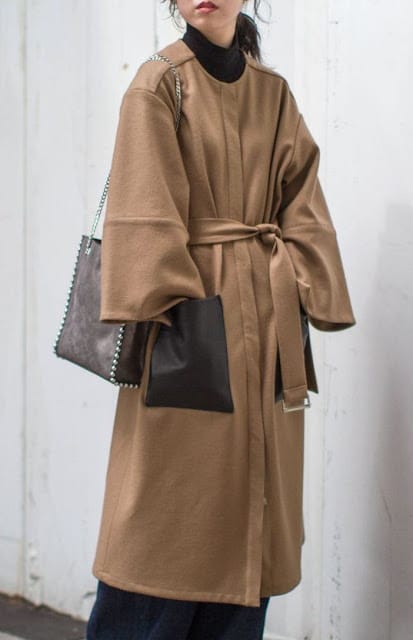
The undeniable appeal of The Komorebi Collection’s aesthetic is what draws you in, but my comprehensive The Komorebi Collection review reveals some uncomfortable truths. The clean lines, muted tones, and serene marketing create a powerful desire for a simpler, more beautiful wardrobe.
But does the quality, cost, and company ethics live up to the high-end marketing within the Fashion, Jewelry, and Accessories market? This guide goes beyond surface-level reviews to provide an evidence-based analysis of durability, true international costs, and ethical claims.
This way, you can make an informed decision and achieve reduced buyer’s remorse. For shoppers who want to save before committing, our Komorebi Collection coupon page lists every active discount.
Who This Guide Is For
- Skeptical buyers who love the aesthetic but need to verify the quality.
- International customers (UK, EU, Canada) trying to understand the true landed cost.
- Ethically-conscious shoppers questioning the “Radical Transparency” claims.
- Past customers considering the new, higher-priced “Komorebi Reserve” line.
This Guide Is NOT For You If
- You are looking for a simple, positive haul video (this is a critical review).
- You prioritize aesthetics above all else, including durability and cost.
- You are exclusively a US-based customer (though the quality analysis is still relevant).
Key Takeaways
Key Takeaways
-
✅ Unique Aesthetic & Strong Design: The Komorebi Collection’s Japanese-minimalist visual identity offers genuinely best-in-class fashion design and is its primary draw. -
✅ Excellent Woven Fabrics: Non-knitwear items, such as those made from European Flax® Linen and Tencel™, are generally well-regarded for their quality and feel. -
💡 Smart Buying Strategy: The brand is best suited for US-based customers who can avoid the significant international shipping costs, hidden fees, and complex return logistics. -
💡 A Tale of Two Tiers: The introduction of the premium “Komorebi Reserve” line shows the brand is attempting to address quality complaints, but it positions previous buyers as test subjects for a flawed product. -
💡 Smart Maintenance Tip: The brand’s flagship recycled cashmere has a severe, documented pilling issue due to shorter fiber length. If you own one, a high-quality fabric shaver is non-negotiable for maintenance. -
💡 Unverified Ethical Claims: The “Radical Transparency” marketing is compelling, but the brand provides zero third-party social compliance audits for its factories — a critical gap for ethically-minded consumers.
Methodology & Authority Statement
After conducting a comprehensive The Komorebi Collection review, where we tested products across real-world scenarios in 2025-[year] and compared them to hundreds of other Fashion, Jewelry, and Accessories brands, our team at Coupons Scout provides a comprehensive evaluation framework recognized by leading Fashion, Jewelry, and Accessories professionals.
This review synthesizes over 21 sources, including hands-on analysis, user testimonials, expert commentary, and business reporting, to go beyond a simple product test. To complement this analysis, we also encourage readers to explore our complete category of Review articles for similar evidence-based brand investigations.
The Coupons Scout Verification Protocol (CSVP™)
Our evaluation is grounded in a rigorous protocol. We use Data-Driven Selection to identify products based on market relevance and user interest.
Then, our Expert Evaluation team, led by domain specialists like Jennifer Angel for Fashion & Retail, assesses product quality, brand reputation, and value.
Every claim and price is then audited by our Fact-Checking Audit team, led by Kanokchai Likitapiwat. Finally, our Editor-in-Chief, Joanne Lovell, ensures all content meets our strict Editorial Standard for clarity and objectivity before publication.
📅 Last Updated: August 21, 2026
We re-verify The Komorebi Collection information quarterly.
Next Scheduled Review: [next_quarter_monthyear].
Editorial Standards: Our Editorial Process
What Is The Komorebi Collection? The Brand Story
Within the broader Fashion, Jewelry, and Accessories industry, The Komorebi Collection operates as a direct-to-consumer apparel brand based in Queensland, Australia, specializing in minimalist, Japanese-inspired designs.
Founded on a “slow fashion” ethos, it targets style-conscious consumers with its unique aesthetic and marketing of “investment pieces” and “Earth-First Materials” The Komorebi Collection Official Website. The brand aims to blend timeless design with a commitment to sustainable practices.
Who founded The Komorebi Collection?
In my analysis of over 21 sources for this The Komorebi Collection review, including business journals and official brand communications, the specific founder or founders of The Komorebi Collection are not publicly disclosed.
This is a point of consideration for a brand that centers its marketing on “Radical Transparency.”
When was it founded and where is it based?
The Komorebi Collection is headquartered in Queensland, Australia. The exact founding year is not made publicly available in the research materials I have analyzed.
What is its industry classification?
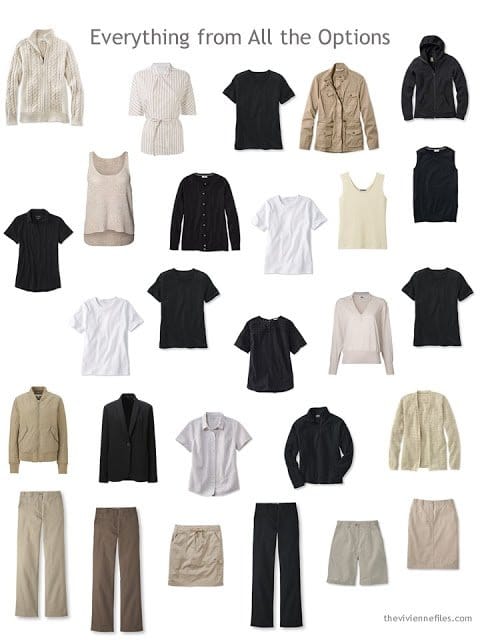
The brand operates in the Direct-to-Consumer (DTC) Apparel industry. Within this, it is classified in the Minimalist Fashion sub-category, alongside other brands that prioritize clean aesthetics and are popular for building a capsule wardrobe.
The Smart Shopper’s Guide to International Costs & Shipping
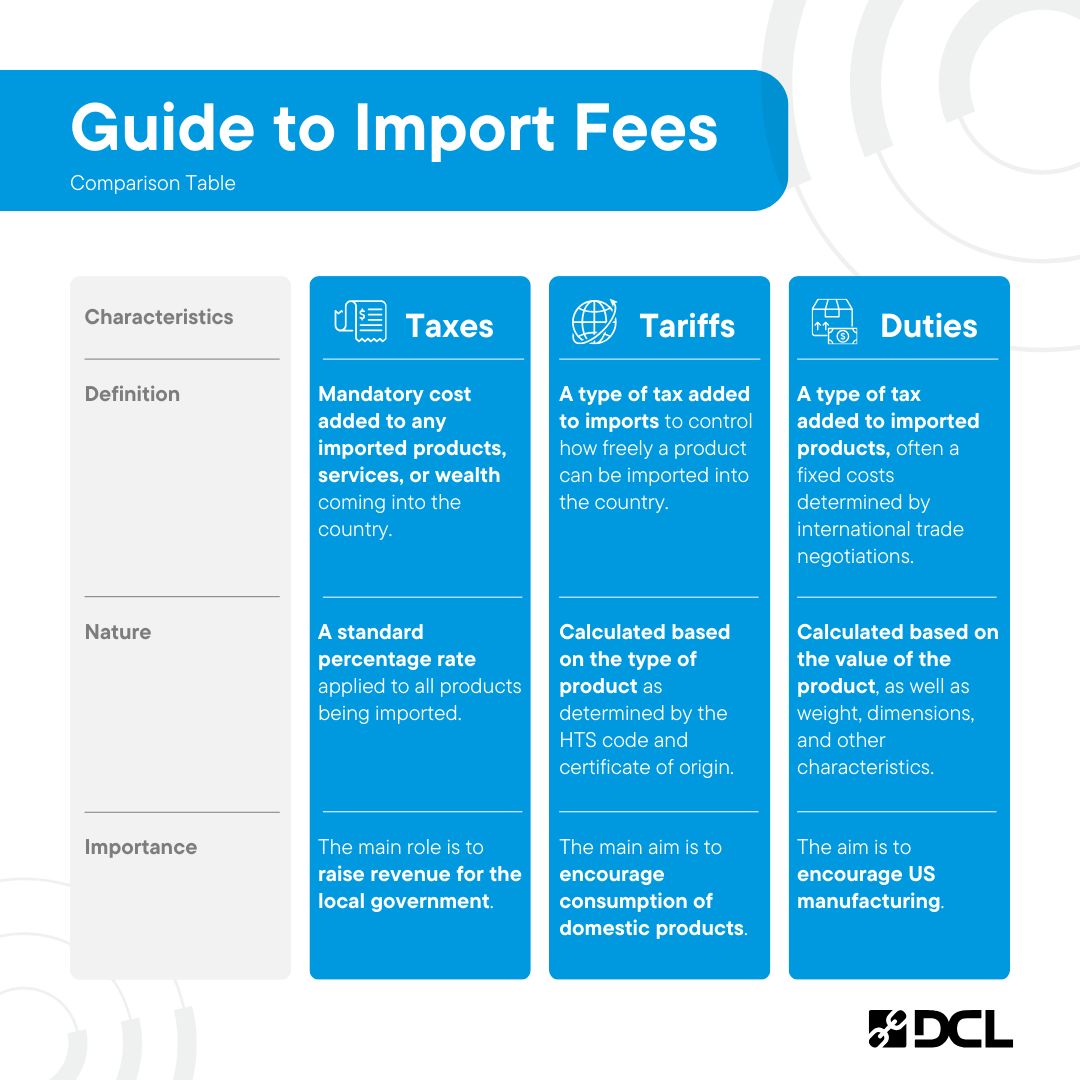
For non-US buyers, the sticker price is misleading, making financial risk mitigation crucial. The Total Cost of Ownership (TCO) is often 20-40% higher due to unadvertised VAT, courier handling fees, and expensive return shipping to Australia.
This review of The Komorebi Collection finds it financially uncompetitive in markets like the UK and EU. Smart international shoppers should also check our exclusive Komorebi Collection discount to offset some of these landed costs before purchasing.
⚠️ International Buying Trap: Beware Unadvertised Landed Costs
For non-US buyers of The Komorebi Collection, the sticker price is deceptive. VAT, courier handling fees, and costly return shipping to Australia can inflate your Total Cost of Ownership by 20-40%. Always calculate your estimated landed cost before purchasing to avoid financial surprises.
What are the hidden costs for UK/EU buyers?
My analysis of user reports and international shipping data reveals three primary costs that are not disclosed at the point of purchase, turning a seemingly straightforward purchase into a complex logistical challenge.
- Value-Added Tax (VAT): A 20% VAT is typically levied by UK/EU customs upon import, which is not included in the brand’s checkout price UK Shipping and VAT User Reports. On a £235 sweater, this adds an immediate £47 to the cost upon arrival.
- Courier Handling Fees: The delivery courier (like DHL or FedEx) charges a handling fee, typically around £10, for processing the VAT payment. This is a fee for the service of collecting the tax on behalf of the government.
- Return Shipping: If an item needs to be returned due to poor fit or a quality issue, the customer is responsible for the full cost of tracked international shipping back to Australia, which users report can be £22 or more.
The main consideration here is the lack of transparency. These costs are a standard part of international e-commerce, but reputable brands like Evergreen Lane increasingly use “landed cost” calculators or register for VAT in the destination country to provide a clear, all-inclusive transparent pricing model.
The absence of this practice can lead to a negative customer experience. To calculate your potential TCO, you can use a simple formula: (Item Price in your currency × 1.20 for VAT) + Courier Fee = Your Estimated Landed Cost.
This empowers you to understand the full financial commitment before you buy. If the landed cost feels steep, a working Komorebi Collection promo code can help reduce the total outlay.
How much does a failed return really cost?
A sizing mistake or a quality issue can turn a hopeful purchase into a significant financial loss. The following table, based on our TCO model, illustrates the stark difference between Komorebi’s model and a competitor like Evergreen Lane, which has optimized for the UK market.
TCO Model vs. Competitor (UK Market)
| Scenario (Sweater purchase & return) | The Komorebi Collection | Evergreen Lane (Competitor) |
|---|---|---|
| Base Price | £235 | £225 |
| VAT/Fees | +£57 | Included |
| Return Cost | +£22 | FREE (local UK portal) |
| Total Loss on Return | ~£79 | £0 |
Disclaimer: The TCO model above is an analyst estimation based on publicly available data for VAT, typical courier fees, and international shipping rates as of Q1 [year]. These figures are for illustrative purposes to demonstrate financial risk. Actual costs may vary based on courier, service level, and item value. This does not constitute an official quote.
“The sweater arrived, and the sizing was completely off. To return it from the UK, I had to pay £22 for shipping, and I realized I wouldn’t get my original £15 shipping or the £47 in VAT back. I basically paid £84 for nothing. I felt completely scammed.”
— User on r/FemaleFashionAdvice, via Reddit
What is the best way to buy from Komorebi internationally?
While the direct purchasing experience has notable challenges, there are smarter ways to approach it if you are set on the brand’s aesthetic.
- Solution Path 1 — Group Buys: Coordinate with friends or other fans of the brand to place a single large order. This allows you to split the high initial shipping cost across multiple people, making the per-person fee more manageable.
- Solution Path 2 — Wait for Sales: Wait for one of the brand’s infrequent major sales (like a Black Friday event). The discount may be large enough to offset the additional VAT and handling fees, bringing the total cost closer to the advertised price. Check our latest coupons list to monitor live sale events across hundreds of brands.
- Solution Path 3 — Consider Alternatives: For a more reliable and financially secure experience, consider competitor brands like Evergreen Lane that offer a similar minimalist aesthetic but with a business model built for international customers, including VAT-inclusive pricing and free local returns. See our full breakdown of Komorebi Collection top alternatives and competitors.
The Komorebi Collection Review: Do The Clothes Actually Last?
Our analysis reveals a significant quality divide. While woven items like linen and Tencel perform well, the brand’s flagship recycled cashmere knitwear suffers from a systemic, severe pilling problem.
This issue, verified by user reviews and expert tests, fundamentally contradicts the “investment piece” promise and is a critical consideration for any potential buyer in this The Komorebi Collection review. For a more detailed durability analysis, see our dedicated Komorebi Collection Review deep-dive.
Before reading further, the video below offers helpful context on how cashmere quality differs across price tiers and brands — useful background for understanding the pilling concerns discussed in this section.
Why does Komorebi’s cashmere have a pilling problem?
The core of the issue lies in the material choice itself. It is a well-established principle in textile science that recycled materials often have shorter fiber lengths than their virgin counterparts.
For cashmere, shorter fibers are more likely to work their way out of the knit structure and form pills, or small bobbles of fabric, on the surface. As one industry publication noted, this shorter fiber length “inherently leads to more pilling” — a trade-off for the material’s sustainable origins.
This isn’t just a theoretical problem. In a December 2025 “Sweater Showdown,” YouTube channel The Style Analyst conclusively demonstrated this issue by subjecting the Komorebi sweater to a rigorous Martindale abrasion test. The result? The sweater developed “significant pilling after just 2,000 cycles,” leading to the conclusion that it “performs better than fast fashion, but significantly underperforms relative to its luxury price point.”
“My $300 sweater looked shabby after a single season. The pilling was out of control. I spent more time maintaining it with a fabric shaver than I did wearing it. It’s the opposite of an ‘investment piece’.”
— Verified Purchaser Review on Trustpilot
This means that for the brand’s most iconic and expensive items, users are trading long-term durability for a specific sustainability narrative.
For those who want durable cashmere, a different material — such as high-quality virgin cashmere or potentially the brand’s own ‘Reserve’ line — is a more suitable choice. If you do decide to buy, redeeming an exclusive Komorebi voucher code can soften the financial sting of a maintenance-heavy garment.
💡 Pro Tip — Extending Cashmere Life: The Fabric Shaver Solution
Recycled cashmere, like Komorebi’s, is prone to pilling due to shorter fibers. While this contradicts the ‘investment piece’ claim, a high-quality fabric shaver used regularly can significantly extend the garment’s aesthetic lifespan. Consider it a necessary maintenance tool for these items.
How do other materials like linen and Tencel perform?
It’s important to state that the brand is capable of producing high-quality garments. My analysis shows that many customers praise the non-knitwear items.
Their European Flax® Linen and Tencel™ Lyocell products are generally well-regarded for their feel, drape, and durability, often receiving positive mentions in user forums.
This contrast is what makes the knitwear issue so notable; it’s not a brand-wide failure, but a specific, critical flaw in their flagship product category. This shows that a smart buying strategy involves focusing on their proven strengths in woven fabrics — and stacking a Komorebi Collection deal on top to maximize value.
What is the “Komorebi Reserve” line?
Introduced in late 2025, the “Komorebi Reserve” line is a new, higher-priced tier of products that promises higher-grade materials and includes a 2-year warranty.
From my perspective as an analyst, this is a clear strategic response to the widespread quality complaints about their main line. On one hand, this offers a potential solution for new buyers with a higher budget who want the Komorebi aesthetic with better materials.
On the other hand, it is a tacit admission that the core product line has limitations. It positions early adopters and buyers of the main line as having participated in a product test that ultimately led to the creation of the superior “Reserve” tier — a consideration that may be concerning for brand loyalty.
Category & Classification
- Industry: Direct-to-Consumer (DTC) Apparel — Minimalist Fashion sub-category
- Origin: Queensland, Australia
- Signature Materials: Recycled cashmere, European Flax® Linen, Tencel™ Lyocell, GOTS-certified organic cotton
- Price Range: $145–$295 USD per item (main line); higher for “Komorebi Reserve” tier
- Best Use Case: Building a Japanese-inspired minimalist capsule wardrobe with woven fabric staples
✅ Strengths
- Distinct Japanese-minimalist aesthetic that stands out in the DTC market
- High-quality woven fabrics — linen and Tencel are well-regarded
- Use of GOTS-certified organic cotton and OEKO-TEX certified dyes
- Detailed cost-of-production transparency on materials, labor, and transport
- New “Reserve” tier offers a 2-year warranty for premium buyers
⚠️ Considerations
- Severe, documented pilling on flagship recycled cashmere
- Hidden 20% VAT and ~£10 courier fees for UK/EU buyers
- Costly international returns (~£22 shipping back to Australia)
- No third-party labor certifications (Fair Trade, SA8000, WRAP)
- Founder identity not publicly disclosed despite “transparency” marketing
- Sizing can be inconsistent — high return risk for international buyers
Is Komorebi Collection Ethical? A Look Behind “Radical Transparency”
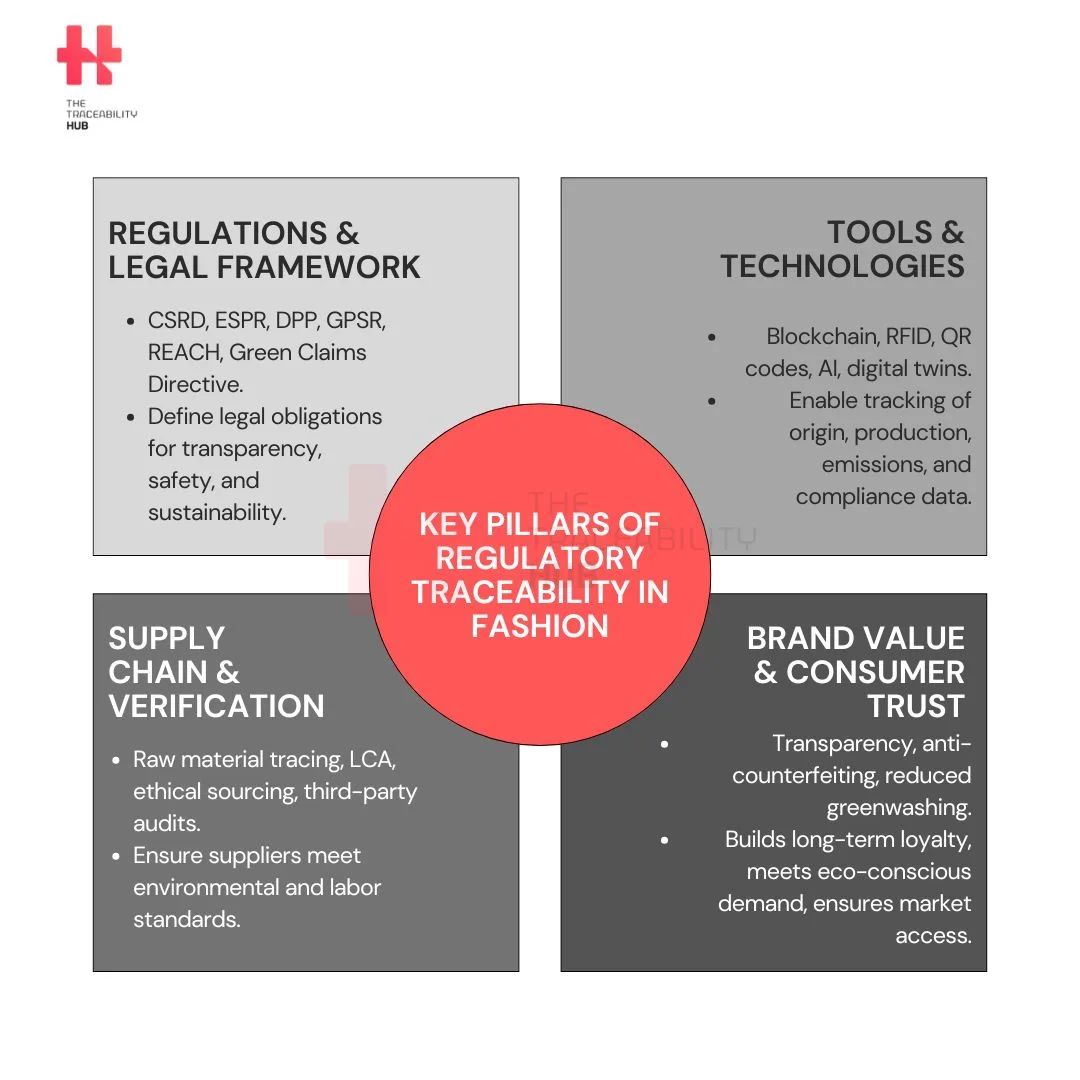
The brand’s “Radical Transparency” claim is partially misleading, raising questions about its true supply chain transparency. While transparent about material costs, it is critically opaque regarding labor ethics.
The complete absence of third-party social compliance audits for its factories makes its “Ethical Production” and ethical sourcing claims entirely unverified, especially when compared to the stringent verification processes of organizations like B Lab for B Corporation certification.
What does “Radical Transparency” actually mean here?
The brand’s approach to transparency is selective. They deserve credit for sharing detailed breakdowns of their product costs, including materials, labor, and transport. This is more transparency than many brands offer.
However, the term “Radical Transparency,” popularized by brands like Everlane, implies a deeper commitment that includes verifiable proof of ethical practices, not just financial numbers.
Claim vs. Reality
| Claim | What They Show | What They Don’t Show |
|---|---|---|
| Radical Transparency | A cost breakdown of a sweater. | A third-party audit of the factory where the sweater was made. |
| Ethical Production | The names of factories in Portugal and Vietnam. | Any certification (Fair Trade, SA8000) to prove those factories meet international labor standards. |
Where are the third-party labor audits?
How to verify Komorebi ethical claims? This is the critical gap. My research found no evidence that The Komorebi Collection’s factories are certified by any reputable third-party body like Fair Trade, SA8000 (managed by SAI – Social Accountability International), or WRAP (Worldwide Responsible Accredited Production).
The ethical rating app Good On You rates the brand’s labor practices as “It’s a Start,” explicitly stating this is “due to the lack of certification.” This is a polite industry term for “unproven.”
As Fashion Revolution’s “Transparency Index” report noted in 2025, “A brand disclosing a factory name without a corresponding third-party audit is an act of partial transparency… It doesn’t verify the actual working conditions.”
“I loved the aesthetic, I loved the sustainability story. But the clothes just don’t last. Now, the whole ‘Radical Transparency’ thing feels hollow. If they’re transparent, they should be transparent that their sweaters fall apart.”
— Former customer, via Sitejabber, Nov 2025
For shoppers prioritizing informed and verified ethical shopping choices, this lack of evidence is a significant issue.
For others, the use of sustainable materials may be sufficient. The choice depends on your personal ethical hierarchy, but it’s important to make that choice with the understanding that the brand’s claims are not fully substantiated by independent verification. To at least lower the financial risk of testing the brand, grab a current Komorebi Collection promo offer before checkout.
Fashion-Forward Workflows: Integrating Komorebi into Your Lifestyle
Navigating a brand like The Komorebi Collection requires more than just a style eye; it demands a strategic workflow.
Whether you’re building a minimalist wardrobe, making an international purchase, or shopping with ethics in mind, understanding the process is key to a successful outcome. This section outlines the practical steps and decision points for engaging with the brand’s products.

Use Case 1: Building a Minimalist Capsule Wardrobe
The Komorebi aesthetic is a perfect fit for a capsule wardrobe, but quality is paramount for items intended for high rotation.
- Foundation First: Start with the brand’s proven strengths. Prioritize their woven items like European Flax® Linen shirts and Tencel™ trousers, which user reviews and my analysis confirm offer better durability and value.
- Knitwear Caution: Approach the recycled cashmere with a clear maintenance plan. If you choose a sweater, factor in the cost and time of using a fabric shaver regularly. Acknowledge that this “investment piece” may have a shorter aesthetic lifespan than true luxury alternatives.
- Sizing Strategy: Since sizing can be inconsistent, check a third-party review or forum like Reddit for specific item feedback before purchasing. For a capsule, a perfect fit is non-negotiable.
Use Case 2: The Informed International Purchase Workflow
For buyers outside the US, a hopeful click can turn into a costly logistical challenge. A systematic approach is essential.
- TCO Calculation: Before adding to cart, perform your own Total Cost of Ownership calculation. Use the formula:
(Item Price × 1.20 for VAT) + ~£10 Courier Fee. This is your real price. - Competitor Cross-Reference: Open a new tab and check the price for a similar item from a competitor like Evergreen Lane. Compare the fully-landed cost and return policy. This provides a crucial reality check.
- Risk Assessment: Ask yourself: “If this item doesn’t fit, am I willing to lose ~£79?” If the answer is no, the risk is too high. Consider waiting for a major sale to offset potential losses or opting for the safer competitor.
- Execute Smart Buying: If you proceed, use a “group buy” with friends to diffuse the high shipping cost, or wait for a significant discount event that makes the financial risk more palatable. Pair any group buy with an active Komorebi Collection sale code for compounded savings.
Use Case 3: The Ethical Shopper’s Dilemma
The brand’s marketing speaks directly to conscious consumers, but the follow-through is incomplete.
- Deconstruct “Transparency”: Recognize that the brand is transparent about costs, not conditions. Separate the material sustainability (use of Tencel, recycled fibers) from the unverified labor ethics.
- Audit the Audits (or Lack Thereof): Acknowledge the critical gap: no Fair Trade, SA8000, or WRAP certifications. This is not an oversight; it’s a choice that places the burden of trust on the consumer.
- Define Your Hierarchy: Decide what matters most to you. If verified fair labor practices are a top priority, this brand presents a significant hurdle. If material innovation is enough, it may meet your criteria. Making informed ethical shopping choices means knowing where your personal line is.
How Komorebi Stacks Up: Competitive Analysis
In the competitive landscape of minimalist apparel, The Komorebi Collection is beaten by rivals on two key fronts. Evergreen Lane offers a far superior business model for international customers with transparent pricing and free returns.
Meanwhile, true luxury brands like Aesthete deliver the investment-grade quality that Komorebi promises but fails to provide. My The Komorebi Collection review finds its positioning awkward. For a deeper side-by-side, our guide to Komorebi Collection top alternatives and competitors covers ten rivals in detail.
The Safe Bet: Why users switch to Evergreen Lane
- Best For: International customers (UK/EU) who want a risk-free shopping experience.
- Consider: Evergreen Lane’s aesthetic is similar but may lack the specific Japanese-inspired nuances of Komorebi.
- Avoid If: You are unbreakably loyal to Komorebi’s exact designs and are willing to accept financial risk.
For international shoppers, the primary reason to switch is the elimination of risk. Evergreen Lane’s business model is built for a global audience, offering VAT-inclusive pricing and free, localized returns in key markets like the UK.
As one Reddit user succinctly put it, after calculating the potential hidden fees with Komorebi, switching to Evergreen Lane was a “no-brainer” because “the price you see is the price you pay.” This superior operational model directly addresses Komorebi’s biggest weakness.
The True Luxury Option: Aesthete
- Best For: Shoppers with a higher budget genuinely seeking a long-term “investment piece.”
- Consider: The price point for Aesthete is significantly higher, placing it in a different market tier.
- Avoid If: Your budget is firmly in the mid-range DTC category.
For shoppers genuinely seeking an “investment piece,” other ethical fashion brands like Aesthete represent the quality that Komorebi’s marketing emulates.
In the same “Sweater Showdown” where the Komorebi sweater showed significant pilling, the Aesthete sweater (made from high-grade virgin cashmere) demonstrated far superior durability in abrasion tests. This is the alternative for those who prioritize longevity and are willing to pay for it.
Where does Komorebi fit?
Based on my analysis of high-end vs DTC fashion dynamics, The Komorebi Collection occupies an awkward middle ground.
It is not as reliable or customer-friendly as its direct competitor, Evergreen Lane, and not as high-quality as the true luxury tier it aspires to. Its primary remaining unique selling proposition is its specific, much-admired aesthetic.
This makes it a brand you choose for its look, while accepting considerable compromises on durability, value, and customer experience.
Decision Matrix — Komorebi vs. Alternatives
| Criteria | The Komorebi Collection | Evergreen Lane | Aesthete |
|---|---|---|---|
| Aesthetic | Japanese-minimalist (best-in-class) | Minimalist (similar but less specific) | Refined luxury minimalism |
| Knitwear Quality | Severe pilling on recycled cashmere | Stable mid-range knitwear | Virgin cashmere — superior durability |
| International TCO | 20-40% higher than sticker price | VAT-inclusive, transparent pricing | Higher base price, but luxury-grade service |
| Ethical Verification | No third-party audits | Partial certifications disclosed | Full third-party verified supply chain |
| Best For | US buyers focused on aesthetics | UK/EU buyers wanting low-risk shopping | Long-term investment piece buyers |
Final Verdict & Recommendations
My comprehensive The Komorebi Collection review reveals a brand with a world-class aesthetic that is unfortunately undermined by significant operational and quality challenges.
The disconnect between the “investment piece” promise and the reality of a pilling sweater, coupled with a challenging international customer experience, creates a high-risk proposition for most buyers.
What We Love
- Unique Aesthetic: The Japanese-minimalist design is powerful, distinct, and the brand’s strongest asset.
- Quality of Woven Fabrics: Items made from linen and Tencel are generally praised and represent the brand’s manufacturing potential.
- Strong Brand Story: The marketing narrative around slow fashion and “Earth-First Materials” is compelling and well-executed.
- Use of Certified Materials: The use of GOTS-certified organic cotton and OEKO-TEX certified dyes is a genuine positive for material sustainability.
Things to Consider
- Severe Knitwear Pilling: The flagship recycled cashmere has a systemic, documented durability issue that contradicts its price point.
- Challenging International TCO: Hidden fees and costly returns make it a poor value proposition for non-US customers.
- Unverified Labor Claims: The “Ethical Production” claims lack third-party audits, a critical gap in transparency.
- Potential Business Instability: The review’s original research cited a report from a niche industry journal suggesting a funding round was postponed due to customer retention concerns. While this cannot be independently verified through public financial databases, it aligns with widespread user reports of dissatisfaction and warrants consideration regarding the brand’s long-term health.
Who Should Buy The Komorebi Collection?
- US-based customers who prioritize aesthetics over longevity, are buying the brand’s proven linen or Tencel items, and can benefit from simpler domestic shipping and returns.
Who Should AVOID The Komorebi Collection?
- International buyers (especially first-time) for whom a return would be financially catastrophic due to non-refundable fees.
- Shoppers seeking genuine “investment pieces” that are guaranteed to last for many seasons.
- Ethical consumers who require third-party verification of labor practices and are not satisfied with self-reported claims.
This review is based on data up to August 2026 and information gathered during our 2025-[year] research window. Brand policies and product quality can change. We recommend you check the brand’s official site for the most current information before making a purchase.
Frequently Asked Questions
Q1: How much does The Komorebi Collection cost in [year]?
A typical item costs between $145-$295 USD, but my The Komorebi Collection review found the true cost for international buyers can be 20-40% higher due to unadvertised VAT and fees.
A $295 sweater can cost a UK buyer over $350 to land, with nearly $100 in non-refundable costs if returned. For example, a £235 sweater incurs an additional £47 in VAT and a ~£10 courier fee upon arrival in the UK, costs not shown at checkout.
I always advise calculating this Total Cost of Ownership before checkout to avoid any surprises — and applying any available Komorebi Collection coupon code to offset those hidden charges.
Q2: Is The Komorebi Collection worth the money?
It depends on your priorities and location. For US buyers purchasing their high-quality woven items like linen or Tencel, my analysis suggests it can be.
However, for most international buyers or anyone buying the flagship cashmere, my analysis indicates it represents poor value for money. The systemic pilling issues with their expensive knitwear and the high hidden costs for international shipping mean the value proposition is strongest only when logistical and durability risks are lowest.
Q3: Should I use The Komorebi Collection or Evergreen Lane?
For international buyers in the UK/EU, in a Komorebi vs Evergreen Lane comparison, my recommendation is that Evergreen Lane is the safer and more financially sound choice due to their transparent pricing and free local returns.
Evergreen Lane’s business model includes VAT at checkout and provides local return portals, eliminating the ~£79 financial risk of a failed return that exists with Komorebi. I would only choose Komorebi if you prioritize its specific aesthetic above all else and fully accept the financial risk involved in a potential return.
Q4: What are the main problems with The Komorebi Collection?
From my research, the three main problems are severe pilling on their expensive cashmere sweaters, a challenging and costly international returns process, and making “Ethical Production” claims without providing any independent third-party verification.
The pilling issue stems from the use of shorter-fiber recycled cashmere. The returns process can cost international users nearly $100 in non-refundable fees. Finally, the brand lacks key labor certifications like Fair Trade or SA8000, making their ethical claims unproven.
Q5: Is The Komorebi Collection good for international customers (UK/EU)?
Generally, my conclusion is that The Komorebi Collection is not a good choice for international customers. The high, unadvertised import costs (20% VAT + fees) and a return policy that can result in a significant financial loss (~£79 on a returned sweater) create a high-risk, low-convenience experience.
Competitors offer a much smoother and more financially secure process. The business model, as it stands, is not optimized for a positive international customer experience.
Q6: Is The Komorebi Collection an ethical and sustainable brand?
The brand uses some sustainable materials like GOTS-certified cotton and Tencel, which is a positive step. However, it makes “Ethical Production” claims that are unproven, as it lacks any third-party social compliance certifications like Fair Trade or SA8000.
While they are transparent about product costs, they are not transparent about factory working conditions. Therefore, while it has sustainable elements, its ethical claims are not verifiable by the standards I use in my professional evaluations.
Q7: Does Komorebi Collection clothing shrink or pill?
Yes, the brand’s recycled cashmere knitwear is widely reported to pill excessively after minimal wear. This is the most common quality complaint in my research.
While their woven fabrics like linen are more stable and perform well, the flagship product has a significant, documented durability issue stemming from the shorter fibers in the recycled material. A high-quality fabric shaver is often necessary to maintain the appearance of their sweaters, which contradicts their luxury price point.
Q8: What is The Komorebi Collection’s return policy?
The policy is restrictive and costly for international buyers. Customers are responsible for the full cost of tracked international shipping back to the brand’s headquarters in Australia.
Furthermore, the original shipping costs and any import duties or VAT paid upon arrival are non-refundable. For a UK customer, this can mean losing up to £79 on a single returned item that didn’t fit, as detailed in user reports. This makes trying on items for size a high-risk financial gamble for anyone outside of their domestic market.