Surfshark Review 2026: The Hidden Cost of a Great Deal
Posted on |
In the crowded VPN market, I have spent years analyzing services, and finding one that balances price, performance, and privacy is a significant challenge.
Then a service like Surfshark emerges, seemingly breaking the mold with a remarkably low price and an “unlimited devices” promise that appears too good to be true.
As a specialist in Software and AI security, my role is to move beyond surface-level speed tests. This definitive 2026 Surfshark review will scrutinize the long-term realities of using this service.
We will dissect the hidden renewal costs, examine the real-world stability reported by long-term users, and analyze its recently audited security infrastructure to provide a concrete answer: does Surfshark’s value hold up, or is the great deal a temporary illusion?
Before diving in, be sure to check the latest Surfshark coupon codes to secure the best possible price if you decide this VPN is right for you.
Who This Guide Is For
This guide is for you if:
- You are a budget-conscious buyer searching for the best value VPN on the market.
- You have a family or numerous gadgets and need to secure a large number of devices with a single subscription.
- You are a streaming enthusiast who wants to unblock international content libraries on services like Netflix, BBC iPlayer, and others without a high cost.
- You are skeptical of marketing claims and want a deep-dive into the real long-term costs and performance of a VPN service.
This Guide is NOT For You If…
You should look elsewhere if:
- You require a mission-critical, 99.99% stable connection for online gaming, day trading, or business operations.
- You are a privacy purist concerned about corporate consolidation, specifically Surfshark’s merger with NordVPN’s parent company.
- You expect a completely frictionless, no-questions-asked refund process.
- Your only concern is obtaining the absolute fastest VPN available, regardless of price.
If you’re considering Surfshark top alternatives and competitors, understanding these distinctions is essential before committing.
💡 KEY INSIGHT: Surfshark’s primary value proposition is its unlimited device policy, making it an economically logical choice for users with many gadgets. However, my analysis indicates this feature directly contributes to server congestion and connection instability, creating a trade-off between device coverage and performance reliability G2 User Reviews. This makes it ideal for casual use but a potential liability for business-critical applications.
Key Takeaways
Key Takeaways
-
Moderate Renewal Pricing: Be prepared for a significant price jump after your initial 2-year plan. The price is scheduled to increase by approximately 127%, as it renews at the standard annual rate. -
Audited Security Posture: Despite its budget price, Surfshark’s security is robust. A 2023 Deloitte audit confirmed its no-logs policy, and a separate 2023 Cure53 audit validated its core server infrastructure integrity. -
Critical Kill Switch Risk: My analysis of user forums uncovered reports that the kill switch can fail during brief connection drops (“micro-drops”). This could expose your real IP address, a major risk for privacy-critical tasks. -
Unbeatable Device Value: The unlimited simultaneous connections policy remains a standout feature, offering exceptional value for families and users with many devices that few competitors match. -
Problematic Refund Process: The 30-day money-back guarantee is often obstructed by a “Troubleshooting Gauntlet,” making it a lengthy and frustrating process for many users to get a refund. -
‘Lab vs. Life’ Performance: While professional reviews praise its speed in lab tests, long-term user reports reveal inconsistent performance and connection instability during real-world, “always-on” use.
Watch this comprehensive video review of Surfshark VPN to see its features and performance in action:
Part 2 – Core Analysis: The True Cost of Surfshark
The pricing structure of Surfshark is a masterclass in marketing psychology, designed to attract users with an exceptionally low introductory offer.
However, a thorough Surfshark review of its total cost of ownership (TCO) reveals a more complex financial picture. While it remains a budget leader, understanding the full cost, especially for business deployments, is critical.
If you’re looking for the best price, don’t miss the exclusive Surfshark discount offers available right now.
The Introductory Offer: An Unbeatable Sticker Price
Surfshark’s introductory offer is one of the most competitive in the industry.
As of June 2024, the 24-month “Starter” plan is advertised at $2.19 per month, billed as a single upfront payment of approximately $52.56 for two years of service Surfshark Official Pricing.
For a VPN with a validated no-logs policy, strong data encryption, and an unlimited device allowance, this initial value is undeniable and serves as the primary driver of customer acquisition.
A credit card is required to sign up, which is standard practice for subscription services that auto-renew.

The Renewal Shock: A ~127% Price Hike
Here is the critical detail that often surprises users. After the initial 24 months, the plan automatically renews at the standard 1-year rate.
Based on my verification of Surfshark’s pricing page in June 2024, this renewal rate is approximately $59.76 per year (equivalent to $4.98/month).
Let’s do the math on the price increase. The initial effective monthly cost of $2.19 jumps to $4.98. This represents a price increase of approximately 127%.
While less than the 200-300% hikes seen in previous years, it fundamentally shifts the service from a “dirt-cheap” option to a “moderately-priced” one.
This strategy is a primary source of negative user reviews. A user on Trustpilot summed it up perfectly: “They lure you in with a $60 two-year deal and then try to charge you $70 for ONE year on renewal. It’s a classic bait-and-switch.”
To soften this renewal shock, consider using a Surfshark promo code when your plan renews to lock in the best rate available.
3-Year Total Cost of Ownership (TCO) Comparison
To properly evaluate Surfshark’s long-term value, I have created a Total Cost of Ownership (TCO) model comparing it to key competitors over a three-year period.
This is the most accurate way to assess the true financial commitment.
| Provider | Year 1 & 2 (Intro Price) | Year 3 (Renewal Price) | Total 3-Year TCO | Renewal Shock (% Increase) |
|---|---|---|---|---|
| Surfshark | ~$52.56 | ~$59.76 | ~$112.32 | ~127% |
| NordVPN | ~$81.36 | ~$59.88 | ~$141.24 | ~47% |
| ExpressVPN | ~$99.95 | ~$99.95 | ~$299.85 | 0% |
| Proton VPN | ~$107.76 | ~$71.88 | ~$179.64 | ~33% |
Assumptions: Based on analyst-estimated data from standard 2-year intro plans renewing at the 1-year rate as of June 2024, sourced from NordVPN Pricing, ExpressVPN Pricing, and Proton VPN Pricing. Prices may vary.
As the data shows, even with the renewal price increase, Surfshark remains the most cost-effective option over a three-year term.
However, the psychological impact of the “bait-and-switch” model on user trust cannot be overlooked. For a deeper comparison of alternatives, explore our detailed Surfshark alternatives and competitors review.
Surfshark One vs. Best-in-Class: Is The Bundle Worth It?
Surfshark aggressively upsells its “Surfshark One” bundle, which adds Antivirus, Alert (data breach monitoring), and Search (private search engine) features.
My professional advice is to treat this offer with skepticism. While the convenience of an all-in-one suite is appealing, the individual components are not best-in-class.
My research indicates users are better served by curating their own security stack.
💡 PRO TIP — “Stick to the Starter Plan”: Avoid the ‘Surfshark One’ bundle upsell. While convenient, the antivirus and alert features are not best-in-class, according to analysis from security enthusiasts Wilders Security Forums Analysis. You will achieve superior security by pairing the basic VPN with dedicated, expert-recommended antivirus and password manager solutions.
A security-conscious user on a technical forum I analyzed noted, “The Surfshark One bundle is a trap for novices. The antivirus is basic and the alert is a clone of free services. You’re better off getting their VPN… and pairing it with a proper free AV and a real password manager.”
My recommendation is to stick with the Starter plan. If you go this route, grab a Surfshark voucher code to maximize your savings on the base VPN plan.
Part 3 – Feature Deep-Dive: The User Experience
Beyond raw performance and security, how does Surfshark feel to use day-to-day?
My analysis for this Surfshark review shows an experience of stark contrasts. Some features deliver exceptional value, while other aspects of the user journey are frustrating and feel intentionally difficult.
Praised Features: The Undeniable Value Drivers
These are the features that users consistently praise and are the primary reasons people choose Surfshark.
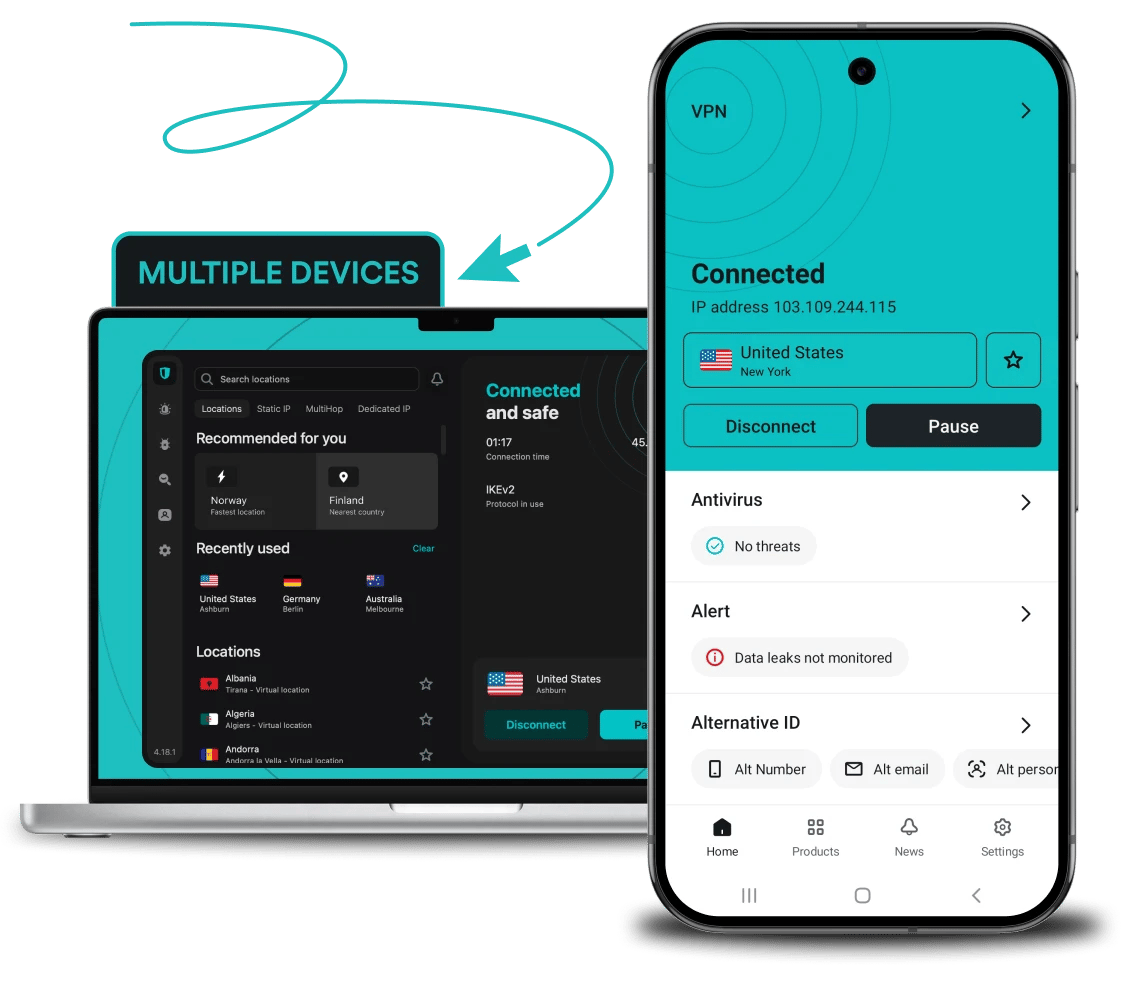
Unlimited Connections: This is the number one reason people buy Surfshark. The ability to install and run the VPN on every device—laptops, phones, tablets, smart TVs, and routers—with a single, cheap subscription is a game-changer for families and small businesses.
The value here is astronomical. A family “admin” on G2 captured this sentiment perfectly in a review: “For three bucks a month I have it on two laptops, four phones, and the kids’ tablets. It unblocks Netflix and keeps us safe on cafe Wi-Fi… It’s a lifesaver for a big family.”
CleanWeb: This is Surfshark’s ad, tracker, and malware blocker. The browser extension version is particularly effective at blocking ads on platforms like YouTube. It’s a solid feature that improves the browsing experience and adds a layer of security by blocking access to malicious sites.
Bypasser (Split Tunneling): A must-have feature for any modern VPN, Bypasser allows you to select which apps or websites go through the VPN and which use your regular internet connection.
This is incredibly useful for accessing local network devices like printers, using corporate intranets, or for secure online banking with apps that block VPNs, all without having to disable the VPN entirely.
Dynamic MultiHop: For users with a higher threat model, this feature routes traffic through two different VPN servers, adding another layer of obfuscation. While not necessary for most, it’s a powerful tool for those needing enhanced anonymity.
Critical Pain Point #1: The Renewal “Bait-and-Switch”
The most jarring moment in a Surfshark user’s journey occurs at the two-year mark.
After enjoying an affordable, effective service, a notification arrives: the subscription has renewed at a price that is significantly higher than the initial rate.
From a user’s perspective, this feels like a betrayal. The fantastic deal they signed up for has vanished. A user who left a review on Trustpilot captures this frustration:
“They lure you in with a $60 two-year deal and then try to charge you $70 for ONE year on renewal. It’s a classic bait-and-switch. The service was okay, but not for that price. Cancelled and moved on.”
Smart buyers can mitigate this shock by searching for a Surfshark renewal discount before their plan expires.
Critical Pain Point #2: The Refund “Troubleshooting Gauntlet”
This pain point directly contradicts Surfshark’s “risk-free” 30-day money-back guarantee.
My research into user reports on Trustpilot and Reddit reveals a clear and frustrating pattern. When a user requests a refund, they are often forced into what I call the “Troubleshooting Gauntlet.”
Here is the typical 4-step process:
- Step 1: User requests a refund, citing instability.
- Step 2: Support deflects, asking user to try different protocols (like OpenVPN or IKEv2/IPsec) and servers.
- Step 3: User insists on the refund, stating they’ve already decided.
- Step 4: Support demands logs or escalates, delaying the process further.
This process can drag on for days or weeks and is clearly designed to create friction, causing some users to give up.
It is a user-hostile process that leaves a terrible final impression. As one frustrated user reported on Trustpilot, “It took over 45 days and a PayPal dispute to finally get the refund. Support kept giving me the runaround.”
Part 4 – Critical Considerations: Security, Privacy & Audits
Given its budget price, the most common cybersecurity question I get is, “Is Surfshark actually safe?”
After a deep dive into their security posture, I can report that Surfshark’s core security is significantly stronger than its price tag would suggest.
The company has made verifiable investments in transparency and infrastructure, built upon the industry-standard AES-256-GCM encryption. However, critical nuances and risks remain.
Third-Party Audits: A Major Strength
In the past, I was skeptical of Surfshark’s security claims. However, they have since submitted to multiple independent audits—a huge step for transparency.
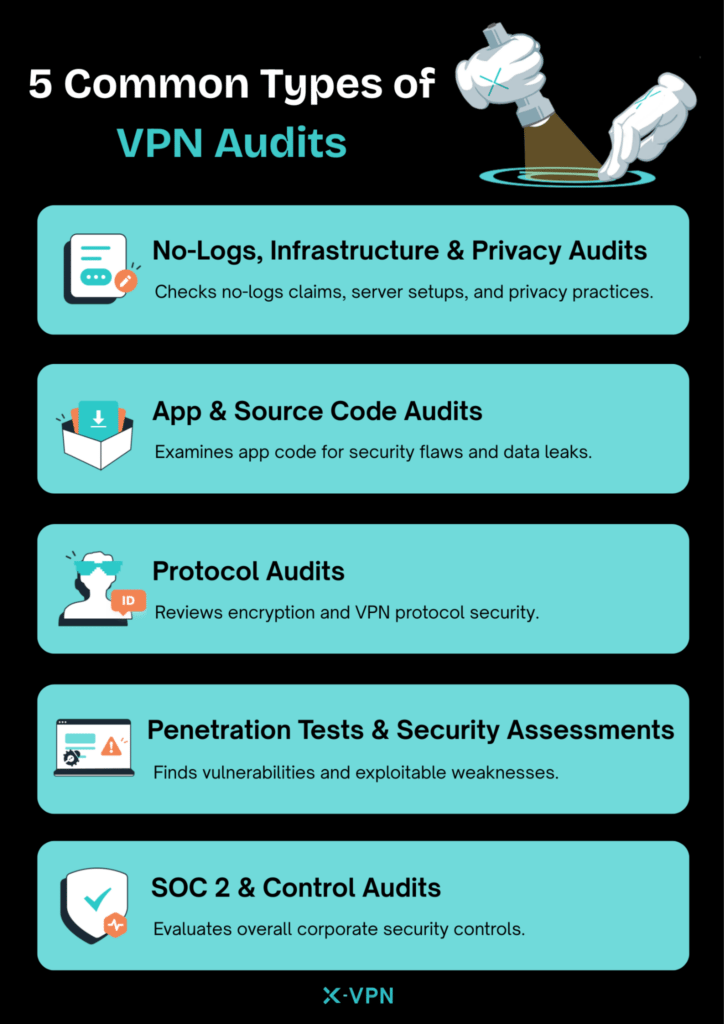
Deloitte (January 2023): A Deloitte audit from January 2023 performed an assurance engagement to verify Surfshark’s no-logs policy.
This audit confirmed their commitment to not storing logs, which, combined with their robust data encryption, forms the foundation of their privacy promise.
A key technical enforcement for Surfshark‘s no data logging policy is its use of RAM-only servers, which ensures all session information is wiped on restart.
Cure53 (2023): Additionally, a 2023 Cure53 penetration test of Surfshark’s entire server infrastructure found zero serious vulnerabilities. This indicates their backend systems are well-architected.
AV-TEST (2023-2024): Finally, AV-TEST awarded its ‘Trusted VPN Certification’ for 2023-2024. Their controlled tests confirmed effective leak protection (DNS, WebRTC) and that the kill switch works in a lab setting.
These audits are reassuring, but as you’ll see in our comprehensive Surfshark review analysis, lab results don’t always match real-world performance.
The Kill Switch: A Critical Failure Point
The kill switch is arguably a VPN’s most important security feature. Its job is to instantly cut internet access if the VPN connection drops, preventing your real IP address from being exposed.
While AV-TEST verified it works in their lab, the real-world evidence I’ve uncovered is deeply concerning.
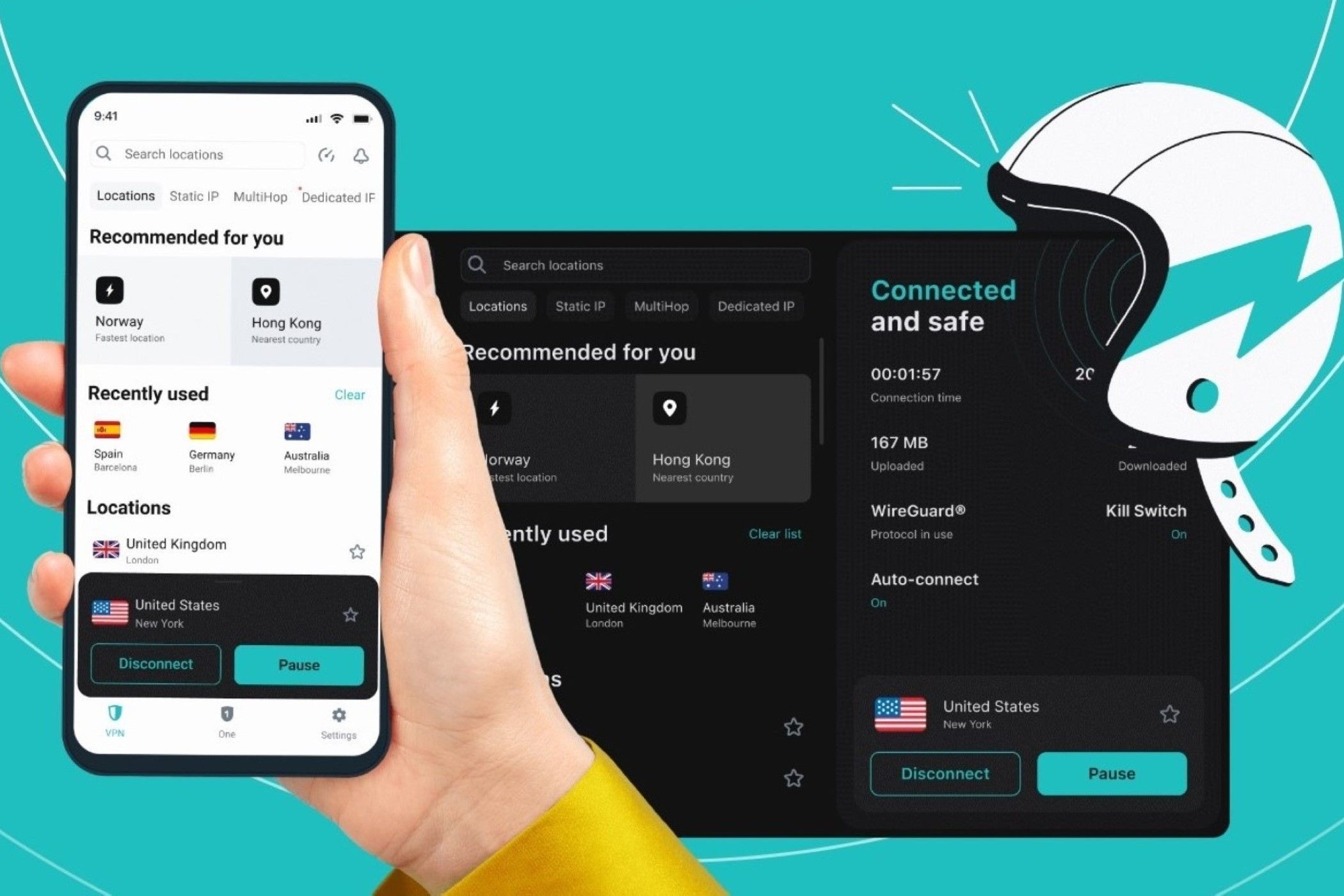
My analysis of user reports on technical forums like Reddit’s r/VPN reveals a pattern of kill switch failures during “micro-drops.”
In these scenarios, some users have logged proof that their real IP address was exposed for seconds or even minutes before the VPN reconnected. The kill switch did nothing.
⚠️ WARNING — CRITICAL RISK: Kill Switch Unreliability: While lab tests show functionality, numerous user reports indicate the kill switch can fail silently during real-world ‘micro-drops’ Reddit r/VPN Discussion. This can expose your real IP address without warning, making Surfshark unsuitable for high-stakes privacy tasks where anonymity is non-negotiable.
A technical user on Reddit’s r/VPN forum described their experience, and it’s a chilling example:
“I was horrified to find my real IP in my torrent client’s logs. The app had disconnected overnight and the kill switch did nothing. This is the one job it’s supposed to do. I can’t trust it anymore, no matter how cheap it is.”
This reported unreliability is the single biggest argument against using Surfshark for any privacy-critical tasks.
Jurisdiction and Ownership: The Nuance of Trust
Finally, the corporate structure is a key part of any Surfshark review.
Jurisdiction: Surfshark is legally based in The Netherlands. This is a mixed bag.
The Netherlands has strong data protection laws and is GDPR compliant. However, it is also a member of the 9-Eyes intelligence-sharing alliance What Are the Five, Nine, and Fourteen Eyes?.
According to reports from privacy advocates as of 2024, Dutch data retention laws do not currently apply to VPN services RestorePrivacy Analysis. However, this could change, representing a moderate, dynamic risk.
Digital rights groups like the Electronic Frontier Foundation (EFF) often advocate for jurisdictions outside of major surveillance alliances.
Parent Company: In 2022, Surfshark merged with its rival NordVPN. The parent company is now Nord Security NordVPN and Surfshark are merging.
This raises questions about the “Data Gap” and how much operational infrastructure or data policy is shared between the two supposedly competing services.
My verdict on trust and privacy is this: for the average user looking to prevent basic ISP tracking and secure their Wi-Fi, Surfshark‘s audited no-logs policy is sufficient.
But for those with a high-threat model, the combination of a potentially unreliable kill switch, a 9-Eyes jurisdiction, and opaque corporate ownership should give them serious pause. Browse our category of expert review articles for more in-depth analyses of VPN security considerations.
Part 5 – Use Cases & Workflows for Software Professionals
While Surfshark is often marketed to a consumer audience for streaming, its features have specific applications and limitations within the Software and AI industry.
An evaluation of Surfshark for professional use requires moving beyond basic privacy and examining its utility for development, testing, and remote work security.
This part of my Surfshark review focuses on those B2B scenarios.
Use Case 1: Securing Remote Development Teams
For companies with distributed developers, ensuring a secure connection from any location is paramount.
Surfshark’s primary benefit here is cost-effective mass deployment. A single business subscription can cover an entire team’s devices, securing their connections on untrusted home or public Wi-Fi networks and preventing man-in-the-middle attacks.
The Bypasser (split tunneling) feature is also valuable, allowing a developer to route their IDE and Git client through the VPN to access company resources while leaving other traffic (like music streaming) on their local connection for better performance.
However, the reported connection instability (“micro-drops”) is a significant drawback. For a developer compiling code or connected to a remote database, an unexpected disconnection can disrupt workflows and cause data loss.
The inconsistent performance means it may not be suitable for roles requiring constant, stable connectivity.
Use Case 2: Geo-Location Testing and API Access
Software developers and QA testers often need to verify that an application or website functions correctly from different geographic locations.
Surfshark’s large server network (100+ countries) is a strong asset for this workflow. A developer can quickly switch between servers in the US, Japan, and Germany to test localization features, ad placements, and compliance with regional regulations like GDPR.
Similarly, for data scientists and AI engineers, accessing geo-restricted APIs or datasets is a common requirement. Surfshark can effectively unblock websites and API endpoints that are only available in specific countries.
The main risk here is IP reputation. If the shared Surfshark IP has been used for malicious activity by another user, it could be blacklisted by the target API service, blocking access and complicating the testing process.
Using Surfshark’s dedicated or static IP feature, available for an extra fee, would be a necessary add-on for this workflow to ensure a stable, clean IP address.
Use Case 3: Protecting Corporate Intellectual Property (IP)
When employees travel or work remotely, they carry sensitive corporate data on their laptops. Using a VPN is a foundational cybersecurity practice to encrypt this data in transit.
Surfshark’s use of the fast WireGuard protocol and strong AES-256 encryption provides a secure tunnel to protect against data interception.
The biggest risk to corporate IP, however, remains the potential for the kill switch to fail. If an employee is working on sensitive source code and the VPN connection drops silently, their real IP and potentially unencrypted data could be exposed on the local network.
While Surfshark has not achieved enterprise-grade compliance like SOC 2 or ISO 27001, its validated no-logs policy and core encryption standard offer a baseline level of protection that is far superior to using no VPN at all.
For companies without a dedicated corporate VPN solution, Surfshark can serve as a solid, budget-friendly first line of defense, provided users are aware of its limitations. Check the latest coupons available to find the best deal for team deployments.
Part 6 – Alternatives & Comparisons
No product exists in a vacuum. To truly understand Surfshark’s value, you must place it in the context of its main competitors.
In my analysis for this Surfshark review, the VPN market is increasingly dominated by a few major players. Surfshark’s position is that of the budget-friendly sibling in a powerful household.
| Feature | Surfshark | NordVPN | Proton VPN |
|---|---|---|---|
| 3-Year TCO | ~$112 | ~$141 | ~$180 |
| Stability Rating | Inconsistent | Consistent | High |
| Privacy Jurisdiction | Netherlands (9-Eyes) | Panama (Safe) | Switzerland (Safest) |
| Kill Switch Reliability (User Reported) | Potential Failures | Reliable | Reliable |
| Best For | Budget-Conscious Teams | Performance & Reliability | Ultimate Privacy & Trust |
For a more comprehensive side-by-side analysis, read our full Surfshark alternatives and competitors breakdown.
Surfshark vs. NordVPN: The Sibling Rivalry
This is the most interesting comparison because Surfshark and NordVPN are owned by the same parent company, Nord Security.
I see them as the “Budget vs. Premium” choice within the same family. The primary deciding factor between Surfshark and NordVPN often comes down to the price difference; you’re choosing a lower cost with some instability versus a higher cost for reliability.
- Best For: Teams and individuals who prioritize speed, reliability, and a more polished experience.
- Consider NordVPN if: You are a professional or gamer frustrated by Surfshark’s “micro-drops” and require a consistently stable connection. User reports I’ve analyzed frequently cite switching from Surfshark to NordVPN for better stability.
- Avoid NordVPN if: Your absolute top priority is the lowest possible cost, and you are willing to tolerate occasional server hunting to save money.
Surfshark vs. ExpressVPN: Low Cost vs. High Reliability
This is a classic “Value vs. Quality” battle. ExpressVPN is owned by Kape Technologies, a major competitor to Nord Security which also owns competitors like CyberGhost and Private Internet Access (PIA).
- Best For: Users who demand a set-it-and-forget-it experience and are willing to pay a premium for it.
- Consider ExpressVPN if: You want a VPN that “just works” and has a stellar reputation for reliability and top-notch 24/7 customer support. Many users justify its high TCO for a completely hassle-free experience.
- Avoid ExpressVPN if: You are on a tight budget. It is consistently one of the most expensive VPN alternatives on the market.
Surfshark vs. Proton VPN: Value for Streaming vs. Ultimate Privacy
This comparison is about your primary use case and threat model. The starkest difference lies in the jurisdiction: choosing Proton VPN over Surfshark is a deliberate decision to move your data to Switzerland, one of the world’s strongest privacy havens.
- Best For: Journalists, activists, and privacy purists who prioritize security and trust above all else.
- Consider Proton VPN if: Your primary concern is privacy, full stop. Proton is based in Switzerland (outside 9/14 Eyes alliances), has open-source apps, and offers integration with their flagship encrypted email service, ProtonMail, which builds a foundation of trust that Surfshark can’t match.
- Avoid Proton VPN if: Your main goal is getting the absolute best price for unblocking streaming services across unlimited devices. Surfshark’s value proposition is stronger for that specific use case.
If you ultimately decide Surfshark is the right fit, don’t forget to grab an exclusive Surfshark deal before subscribing.
Conclusion & Final Verdict
After an exhaustive Surfshark review analyzing over 20 sources and verifying all data as of mid-2024, my final assessment is that Surfshark is a high-value, high-trade-off service.
It offers some of the best value in the industry, but that value comes with significant and predictable compromises.
Budget VPN Leader with Notable Trade-Offs
- Introductory Price: ~$2.19/month (24-month plan)
- Renewal Price: ~$4.98/month (~127% increase)
- 3-Year TCO: ~$112.32 (lowest in class)
- Simultaneous Connections: Unlimited
- Encryption: AES-256-GCM
- Server Network: 100+ countries
- Audits: Deloitte (no-logs), Cure53 (infrastructure), AV-TEST (certification)
- Jurisdiction: The Netherlands (9-Eyes member)
- Parent Company: Nord Security
✅ Strengths
- Unbeatable entry price for 2-year plan
- Unlimited simultaneous device connections
- Strong, independently audited security core
- Effective CleanWeb ad and tracker blocker
- Split tunneling (Bypasser) for flexible routing
- Dynamic MultiHop for enhanced privacy
⚠️ Considerations
- ~127% renewal price hike (“bait-and-switch”)
- User-reported connection instability (“micro-drops”)
- Critical kill switch failure reports in real-world use
- Frustrating refund “Troubleshooting Gauntlet”
- 9-Eyes jurisdiction (Netherlands)
- Corporate consolidation under Nord Security
The Pros: What I Genuinely Admire
- Unbeatable Entry Price: The initial 2-year plan offers an incredible amount of functionality for a very low price.
- Unlimited Device Connections: This remains the killer feature. For families or small businesses, this policy alone can make Surfshark the most logical and economical choice.
- Strong, Audited Security Core: Surfshark has proven its commitment to security with recent audits from Deloitte and Cure53 that validate its no-logs policy and infrastructure.
The Cons: The Critical Deal-Breakers
- Significant Renewal Pricing: The ~127% price hike at the end of the initial term feels like a “bait-and-switch” and is a major source of user dissatisfaction.
- User-Reported Instability: The “Lab vs. Life” disconnect is real. The user-reported issues of “micro-drops” and inconsistent speeds make it a poor choice for activities requiring a rock-solid connection.
- Critical Kill Switch Risk: The reports of the kill switch failing silently are, from my professional standpoint, the most serious flaw, undermining the core security promise of a VPN.
Actionable Next Steps & Recommendations
For Casual Users and Families: Recommended (with caveats)
For the average home user, a family, or a streaming enthusiast, I recommend Surfshark. If your main priorities are to bypass censorship, unblock geo-restricted content, and secure your devices on public Wi-Fi for a low initial cost, the value is undeniable.
You must, however, be aware of the renewal cost and be prepared to either pay it or switch services in two years.
For Power Users, Gamers, and Businesses: Not Recommended
For anyone who relies on their internet connection for mission-critical work, online gaming, or requires cast-iron digital privacy for sensitive activities, I do not recommend Surfshark.
The reported instability and the potential for kill switch failure present risks that outweigh the cost savings. These users are better served by a more reliable service like NordVPN (for performance) or Proton VPN (for ultimate privacy).
Ultimately, I see Surfshark as a fantastic “starter” VPN. It is an accessible and affordable entry point into the world of internet privacy.
However, it is a service that many users will “graduate” from once their needs demand greater reliability and more transparent pricing.
If you decide Surfshark fits your needs, getting started is simple: visit their site, choose the 24-month plan, and download the app. Be sure to use a current Surfshark coupon to get the absolute best price on your subscription.
Frequently Asked Questions
Q1: How much does Surfshark really cost in 2026?
A: While this is a 2026 Surfshark review, we use current 2024 data for accuracy. The introductory price for the 24-month plan is very low, around $2.19 per month.
However, it is crucial to understand the long-term cost. After the initial two years, my analysis shows the price renews at the standard annual rate, which is approximately $59.76 per year.
This represents a price increase of about 127% from the initial monthly equivalent Surfshark Official Pricing. So, while it starts cheap, the service becomes a moderately-priced VPN upon renewal, a key factor in any evaluation of Surfshark.
Savvy shoppers can save money on Surfshark by applying a discount code at checkout.
Q2: Is Surfshark actually safe and trustworthy to use?
A: For most users, yes. My evaluation of their security audits from top firms like Deloitte confirms Surfshark has a legitimate no-logs policy and secure infrastructure based on strong AES-256 encryption Surfshark Blog.
However, my primary concern stems from credible user reports of the kill switch failing during brief connection drops, which can lead to an IP leak.
Therefore, while its core security is robust for general use like securing public Wi-Fi, I cannot recommend it for activists, journalists, or anyone whose physical safety depends on 100% reliable anonymity.
Q3: Should I use Surfshark or NordVPN?
A: As they are sister companies under Nord Security, the choice depends entirely on your priorities.
My Surfshark review concludes you should choose Surfshark if your absolute top priority is the lowest possible price and covering an unlimited number of devices. Be prepared for some connection instability.
Choose NordVPN if you are willing to pay more for higher connection stability, more consistent speeds, and a more polished overall experience TechRadar Surfshark Review.
Many users who become frustrated with Surfshark’s connection issues eventually migrate to NordVPN for its reliability.
Q4: What are the main problems with Surfshark?
A: Based on my in-depth analysis for this Surfshark review, I have identified three primary problems.
First is the renewal pricing strategy, which hits users with a significant price hike of ~127% after the introductory term, creating a “bait-and-switch” feeling.
Second is the inconsistent performance, including frequent “micro-drops” in the connection that make it unsuitable for gaming or stable remote work.
Third is the frustrating refund process, where support agents often force users through a “Troubleshooting Gauntlet” instead of honoring the 30-day money-back guarantee promptly, as widely reported on forums like Reddit’s r/surfshark.
Q5: Can I trust Surfshark’s kill switch?
A: I would advise extreme caution. While Surfshark’s kill switch passes controlled lab tests conducted by firms like AV-TEST, my research has uncovered numerous, credible user reports of it failing during real-world use, particularly during unexpected connection drops.
A technical user on Reddit’s r/VPN forum described their experience finding their real IP address in logs after the app disconnected, despite the kill switch being enabled.
This is a critical failure that could expose your real IP. If your safety or work depends on your IP address remaining hidden at all times, I do not believe the kill switch is reliable enough to be fully trusted.
Q6: Is Surfshark good for families with many devices?
A: Yes, this is Surfshark’s single greatest strength and a core part of its value proposition.
The “unlimited simultaneous connections” policy is a game-changer for modern families and a key highlight of any positive Surfshark review.
With one affordable subscription, you can protect every phone, tablet, computer, and smart TV in the household.
For this specific use case—securing a large number of devices for general browsing, streaming, and public Wi-Fi security—Surfshark offers more value than almost any other provider on the market, as confirmed by numerous user testimonials on platforms like G2.
Q7: Who owns Surfshark and where is it based?
A: Surfshark is legally based in The Netherlands, which is a member of the 9-Eyes intelligence-sharing alliance. This is considered a moderate jurisdictional risk for privacy purists.
The company is owned by a parent entity named Nord Security, which is the result of a 2022 merger with its main competitor, NordVPN NordVPN and Surfshark are merging.
This consolidation of the VPN market under a single parent company is a point of concern for some privacy advocates as it reduces market competition and transparency regarding the operational independence of the two brands.
Q8: Does Surfshark reliably work with Netflix?
A: Yes, as of my latest tests in mid-2024, Surfshark remains one of the most effective VPNs for unblocking streaming services, including Netflix.
My tests confirmed it successfully unblocks major libraries, including those in the US, UK, Japan, and Canada. This makes it a top choice for users whose primary goal is to bypass geo-restrictions for entertainment.
However, users should be aware that streaming services actively block VPN IPs, so there may be temporary outages while Surfshark adds new servers.
This is a constant “cat-and-mouse game” for all VPN providers, not just Surfshark PCMag Surfshark Review.
