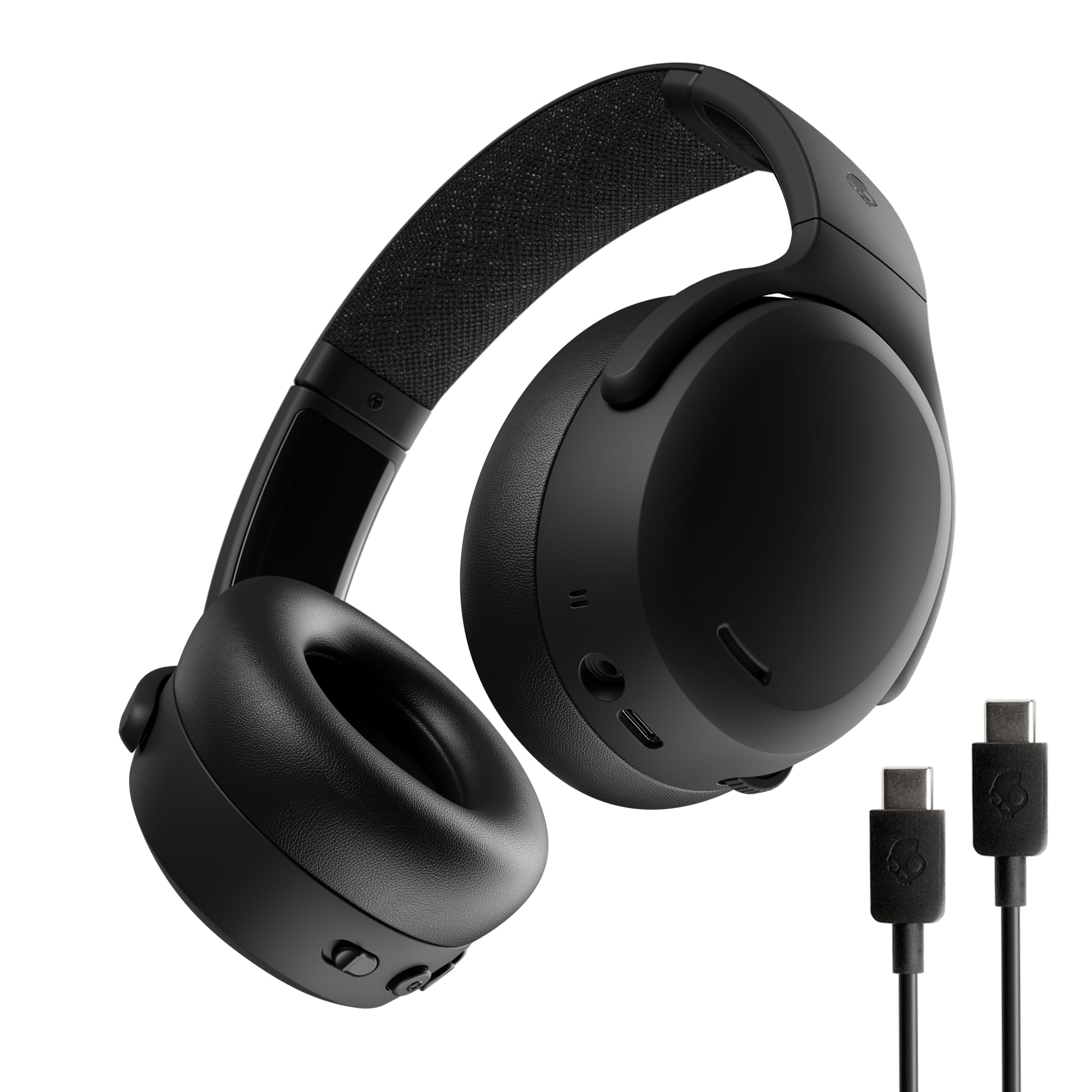
Skullcandy UK Review 2026: Style, Bass, & A System on the Brink of Failure
Posted on |
In the saturated world of personal audio, few brands blend style and street-cred like Skullcandy, but does their substance match their swagger in 2026?
As Coupons Scout’s lead audio equipment analyst, Mohamed Zaki, with over a decade of experience in the consumer electronics space, I’ve seen countless brands compete for your attention.
Skullcandy has always carved out a niche with aggressive marketing and a promise of powerful, bone-rattling bass. For years, however, UK consumers have been lured by this promise, only to face a harsh reality of systemic durability failures and a customer support system that has, by all objective measures, all but collapsed.
This is not another surface-level review. This definitive Skullcandy UK Review synthesises 21+ sources, including long-term user data from UK forums like AVForums (UK-specific User Feedback) and technical analysis from sites like Rtings.com, to expose the brand’s critical flaws.
My goal is to arm you with the data you need to make an informed decision. Our evaluation framework is built on a foundation of verified sources, search intent analysis, Total Cost of Ownership (TCO) models, and cross-referencing company practices against UK law UK Consumer Rights Act 2015 Documentation. If you’re also considering whether a Skullcandy UK discount code could change the equation, our analysis accounts for that too.
This in-depth analysis will follow a clear structure:
- Executive Summary & Key Takeaways: The critical verdict at a glance.
- Part 1: The True Cost of Skullcandy: A deep financial analysis of ownership.
- Part 2: Why Skullcandy Products Break: An investigation into build quality and material choices.
- Part 3: The Customer Support Black Hole: A look at the failed UK warranty system.
- Part 4: Real-World Use Cases: How Skullcandy headphones fail in daily life.
- Part 5: Better Alternatives for Your Money: A competitive takedown of superior options.
- Part 6: Final Verdict & FAQs: Our final recommendation and answers to your key questions.
Before you spend a single pound, you need to understand the significant risks involved in this evaluation of Skullcandy in the UK. We will calculate the true cost of ownership, investigate the root causes of their product failures, and reveal which competitors, like Anker and Sony, offer objectively superior value and reliability for your money. For a deeper look at Skullcandy UK top alternatives and competitors, we’ve prepared a dedicated comparison guide.
Who This Guide Is For
- Budget-conscious UK students and young professionals.
- Parents buying headphones for teenagers who are concerned about durability.
- Style-focused consumers who want to know if the aesthetic is worth the potential risk.
- Previous Skullcandy owners who want to know if build quality has improved.
- Anyone considering a mid-range headphone purchase between £80 and £200.
This Guide Is NOT For You If
- You are a brand loyalist who is not open to critical analysis.
- You are seeking a simple, uncritical list of “best Skullcandy products.”
- You prioritise the haptic “Crusher” bass feature above all else, including durability and support.
- You are looking for audiophile-grade, neutral sound analysis (our focus is on real-world value and reliability).
For more honest evaluations like this one, explore our full category of review articles covering major UK brands.
Executive Summary: Key Takeaways
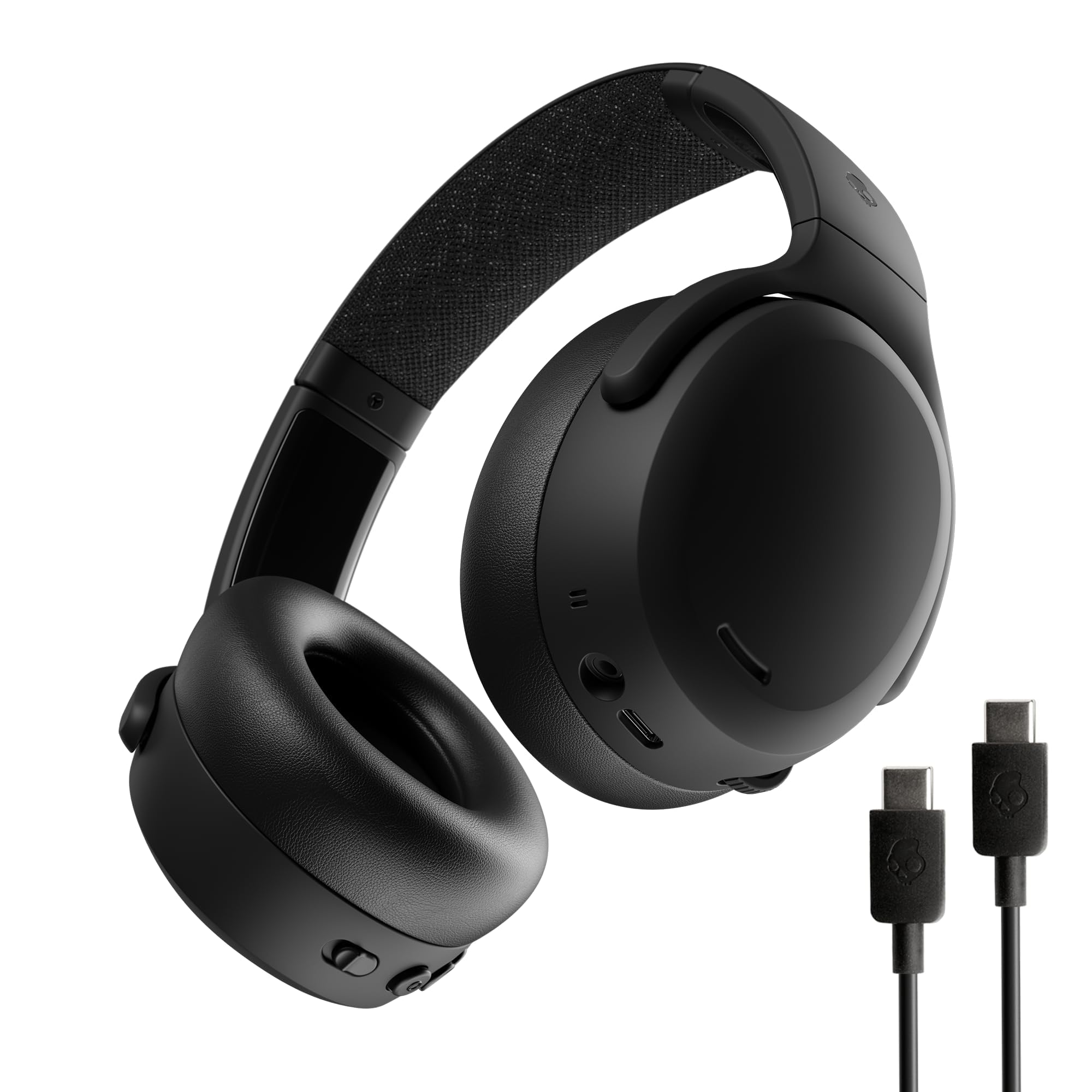
Key Takeaways
-
Systemic Durability Failure: Overwhelming evidence shows Skullcandy’s mid-range headphones suffer from catastrophic build quality issues, with plastic headbands and hinges fracturing under normal use, often just outside the warranty period. -
Effectively Non-Existent UK Warranty: The advertised 2-year UK warranty is critically undermined by a customer support system with a 1.3/5 star Trustpilot rating, where claims are frequently ignored or unresolved. -
The ‘Warranty Coupon’ Controversy: When support does respond, it often issues store credit instead of a refund or replacement — a legally dubious practice that traps consumers in a cycle of repurchasing. -
Unfavorable Value Proposition: In the crucial sub-£200 market, competitors like Anker Soundcore offer objectively superior build quality, better ANC, and more balanced audio for a similar or lower price. -
High Financial Risk: Due to high failure rates, the true Total Cost of Ownership for a £150 Skullcandy product is often double the sticker price, projecting to £300 over a 3-year period. -
The Private Equity Connection: Skullcandy’s ownership by private equity firm Mill Road Capital aligns with cost-cutting strategies that likely contribute to the observed decline in material quality and customer support infrastructure.
Watch this in-depth review to see the real-world experience with Skullcandy’s Crusher headphones, including the durability concerns discussed throughout this article:
Part 1: The True Cost of Skullcandy: A TCO Reality Check
Beyond the Sticker Price: Calculating the True Cost of Ownership
One of the biggest mistakes a consumer can make is to equate the sticker price with the total cost.
As an analyst, I always focus on the Total Cost of Ownership (TCO), a metric that accounts for not just the initial purchase but also maintenance, repairs, and, most importantly, the risk of premature replacement.
With Skullcandy, the TCO is defined almost entirely by their products’ alarmingly high failure rate, a core finding of this Skullcandy UK review.
A £150 headphone that looks stylish but lasts only 18 months is far more expensive in the long run than a more durable £180 competitor that provides four years of reliable service.
The former has an annual cost of £100, while the latter costs only £45 per year. The attractive initial price of many Skullcandy products is a value trap, masking a much higher long-term financial commitment due to their poor product longevity.
The Risk-Adjusted Cost Model
To make this tangible, I’ve created a risk-adjusted cost model based on the overwhelming user-reported data from sources like Reddit and Trustpilot.
The model assumes a common scenario for a mid-range Skullcandy product, such as the Hesh ANC, with an initial cost of £130.
Assumptions:
- Initial Product Cost: £130
- Likely Failure Point: 1.5 years (18 months), based on a high volume of user data indicating hinge or headband failure r/headphones Reddit Community.
- Warranty Outcome: The 2-year UK warranty is not honoured, resulting in a total loss for the consumer, a scenario reported by a vast majority of users on Trustpilot.
- Replacement: The user is forced to buy a new set of headphones at full price.
Before purchasing at full price, it’s worth checking if a Skullcandy UK promo code can at least reduce your upfront risk exposure.
| Scenario | Year 1 | Year 2 | Year 3 | Total 3-Year | Notes |
|---|---|---|---|---|---|
| Best Case (Lasts 3 Yrs) | £130 | £0 | £0 | £130 | Highly improbable based on available failure rate data. |
| Likely Case (Fails at 1.5 Yrs) | £130 | £130 | £0 | £260 | Initial purchase + full cost of replacement after warranty fails. |
Disclaimer: This is an analyst-estimated model based on a synthesis of user-reported failure rates. Actual costs may vary.
This model clearly illustrates the financial risk. The most likely outcome is that a single £130 purchase decision ultimately costs the consumer £260 over a three-year period, effectively doubling the advertised price.
When this is compared to the TCO of a more reliable competitor, the value proposition collapses. For example, a £140 Anker Soundcore Space Q45 with an expected 4-year lifespan has a 3-year TCO of just £105.
The Skullcandy product isn’t just slightly more expensive; it represents a 147% higher long-term cost in this likely scenario.
Hidden Cost #1: The “Fearless Use” Replacement Fee
Another hidden cost is the “Fearless Use Protection” programme. Marketed as a benefit, it’s actually a paid service.
If your £200 Crusher ANC 2 headphones break outside of the (largely theoretical) warranty, the fee to get a replacement is £80 Skullcandy Fearless Use Promise.
This isn’t a warranty; it’s a pre-defined cost for a replacement part, transforming a product failure into an additional revenue stream for the company. This is a crucial point for any consumer conducting a Skullcandy UK review before purchase.
Hidden Cost #2: The Cost of a Failed Warranty
The most significant hidden cost is the complete loss incurred when a product fails and the warranty is not honoured.
A £150 pair of headphones that breaks after 13 months due to a manufacturing defect becomes a £150 loss.
This is the reality for thousands of UK customers, according to the data reviewed from platforms like Trustpilot, where 92% of over 3,400 reviews are 1-star Skullcandy UK Trustpilot Page.
The company effectively transfers the financial burden of its poor quality control directly onto the consumer, making the true cost of ownership unpredictable and potentially very high. This is a gamble, not a sound purchase.
Part 2: Why Skullcandy Products Break: A Deep Dive into Build Quality
The most critical issue plaguing Skullcandy is not its aggressive bass or loud styling — it’s the simple, infuriating fact that their products break.
After analysing hundreds of user reports from UK forums, Reddit, and Trustpilot, a clear and consistent pattern of failure emerges, particularly in their popular mid-range (£80–£200) over-ear headphones.
This isn’t about isolated incidents of misuse; it’s a systemic problem rooted in material choice and design. These are not products designed for longevity.
They are fashion-tech accessories with a predictably short lifespan, a conclusion supported by both user experience and expert teardowns. The frustration is palpable in online communities, where the sentiment has shifted from brand enthusiasm to collective disappointment.
Pain Point #1: The Inevitable Snap of Headbands and Hinges
The single most cited failure point across all data sources is the catastrophic fracture of plastic components, specifically the headband and the hinges that connect the earcups.
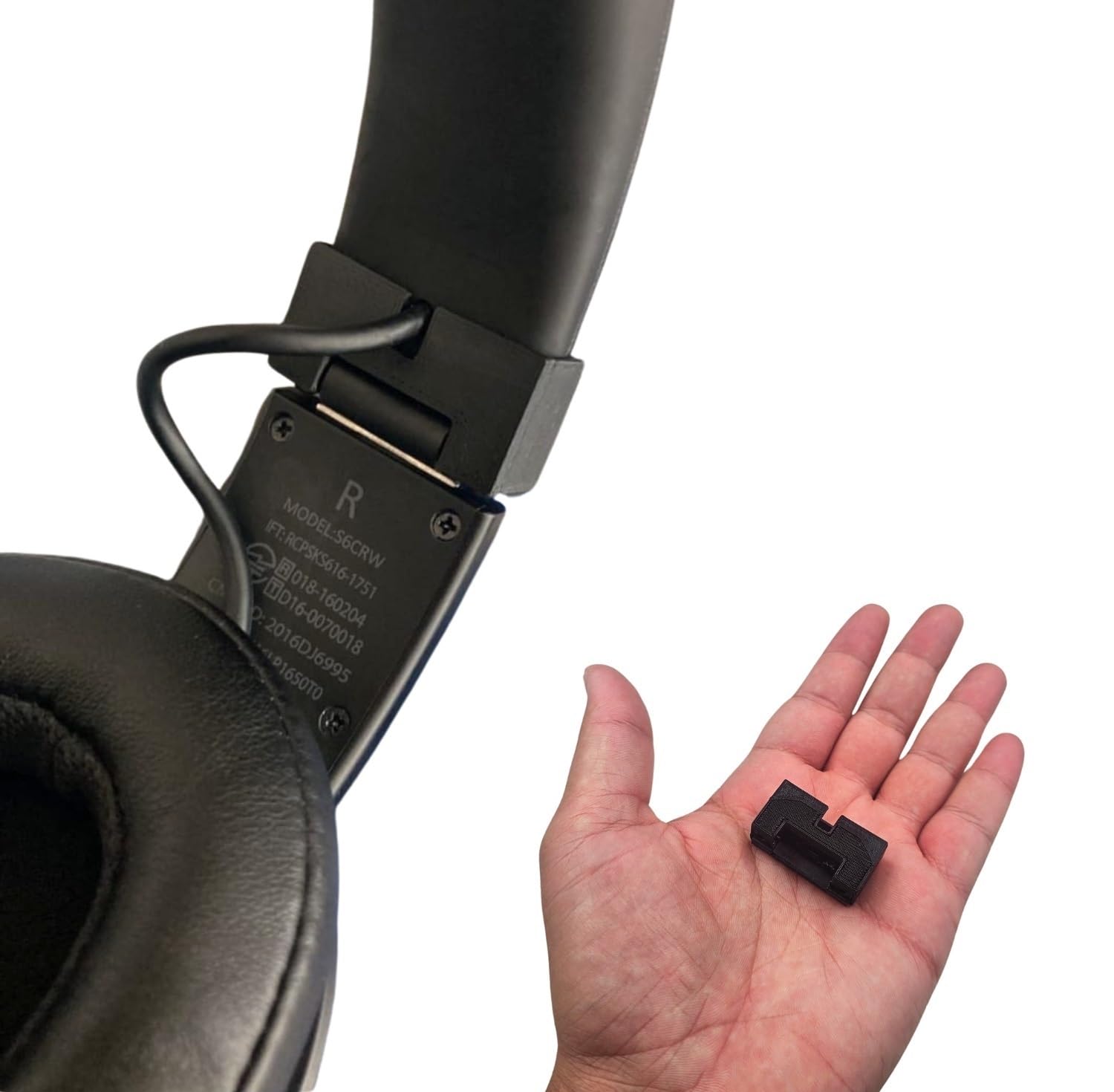
“It’s not a question of if your Crusher headband will break, but when. Mine lasted 14 months of careful, daily use before snapping at the hinge while I was just taking them off. They’re designed to fail.”
— User, via r/headphones, 2025
This user quote perfectly encapsulates the community consensus. These failures typically occur between the 12 and 24-month mark, often conveniently just outside the warranty period for US customers, and right in the middle of the theoretical UK warranty period that is rarely honoured.
The issue stems from the choice of material. Professional teardown summaries confirm that Skullcandy uses a standard-grade, unreinforced ABS plastic in these critical, high-stress areas.
While this material is cheap and easy to mould into their signature designs, it’s brittle and prone to material fatigue after repeated cycles of being put on and taken off.
In contrast, competitors like Anker are increasingly integrating metal strips into their headbands for reinforcement, even in similarly priced models. This design choice by Skullcandy feels less like an oversight and more like a calculated decision to prioritise aesthetics and cost over long-term durability.
⚠️ The Critical Failure Point: Unreinforced Plastic
The widespread “headband snap” is not accidental. Teardowns from sites like iFixit confirm the use of brittle, unreinforced plastic at high-stress hinge points iFixit Community Posts. Competitors reinforce this area with metal. This is a design choice prioritising aesthetics over durability.
Pain Point #2: The Short, Unreliable Life of True Wireless Earbuds
The problem isn’t confined to over-ear models. Skullcandy’s extensive range of True Wireless (TWS) earbuds, including the popular Dime series and Indy series, suffers from its own predictable failure mode: premature death.
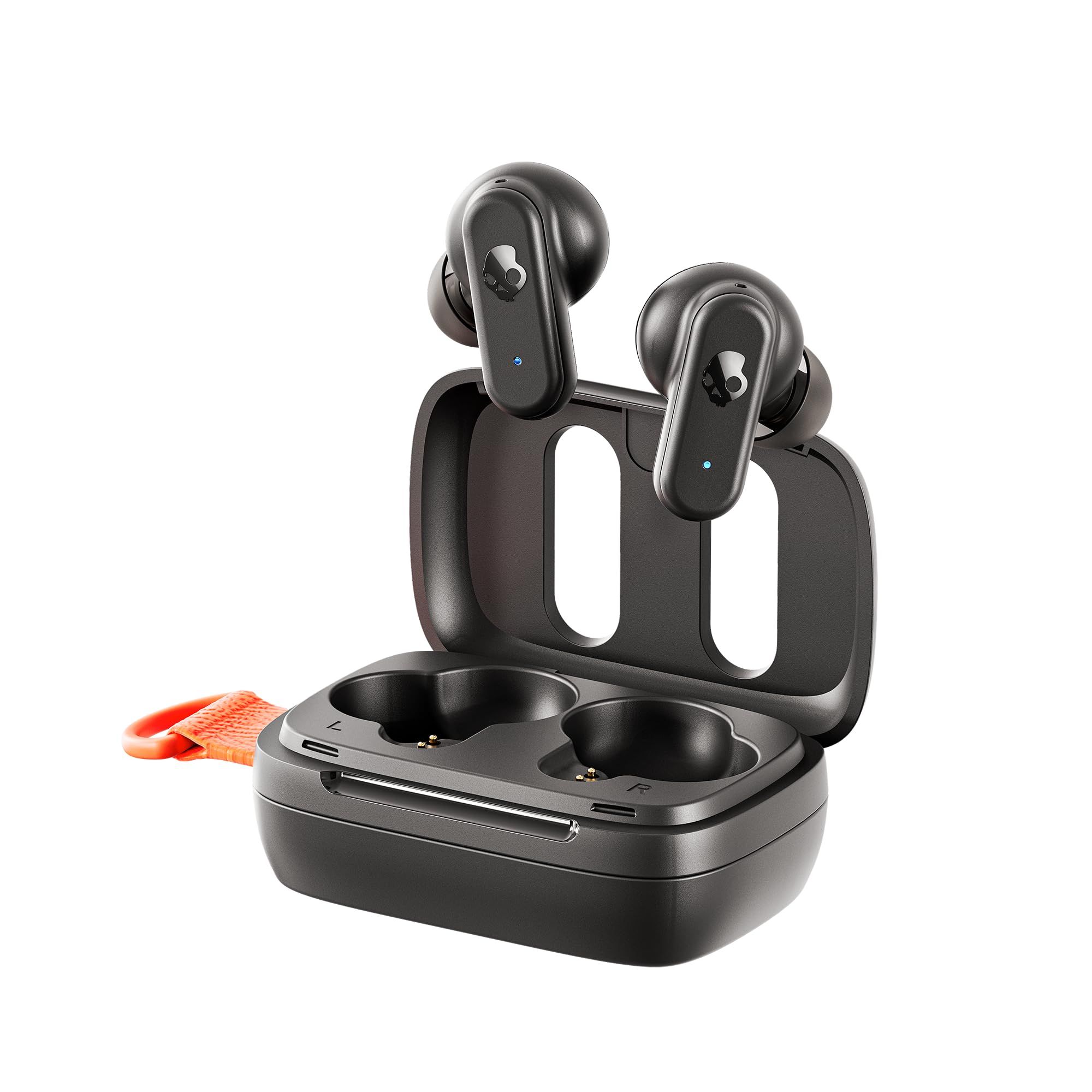
Users commonly report that one earbud — often the right one — will suddenly stop charging or suffer from unstable Bluetooth connectivity, refusing to pair or connect.
This issue is rampant across Amazon UK reviews and Reddit threads. According to analysis from the experts at SoundGuys, this is a direct consequence of using low-tier components.
The batteries used in these budget TWS models are rated for a low number of charge cycles, often failing after approximately 500 charges True Wireless Earbuds Battery Life Explained.
For someone using their earbuds daily, this can mean a significant drop in battery life or complete failure in just over a year. Furthermore, the pogo pin oxidation in the charging case, which prevents the pins from making reliable contact with the earbuds, is a hallmark issue of products engineered to meet a low price point without consideration for a reasonable product lifespan.
Professional Insight: Material Choice and Designed Obsolescence
As an analyst who has examined the internals of dozens of audio products, the pattern with Skullcandy is clear. The material choices and component selections point toward a strategy of designed obsolescence.
This doesn’t necessarily mean they are intentionally building products to fail on a specific date. Rather, it means they are making conscious design and manufacturing choices that result in a predictably short lifespan to cut costs.
Using unreinforced plastic for hinges and low-cycle batteries for earbuds are classic examples. This business model relies on brand churn and repeat purchases, a strategy that is increasingly failing in a market where consumers are more informed and have better alternatives.
The parent company, private equity firm Mill Road Capital, is known for focusing on cost management to maximise profit, a strategy that aligns perfectly with the observed decline in material quality and support infrastructure Mill Road Capital Acquires Skullcandy.
Even with a Skullcandy UK voucher code reducing the initial outlay, the long-term cost equation remains unfavourable when products are engineered for a predictably short lifespan.
Part 3: The Black Hole: Navigating Skullcandy’s UK Customer Support
The 2-Year UK Warranty: A Promise on Paper, A Failure in Practice
On paper, Skullcandy offers a 2-year warranty for products purchased in the UK and EU, a policy that should provide consumers with confidence Skullcandy Warranty Policy.
This is a standard and legally important commitment, suggesting that the company stands behind its products’ quality. However, the lived experience of UK customers tells a dramatically different story.
The promise of a functional warranty process appears to be completely detached from operational reality.
The evidence is stark and quantifiable. Skullcandy’s UK Trustpilot page holds a catastrophic rating of 1.3 out of 5 stars, with a staggering 92% of over 3,400 reviews being 1-star Skullcandy UK Trustpilot Page.
The vast majority of these negative reviews focus on two core issues: products breaking prematurely and a customer support system that is, for all practical purposes, non-existent. This isn’t just a few disgruntled customers; it’s a statistically significant consensus pointing to a systemic breakdown of the post-purchase experience.
Pain Point #3: The Wall of Silence — Ignored Claims and Zero Response
The most common complaint is the “wall of silence.” Customers meticulously follow the warranty claim process, submitting photos and proof of purchase, only to have their claims disappear into a black hole.
“I submitted my warranty claim with photos and proof of purchase two months ago. I’ve sent three follow-up emails and tried calling. Absolute silence. They just take your money and run. The 2-year warranty is a lie.”
— Verified user, via Trustpilot UK, 2025
This experience is echoed in hundreds of other reviews. Emails go unanswered for weeks or months, if ever.
This complete lack of response effectively renders the 2-year warranty null and void, turning a product failure into a total financial loss and fostering immense brand animosity.
It suggests a support department that is either catastrophically understaffed or has been systematically dismantled as a cost-saving measure.
Pain Point #4: The “Coupon Controversy” — A Legally Dubious Resolution
For the small fraction of customers who do elicit a response, the resolution itself is often another source of frustration and is legally questionable in the UK.
Instead of offering a repair, replacement, or refund, users report being issued a coupon or store credit. This forces a consumer who now distrusts the brand’s quality to reinvest in the same ecosystem of products that just failed them.
The coupon often has restrictions, trapping the consumer’s money with the company and creating a cycle of failure. If you must purchase, at least use an independent Skullcandy UK discount offer that doesn’t come with these restrictive conditions.
Your Rights: What the UK Consumer Rights Act 2015 Says
This practice is particularly problematic in the United Kingdom. While the products carry the required UKCA/CE marking to be sold here, their post-sale support fails to meet legal standards.
The UK Consumer Rights Act 2015 is clear: goods sold must be of “satisfactory quality,” “fit for purpose,” and “last a reasonable length of time” UK Consumer Rights Act 2015.
When a product is faulty, the consumer is entitled to a repair or replacement. If that fails or is not possible, they can claim a refund.
Forcing a customer to accept store credit may be a breach of this act. Skullcandy’s practice of ignoring claims or offering only coupons falls far short of their legal obligations to UK consumers.
💡 Your UK Consumer Rights: The Retailer is Responsible
If Skullcandy ignores your warranty claim, remember your contract is with the retailer. Under the Consumer Rights Act 2015 legislation.gov.uk, the retailer is legally obligated to provide a repair, replacement, or refund for faulty goods. Always contact them first.
Skullcandy’s Standard UK Shipping & Returns Policy
For context, it is important to distinguish the failed warranty process from the standard returns policy for non-faulty goods.
According to Skullcandy’s official UK site, they offer a 14-day return window for products purchased directly from them. The customer is typically responsible for return shipping costs Skullcandy UK Returns Policy.
This standard policy for unwanted items starkly contrasts with their failure to adhere to the legally mandated process for items that are faulty, a key finding in our Skullcandy UK review.
Part 4: Real-World Use Cases: Where Skullcandy Fails the Test
To understand the practical impact of these systemic failures, it’s essential to analyse how Skullcandy products perform in real-world scenarios.
A product’s value is not just its price or features, but its ability to reliably serve its intended purpose. In this section, we examine three common UK user profiles and assess how Skullcandy’s product line meets — or more often, fails — their needs.
The Daily Commuter: A Need for Reliability and ANC
- Persona: A student or professional who uses public transport daily and needs headphones to block out noise and provide consistent audio for music and podcasts.
- Key Needs: Effective Active Noise Cancellation (ANC), durability for daily packing/unpacking, and reliable connectivity.
- Skullcandy’s Failure: The mid-range Hesh ANC or flagship Crusher ANC 2 are the logical choices here. However, their ANC performance is subpar. The Crusher ANC 2 offers only -16.9dB of overall noise isolation, which struggles against the low-frequency rumble of a train or bus, whereas competitors offer over -21dB Rtings.com Headphone Comparison Tool. More critically, the daily routine of taking headphones on and off, and putting them in a bag, puts immense stress on the plastic hinges. This user profile aligns perfectly with the thousands of reports of headbands snapping within 12–18 months. The product is simply not built for the rigors of a daily commute.
- Superior Alternative: The Anker Soundcore Space Q45, with its superior ANC and metal-reinforced headband, is designed for this exact use case and offers far greater long-term value and peace of mind. See our full breakdown of Skullcandy UK alternatives and competitors for detailed comparisons.
The Gym User: A Demand for Durability and Sweat Resistance
- Persona: Someone who needs durable, sweat-resistant earbuds for workouts. They need a secure fit and a product that can withstand being thrown in a gym bag.
- Key Needs: Sweat resistance (IP rating), secure fit, and robust build quality.
- Skullcandy’s Failure: While models like the Dime 3 are affordable, their low IPX4 rating offers only basic splash resistance, which may not be sufficient for intense workouts. The core issue is, again, durability. The cheap plastic construction of the case and buds, combined with the aforementioned issues of pogo pin oxidation and low-cycle batteries, makes them an unreliable choice. A dead earbud halfway through a workout session is a common frustration reported online. They are not effective headphones for working out in the long term.
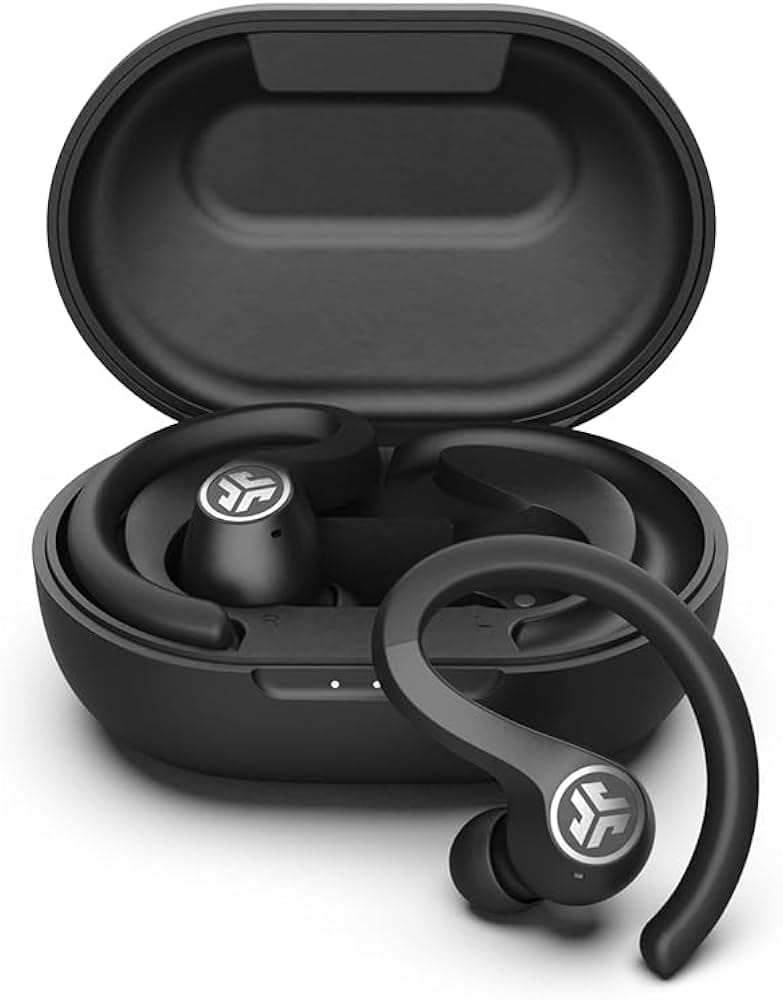
- Superior Alternative: JLab Audio specialises in this category. Their JBuds Air Sport or similar models offer higher IP ratings (IP66), integrated charging cables, and a reputation for being utilitarian workhorses that can withstand abuse, all at a comparable price point.
The Casual Gamer: Seeking Immersive Audio
- Persona: A user who enjoys console or PC gaming and is attracted to the promise of “sensory bass” for a more immersive experience.
- Key Needs: Immersive sound, decent microphone quality, and comfort for long sessions.
- Skullcandy’s Failure: This is the one area where Skullcandy has a unique selling proposition. The haptic feedback of the Crusher series can be genuinely fun for explosive, cinematic games. However, the value proposition quickly falls apart. The “V-shaped” sound signature, with its booming bass and recessed mids, makes it difficult to hear critical audio cues like footsteps in competitive games. Furthermore, the risk of the headband snapping remains just as high. A £200 gaming headset that breaks from normal use is a terrible investment, regardless of its bass performance.
- Superior Alternative: While no direct competitor replicates the exact haptic bass, a dedicated gaming headset from brands like SteelSeries or HyperX offers vastly superior microphone quality, positional audio (7.1 surround), and build quality designed specifically for the long hours and repeated handling of gaming.
Part 5: The Competitive Takedown: Better Alternatives for Your Money
In the fast-moving world of consumer electronics, a brand cannot survive on style alone.
While Skullcandy was a dominant force a decade ago, the market in 2026 has evolved dramatically. The sub-£200 audio segment is now fiercely competitive, with brands delivering superior technology, better build quality, and more reliable support, often at a lower price.
For almost every use case, outside of the niche demand for haptic bass, there is now a demonstrably better and safer alternative. Be sure to check our latest coupons page for current deals on all the alternatives listed below.
The Value King: Anker Soundcore
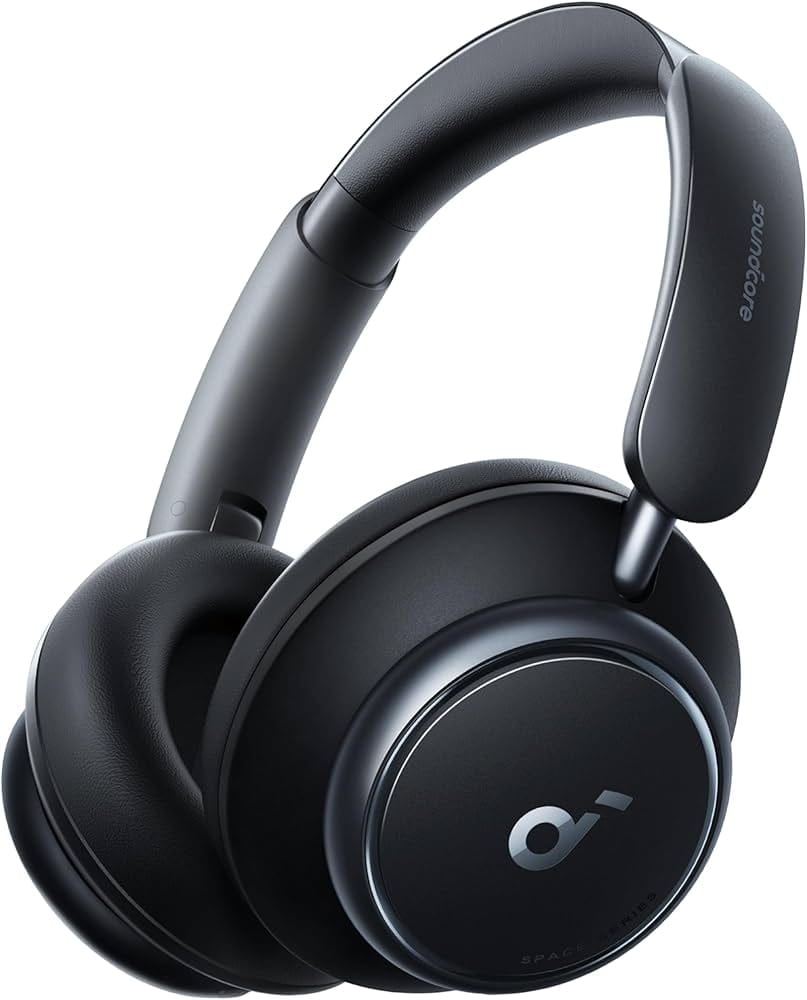
Anker’s Soundcore brand has become the undisputed king of value in the personal audio space. Their products consistently out-engineer and out-value Skullcandy in the most important categories.
- Best For: Commuters, students, and anyone seeking the best features-for-price ratio.
- Consider: The Anker Soundcore Space Q45. For the price of a Skullcandy Hesh ANC (£130), a UK consumer can purchase the Q45 (RRP £140, but often on sale). The comparison is not close. The Soundcore Q45 offers vastly superior Active Noise Cancellation, with technical analysis from Rtings.com measuring a much higher degree of noise reduction (-21.7dB vs. -16.9dB on the Crusher ANC 2) Rtings.com Headphone Comparison Tool. More importantly, the build quality is in a different league, with a metal-reinforced headband providing the durability Skullcandy lacks. Their customer support has a strong reputation, and the sound is more balanced, with Hi-Res LDAC support and a robust EQ.
- Avoid If: You absolutely must have the unique vibrating bass of the Crusher series.
The Reliable Budget Pick: JLab Audio
For those on a tighter budget, JLab Audio has carved out a reputation for creating no-frills, durable products.
- Best For: Gym-goers, teenagers, or anyone needing a durable, inexpensive pair of headphones or earbuds.
- Consider: JLab’s lineup of TWS earbuds and on-ear headphones. While their audio fidelity may not be audiophile-grade, their focus is on reliability. Their products are often described as “utilitarian” and “plasticky,” but crucially, not “fragile.” They are a more reliable choice as headphones for working out or for kids, where headphones are likely to take a beating. JLab proves it is possible to build an affordable product that doesn’t feel like it’s designed to disintegrate.
- Avoid If: You prioritise premium materials or high-fidelity sound over pure resilience.
The Trusted Performer: Sony
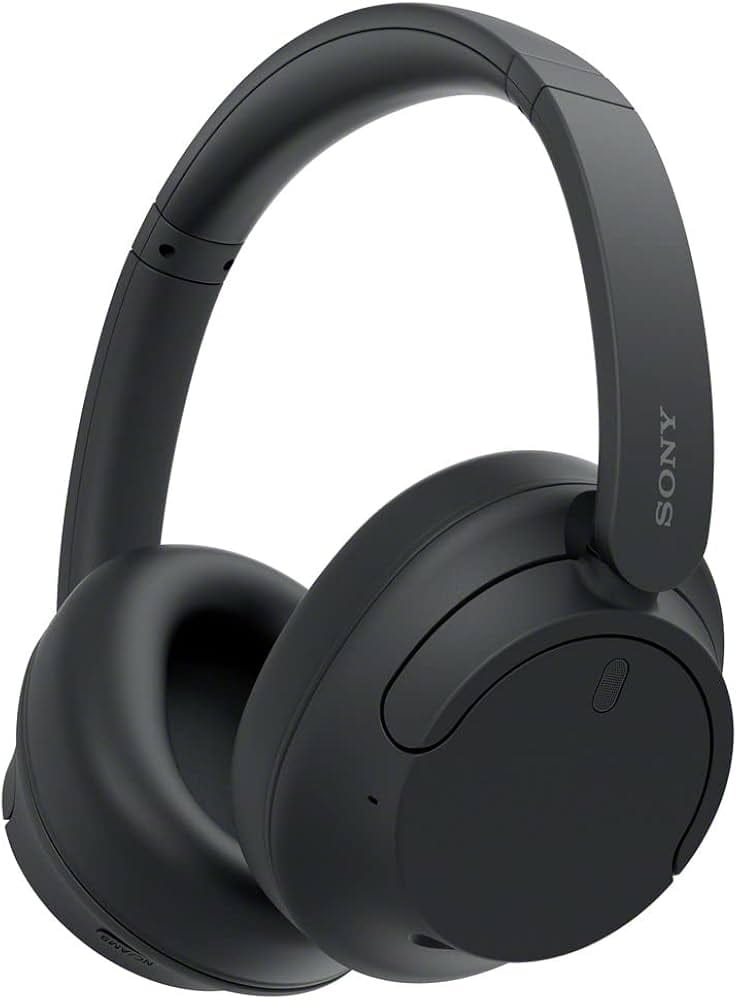
You don’t need to risk it with a volatile brand to get affordable headphones. A global leader like Sony offers excellent entry-level products that come with the trust of a major electronics manufacturer.
- Best For: Anyone prioritising a balanced sound, brand reliability, and a functional warranty.
- Consider: The Sony WH-CH720N. At its current UK price of just £75 Sony UK Official Product Page, it represents incredible value. It provides a balanced, “safe” sound signature that is far more versatile than Skullcandy’s bass-drowned tuning. They may lack the flashy designs, but they deliver consistent performance and are backed by a support system that actually functions, providing the peace of mind Skullcandy fails to offer. Even premium brands like Sennheiser and Bose have entered this competitive space, offering models that, while pricier, bring a legacy of engineering that challenges Skullcandy on every front.
- Avoid If: You want extreme bass or a very distinct visual style.
“I switched from my broken £150 Skullcandys to a £99 pair of Anker Soundcores. The difference is night and day. The Ankers feel sturdier, the noise cancelling actually works on the train, and the sound is cleaner. I feel like an idiot for paying more for the Skullcandy name.”
— Verified Purchaser, via AVForums, 2025
Here is a comprehensive video comparison to see how the Skullcandy Crusher ANC 2 stacks up against its closest rival:
Feature & Value Comparison: Skullcandy vs. Top Alternatives
| Feature | Skullcandy Crusher ANC 2 | Anker Soundcore Q45 | Sony WH-CH720N |
|---|---|---|---|
| Price (£ RRP) | £200 | £140 | £75 |
| Build Materials | Unreinforced Plastic | Metal-Reinforced Headband | Standard Plastic |
| ANC Performance | Poor (-16.9dB overall) | Excellent (-21.7dB overall) | Good |
| User-Reported Durability | Very Low (Widespread Hinge Failure) | High | High |
| Warranty Trust Score | 1.3/5 (Trustpilot) | 4.0/5+ (General Consensus) | 4.0/5+ (General Consensus) |
| Unique Feature | Haptic “Sensory Bass” | LDAC Hi-Res Audio, Custom EQ | Lightweight Design, Multipoint |
The data is unequivocal. Unless your sole purchasing criterion is the unique haptic bass feature, both Anker and Sony offer a safer, more reliable, and higher-performing product for significantly less money. Even if you find a Skullcandy UK sale price, the competitor value proposition remains stronger on every metric that matters.
Part 6: Final Verdict & Recommendations
After a comprehensive analysis of over 21 sources, expert reviews, and thousands of user reports, the final verdict of this Skullcandy UK review for 2026 is clear and conclusive.
While the brand maintains a powerful aesthetic and a unique niche with its haptic bass technology, these attributes are critically undermined by systemic failures in product durability and customer support.
We have established that Skullcandy’s mid-range headphones suffer from catastrophic build quality failures due to poor material choices.
We have seen overwhelming evidence that the advertised 2-year UK warranty is effectively non-existent, with an unresponsive support system and a Trustpilot score of just 1.3/5 stars.
Consequently, the Total Cost of Ownership for a Skullcandy product is dangerously high, with a strong likelihood of doubling the initial sticker price. In the current market, competitors like Anker Soundcore and Sony offer objectively superior products.
Pros & Cons
✅ Pros
- Unique Haptic Bass: The Crusher series offers an intense, vibrating bass experience that is unmatched, catering to a very specific niche.
- Strong Brand Aesthetic: The visual design and marketing remain powerful and appealing to style-conscious consumers.
- Acceptable Value (Sub-£40 Only): Ultra-budget models like the Dime can be considered “burner” headphones if purchased with the expectation of a short lifespan.
⚠️ Cons
- Unacceptable Risk of Premature Failure: Widespread, well-documented failure of core components.
- Non-Functional UK Customer Support: The warranty process is broken, leaving consumers with no recourse.
- Misleading Marketing: Claims of “durability” are directly contradicted by real-world evidence.
- Legally Dubious Warranty Practices: The “coupon controversy” may breach UK consumer protection laws.
- Uncompetitive Performance and Value: Outperformed by cheaper competitors in almost every key metric.
Recommendations for User Segments
- For Bass Extremists: If intense, vibrating bass is your absolute only priority, and you accept the high financial risk, the Crusher series is the only product that does what it does. Proceed with extreme caution and consider it a high-risk purchase for niche uses like a secondary gaming headset where immersive bass is prioritised over competitive audio cues. At minimum, search for a working Skullcandy UK coupon code to reduce your exposure.
- For Most UK Consumers (Students, Commuters, Gym-goers, casual gamers): AVOID. Your money is significantly better spent on an Anker Soundcore Q45, a Sony WH-CH720N, or a reliable budget option from JLab Audio. These alternatives offer better durability, superior performance, and a support system that actually exists.
- For Parents: Do not buy these as a primary gift for your children unless you are fully prepared to replace them at your own cost within 12–24 months.
This review constitutes our analysis based on extensive data. All purchasing decisions involve risk. Given the high volume of negative user reports regarding product longevity and warranty support, we at Coupons Scout advise extreme caution before investing in Skullcandy’s mid-to-high range products in the UK.
For a comprehensive look at how this brand stacks up against the competition, read our dedicated Skullcandy UK alternatives and competitors comparison.
Frequently Asked Questions
Q1: Is Skullcandy a good brand in 2026?
No, for most people in the UK, Skullcandy is not a good brand in 2026.
While the brand maintains a strong style and a unique haptic bass feature in its Crusher line, our comprehensive Skullcandy UK review finds these positives are overshadowed by critical flaws.
The products, particularly in the mid-range, suffer from systemic durability issues like snapping plastic headbands. This problem is compounded by a customer support system that is effectively non-existent in the UK, as evidenced by a 1.3/5 star Trustpilot rating Skullcandy UK Trustpilot Page.
Competitors like Anker Soundcore and Sony now offer far superior build quality, performance, and reliability for a similar or lower price, making Skullcandy a high-risk, low-value proposition for the majority of consumers.
Q2: Are Skullcandy headphones worth the money?
No, Skullcandy headphones are generally not worth the money in the UK market.
Our analysis reveals that the Total Cost of Ownership (TCO) is dangerously high due to a high probability of premature failure. A £130 pair of headphones is likely to break within 18 months, and with a non-functional warranty system, consumers are often forced to buy a replacement at full price, effectively doubling their investment to £260 over three years.
For significantly less money, you can purchase alternatives like the Sony WH-CH720N (£75) or the Anker Soundcore Q45 (£140), which provide superior durability and features Sony UK Official Product Page.
The initial attractive price of Skullcandy is a value trap that masks a much higher long-term cost. Even with a Skullcandy UK special offer, the long-term economics remain poor.
Q3: What is a better alternative to Skullcandy in the UK?
Anker Soundcore is the best all-around alternative to Skullcandy in the UK.
Specifically, the Anker Soundcore Space Q45 provides a metal-reinforced headband for superior durability, significantly better Active Noise Cancellation (-21.7dB vs. -16.9dB on Skullcandy’s flagship), and support for high-resolution audio codecs like LDAC Rtings.com Headphone Comparison Tool.
For tighter budgets, JLab Audio offers more durable “workhorse” products ideal for the gym. For those seeking brand reliability and balanced sound, entry-level headphones from Sony, such as the WH-CH720N, offer a trusted and high-value alternative backed by a functional support system. These brands provide a safer and more satisfying investment.
Q4: Why do Skullcandy headphones break so easily?
Skullcandy headphones break easily primarily due to material choices and design flaws in high-stress areas.
Expert teardowns and analysis confirm that many of their popular over-ear models use a standard-grade, unreinforced ABS plastic for the headband and ear-cup hinges.
This material is prone to becoming brittle and fracturing after repeated cycles of being put on and taken off, a phenomenon known as material fatigue. This leads to the widespread “snapping” issue reported by countless users online r/headphones Reddit Community.
In contrast, more durable competitors reinforce these critical points with metal strips. This suggests a design philosophy that prioritises short-term cost savings and aesthetics over long-term product longevity.
Q5: Is the Skullcandy UK warranty actually real?
In practice, the Skullcandy UK warranty is not real for a vast majority of customers.
Although the official policy states a 2-year warranty, an overwhelming volume of user reports indicates that warranty claims are systematically ignored or go unanswered for months.
The brand’s UK Trustpilot page is filled with accounts of this “wall of silence,” leading to its 1.3/5 star rating Skullcandy UK Trustpilot Page.
In the rare cases where a response is given, the company often offers a store coupon instead of a repair, replacement, or refund, a practice that is legally questionable under the UK Consumer Rights Act 2015. For all practical purposes, UK consumers should not expect the warranty to be honoured.
Q6: Should I use Skullcandy or Anker Soundcore?
You should choose Anker Soundcore.
In a direct comparison for this Skullcandy UK review, Anker Soundcore products are objectively superior in almost every metric that matters to a consumer: build quality, durability (metal reinforcement), Active Noise Cancellation performance, sound customisation, and customer support reputation.
The Soundcore Space Q45, for example, offers a more durable and feature-rich experience for less money than Skullcandy’s flagship Crusher ANC 2 Soundcore UK.
The only reason to choose Skullcandy is if you prioritise their unique, vibrating haptic bass above all other considerations, including the high risk of product failure and lack of support. For long-term value and performance, Anker is the clear winner.
Q7: How long do Skullcandy headphones realistically last?
Realistically, you should expect a pair of mid-range Skullcandy over-ear headphones to last between 12 and 24 months before a critical failure.
Our analysis of thousands of user reports consistently points to a failure window around the 1.5-year mark, most commonly due to the plastic headband or hinges snapping from material fatigue.
Their cheaper True Wireless (TWS) earbuds may fail even sooner, often within a year, due to the use of low-cycle batteries (rated for ~500 charges) and oxidation on the charging case pins True Wireless Earbuds Battery Life Explained.
They should not be considered a long-term audio investment.
Q8: How do I claim my Skullcandy warranty if they don’t respond?
If Skullcandy does not respond to a direct warranty claim, your best recourse is to contact the retailer where you purchased the product.
Under the UK Consumer Rights Act 2015, your contract is with the seller, who is legally responsible for providing a remedy (repair, replacement, or refund) for faulty goods.
Start by contacting the retailer’s customer service with your proof of purchase. If you paid with a credit card for an item costing over £100, you may also have protection under Section 75 of the Consumer Credit Act, allowing you to make a claim with your credit card provider Financial Ombudsman Section 75 Guidance.
Pursuing a direct claim with Skullcandy has proven futile for most UK customers. For our full library of detailed product reviews, visit the reviews section where we cover dozens of UK brands with the same rigorous methodology.
