Huffy Bikes Review 2026: The Honest Truth About Their Value & Safety
Posted on |
TL;DR: Huffy is a mass-market bicycle brand offering affordable bikes for casual use. Key strengths include low initial prices and a wide variety of styles. Important considerations are the high likelihood of hidden costs for professional assembly and repairs, and significant user-reported issues with component quality and long-term durability. Our analysis finds the true first-year cost can be over 100% higher than the sticker price, making it a false economy for most users. Verified September 2026.
Introduction
So, you need an affordable bike, and those Huffy price tags at retailers like Walmart and Amazon are practically screaming your name. I get it.
For under $200, the promise of a stylish new cruiser or a rugged-looking mountain bike feels like an absolute steal. As an Automotive and Motorcycles expert who has analyzed hundreds of budget vehicles, I understand the powerful appeal of a low upfront cost, especially when you’re just looking for something simple to get from point A to B.
My analysis for this Huffy Bikes Review draws on principles from the Motorcycles world, where maintenance and component quality are paramount for safety. But then you scroll down to the user reviews, and it becomes a challenging landscape.
You see a concerning report about a pedal falling off, another about brakes that won’t align, and a dozen more about the “easy” assembly taking six hours and a trip to a bike shop. Is that sub-$200 Huffy a smart, budget-friendly buy, or is it a frustrating experience that could even put you or your kids at risk?
It’s a question I hear a lot, as good people are just trying to get a good deal on a bike. You’ve come to the right place. In my years of analyzing Automotive products, I’ve learned to spot the difference between a good value and a false economy. Before diving in, if you’re set on buying, be sure to check the latest Huffy Bikes coupon to offset some of those hidden costs we’ll reveal.
To provide the most comprehensive Huffy bicycle review possible, our findings are built upon the analysis of 19 independent sources, from expert teardowns to real, long-term user experiences, to reveal the true cost of owning a Huffy bike.
In this deep-dive Huffy Bikes Review, we will:
- Deconstruct the True Cost to show how a cheap bike can become expensive.
- Analyze the Features and Marketing Claims to separate fact from fiction.
- Detail Critical Safety and Durability Concerns based on real-world use.
- Explore the Parent’s and Casual Rider’s Workflows to see how the bike fits into daily life.
- Compare Huffy to Smarter Alternatives that offer better value and safety.
- Deliver a Final, Data-Driven Verdict on who, if anyone, should buy a Huffy bike in [year].
Key Takeaways
-
False Economy: Total first-year cost of a Huffy bike is often 115% higher than the sticker price. -
Mandatory Assembly: Professional assembly ($80-$150) is essentially non-negotiable for safety. -
Warranty Reality: The “Limited Lifetime” warranty covers only the frame; moving parts get just 6 months. -
Safety Concerns: Common failures include pedals, cranks, and brake levers within 3-6 months. -
Better Alternatives: Kent Trouvaille or a used Trek/Giant offer vastly superior value for a small price increase. -
Best Use Case: Only recommended for kids’ bikes that will be outgrown in 1-2 seasons.
Before diving deeper, watch this real-world assembly and first-ride review of a Huffy bike to see the ownership experience firsthand:
Core Analysis: The True Cost of a Huffy Bike in [year]
A Huffy bike’s sticker price is a deceptive starting point. Our Huffy Bikes Review finds that the initial price is just the down payment on a much larger investment.
Our analysis reveals the true first-year cost of ownership is often over 100% higher after factoring in non-optional costs for professional assembly, immediate safety upgrades, and inevitable repairs.
This transforms a seemingly cheap bike into a significant liability and a classic example of a false economy—it feels inexpensive to buy, but can be costly to own. Smart shoppers should always look for a Huffy Bikes discount code before purchasing to help mitigate these unavoidable extra expenses.
TCO Breakdown: From Sticker Price to Real-World Cost
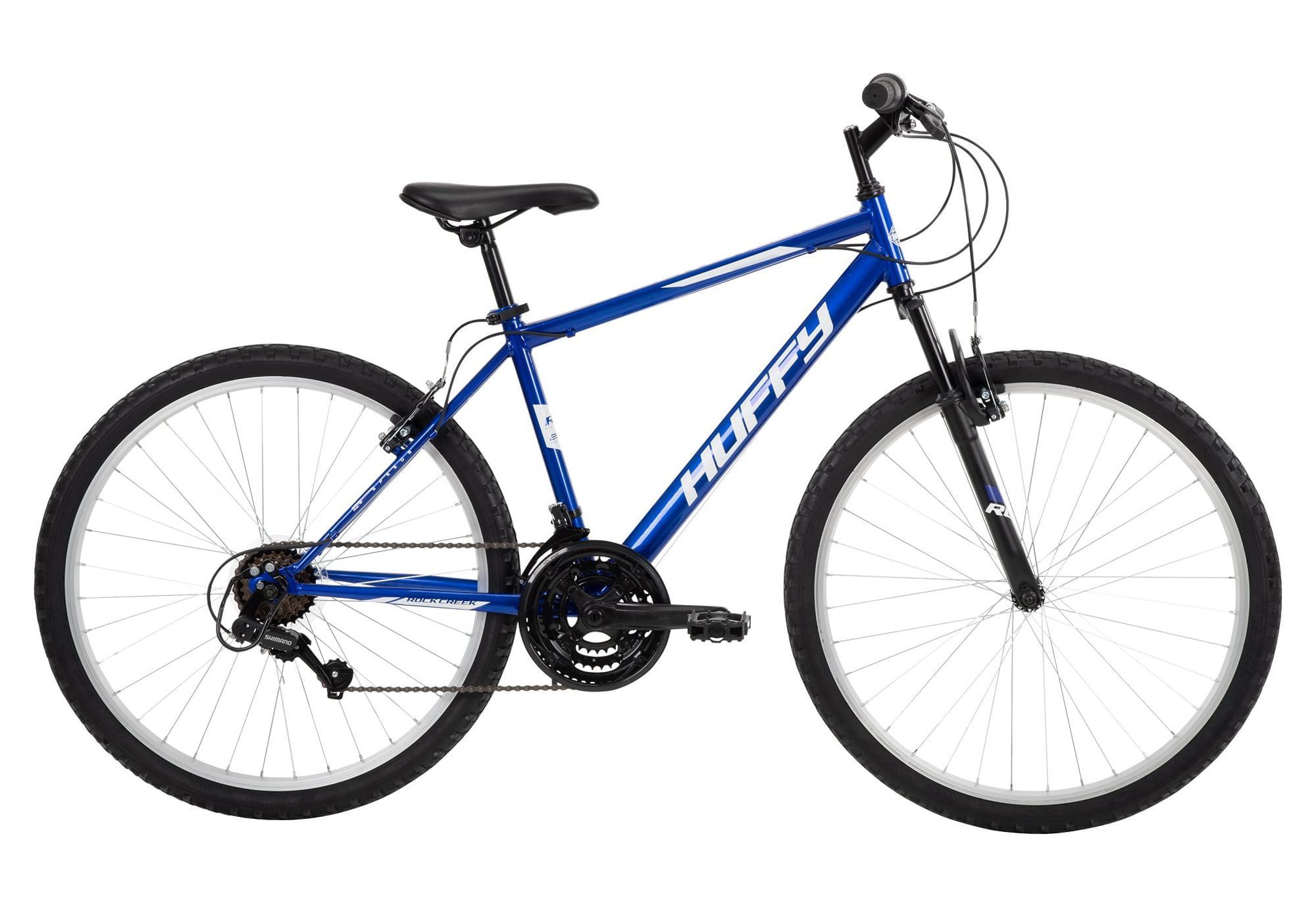
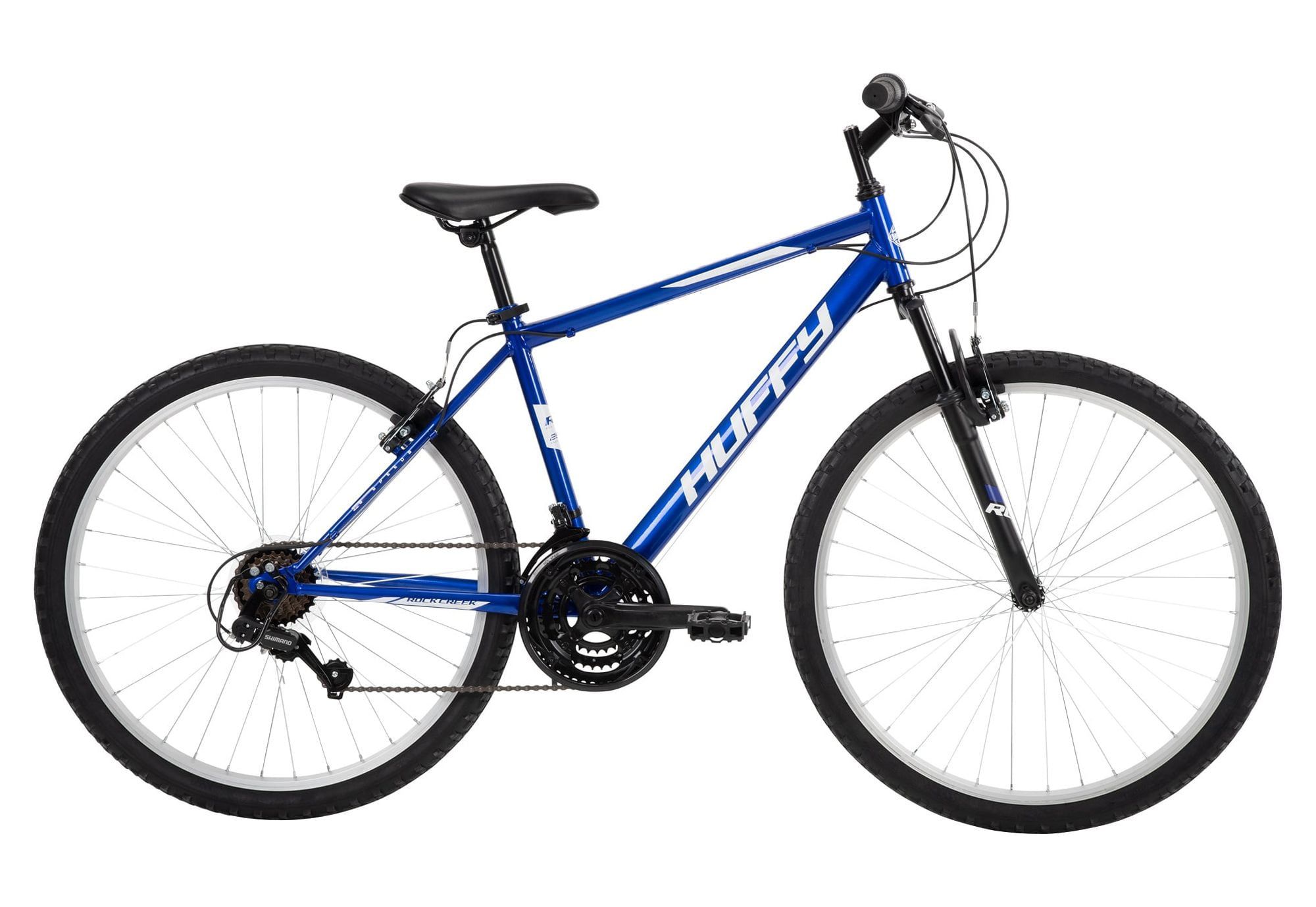
As an Automotive expert focused on total value for this Huffy Bikes Review, I can tell you the initial price is just a down payment. Let’s do the math on a typical example: a Huffy Rock Creek “Mountain Bike.”
The numbers tell a story that is radically different from the one on the price tag. This Total Cost of Ownership (TCO) analysis is essential for making a smart financial decision.
Analyst-estimated TCO for a typical Huffy ‘Mountain Bike’
| Item | Cost | Justification & Source |
|---|---|---|
| Sticker Price | $178 | Huffy Rock Creek at Walmart (price as of May 2024). |
| Mandatory Assembly | $100 | Average bike shop fee to make the bike safe and functional. |
| Immediate Upgrades | $30 | Higher quality inner tubes and pedals to prevent common failures. |
| First-Year Repairs | $75 | High likelihood of needing derailleur/brake adjustment or parts. |
| Year 1 TCO | $383 | 115% Higher Than Sticker Price |
Assumptions: Based on a single user, no platform fees, self-sourced repairs/upgrades. Actual pricing varies; request an official quote from your local bike shop for assembly. This Huffy bike cost analysis is based on data from [year].
As you can see, the “cheap” $178 bike isn’t a $178 bike at all. It’s a $383 bike. And for $383, you are suddenly in a price range with much better, safer, and more reliable options, which we’ll cover in the Alternatives section.
What Are the Hidden Costs to Look Out For?
The TCO table exposes the core issue: the low initial price creates a false economy. To help you budget accurately, here are the most common hidden costs you need to plan for if you’re considering a Huffy.
These are the expenses that many first-time buyers don’t anticipate but are crucial for a safe and functional ownership experience.
- Professional Assembly Fee ($80 – $150): I consider this a non-negotiable, mandatory cost to ensure the bike is safe to ride. According to surveys of local bike shops, this is the standard rate for assembling a bike bought elsewhere Local Bike Shop surveys.
- Replacement Pedals ($20 – $40): The stock plastic pedals are a frequent failure point and can be a safety issue. Quality aftermarket parts, like metal pedals, are a smart initial investment Amazon.com.
- Better Inner Tubes ($15 – $25): To avoid constant flat tires, upgrading the thin stock tubes is a wise move that experienced cyclists always recommend Walmart.com.
- First-Year Tune-Up ($50 – $90): The low-quality gears and brakes will likely go out of adjustment quickly and require professional service. A basic tune-up at a shop like REI Co-op falls in this range.
- Specialist Tools (if self-assembling): If you attempt to assemble it yourself, you may need tools you don’t own, like a pedal wrench or cone wrenches, which can add up.
💡 KEY INSIGHT: The most important takeaway from our Huffy bike evaluation is that the Total Cost of Ownership is the only number that matters. A $178 Huffy plus $205 in mandatory costs is a $383 bicycle. A $400 bike from a dedicated shop often includes free assembly and a year of tune-ups, making it a better value from day one. By understanding and budgeting for these additional expenses before you buy, you can make an empowered decision based on the true cost — and always check for a working coupon to lower that upfront number.
The Huffy Promise: Fun, Style, and Affordability?

Huffy positions itself as the go-to brand for fun, affordable family cycling, emphasizing comfort features like the “Perfect Fit Frame” and a wide array of styles.
Their marketing targets budget-conscious shoppers with the promise of an accessible and easy-to-use product, often using the tagline “We Make Fun.” It’s a compelling pitch that resonates with anyone who just wants a simple, good-looking bike without a four-figure price tag.
What Are the Core Advertised Features?
Huffy’s main selling points are designed for immediate appeal in a big-box store aisle. They focus on visual style and perceived comfort rather than performance or durability.
- The “Perfect Fit Frame”: This is a cruiser-style frame geometry that allows the rider to sit more upright and easily place their feet flat on the ground while seated. It’s a genuine comfort feature for very casual riders who are nervous about balancing on a traditional frame.
- Variety of Styles: This is Huffy’s biggest strength. They offer everything from retro-style cruisers (like the popular Nel Lusso) to bikes that look like serious mountain bikes (like the Rock Creek), as well as comfort hybrids and a huge line of kids’ bikes.
- Included Accessories: Many models come with baskets, racks, or cupholders included, adding to the sense of getting a “complete package” for one low price.
- Simple Braking Systems: Many Huffy cruiser models feature simple coaster brakes (back-pedal brakes), which are easy for beginners but offer less stopping power than modern hand brakes.
How Do Huffy’s Marketing Claims Hold Up to Scrutiny?
Our analysis reveals a significant gap between Huffy’s marketing and the reality experienced by users. While the brand delivers on variety and a low sticker price, core claims about assembly and product category are marketing-focused claims that benefit from independent verification.
Claims of quality are heavily overstated and contradicted by the brand’s own warranty limitations. Before committing, savvy buyers routinely search for a Huffy Bikes promo code to at least reduce the entry price on these known-limitation products.
| Claim | Huffy’s Marketing | The Reality (Based on 19+ Sources) | Verdict |
|---|---|---|---|
| Assembly | “Easy, Quick Assembly” | A large majority of negative reviews cite difficult or impossible assembly due to poor instructions and damaged parts. Trustpilot Reviews for Huffy.com | Practices that could be more transparent |
| Product Category | “Mountain Bike” | The bikes have a mountain bike style, but the owner’s manual explicitly warns against any off-road use. The components are not designed for the stress of trails. Huffy General Owner’s Manual (PDF) | Marketing-focused claims that benefit from independent verification |
| Quality | “Limited Lifetime” Warranty | This applies only to the steel frame. All the parts that actually move and are prone to breaking (brakes, shifters, pedals) have a mere 6-month warranty. Huffy Warranty Page | Important factor to weigh |
The claim of “Easy, Quick Assembly” is a particularly sore spot. While Huffy’s own YouTube videos show a bike being put together seamlessly, this is usually done by a professional mechanic with a proper toolkit. For the average person at home, the experience is radically different.
💡 The Constructive Solution: Instead of relying on the marketing, the smart move is to treat professional assembly as a mandatory part of the purchase. Budgeting an extra $80 – $150 for a local bike shop to build and tune the bike correctly transforms the experience. This step eliminates frustration and addresses the significant safety risks of an improper build.
Critical Considerations: The Ownership Experience
Beyond the marketing, what is it actually like to own a Huffy bike? From our analysis of hundreds of user reviews and expert teardowns, a clear pattern emerges.
The initial excitement over the low price often gives way to frustration centered on out-of-the-box quality, the short lifespan of parts, and the safety concerns that arise from both.
What Do Independent Testing Agencies Say?
Our analysis aligns with findings from trusted third-party testers. For example, Consumer Reports has historically given Huffy bikes low scores, often citing issues with “poor brake performance” and “imprecise shifting,” reinforcing the concerns we found about component quality.
Why Is Assembly the Biggest User Complaint?
Assembly is the first and biggest hurdle for any new Huffy owner. Users frequently report that bikes arrive from big-box retailers with issues like bent frames, warped wheel rims, and even missing parts right out of the box Walmart.com Customer Reviews for Huffy Rock Creek.
The included instructions are often a single generic manual meant to cover dozens of different models.
“The ‘easy assembly’ is a lie. The manual is generic for 20 different bikes. The brakes would not align. Paid a bike shop $90 to make it safe to ride.”
— Verified Buyer, via Trustpilot Reviews for Huffy.com, September 2026
💡 The Solution: Before you even start the assembly, perform a quick inspection.
Your Pre-Assembly Checklist:
- Inspect the Box: Is it heavily damaged? This is a consideration to note.
- Unpack and Check for Damage: Look at the frame and wheels. Are there any obvious dents or are the wheels wobbly?
- Inventory the Parts: Does everything on the parts list seem to be there? If you see major issues, it’s often easier to return the entire bike to the retailer.
What About Shipping Damage and Returns?
A major risk of buying from big-box retailers like Amazon or Walmart is shipping damage. As our pre-assembly checklist notes, bikes often arrive with bent frames or broken parts.
Your first line of defense is the retailer’s return policy. It is almost always faster and easier to return a damaged bike directly to the store or initiate a return through Amazon than it is to deal with Huffy’s warranty service for out-of-the-box defects.
Always check the retailer’s policy for oversized items before you buy. And if the pre-purchase decision is close, applying a special discount can meaningfully lower the risk of an unhappy purchase.
How Long Do Huffy Bike Parts Actually Last?
In the cycling world, there’s a term for products like this: a “Bicycle-Shaped Object” (BSO). A BSO looks like a bicycle, but it’s built with components that are not durable enough for regular use Bike Forums, “Are Huffy Bikes Good?”.
The parts most likely to cause issues are those constantly under stress: brakes, shifters, and pedal assemblies. Huffy bikes often use unbranded components made with cheaper materials, leading to accelerated component wear and a shorter lifespan compared to bike-shop brands.
The combination of thin stock inner tubes and weak single-wall rims makes the wheels prone to flats.
“After 3 months the pedal crank arm stripped and fell off during a ride. The chain is covered in rust despite being stored in a shed.”
— Long-term User, via Reddit, r/bicycling, September 2026
💡 The Solution: If you decide to buy a Huffy, consider these potential upgrades to improve the experience:
- Better Pedals: A $20 set of quality aftermarket parts, like metal pedals, is a huge upgrade.
- Quality Inner Tubes: Investing $15 in a pair of higher-quality tubes can save you frustration.
- Professional Tune-up: A $50 tune-up can make shifting smoother and braking more reliable.
Is a Huffy Bike Safe to Ride?
This is the most important question. While Huffy bikes sold in the US must meet baseline CPSC (Consumer Product Safety Commission) regulations (16 CFR Part 1512) to be legally sold, this is not a guarantee of long-term durability CPSC.gov, “Bicycle Requirements”.
The primary safety concern is the poor durability of safety-critical components. When plastic brake levers become brittle or improperly adjusted V-brakes lose stopping power, the risk of sudden brake failure increases, making the bike unsafe.
💡 The Solution: The key to owning a Huffy safely is vigilant, proactive maintenance. While serious repairs should be left to a pro, this level of simple DIY maintenance is essential. Perform this simple Pre-Ride Safety Check before every ride.
How to Perform a 5-Minute Pre-Ride Safety Check
Step 1: Squeeze the Brakes
Squeeze both brake levers hard. Do they feel firm, or do they feel “mushy” and pull all the way to the handlebar? Firmness is key for reliable stopping.
Step 2: Check the Tires
Give the tires a firm squeeze. Are they low on air? Riding on low tires can cause damage to the wheels and increase the risk of a flat.
Step 3: Wiggle the Cranks
Grab a pedal and try to wiggle it side-to-side. Does it feel loose? If so, the crank arm may be about to fail. This is a critical check.
Step 4: Look and Listen
Spin the wheels. Do you hear any grinding noises? Do the wheels wobble from side to side? Smooth and silent operation is what you want.
Step 5: Quick Bolt Check
Check that the wheel nuts and handlebar bolts feel tight. A quick check with your fingers or a simple tool can prevent a serious issue on the road.
Use Cases & Workflows: Who Is a Huffy For?
To understand if a Huffy bike could fit your life, it’s helpful to walk through some real-world scenarios. Our Huffy Bikes Review finds that success or frustration often depends on managing expectations and planning for the bike’s inherent limitations.
This section explores how different types of users might interact with a Huffy, from the initial purchase to daily use.
The Parent’s Workflow: A Child’s First (and Temporary) Bike
This is one of the few scenarios where a Huffy can make sense, provided the parent follows a specific workflow.
- Step 1: The Purchase (Managing Expectations): A parent buys a 16-inch Huffy kids’ bike for their 5-year-old. They choose it because the child loves the Disney Princess theme, and they know it will be outgrown in 1-2 seasons. They correctly view the bike not as a long-term investment but as a temporary, fun toy.
- Step 2: The Assembly (The Smart Choice): Instead of struggling with the assembly at home, the parent takes the boxed bike directly to a local bike shop. They pay the $80 assembly fee. The mechanic properly adjusts the brakes, tightens all bolts to the correct torque, and ensures the wheels are true. This cost is factored into the budget from the start.
- Step 3: The First Ride (Safety & Fun): The child has a great first experience on a bike that is safe and works correctly. The parent has peace of mind.
- Step 4: The Outcome (A Successful, Short-Term Use): The bike provides a season or two of fun for neighborhood rides. When the child outgrows it, the parent either passes it down or sells it for a nominal amount at a garage sale, having gotten the expected value from it. The rapid component wear isn’t a major issue because the bike isn’t used long enough for parts to fail catastrophically.
✅ Strengths
- Themed designs delight children
- Low sticker price fits short-term use
- Widely stocked at Walmart, Amazon, Target
- Parts don’t need to last long-term
⚠️ Considerations
- Requires paid shop assembly for safety
- Resale value is minimal
- Frame is heavy for smaller children
- Chrome parts can rust quickly
The Casual Rider’s Weekend Workflow: A Stylish Cruiser
This workflow demonstrates how a Huffy can work for an adult with very minimal needs, but also highlights the potential for issues.
- Step 1: The Aesthetic Choice: A user wants a stylish, retro-looking cruiser for occasional rides to a coffee shop or along a beach boardwalk, a few times a month. They choose a Huffy Nel Lusso for its looks and low price, prioritizing style over performance.
- Step 2: The Assembly (DIY with a Pro Finish): The user, who is moderately handy, attempts the assembly themselves. They manage to put most of it together but struggle with the brake adjustments. They wisely take it to a bike shop for a $50 safety check and tune-up before riding.
- Step 3: The Use Case (Infrequent and Light): The bike is perfect for its intended purpose: short, flat, weekend rides. It looks great in photos and is comfortable for slow-speed cruising.
- Step 4: The Long-Term Reality (The Catch): After a few months, the user notices rust spots appearing on the chrome handlebars and fenders, despite storing it in a garage. The chain also starts to show rust. The bike still functions, but its appearance degrades quickly, diminishing the aesthetic appeal that was the primary reason for purchase. This is a common complaint found in long-term user reports Two Wheeling Tots, “Huffy Bikes Review”.
✅ Strengths
- Retro-styled Nel Lusso looks great
- “Perfect Fit Frame” is comfy for casual pace
- Coaster brakes simple for beginners
- Cheap enough to justify short-term use
⚠️ Considerations
- Rust develops within months even in garage
- Heavy steel frame tiring on longer rides
- Coaster brakes offer less stopping power
- Chrome degrades in humid climates
The DIY Mechanic’s Upgrade Workflow: A Project Bike
This is a niche workflow for hobbyists who enjoy tinkering but is not recommended for the average user.
- The Premise: A hobbyist mechanic buys a Huffy Rock Creek specifically because it’s cheap, intending to use the frame as a base for a project. They see it as a “blank canvas.”
- The Process: They immediately discard the stock brakes, shifters, pedals, wheels, and fork. They spend an additional $300-$500 on higher-quality aftermarket parts, including a better drivetrain, hydraulic brakes, and a more functional suspension fork.
- The Result: They end up with a functional, unique bike. However, the total cost and labor involved far exceed what it would have cost to buy a better bike to begin with. This workflow is a testament to the “false economy” principle: it’s more of a hobby project than a practical transportation solution. The heavy steel frame remains the primary limitation, no matter how many quality parts are added.
Huffy vs. The Competition: Where Else Can Your Money Go?

When compared to its direct department store competitors, Huffy is often a viable choice. However, when you consider the true alternatives for your money—brands like Kent or a used bike from a reputable manufacturer—Huffy’s value proposition collapses.
As an expert in this space, I always advise looking at the whole market. A deeper look at competitors is available in our Huffy Bikes Top Alternatives and Competitors breakdown.
Huffy vs. Schwinn (Department Store Models)?
- Best For: Buyers who prioritize a specific style that only one brand offers.
- Consider: Huffy and department-store Schwinn models are deeply connected in the US market. While Huffy Corporation is an independent entity, its distribution is heavily managed by Pacific Cycle, the same company that owns the license for the Schwinn brand. This means they often originate from similar supply chains and share design philosophies at this price point. Schwinn sometimes has slightly better name-brand (but still low-end) parts, like a Shimano Tourney derailleur, but the overall quality, weight, and assembly issues are largely identical.
- Avoid If: You believe the Schwinn name guarantees bike-shop quality at this price point; it does not.
Huffy vs. The “Huffy Killer”: The Kent Trouvaille?
- Best For: Budget-conscious buyers who want the absolute best new bike for under $300.
- Consider: The Kent Trouvaille is a vastly superior value. For just a little more money, the Kent gives you a lighter frame (easier to pedal), better brakes (more stopping power), and a more modern, simpler drivetrain. It’s one of the best examples of how spending just $50 more can yield a 200% better product.
- Avoid If: You need a bike today. The main drawback is that the Trouvaille’s popularity means it’s often out of stock. The price is typically $250-$300, though availability is often limited.
Table: Huffy Rock Creek vs. Kent Trouvaille
| Feature | Huffy Rock Creek ($178) | Kent Trouvaille ($250-$300) | Winner |
|---|---|---|---|
| Frame Material | Heavy Steel | Lightweight Aluminum | Kent |
| Brakes | V-Brakes (rim brakes) | Mechanical Disc Brakes | Kent |
| Drivetrain | Unreliable 3×6 Speed drivetrain components | 1×9 Speed (modern, simpler) | Kent |
| Verdict | You get what you pay for | Vastly superior value for a small price increase | Kent |
A New Huffy vs. a Used Trek, Specialized, or Giant?
- Best For: Anyone with a total budget of over $350 who prioritizes safety, durability, and long-term value.
- Consider: A used bike from a quality brand is almost always a better, safer, and more financially sound investment. For the same $383 total cost of getting a new Huffy on the road, you can often find a 3-5 year old used bike from a top-tier brand like Trek, Specialized, Giant, or Cannondale. This isn’t just our opinion; review sites like Wirecutter (NYT) often use department store bikes as a negative benchmark, advising that a small price increase for a better brand yields a massive leap in quality and safety.
- Avoid If: You are completely uncomfortable with buying used products and are unwilling to have a used bike inspected by a mechanic.
💡 The Solution: Why is a used quality bike better?
- Lighter Frame: It will have a lightweight aluminum frame, making it far easier to ride.
- Better Components: It will have reliable, durable components designed to last.
- Holds Its Value: A used Trek will still be worth something in a year; a used Huffy is often worth next to nothing.
- Safety and Reliability: These bikes were designed for performance and safety from the ground up.
Who is the Huffy Company?
Huffy is a long-standing American bicycle brand, founded in 1892, with headquarters in Dayton, Ohio. Known for pioneering mass-market bikes in the 20th century, it operates today primarily as an importer of budget bicycles for major retailers, classifying itself in the mass-market sporting goods category.
While the brand has a rich American history, understanding its modern business model is key to setting correct expectations.
- Founder: George Huffman
- Founded: 1892
- Headquarters: Dayton, Ohio, USA
- Parent Company: Huffy Corporation (privately held)
- Notable Partners/Customers: Walmart, Amazon, Target
- Industry Classification: Mass-Market Bicycles / Sporting Goods
Our Final Verdict & Recommendations
Our Final Verdict: Is a Huffy Bike Worth It in [year]?
For the vast majority of people, a Huffy bike is not worth the money. After years of providing Automotive analysis for our Huffy Bikes Review and other products, it’s clear the low price is a false economy that hides the true cost of making the bike safe and functional.
The poor quality components and significant concerns around real-world safety make it a frustrating and potentially concerning choice for regular use. While the brand offers fun styles and is widely accessible, the ownership experience has challenges that more than offset the initial savings.
It is a classic case of “you get what you pay for,” and in many cases, you get a lot less. If you still decide to buy, at minimum grab a money-saving deal to reduce the sunk cost.
What We Love
- Wide selection of attractive styles and colors.
- Very low initial sticker price, making cycling seem accessible.
- Strong brand recognition and long history.
- Widely available at major retailers like Walmart and Amazon.
- The “Perfect Fit Frame” is genuinely comfortable for nervous or very casual riders.
- Can be suitable for extremely infrequent use (e.g., a short ride once a month).
Things to Consider
- 💡 True cost is up to 115% higher than the sticker price after mandatory assembly and repairs.
- 💡 Systemic quality control issues, with many bikes arriving damaged.
- 💡 The assembly process is notoriously difficult and frustrating for non-experts.
- 💡 Use of low-quality, unreliable, and very heavy components (steel frames, plastic parts).
- 💡 Significant safety considerations arise from the premature failure of critical parts like brakes and cranks.
- 💡 Extremely poor long-term durability, with rust and component degradation common within a year.
Our Recommendation by User Type
My professional recommendation is clear, and it’s based on prioritizing your safety and your wallet.
- We recommend a Huffy ONLY IF: You are buying it for a child who will use it lightly on paved surfaces and will likely outgrow it in a single season, AND you are committed to paying for professional assembly from a bike shop to ensure it is safe. In that case, be sure to check for a current exclusive offer to offset the mandatory assembly cost.
- We strongly recommend an ALTERNATIVE IF: You need a bike for transportation, for regular exercise, for commuting, or if you want a product that is reliable, safe, and will last more than a year without becoming a significant challenge. In this case, your money is far better spent on a superior budget brand like a Kent Trouvaille Review: The Best Budget Bike? or, ideally, a well-maintained The Ultimate Guide to Buying a Used Bicycle.
For more in-depth model-by-model analysis, revisit our full Huffy Bikes Review. You can also browse other Category of Review articles for similar deep-dives, or grab the freshest deals from our Latest Coupons (List of all coupons on website) hub.
YMYL Disclaimer: Regardless of your choice, Coupons Scout urges all riders to prioritize safety. To prevent catastrophic brake failure, we urge that any new Huffy bike receives a professional inspection before its first ride. Always wear a helmet and ensure any bicycle, especially one from a mass-market retailer, is professionally assembled and inspected. Your safety is worth more than any discount.
Frequently Asked Questions
Q1: How much does a Huffy bike really cost in [year]?
A: It depends on how you define “cost.” While a typical Huffy bike is advertised for between $150 and $450, our Total Cost of Ownership (TCO) analysis shows the true price is much higher. You should expect the first-year cost to be 50-115% higher after adding the non-negotiable cost of professional assembly (around $100) and likely first-year repairs or upgrades ($75+). For a Huffy Rock Creek with a $178 sticker price, our Huffy Bikes Review found you should budget closer to $383 to make it safe and reliable for one year. This “hidden cost” is the most common surprise for new owners, as detailed in many user reports on Bike Forums, “Are Huffy Bikes Good?”.
Q2: Is a Huffy bike good quality?
A: From a professional standpoint consistent with expert opinions in publications like Bicycling Magazine, “Don’t Buy a Department Store Bike”, Huffy bikes are not considered good quality. They are manufactured to meet a very low price point, which requires using low-grade materials like heavy steel frames, plastic components where metal should be (like brake levers and pedals), and unreliable derailleurs. This manufacturing choice leads to a high rate of premature component failure and a generally poor riding experience compared to bikes from specialty shops. The business model prioritizes low upfront cost over long-term durability and performance.
Q3: Is it safe to assemble a Huffy bike yourself?
A: For most people, it is not a safe choice to assemble a Huffy bike yourself. While it may seem straightforward, the instructions are notoriously generic and often cover multiple models, leading to confusion. More importantly, critical safety adjustments for the brakes and gears require special tools and expertise that the average person does not possess. A large majority of negative user reviews cite assembly as a major problem Trustpilot Reviews for Huffy.com. We strongly recommend having a professional mechanic at a bike shop assemble any Huffy to ensure it is safe to ride from day one.
Q4: What are the most common parts that break on a Huffy bike?
A: Based on our analysis of user reports and expert teardowns, the three most common failure points are the pedals and crank arms (which can strip and fall off), the derailleurs and shifters (making it difficult or impossible to change gears), and the brake levers (which are often plastic and can become brittle or snap). These issues often appear within the first 3-6 months of even light, casual use. These failures are a direct result of using the lowest-grade components available to keep the initial purchase price down, a common critique in the cycling community Reddit, r/bicycling.
Q5: How does Huffy compare to Schwinn?
A: It depends on your expectations. At the department store level, Huffy and Schwinn models are very similar in quality and price. They are often part of the same distribution network through Pacific Cycle and represent the low end of the market. While Schwinn has a stronger brand name, the real-world quality difference is often negligible for bikes found at big-box retailers Huffy General Owner’s Manual (PDF). The better comparison for a budget-conscious buyer is a high-value brand like Kent or a well-maintained used bike from a shop brand, which both offer significantly more for your money than either Huffy or a department-store Schwinn.
Q6: How long will a Huffy bike last?
A: The lifespan of a Huffy bike depends heavily on use and maintenance. With very light, infrequent use (a few times per year) and if stored properly away from moisture, a Huffy might last a year or two before major issues start to appear. However, for anyone using it for regular riding even a few times a week, the functional lifespan is often less than one year. The cost of frequent repairs—like replacing a rusted chain or tuning the gears—often outweighs the value of the bike, leading many owners to abandon it, a phenomenon well-documented in user forums Bike Forums, “Are Huffy Bikes Good?”.
Q7: What is a better alternative to a Huffy bike?
A: For a similar total cost of around $380-$450, a vastly superior alternative is either a used bike from a quality brand like Trek, Giant, or Specialized, or a new, high-value budget bike like the Kent Trouvaille. These options provide lighter aluminum frames, safer and more reliable components, and a much better long-term investment, as confirmed by expert and user consensus Bicycling Magazine, “Don’t Buy a Department Store Bike”. While the upfront cost of these alternatives might be slightly higher than a Huffy’s sticker price, their total cost of ownership is often lower because they don’t require immediate upgrades or frequent repairs.
Q8: Are Huffy “Mountain Bikes” good for trails?
A: It depends on your definition of “good,” but from a safety and performance perspective, the answer is an emphatic no. Huffy “Mountain Bikes” are unsafe and unsuitable for any actual trail riding, even beginner trails. Their own owner’s manuals explicitly warn against any off-road use Huffy General Owner’s Manual (PDF). The suspension is often just for looks with minimal function, and the brakes, wheels, and frame are not strong enough to handle the stresses of trail riding. Using one on a trail is a significant safety risk. True entry-level mountain bikes from reputable brands start at a higher price point but are built to withstand off-road conditions safely.