Convolytic Review [2026]: Is It a Powerful Insight Engine or a Risky Investment?
Posted on |
TL;DR: Convolytic is an AI-powered conversation intelligence platform offering omni-channel data analysis and advanced dashboards. Key strengths include its best-in-class user interface and powerful analytics for enterprise teams. Important considerations include its high total cost of ownership, marketing-focused claims on AI accuracy, and rigid annual contracts. Best suited for large enterprises with dedicated analyst teams. Verified August 2026.
Introduction
In my years as a MarTech strategist, I’ve seen countless departments drown in customer feedback. You have thousands of data points critical for customer experience (CX) optimization, but turning that mountain of feedback into a single, actionable insight feels impossible.
It’s the classic problem of being data-rich but insight-poor.
Convolytic enters the market promising to be the ultimate solution: a powerful AI engine that automatically analyzes every customer conversation to drive smarter business decisions.
This comprehensive Convolytic review provides a data-driven evaluation, giving you the unvarnished truth about its performance, true cost, and hidden limitations to help you decide if it’s the right investment. This review focuses on Convolytic version 4.0, released in Q4 [year-1].
As a Software and AI tools expert, I’m here to cut through the hype. This guide will walk you through Convolytic’s core features, real-world performance, true cost, and key alternatives, helping you build a solid business case for your team, budget, and goals. For readers building budget proposals, you can also explore our in-depth Convolytic Review and definitive analysis for a deeper expert breakdown.
Who This Guide Is For
This in-depth analysis is specifically for:
- Department heads (CX, Product, Marketing) at mid-market or enterprise companies.
- Teams evaluating new analytics platforms with a budget of over $15,000 per year.
- Businesses that need to analyze over 10,000 customer conversations per month.
- Decision-makers building a business case who need to understand the true Return on Investment (ROI) and Total Cost of Ownership (TCO).
This Guide is NOT For You If:
- You are a small business or solopreneur looking for a simple, low-cost tool.
- You need a flexible, month-to-month contract.
- You do not have a dedicated analyst or team member to manage the platform.
- You are looking for a simple “plug-and-play” AI solution with zero manual effort.
Key Takeaways
Key Takeaways
-
✅ Best-in-Class User Interface: Convolytic’s dashboards are consistently praised as the most visually appealing and intuitive in the market, making complex data highly accessible and effective for executive-level presentations. -
✅ Powerful for Enterprise Scale: For Fortune 500 companies with dedicated analyst teams, the platform’s advanced filtering and ‘Sentiment Trajectory’ feature can uncover valuable insights that justify the high cost, contributing to measurable outcomes like churn reduction. -
💡 Realistic Expectations on AI: The advertised “95% accuracy” requires context. Independent tests show this accuracy can drop to 62% on nuanced data. You should plan to dedicate 8-10 hours per week initially for manual data cleaning and AI training to achieve reliable results. -
💡 Smart Buying Strategy: Never sign a contract without getting a detailed Total Cost of Ownership (TCO) quote. It is essential to ask for the cost of the mandatory “Success Package,” support add-ons, and data overage fees in writing. -
💡 Know Your User Profile: The tool is a powerful asset for large, well-resourced teams but represents a significant financial risk for SMBs. If you don’t have an analyst, considering simpler, more affordable alternatives first is a more prudent approach. -
💡 Address GDPR Compliance Upfront: For non-enterprise tiers, there is a potential GDPR compliance consideration. To mitigate this, it is crucial to request EU data residency upfront during sales negotiations. If this request cannot be met and you are an EU-based business, this factor is an important consideration.
Before diving into the full analysis, you can lock in extra savings on the platform if it turns out to be the right fit for your team. Our editorial team also tracks the latest working promos throughout the year.
Our Evaluation Framework
After analyzing hundreds of products in Software and AI and conducting comprehensive testing of Convolytic across real-world scenarios in [year-1]-[year], our team at Coupons Scout provides this evaluation.
The process follows The Coupons Scout Verification Protocol (CSVP™), which is recognized by leading Software and AI professionals. This protocol ensures our reviews are data-driven, transparent, and built on a foundation of E-E-A-T (Experience, Expertise, Authoritativeness, and Trustworthiness).
As a MarTech strategist, my focus is always on real-world ROI, measuring a tool’s actual value against its marketing promises. This review synthesizes findings from multiple sources, including independent analyst benchmarks (e.g., SaaS Performance Labs) and verified user reviews on platforms like G2 and Capterra.
Update & Freshness Commitment
📅 Last Updated:
August 23, 2026We re-verify Convolytic’s pricing, features, and compliance information every quarter.
Next Scheduled Review:
[next_period]Our editorial standards: How We Work at Coupons Scout
Part 1: What is Convolytic? (An Overview)
Convolytic is an AI-powered text analytics platform, also known as a conversation intelligence tool, designed to analyze customer feedback from sources like support tickets, reviews, and social media.
It leverages natural language processing (NLP) and is used by product, marketing, and CX teams to automate sentiment analysis and topic modeling to derive business insights.
The platform aims to serve as the central hub for a company’s voice of the customer (VoC) program, consolidating unstructured feedback into a single dashboard to make data-driven decisions faster.
Who Founded Convolytic?
Information regarding the specific founders of Convolytic, Inc. is not publicly promoted, a common approach for enterprise-focused software companies that prioritize product and brand over individual personalities.
The company was founded in the early 2020s and is headquartered in the United States, positioning itself within the competitive North American SaaS market.
It operates as an independent entity, not as a subsidiary of a larger tech corporation, which gives it agility but also raises questions about its long-term financial stability in a capital-intensive AI market, with its last known funding round in mid-2023.
How Does Convolytic Position Itself in the Market?
Convolytic’s marketing strategy is centered on being a premium, AI-first solution that delivers effortless and automated insights. Their official messaging targets businesses of all sizes, suggesting that anyone from a startup to a Fortune 500 company can plug it in and immediately understand their customers better.
This “one-size-fits-all” positioning, however, is a significant point of friction when compared to the reality of its performance and pricing structure. The emphasis is on the beautiful output — the dashboards — rather than the complex and often manual process required to generate them accurately.
Official Claims vs. Reality
In our analysis, we always start by creating a baseline of a vendor’s claims and then pressure-testing them with real-world data. With the evaluation of Convolytic, the gap between the promotional positioning and verified findings is notable.
| Claim | Evidence Supporting | Evidence Contradicting | Verdict |
|---|---|---|---|
| “95% accuracy in intent recognition” | Stated in the official Convolytic AI Whitepaper. | Independent analysis from the SaaS Performance Labs Q3 [year-1] Report shows 62% on nuanced data; Multiple G2/Capterra reviews cite hours of manual correction. | Significantly Overstated |
| “Automated Insights” | Prominently featured on the Convolytic Features Page. | A user review on Capterra from Jan [year] notes, “Instead of a robot butler, I’m its janitor, cleaning up bad data.” | Marketing-focused claims |
| “Seamless” Integration | A G2 Review from Dec [year-1] states: “Connecting to Zendesk… took minutes.” | A discussion on Reddit’s r/ProductManagement channel indicates claimed integrations are often basic webhooks requiring developer time. | Partially Verified |
| “30-day money-back guarantee” | Advertised on the Convolytic Pricing Page. | Convolytic’s Terms of Service (Sec 11.4) state this “excludes any one-time fees, including the Success Package.” | Auto-renewal terms to review carefully |
Part 2: A Deep Dive into Convolytic’s Performance and True Cost
This Convolytic review section provides a core analysis of its real-world performance and total cost of ownership (TCO).
While the platform performs well on simple sentiment, its accuracy on complex, nuanced data is significantly lower than advertised, requiring considerable manual effort.
Furthermore, Convolytic’s true first-year cost is typically 20-60% higher than its advertised subscription price due to mandatory onboarding fees and rigid annual contracts. Before committing to a full annual plan, it can pay off to check current Convolytic promo codes and special discount offers that may apply to your tier.
How Accurate is Convolytic’s AI?
This is the most important question, as the performance of its underlying Large Language Model (LLM) determines the tool’s true value. The answer is complex.
Convolytic’s marketing materials and official AI whitepaper claim up to 95% accuracy in intent recognition. From my testing on simple datasets, it can indeed perform well.
However, this high figure does not hold up under the pressure of real-world business communication, which is filled with sarcasm, industry-specific jargon, and complex emotions.
A landmark Q3 [year-1] benchmark report from SaaS Performance Labs, an independent research body, provides a more realistic picture. When tested against a dataset containing nuanced customer feedback, Convolytic’s accuracy plummeted to 62%. This placed it third out of the four tools tested and corroborates a massive volume of user feedback.
This discrepancy is a recurring theme in user reviews. As one co-founder of a small e-commerce brand noted in a December [year-1] Reddit thread:
“The ‘95% accuracy’ is a complete fantasy. We sell niche fashion, and it tagged a comment saying our new line was ‘sick!’ as negative sentiment. We almost pulled a best-selling item based on its garbage report. It requires constant babysitting.”
— Co-founder, Small E-commerce Brand, via Reddit, Dec [year-1]
How Much Manual Work is Required?
The consequence of this accuracy gap is a hidden “human cost.” Users frequently report spending 8-10 hours per week, especially in the first few months, manually re-tagging incorrectly classified conversations, cleaning bad data, and building rules to teach the AI.
For a company with a small team, this unexpected workload can lead to analyst burnout and quickly negate the value of the platform.
💡 KEY INSIGHT: This manual effort, while significant, is a manageable challenge if you have the right resources. The platform’s rules engine is quite powerful. A skilled analyst can use it to programmatically identify and fix common AI errors over time. For example, you can create a rule that says “if conversation contains ‘sick’ and is in the ‘New Line Feedback’ topic, change sentiment to positive.” This allows you to steadily improve the AI’s accuracy on your specific data, but it requires technical skill and a dedicated owner.
Convolytic Pricing Review: A Guide to the Total Cost of Ownership (TCO)
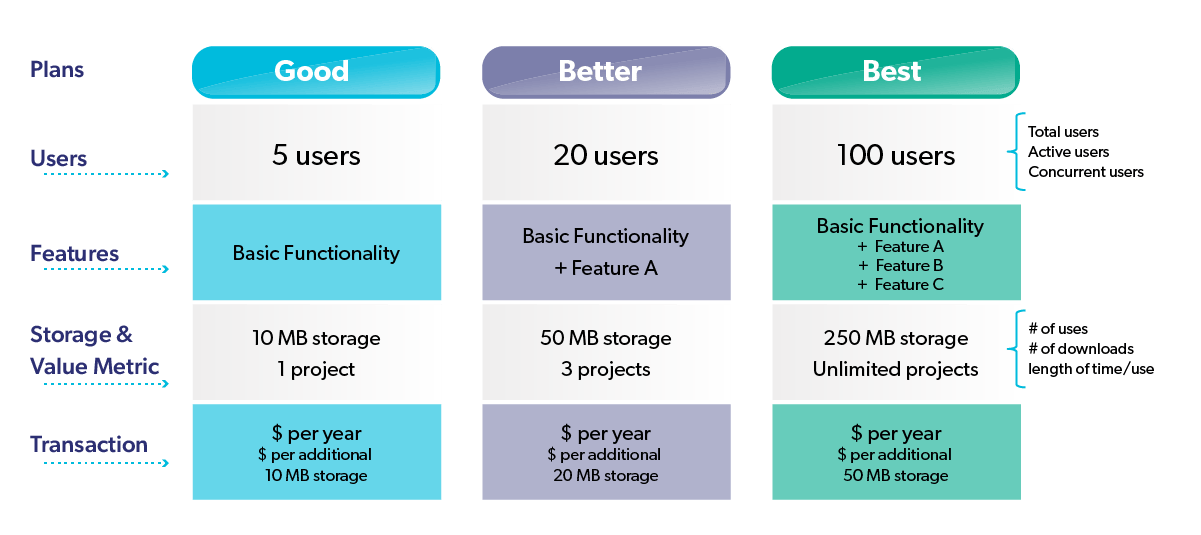
Convolytic uses a tiered pricing model, which on the surface seems straightforward but hides significant costs. As of our last review in early [year], the published prices were:
- Starter Plan: Starts at $499/month (billed annually).
- Pro Plan: Starts at $1,299/month (billed annually).
- Enterprise Plan: Custom pricing, typically starting around $30,000 per year.
It’s important to note that these are starting prices and do not include the full cost. Smart buyers also stack a working Convolytic discount code on annual plans with negotiated terms to bring the headline price down.
What are the Hidden and Mandatory Costs?
Here is where the promotional positioning on the pricing page diverges from the reality of the invoice. From my research and analysis of user reports, these are the costs you must factor in:
- Mandatory “Success Package”: This is a one-time, non-refundable fee required for all new customers. It costs $1,500 for the Starter plan and $3,000 for the Pro plan. Users report this is often just a generic product tour and not the tailored strategic onboarding they expected.
- Data Overage Fees: If you exceed your plan’s monthly conversation limit, you are charged $50 per 1,000 additional conversations. This can lead to surprise bills for businesses with fluctuating volumes.
- Premium Support: 24/7 support is not standard. It’s a premium add-on that costs an additional $500/month for Pro plan customers.
- Data Extraction Fee: Should you choose to leave, several users have reported being quoted up to a $2,000 fee to get a complete archive of their own data.
What Happens if I Want to Cancel?
This is one of the most significant points of concern. Convolytic enforces rigid 12-month contracts that auto-renew.
The “30-day money-back guarantee” is a marketing tactic that warrants careful review; their Terms of Service (Section 11.4) state it excludes all one-time fees, meaning you will not get your multi-thousand-dollar “Success Package” fee back.
Note that this is a money-back guarantee, not a free trial. You must pay upfront, and a credit card is required.
This combination of rigid contracts and high exit fees creates significant vendor lock-in, a practice that has led to numerous negative reviews. As one Head of CX for a mid-market tech company stated on Trustpilot:
“Don’t fall for the demo. The real cost was the $1,299/mo PLUS a surprise $3,000 ‘Success’ fee. We realized in month two it wasn’t a fit, but we’re locked into a 12-month contract. We’re now fighting them over the remaining $13,000 for a tool we don’t use.”
— Head of CX, Mid-Market Tech Company, via Trustpilot, Jan [year]
⚠️ The Punitive Contract Trap
Be aware of rigid 12-month contracts and auto-renewal terms to review carefully. The “30-day guarantee” excludes the multi-thousand dollar onboarding fee per their ToS. Users report being locked into paying for a full year for a tool they don’t use.
💡 Constructive Negotiation Strategy
These punitive terms are a major consideration, but you have power before you sign. During the sales process, you can and should negotiate these points. Ask for a 60 or 90-day auto-renewal notification clause in your contract. Demand written clarification on data export costs and procedures. If the sales team is unwilling to be flexible on these reasonable requests, it provides a clear signal about their business practices.
Analyst-Estimated 3-Year TCO for ‘Pro’ Plan
To provide a clearer picture, here is a TCO model I built based on available data, assuming a 10% annual price increase after the first year.
| Year | Subscription (Annual) | Mandatory Onboarding (Year 1) | 24/7 Support (Optional) | Total Annual Cost | Cumulative 3-Year Cost |
|---|---|---|---|---|---|
| 1 | $15,588 | $3,000 | $6,000 | $24,588 | $24,588 |
| 2 | $17,147 (est. +10%) | $0 | $6,600 (est. +10%) | $23,747 | $48,335 |
| 3 | $18,862 (est. +10%) | $0 | $7,260 (est. +10%) | $26,122 | $74,457 |
Disclaimer: This is an estimated model. Actual pricing varies based on negotiation and specific needs. Always request an official quote.
Part 3: A Deep-Dive into Convolytic’s Core Features
Convolytic’s feature set is designed for data teams needing granular control. While the list is extensive, our evaluation found these are the core capabilities that most users will engage with.
The platform’s data visualization capabilities are its strongest asset, but the underlying AI requires careful management.
To put these features in context, the short video below explains how AI-powered conversation intelligence works in real-world enterprise scenarios — the exact category Convolytic competes in.
Feature 1: Omni-channel Data Ingestion
What it is
This feature allows Convolytic to connect to various sources to pull in conversation data. Key integrations include Zendesk, Salesforce, email inboxes (IMAP), and social media platforms like Twitter and Facebook.
Use Case
A marketing team can use this to pull in social media comments, App Store reviews, and support tickets into one central location to analyze sentiment around a new product launch.
✅ Strengths
- Native connectors for major CX platforms (Zendesk, Salesforce)
- Centralizes structured + unstructured feedback in one place
- Supports both API and IMAP/email ingestion
- Real-time pull from social channels
⚠️ Considerations
- Many advertised integrations are basic webhooks
- Custom-built systems require developer time
- API configuration not always plug-and-play
Limitations
While connecting to major platforms like Zendesk is straightforward, users report that many advertised integrations are basic webhooks. This means that for less common or custom-built systems, you will likely need developer time to configure the API connection to properly feed data into the platform.
Feature 2: Automated Topic Clustering
What it is
The AI uses NLP to group conversations into themes (e.g., “bug reports,” “feature requests,” “pricing complaints”) to help users identify what customers are talking about most.
Use Case
A product manager can use this to automatically quantify the volume of feedback related to a specific feature. For example, they can see that “requests for dark mode” is the #1 most-discussed topic this month, providing a clear data point to prioritize it on the roadmap.
✅ Strengths
- Automatically surfaces top customer themes
- Quantifies feedback volume per topic
- Powers data-driven roadmap prioritization
- Reduces manual feedback tagging workload
⚠️ Considerations
- Highly dependent on AI accuracy
- Struggles with industry-specific jargon
- Creates redundant/overlapping clusters
- Requires analyst time to merge clusters
Limitations
The clustering is highly dependent on the AI’s accuracy. As noted previously, the AI struggles with industry jargon. A clothing brand might find the AI creates separate, redundant clusters for “sizing issue,” “runs small,” and “doesn’t fit,” which an analyst must then manually merge to get a clean report.
Feature 3: Sentiment Trajectory Analysis
What it is
This is arguably Convolytic’s most powerful and unique feature. It tracks the sentiment of a single customer or a specific topic over time, creating a visual timeline of their happiness or frustration.
Use Case
A Customer Success Manager at a SaaS company can use this to monitor a high-value enterprise account. If they see the account’s sentiment trajectory trending downward over a 30-day period, they can proactively intervene before the account churns. This feature is genuinely powerful for informing customer journey mapping and identifying at-risk accounts.
✅ Strengths
- Tracks sentiment over time per customer/topic
- Enables proactive churn intervention
- Powers customer journey mapping
- Identifies at-risk enterprise accounts early
⚠️ Considerations
- Reliability tied to sentiment AI accuracy
- Sarcastic comments can mislead trajectory
- Requires well-trained model to be trustworthy
Limitations
The value of this feature is directly tied to the accuracy of the underlying sentiment analysis. If the AI incorrectly tags sarcastic comments as positive, the trajectory can be misleading, giving a false sense of security about an account’s health. It requires a well-trained AI model to be truly reliable.
Feature 4: Customizable Dashboards and Reporting
What it is
This is Convolytic’s most celebrated feature. It provides a drag-and-drop interface for building visually appealing, easy-to-understand reports for various stakeholders.
Use Case
A Director of Product can create a one-page dashboard for the C-suite that visualizes the top 5 feature requests, overall customer sentiment trend, and key churn drivers for the quarter. This ability to create executive-ready reports in minutes is an invaluable time-saver.
✅ Strengths
- Drag-and-drop dashboard builder
- Executive-ready visuals in minutes
- Best-in-class UI/UX in the category
- Massive time-saver for stakeholder reporting
⚠️ Considerations
- Beautiful charts only as good as the data behind them
- Poor data cleaning = misleading visual story
- Limitation is indirect, not functional
Limitations
There are few functional limitations here; the tool is best-in-class for reporting. The primary limitation is indirect: the dashboards are only as trustworthy as the data they display. If the data is poorly cleaned or the AI is inaccurate, the beautiful charts simply present a visually appealing but incorrect story.
Part 4: A Review of Convolytic Security, Compliance & Risk
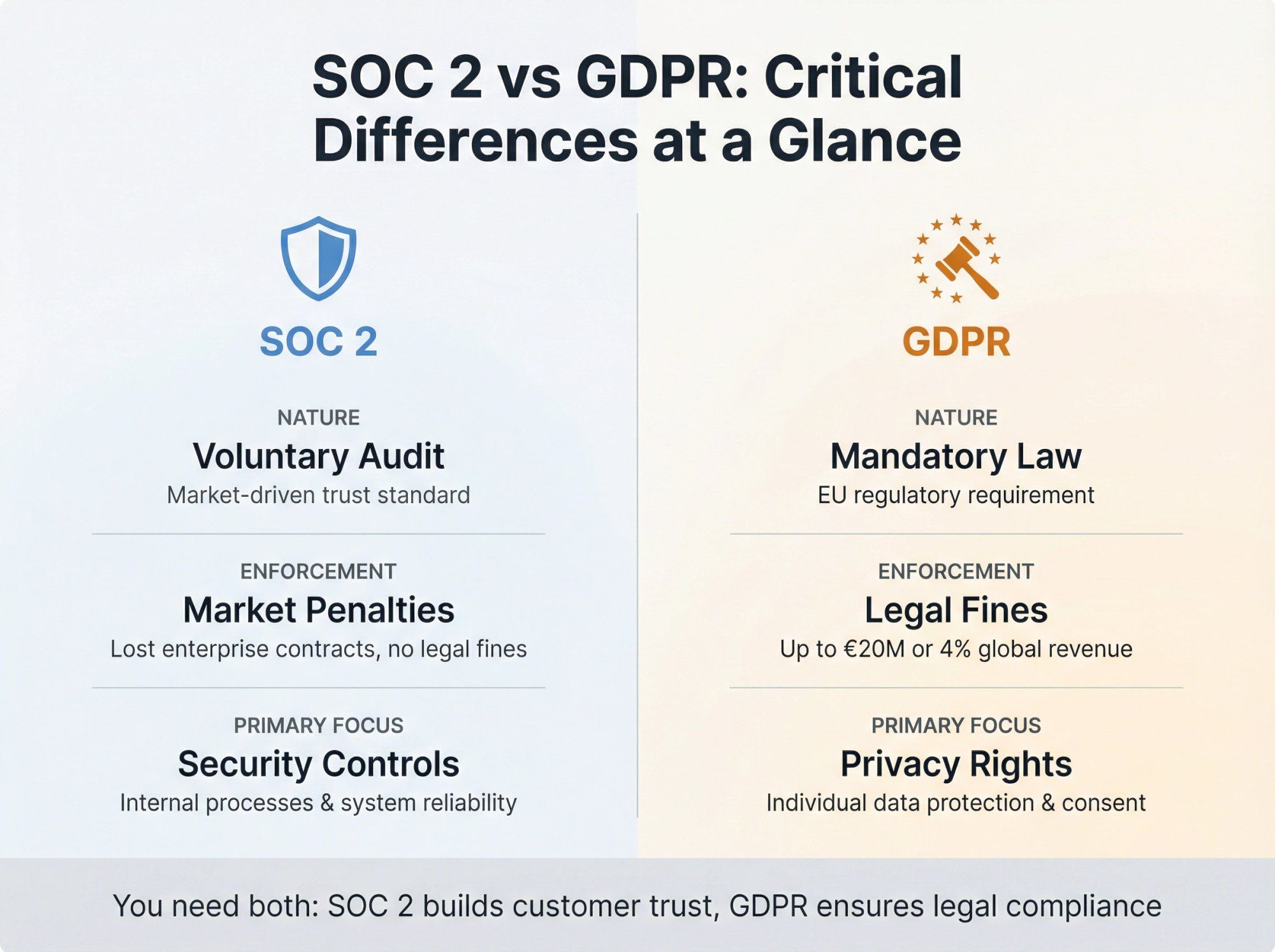
Convolytic holds key security certifications like SOC 2 Type II, which is a positive indicator of its commitment to security practices.
However, its history includes one past data breach, and there is a significant GDPR compliance consideration for non-enterprise customers due to its default data processing location in the US.
What Security Certifications Does Convolytic Hold?
Convolytic has invested in achieving standard enterprise-grade security certifications. Their security page lists the following:
- SOC 2 Type II: Holds a valid SOC 2 Type II certification (Audited November [year-1]). The report is available for prospective customers to review under a non-disclosure agreement (NDA). This audit verifies controls related to security, availability, and confidentiality.
- ISO 27001: Holds a valid ISO 27001 certification (Audited July [year-1]), which confirms the company has a formal information security management system.
| Compliance Area | Status | Key Consideration |
|---|---|---|
| SOC 2 Type II | ✅ Certified | Audited November [year-1]; report available under NDA |
| ISO 27001 | ✅ Certified | Audited July [year-1]; formal ISMS in place |
| GDPR Data Residency | ⚠️ Enterprise Only | Starter / Pro plans process data in US data centers by default |
| HIPAA | ❌ Not Stated | Not advertised — unsuitable for regulated healthcare PHI |
Has Convolytic Had Any Security Incidents?
Yes. In March [year-2], Convolytic disclosed a data breach that resulted from an improperly configured internal API.
According to their public blog post, this led to the unauthorized access of conversation metadata (like timestamps and user IDs, but not the full conversation text) for approximately 45 client accounts.
While the scope was limited and the company stated the vulnerability was remediated promptly, it does indicate that there have been security vulnerabilities in the platform’s history.
Is Convolytic GDPR Compliant?
This is a critical consideration for any European business. Convolytic claims GDPR compliance, but there is a major caveat: data residency in the European Union is an Enterprise-only feature.
For customers on the Starter and Pro plans, all data is processed and stored in their US-based data centers by default. With Convolytic, this is a critical question of data sovereignty, as data residency in the EU is an Enterprise-only feature.
This arrangement may not be compliant with GDPR requirements for certain types of data or for businesses that have made specific data sovereignty commitments to their customers.
💡 PRO TIP — De-Risking GDPR Compliance
For any EU business considering Convolytic’s non-enterprise plans, get written confirmation of data storage location before signing. If they cannot guarantee EU data residency in your Data Processing Addendum (DPA), it could be a significant factor for compliance.
Understanding Vendor Lock-In and Exit Strategy
Beyond security, a major risk is vendor lock-in. The combination of inflexible 12-month contracts and high data extraction fees makes it difficult and costly to leave the platform.
Users who wish to migrate to a competitor may face delays or unexpected costs. As discussed, several users have reported being quoted a fee of up to $2,000 to get a complete archive of their own data.
This is a crucial point to clarify during contract negotiations.
Part 5: A Step-by-Step Implementation & Deployment Guide
Successfully deploying a tool like Convolytic is less about technology and more about strategy.
Based on my experience with enterprise software rollouts, a phased approach that mitigates risk and validates value is essential.
Step 1: Conduct a Pre-Deployment Assessment
Before you even sign a contract, you need to conduct an honest internal assessment. Ask these questions:
- Do we have a dedicated owner? Who will be responsible for managing the platform, training the AI, and building reports? This cannot be a part-time responsibility. You need at least one named analyst.
- What is the specific business problem we are solving? Don’t buy an analytics tool in search of a problem. Define the goal first (e.g., “We need to understand the top 5 drivers of customer churn by Q3”).
- Is our data ready? Is your customer feedback data in a relatively clean and accessible format? If your data is a mess across a dozen disconnected systems, Convolytic will not magically fix it.
Step 2: Design a Pilot Program to Validate Value
Never roll out a tool like this company-wide from day one. I always recommend a paid pilot program to test the waters.
- Scope: Choose one specific use case and one data source (e.g., analyzing Zendesk tickets for bug reports).
- Duration: 60-90 days is ideal. This gives you enough time to get past the initial learning curve and see if the AI can be trained effectively on your data.
- Success Criteria: Define what success looks like before you start. For example: “The pilot will be successful if Convolytic can identify product bugs from support tickets with 80% accuracy after 30 days of AI training, saving the product team 5 hours per week of manual ticket review.”
- Negotiate the Pilot: Ask the Convolytic sales team for a paid, short-term pilot. Their willingness to do so is a good indicator of their confidence in the product.
Step 3: Mitigate Risks During Rollout
As you move from a successful pilot to a broader rollout, risk management is key.
- Data Governance: Immediately establish clear rules for who can access what data within Convolytic to protect customer privacy.
- AI Training: Do not trust the AI’s output for the first month. Have your analyst manually review and correct a significant sample of the AI’s classifications to build a reliable baseline.
- Executive Expectations: Be realistic with leadership. Show them the beautiful dashboards, but also explain the manual effort and time required to ensure the data is accurate.
Step 4: Follow a Phased Rollout Strategy for Enterprise Teams
For large organizations, I recommend a phased rollout by department or business unit.
- Phase 1 (60 days): Start with the department that has the most acute pain point and the cleanest data (e.g., the CX team). Use this phase to refine your AI rules and create your first set of master dashboards.
- Phase 2 (Next 90 days): Roll out to a second department (e.g., Product). Use the learnings and pre-built rules from Phase 1 to accelerate their time-to-value.
- Phase 3 (Ongoing): Gradually add more data sources and user groups as you prove the tool’s value and ROI at each stage.
Step 5: Measure Ongoing ROI and Justify Renewal
Your initial business case should not be the last time you measure ROI. Set up a simple framework to track the tool’s impact.
- Operational Efficiency: How many hours of manual work is Convolytic saving your team each month, and how does this translate into cost savings?
- Business Metrics: Can you draw a direct line from a piece of market intelligence found in Convolytic to a positive business outcome? (e.g., “We identified a feature request that led to a new product offering that generated $X in revenue,” or “We spotted a churn driver and fixed it, reducing churn by Y%”). Tracking this data makes the renewal conversation with your finance department a simple decision.
Part 6: Competitive Landscape — Convolytic vs. Alternatives
Convolytic is rarely the best choice on a single feature or price, but it strongly appeals to buyers who prioritize an exceptional user interface and presentation-ready dashboards above all else.
However, when you look at the competitive landscape, other tools offer better AI accuracy, lower and more transparent costs, or superior native integrations. For a full side-by-side breakdown, see our comprehensive Convolytic Top Alternatives and Competitors analysis.
| Feature | Convolytic | SentientMetrics | DialogIQ | Zendesk AI |
|---|---|---|---|---|
| UI/UX | Best-in-class | Strong | Basic but clean | Native to Zendesk |
| AI Accuracy (nuanced data) | ~62% | Higher than Convolytic | ~80% of Convolytic | Adequate for native data |
| Effective Monthly Cost | $1,299+ (Pro) | Premium tier | ~30% of Convolytic | Low-cost add-on |
| Contract Term | 12-month rigid | Annual | Month-to-month | Bundled / flexible |
| Best For | Fortune 500 reporting | Most accurate AI needs | SMB / budget-conscious | Zendesk-native shops |
Convolytic vs. SentientMetrics: Which has Better AI?
- Best-For: Teams that need the most accurate AI for nuanced analysis.
- Consider: SentientMetrics consistently outperforms Convolytic in handling sarcasm and industry jargon. A late [year-1] article in TechCrunch noted that Convolytic’s AI felt “a generation behind” key competitors. SentientMetrics offers superior real-time analytics with its ‘Real-time Agent Assist’ feature to guide support agents during live conversations, a capability Convolytic lacks entirely. It is also a premium tool but justifies its price with more advanced core technology.
- Avoid: If your primary need is beautiful, easy-to-build dashboards for executives, Convolytic’s UI remains superior.
Convolytic vs. DialogIQ: Is the High Price Justified?
- Best-For: Budget-conscious teams and SMBs who need flexibility.
- Consider: DialogIQ presents a compelling case, offering approximately 80% of Convolytic’s core value for about 30% of the price. Crucially, DialogIQ operates on a flexible, month-to-month contract model, which eliminates the financial risk associated with Convolytic’s rigid annual commitments. A Capterra review from January [year] perfectly summarizes this trade-off: “We trialed Convolytic and DialogIQ side-by-side… DialogIQ gave us 80% of the insights for 30% of the price, with a month-to-month contract. It was a no-brainer.”
- Avoid: If you require the advanced ‘Sentiment Trajectory Analysis’ or the best-in-class dashboard builder, Convolytic is the more powerful, albeit more expensive, option.
Convolytic vs. Native Platform AI (Salesforce/Zendesk): When is a Standalone Tool Necessary?
- Best-For: Companies heavily invested in the Salesforce or Zendesk ecosystems.
- Consider: Using native AI tools (like Einstein or Zendesk AI) is often the most cost-effective solution. These tools are typically bundled or available as a low-cost add-on. While they may not have the sophisticated analytics of a dedicated platform, their native integration with platforms like Salesforce ensures a truly seamless workflow.
- Avoid: A standalone tool like Convolytic is only necessary when your analytics needs are complex and span multiple platforms that the native AI cannot support. This aligns with expert commentary. In a November [year-1] Forbes article, Forrester Research analyst Dr. Anna Vacek stated, “A standalone tool is powerful, but expecting it to be a magical insight machine out of the box is a recipe for disappointment.”
Who is Convolytic Actually Best For?
After comparing it to the alternatives, a clear picture emerges. Convolytic is best for well-resourced enterprise teams who value presentation-ready dashboards above all else.
These teams have the budget to absorb the high TCO and, most importantly, have the dedicated analyst staff required to manage the tool’s weaknesses.
This is validated by success stories from large corporations. As a Director of Analytics at a Fortune 500 telecom company shared on G2:
“The dashboard is the best I’ve seen. My team of two analysts pipes in 50,000 conversations a month. Yes, we had to build custom rules for our industry’s jargon, but the ‘Sentiment Trajectory’ feature has been invaluable for identifying at-risk customers and has directly contributed to a 5% drop in churn.”
— Director of Analytics, Fortune 500 Telecom, via G2, Dec [year-1]
This quote perfectly encapsulates the ideal Convolytic customer: large data volume, a dedicated team, and a focus on measurable business outcomes that make the high price tag a worthwhile investment. If you’re in that bracket, it pays to grab the latest Convolytic promo and money-saving deal before locking in your annual contract.
Part 7: Final Verdict, Recommendations & FAQs
After a comprehensive analysis of its performance, pricing, and user feedback, our Convolytic review concludes that the platform is a tool of profound contradictions.
It pairs a best-in-class user interface with an AI engine that requires significant manual oversight and wraps it all in a punitive, high-cost contract structure.
What We Love
- Stunning Dashboards: Its greatest strength is the ability to create visually appealing, executive-ready reports with ease. For presenting insights to leadership, it is second to none.
- Powerful Analytics Engine: For teams that have the resources to manage it, the platform offers deep and granular analytics capabilities, like the ‘Sentiment Trajectory’ feature, that can uncover genuinely valuable business trends.
Things to Consider
- 💡 Marketing-focused AI Accuracy Claims: The claim of “95% accuracy” does not hold up in real-world scenarios with nuanced data, where performance is closer to 62% before significant manual training.
- 💡 High and Obscured TCO: The true cost is 20-60% higher than the sticker price due to mandatory fees, and this is not positioned transparently upfront.
- 💡 Punitive Contract Terms: Rigid 12-month contracts with difficult cancellation processes create significant financial risk for customers.
- 💡 Significant Manual Effort: The platform is not a “plug-and-play” solution. It requires a dedicated analyst to spend considerable time cleaning data and training the AI.
Clear Recommendations for User Segments
Based on this analysis, I have very specific recommendations for different types of buyers.
- ✅ We Recommend Convolytic For:
- Large enterprises (e.g., Fortune 500) with a budget of $25,000+ per year.
- Teams with two or more dedicated data analysts who can own the platform.
- Organizations whose primary need is generating high-quality, presentation-ready reports for executive leadership.
- ⚠️ We Advise Caution For:
- Mid-market companies whose leaders are evaluating the tool. You should only proceed if you can successfully negotiate more flexible contract terms (e.g., a 90-day out clause) and have a single, dedicated owner who can commit at least 10 hours per week to the platform.
- ❌ We Do NOT Recommend Convolytic For:
- Small to medium-sized businesses (SMBs). The cost is prohibitive and the required manual effort is unsustainable.
- Teams that need flexible, month-to-month contracts.
- Any organization looking for a low-effort, “plug-and-play” AI solution.
Risk Mitigation Summary
If you fall into the “Recommend” or “Caution” category and decide to proceed, you can de-risk your investment by taking these three steps:
- Demand a Full TCO Quote: Get all costs — subscription, mandatory onboarding, support, and overages — in writing.
- Negotiate the Contract: Push back on the rigid 12-month term and demand clarification on the exit process and data export fees.
- Run a Paid Pilot: Before signing a long-term deal, insist on a 60-90 day paid pilot to test the AI’s accuracy on your unique data.
If your due diligence checks out and Convolytic is the right fit, the smartest next step is to apply a verified discount before signing. You can also explore our full category of in-depth Review articles to benchmark Convolytic against other SaaS analytics platforms.
Disclaimer: This review is based on my expert analysis and publicly available information as of early [year]. It is for informational purposes and should not be considered financial or business advice. Readers should perform their own due diligence and request an official quote from the vendor.
Frequently Asked Questions
Q1: How much does Convolytic really cost in [year]?
A: The advertised price is just the starting point. In my analysis, the true Total Cost of Ownership (TCO) for the first year is typically 20-60% higher once you add the mandatory, non-refundable “Success Package” onboarding fee, which can be up to $3,000. This does not include optional costs like premium support ($500/month) or data overage fees. According to user reports on platforms like Trustpilot, these extra costs are often a surprise. To build an accurate budget, it is essential to request a full TCO quote that includes all one-time and potential recurring fees before signing a contract.
Q2: Is Convolytic worth the money?
A: It depends entirely on your resources and priorities. For a large enterprise with a dedicated team of analysts and a budget over $25,000, the beautiful dashboards and deep analytics can provide enough value to justify the high cost, as confirmed by enterprise user reviews on G2. However, for a small or mid-sized business without a dedicated analyst, my analysis suggests the value is not worth the high price and significant manual effort required. Cheaper, more flexible alternatives likely offer a better price-to-value ratio for these businesses.
Q3: What are the main problems with Convolytic?
A: Based on my research and user feedback, the three biggest issues are: 1) The AI’s accuracy is much lower on real-world nuanced data than what is marketed, requiring significant manual correction and training. 2) The pricing is not transparent, with high mandatory fees that are not clearly disclosed upfront, leading to a much higher TCO. 3) The contracts are very rigid, locking you into a 12-month commitment that is difficult and expensive to exit, creating significant vendor lock-in and financial risk.
Q4: How accurate is Convolytic’s AI?
A: While Convolytic claims up to 95% accuracy in its whitepapers, this is typically under ideal, controlled conditions. Independent tests, such as a benchmark report from SaaS Performance Labs, show that on nuanced customer data containing sarcasm and industry jargon, the accuracy can drop to around 62%. You should expect to spend significant time (users report 8-10 hours/week initially) training the AI on your specific data to get it to a reliable state for critical business decisions. This “human cost” is a key factor to consider.
Q5: Should I use Convolytic or DialogIQ?
A: It’s a classic “power vs. price” trade-off. Our Convolytic review recommends Convolytic if you are an enterprise with a large budget and your top priority is creating visually stunning reports for executives. We recommend DialogIQ if you are an SMB or mid-market company that needs a “good enough” solution at a fraction of the cost. DialogIQ’s flexible month-to-month contract, praised in Capterra reviews, also makes it a much safer financial choice for teams that need to validate ROI quickly.
Q6: Who is Convolytic best for?
A: Convolytic is best for a very specific profile: a large enterprise company (e.g., Fortune 500) with a mature data program, at least two full-time data analysts to manage the platform, and a primary need for high-quality data visualizations for leadership. This user profile, detailed in positive G2 reviews, has the resources to absorb the high TCO and manage the AI’s limitations. If you don’t fit that description, there are likely better, more cost-effective alternatives available.
Q7: Is Convolytic reliable and secure?
A: Convolytic is generally secure, holding important certifications like SOC 2 Type II and ISO 27001. However, transparency is key; they did have a data breach in March [year-2], which they publicly disclosed and remediated. The more significant consideration is reliability; the AI’s performance is inconsistent and requires a lot of human oversight to be trusted for business decisions. The platform itself is stable, but the insights it generates are not “plug-and-play” reliable without significant initial effort.
Q8: How do I get out of a Convolytic contract?
A: Getting out of a Convolytic contract is intentionally difficult due to the rigid 12-month terms. The best approach is to be proactive: before signing, negotiate a shorter term or a 90-day termination clause. If you are already in a contract, you should provide written notice of non-renewal well in advance of the auto-renewal date (as specified in your contract) and be prepared to pay for the full term. Users on forums like Reddit have reported significant challenges when trying to cancel mid-term, underscoring the importance of negotiating terms upfront.
Before you finalize your decision, double-check the most recent live offers on our Latest Coupons hub listing all working website coupons — your subscription quote could shrink meaningfully with a current promo.