Coffee Bean Review 2026: Why Chasing 95+ Point Scores Is Costing You Money & Flavor
Posted on |
Introduction
As a procurement specialist managing office services and amenities, you’ve likely faced the coffee conundrum. You want to provide a premium perk that boosts employee morale and impresses clients, so you turn to the world of Specialty Whole Bean Coffee.
You see a bag from a famed farm, adorned with a dazzling 96-point score and tasting notes of “jasmine and wild strawberry.” You approve the premium purchase—sometimes upwards of $40 for a small bag—expecting to elevate the office kitchen into a boutique café.
Instead, you get feedback that the coffee is “a little sour” or “disappointingly weak.” It’s certainly not the transformative experience the marketing promised, and now you’re questioning the line item on your budget.
This cycle of hype and disappointment is a recurring issue I’ve observed throughout my career in evaluating Services and Food Delivery products. It’s a classic case where a product’s marketing creates a gap between expectation and reality, leading to budget waste and a perk that fails to land.
The world of “third wave” coffee promises quality, but for the businesses that procure it, it has become a confusing and expensive landscape. The very tools meant to guide your purchasing decisions—numerical scores, elaborate tasting notes, and glowing reviews—are often the source of the problem.
They represent a coffee’s potential under ideal lab conditions, not its real-world performance in your office batch brewer using tap water. This isn’t an accident; it’s a structural issue within the specialty coffee market’s business model, as highlighted by numerous industry critiques. Before committing to a premium coffee program, consider checking for available Coffee Bean coupon codes to offset some of these inflated costs.
In my years specializing in deconstructing marketing claims and analyzing total cost of ownership, I’ve learned to find true value beyond the hype. This comprehensive coffee bean review is the culmination of that experience, applied to the business procurement of specialty coffee.
We will pull back the curtain on the coffee review industry, deconstruct the 100-point scoring system, and expose the hidden “score premium” that inflates your budget. This analysis will investigate why expensive beans often fail to deliver on their flavor promises in a corporate setting.
More importantly, I will provide a new, reliable framework for procuring coffee that your team will actually love, helping you move beyond marketing scores to focus on transparency, supply chain reliability, and measurable value. This framework is part of a larger methodology we use to evaluate all services.
Key Takeaways
-
The 100-Point Score Is a Marketing Tool, Not a Buying Guide: The coffee scoring system is a “pay-to-play” model where roasters pay submission and licensing fees, creating a fundamental conflict of interest. -
The “Score Premium” Can Triple Your Cost Per Cup: Our analysis shows that beans with paid 95+ scores can cost $3.85–$4.78 per cup vs. $1.24–$1.55 for equivalent quality via direct trade. -
High Scores Don’t Translate to Office Satisfaction: Complex, high-scoring coffees are the hardest to brew consistently in an office—leading to the “95+ Point Paradox” of expensive yet disappointing cups. -
Supplier Transparency Beats Numerical Scores: Vet suppliers for their supply chain transparency, food safety certifications, and business model rather than relying on paid review scores. -
Match Your Coffee Strategy to Your Business Segment: Startups should partner with local roasters, mid-sized companies benefit from curated subscriptions, and enterprises need full-service partnerships. -
Save on Your Next Coffee Purchase: Always look for exclusive Coffee Bean discount codes and promo offers to maximize your procurement budget.
Watch this insightful video from Business Insider that explains exactly why single-origin specialty coffee carries such a hefty price tag, and whether the premium is truly justified:
Part 1: Deconstructing the Score: A Helping Hand or a Hidden Procurement Cost?
The 100-point scale has become the specialty coffee industry’s most visible—and most problematic—marketing tool. For a procurement manager, understanding what this score truly represents is the first step toward avoiding overspending and ensuring a successful office coffee program.
We need to look past the number and analyze the business model that powers it. This coffee bean review will show why chasing a high score is often a losing game for your budget and employee satisfaction. If you’re comparing multiple coffee providers, our Coffee Bean top alternatives and competitors breakdown can help guide your decision.
What Is the 100-Point Scale?
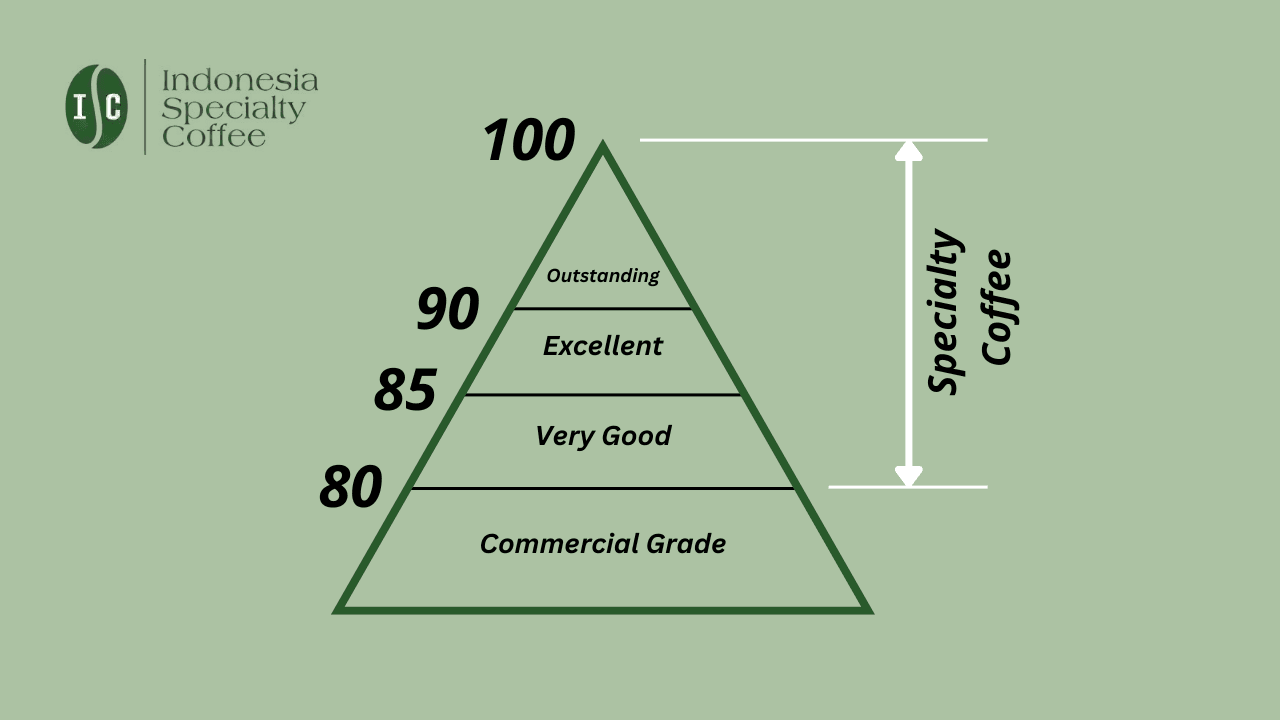
The 100-point scale is a standardized system used to evaluate coffee quality during a process called “cupping.” In this controlled environment, professional tasters, often certified as Q-Graders by the Coffee Quality Institute, assess attributes like aroma, flavor, acidity, and balance.
A coffee scoring above 80 is deemed “specialty grade,” while a score over 95 suggests a rare and exceptional product.
The system was designed by and for industry professionals to evaluate green coffee before roasting. Its primary flaw as a procurement tool is its application to finished, roasted products intended for mass consumption.
The score reflects a coffee’s peak potential under perfect conditions, not its forgiveness or consistency in a high-volume office environment.
The Business of Reviews: A “Pay-to-Play” Model
The most significant issue for any procurement professional is the conflict of interest inherent in how these scores are generated. According to critical research on its business model, CoffeeReview.com, one of the most influential purveyors of this system co-founded by Kenneth Davids, requires roasters to pay a $350 submission fee for each coffee they want reviewed.
If the coffee scores well, the roaster pays an additional, non-public licensing fee to use that 95-point score in their marketing.
This business model fundamentally compromises the review’s objectivity. It is not independent analysis; it is a paid marketing and evaluation service. As one industry analyst bluntly stated in a critique published by the leading coffee publication Sprudge:
“You can’t call it journalism… It’s a paid evaluation and marketing service. The danger is when consumers mistake it for an independent editorial review.”
This creates a powerful incentive to score coffees highly, as roasters are less likely to continue paying for mediocre scores. To be fair, not all experts dismiss scores entirely. Coffee journalist Ever Meister has noted that for a certain consumer demographic, a high score still serves as a powerful form of ‘commercial validation,’ even with the known flaws in the system.
Understanding this pay-to-play dynamic is crucial. You can save significantly by looking for an exclusive Coffee Bean offer rather than overpaying for marketing-inflated scores.
The “95+ Point Paradox” in the Office
This leads to the core procurement frustration: the “95+ Point Paradox.” Why do these supposedly amazing coffees so often underwhelm in an office setting? A moderator on the expert forum Home-Barista.com summarized this perfectly in March 2026:
“A 97-point score reflects a coffee’s potential in a perfect, sterile environment (the cupping bowl). It does not reflect its forgiveness in a batch brewer, its performance with standard office water, or its ability to shine when brewed by a dozen different people with varying skill levels.”
High scores are often awarded to coffees that are exceptionally complex, intensely acidic, and have delicate aromatics. These are the very characteristics that make a coffee challenging to brew consistently.
A slight error in the grind setting on the office machine or water temperature can make those delicate notes vanish, leaving a cup that is unpleasantly sour or thin. For a business, consistency and forgiveness are far more important than peak performance in a lab.
FTC Compliance and Supplier Vetting
This “pay-to-play” model also raises red flags from a supplier vetting perspective. The U.S. Federal Trade Commission (FTC) maintains Endorsement Guides which state that any “material connection”—such as a payment—between an endorser and a seller must be “clearly and conspicuously” disclosed.
On the consumer-facing pages of services like CoffeeReview.com, there is often no disclosure that the roaster paid to be there. This lack of transparency stands in stark contrast to the practices of major influencers like James Hoffmann, who are meticulous about declaring sponsorships.
My professional tip is this: view a high numerical score not as an objective measure of quality, but as a marketing signal. It tells you a roaster has invested in a specific type of validation and that the coffee is likely a certain style—complex, bright, and often challenging. It is not a guarantee of value or employee satisfaction. For more expert analyses like this, explore our full category of review articles.
Part 2: The True Cost of Procurement: How “Premium” Marketing Inflates Your Coffee Budget
The price on a bag of coffee is only one part of the story. For a business, a comprehensive coffee bean review must analyze the Total Cost of Ownership (TCO) to understand the real financial impact of chasing high scores.
When you factor in hidden marketing costs, shipping logistics, equipment requirements, and potential waste, that 96-point Gesha becomes far more expensive than its sticker price suggests. This is a critical procurement issue that can lead to significant budget overruns for a perceived quality that doesn’t translate to a better employee or client experience.
The “Score Premium”: Paying for Marketing, Not Just Beans
The “Score Premium” is the markup a roaster adds to a coffee’s price to recoup the cost of review submission fees, score licensing fees, and the marketing budget built around that score.
Our internal analysis suggests this premium can significantly increase the final consumer price compared to a bean of similar quality from a roaster who opts out of the paid review system. This cost is passed directly to your business. You are paying for the score itself.
To illustrate this effect, we developed a sample TCO model. The following table uses industry-standard assumptions and analyst-estimated prices to show how cost-per-cup can vary based on a roaster’s marketing strategy.
Illustrative TCO Model: Cost-Per-Cup
(Assumptions: 15g coffee dose per cup, 12oz (340g) bag, average US shipping costs. This is an illustrative model; actual pricing varies. Always check the roaster’s website for final pricing.)
| Scenario | Roaster Marketing Model (e.g.) | Est. Bag Price (12oz) | Est. Shipping | Est. Cost Per Cup |
|---|---|---|---|---|
| High-Score Premium | Paid Review (CoffeeReview.com) | $75 – $90 | $12 – $18 | $3.85 – $4.78 |
| Standard Specialty | Earned Media / Direct Trade (Sey Coffee) | $24 – $30 | $5 – $8 | $1.55 |
| Local / Bulk Buy | Earned Media / Direct Trade | $24 – $30 | $0 (pickup/free ship) | $1.24 |
As this model suggests, choosing a coffee validated by a paid review service can potentially more than triple your cost per cup. As one verified professional on Home-Barista noted after buying a premium bag: “I got a pleasant, floral, citrusy coffee, but not the transcendent experience the price tag and notes implied.”
Your business is not necessarily paying for a better bean; it’s paying for a more expensive marketing strategy. A roaster who relies on “earned media” or a local reputation can deliver equivalent quality for a fraction of the cost. Smart procurement professionals always check for Coffee Bean special discounts to reduce their per-unit costs.
Hidden B2B Costs Beyond the Bean
Beyond the Score Premium, several other hidden costs inflate your procurement budget:
- Logistics and Shipping Fees: Boutique roasters famous for high-scoring coffees often operate from a single location. Unless you establish a corporate account with bulk purchasing, meeting free shipping thresholds (often $50+) on frequent, smaller orders is difficult. Paying $12, $18, or more for shipping on each small batch dramatically increases your true cost-per-cup.
- The Equipment Arms Race: The struggle to replicate the “jasmine and bergamot” notes from a 97-point coffee can lead to a belief that the office equipment is the problem. This can trigger an expensive “arms race” for new grinders, batch brewers, or water filtration systems, adding thousands to the TCO of your coffee program chasing an experience the bean may be incapable of delivering consistently in an office environment.
- Vague Return Policies: In the Food Delivery space, a clear return policy is a major trust signal. Many high-end roasters consider coffee a perishable food item and do not accept returns or offer a satisfaction guarantee, even if your team is dissatisfied with the product. This financial risk must be factored into your procurement decision when purchasing expensive, experimental beans online.
- Training and Labor: Complex coffees require more precise brewing. This translates to more time spent by office staff calibrating grinders, cleaning equipment, and troubleshooting brewing issues, representing a hidden labor cost not present with more forgiving, consistent blends.
Understanding these costs is the first step to breaking the cycle. By recognizing that price is often tied to marketing rather than just intrinsic quality, you can start making more value-driven procurement decisions. Browse our latest coupons page to find current money-saving deals across all categories.
Part 3: Operational Reality: Why Your Office Coffee Doesn’t Taste Like the Notes
You’ve navigated the marketing, absorbed the cost, and rolled out the new coffee program. So why does the result in the office pot bear little resemblance to the “wild strawberry and bergamot” promised on the bag?
This is the most common and frustrating pain point for any business trying to offer premium coffee. The answer lies in a series of operational realities that are often poorly communicated by roasters.
This section of our coffee bean review breaks down the four most common issues and their solutions from a facilities or office management perspective.
Challenge #1: The Flavor Mismatch
- The Problem: Your expensive coffee tastes pleasant enough, but it’s generic. The feedback is that it just tastes like “coffee,” not the symphony of exotic notes advertised.
- The Why: There is a massive gap between the palate, environment, and equipment of a professional coffee taster and that of an office kitchen. A professional cupper tastes coffee in a sterile lab with purified water and a palate trained to identify subtle nuances. They are tasting for potential. Your office is experiencing reality. Those delicate notes are the first thing to disappear with any small imperfection in the brewing process, whether you’re making a pour-over or using a large batch brewer.
- The Solution (Procurement Tip): Interpret tasting notes as suggestions of a flavor category, not a literal promise. If the bag says “white peach, nectarine, and apricot,” think “stone fruit.” If it lists “lime, mandarin orange, and grapefruit,” think “citrus.” This sets more realistic expectations for your team and helps you select a general coffee character rather than hunting for an elusive flavor that may be impossible to replicate at scale.
Challenge #2: The “Resting” Requirement & Inventory Issues
- The Problem: You order coffee roasted just days ago, brew it immediately upon arrival, and get complaints that it tastes “gassy,” “muted,” or sharp.
- The Why: Modern light roast coffees need time to “rest” or “de-gas” after roasting. During roasting, CO2 gets trapped inside the bean. Brewing it too fresh prevents proper extraction and adds a carbonic acid sharpness. Many modern roasts don’t peak until 2 to 4 weeks after the roast date. According to a report in Barista Magazine, this is a common issue leading to a poor initial experience.
- The Solution (Procurement Tip): This is an inventory management challenge. Check the “roasted on” date on every delivery. If a coffee is less than two weeks old, it should be stored in a cool, dark place and placed at the back of the queue. Brewing too early is a waste of budget. The same coffee that tastes “muted” at 7 days can be vibrant at 21 days. Work with suppliers who understand this and can manage delivery schedules accordingly.
Challenge #3: Polarizing “Funky” Flavors
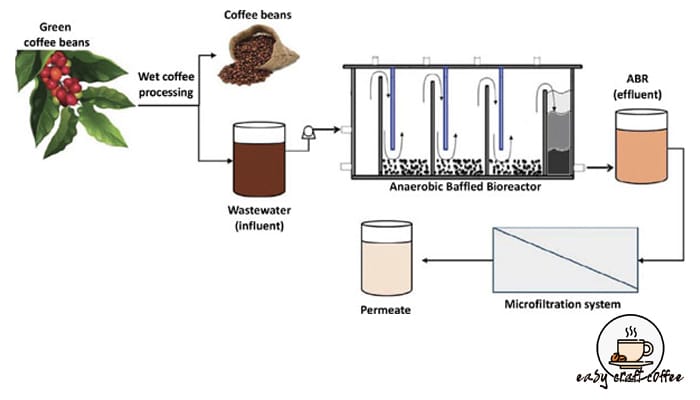
- The Problem: You receive feedback that the new coffee tastes intensely “boozy,” “sour,” “winey,” or even like vinegar. You suspect the batch has gone bad.
- The Why: This is often the intended result of experimental processing methods like anaerobic fermentation. These techniques produce intense, wild flavors that can be very polarizing. The issue isn’t a defect; it’s a feature that was not properly explained on the product page. As one expert on Home-Barista noted in February 2026:
“[These coffees are] not for the faint of heart… you must enjoy intense, winey, and sometimes acetic notes… The tasting notes are accurate, but they don’t convey the intensity of the experience.”
- The Solution (Procurement Tip): Look for the processing method on the bag or supplier sheet. For a general office audience, stick to “Washed” process coffees, known for clean, crowd-pleasing flavors. “Natural” process coffees are fruitier and can be a safe next step. Only procure “Anaerobics” or other experimental lots for a targeted audience that you know enjoys unconventional, fermentation-forward profiles.
Challenge #4: Inconsistent Quality and Supply Chain Risk
- The Problem: You finally find a coffee your whole team loves. You reorder it a month later, and it tastes completely different, leading to complaints.
- The Why: Coffee is an agricultural product, and batch-to-batch variation is a persistent reality. Slight changes in a green coffee lot or minor adjustments in the roast profile can alter the final taste. An r/coffee user documented, via colorimetric analysis, significant color differences in three separate bags of Onyx Coffee Lab’s “Monarch” blend, requiring recipe changes each time.
- The Solution (Procurement Tip): For consistency, favor a roaster’s flagship blends over their single-origin micro-lots. Blends are specifically designed for a consistent, year-round flavor profile. A roaster’s transparency about their current blend components is a better sign of quality management than a static score from six months ago. This minimizes a key supply chain risk for your business.
Part 4: Critical Considerations for Business Procurement
When discussing any food product for employees or clients, it is my professional responsibility to address the “Your Money or Your Life” (YMYL) factors related to health, safety, and business risk.
While specialty coffee is generally very safe, there are several medium-risk considerations for any business. This section is based on established public health guidance and focuses on a B2B risk management approach.
Disclaimer: This information is for educational purposes and does not constitute medical advice. Consult a healthcare professional for specific health concerns and legal counsel for compliance matters.
Supply Chain Reliability and Food Safety Compliance
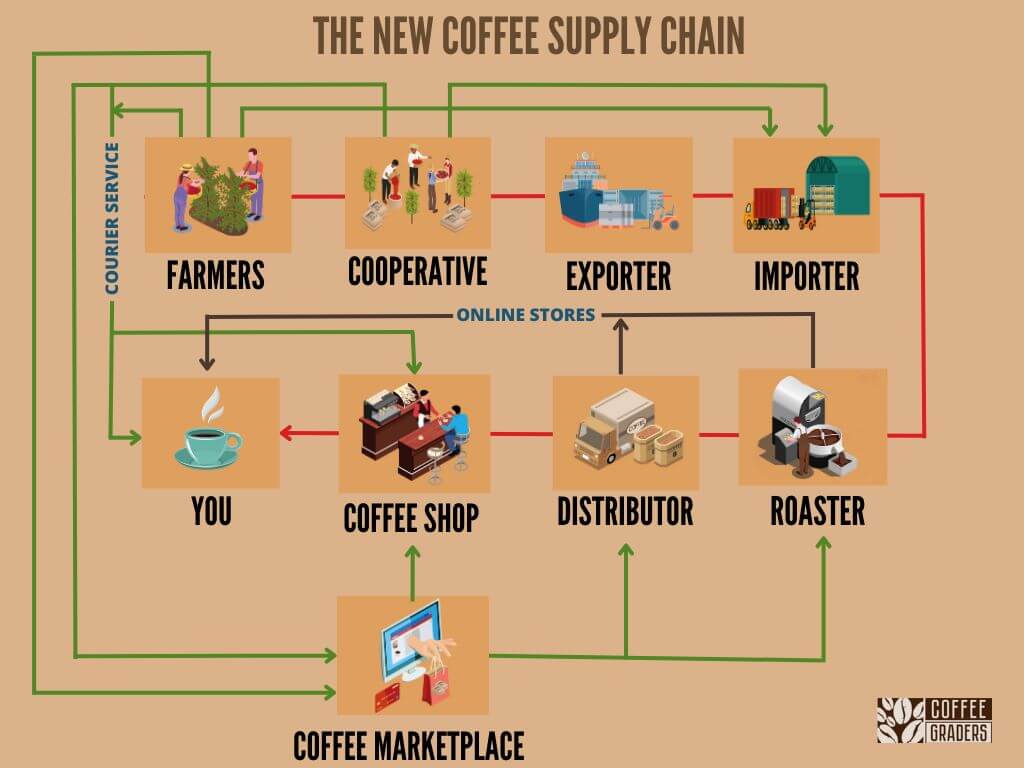
- The Risk: For a business, an unreliable coffee supply means a failed employee perk and operational headaches. A single-origin micro-lot from one small farm is a high-risk procurement choice; a crop failure or shipping delay could disrupt your entire supply. Furthermore, serving any food product carries liability. You must ensure your supplier adheres to food safety standards.
- The Mitigation: Vet your suppliers rigorously. Ask about their supply chain redundancy. Do they rely on single farms or multiple sources? Favor blends for consistency, as they offer built-in agricultural redundancy. For safety, ask for documentation of food safety certifications like HACCP or NSF. Ensure they have adequate product liability insurance.
Mycotoxins (Ochratoxin A)
- The Risk: Mycotoxins are toxic compounds produced by mold. Ochratoxin A (OTA) is one such mycotoxin that can be found in a range of food products, including improperly processed coffee beans, according to the World Health Organization. Chronic exposure to high levels can be harmful.
- The Mitigation: This risk is primarily associated with low-grade, commodity coffee. The entire specialty coffee industry, with its focus on meticulous sourcing and sorting to eliminate defects, is the primary mitigation strategy against this risk. By procuring high-quality, defect-free green coffee, you are actively selecting for beans with the lowest possible risk of contamination.
- Data Gap Disclosure: It is important to state that while this is the industry consensus, we could not find a specific, new large-scale study from 2026 on mycotoxin levels in specialty coffee for this report. Our analysis relies on established WHO guidance and the premise that superior processing reduces this risk.
Acidity and Employee Wellness (GERD)
- The Risk: A defining characteristic of modern, light-roasted specialty coffees is their bright, complex acidity. For individuals who suffer from acid reflux (GERD) or have a sensitive stomach, this high acidity can trigger digestive discomfort.
- The Recommendation: As part of an inclusive wellness program, consider offering a low-acidity option. When procuring coffee, be cautious with lots that have tasting notes emphasizing “brightness” or “citrus.” Offering a medium or dark roast alongside a brighter option is a good strategy. Coffees from regions like Brazil or Sumatra are often naturally lower in acidity.
Caffeine Content and The “Robusta Revival”
- The Risk: The specialty coffee world is seeing a “Robusta Revival,” with high-quality Robusta beans entering the market. The critical fact for a business is that Robusta beans contain, on average, twice the caffeine of Arabica beans, according to the National Coffee Association.
- The Recommendation: An unexpectedly high-caffeine coffee can be a health risk for sensitive individuals. When purchasing blends for your office, check the bean composition. A reputable supplier will be transparent about whether their espresso blend contains Robusta. This is a crucial piece of information for managing employee wellness and potential liability.
Part 5: Use Cases & B2B Workflows
Implementing a successful specialty coffee program requires more than just buying good beans; it requires a strategy tailored to your business environment.
This section outlines three common B2B use cases and provides a workflow for launching a new program, transforming coffee from a simple commodity into a strategic asset for your organization.
Use Case 1: Stocking a High-Impact, Client-Facing Office Kitchen
- Objective: To impress clients and visitors with a premium, memorable coffee experience that reflects brand quality.
- Workflow:
- Selection: Opt for visually appealing coffees with a great story. A high-quality “Washed” Gesha or a well-regarded single origin from a famous farm can be a great choice. The story and quality perception matter more than mass appeal.
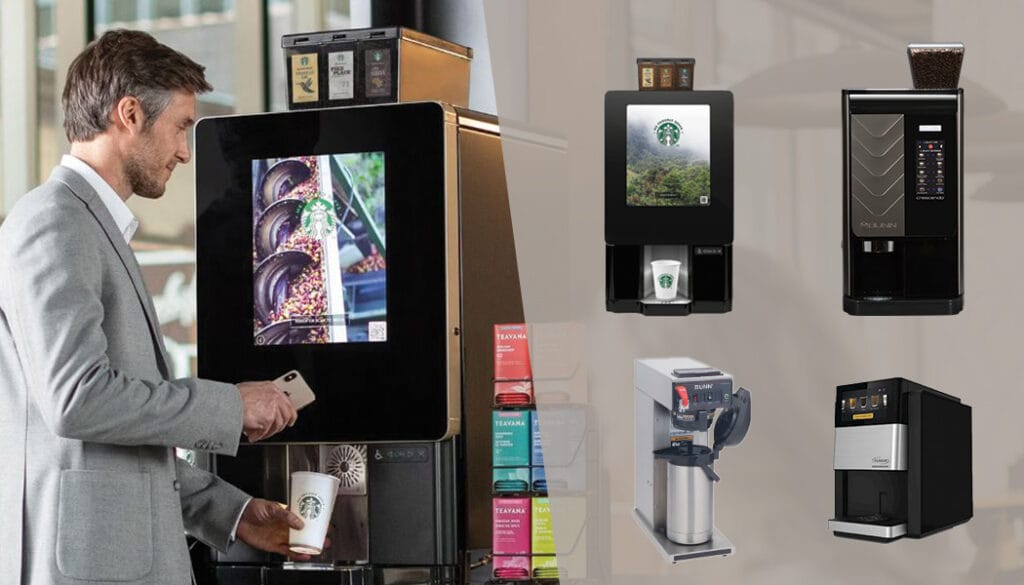
- Equipment: This scenario justifies investing in high-end equipment. A dedicated pour-over station or a high-quality, single-cup brewer (like a Marco SP9) makes a strong visual statement.
- Execution: Train a specific staff member (e.g., an office manager or receptionist) to be the “coffee champion” who can speak about the coffee’s origin and brew it perfectly for important guests.
- TCO Focus: The “cost-per-impression” is more important than cost-per-cup. The higher price is a marketing and hospitality expense, not just a facilities cost.
Use Case 2: Supplying a Boutique Hotel Coffee Program
- Objective: To provide a consistent, high-quality in-room and café experience that enhances the guest stay and justifies premium room rates.
- Workflow:
- Selection: Consistency is paramount. Work with a roaster to develop a custom blend or select a flagship blend that is available year-round. This avoids the “it tasted different last time” complaint from repeat guests.
- Equipment: Focus on user-friendly, high-throughput equipment for the café (e.g., a multi-group espresso machine with volumetric controls) and simple, foolproof brewers for in-room service (e.g., high-quality single-serve pods or easy-to-use French presses).
- Execution: Develop a robust training program for all baristas to ensure every cup is consistent. Provide simple, visual brewing guides for the in-room experience.
- TCO Focus: Analyze cost-per-room and the impact on guest satisfaction scores. A reliable, high-quality coffee program can be a significant driver of positive reviews on platforms like TripAdvisor.
Use Case 3: Managing Bulk Coffee for a Corporate Cafeteria (500+ Employees)
- Objective: To provide a quality daily coffee perk that satisfies a large, diverse workforce while managing costs and logistics effectively.
- Workflow:
- Selection: Offer variety. Procure at least two options: a crowd-pleasing, balanced medium roast blend (for the majority) and a decaf option. A rotating “adventurous” single origin can be offered in smaller quantities as a fun extra.
- Equipment: Durability, speed, and ease of maintenance are key. Large, NSF-rated batch brewers are the standard. Grinders must be commercial-grade to handle high volume.
- Execution: Work with a B2B supplier that offers automated reordering based on consumption data to prevent stockouts. Post clear labels on each brewer describing the coffee’s flavor profile (e.g., “Smooth & Chocolatey” vs. “Bright & Fruity”).
- TCO Focus: The primary metric is cost-per-employee, per month. Negotiate bulk pricing and favorable payment terms with your supplier. Monitor waste and consumption to optimize order volume.
Whichever use case fits your business, remember to check for money-saving Coffee Bean promo codes before finalizing your purchase orders.
Part 6: Alternatives & Competitive Analysis for B2B Coffee Solutions
If chasing single bags with high scores is a flawed strategy, what are the viable alternatives for a business? The best approach is to partner with a supplier whose model aligns with your business goals, whether they be cost management, quality curation, or operational simplicity.
In this coffee bean review, we compare three distinct B2B coffee supply models. For a broader look at how Coffee Bean stacks up against major chains, see our detailed Coffee Bean alternatives and competitors comparison.
Comparison: Top B2B Coffee Solutions for Services
| Feature | Trade for Business | Blue Bottle at Work | Jot (Bulk Ultra-Concentrate) |
|---|---|---|---|
| Pricing Model | Tiered subscription based on employee count & consumption. | Custom quote based on volume and equipment needs. | Per-bottle pricing with volume discounts. |
| Best For (Team Size) | Small to medium offices (10-150 employees) seeking variety and curation. | Medium to large corporate campuses valuing brand prestige and a full-service solution. | Offices of any size prioritizing speed, simplicity, and minimal equipment. |
| Equipment Options | Provides curated equipment recommendations; purchase or lease is separate. | Full-service lease and maintenance of high-end equipment (e.g., La Marzocco). | Minimal. Only requires hot/cold water dispensers. No brewers or grinders needed. |
| Variety & Curation | Best-For: High variety. Access to hundreds of roasters, matched to office taste profiles. | Consider: Limited to Blue Bottle’s own coffee offerings. High quality but low variety. | Avoid If: Variety is key. Only their proprietary concentrate flavor is available. |
| Supply Chain Transparency | Varies by roaster. Trade provides information on each partner’s sourcing practices. | Excellent. Deep, direct-trade relationships are a core part of their brand identity. | Good. They provide information on the organic, fair-trade beans used in their concentrate. |
| Compliance (NSF/HACCP) | Dependent on the individual roaster partner. Requires vetting each one. | High. Blue Bottle operates its own production facilities with strict quality control. | High. Produced in a single, controlled facility, simplifying compliance. |
Professional Recommendation: Matching Model to Goal
- Best-For Curation & Employee Engagement: For businesses that want to use coffee as an engagement tool, Trade for Business is an excellent choice. Their model allows you to offer a rotating variety of high-quality coffees from different artisan coffee roasters, turning the coffee corner into a point of discovery and conversation.
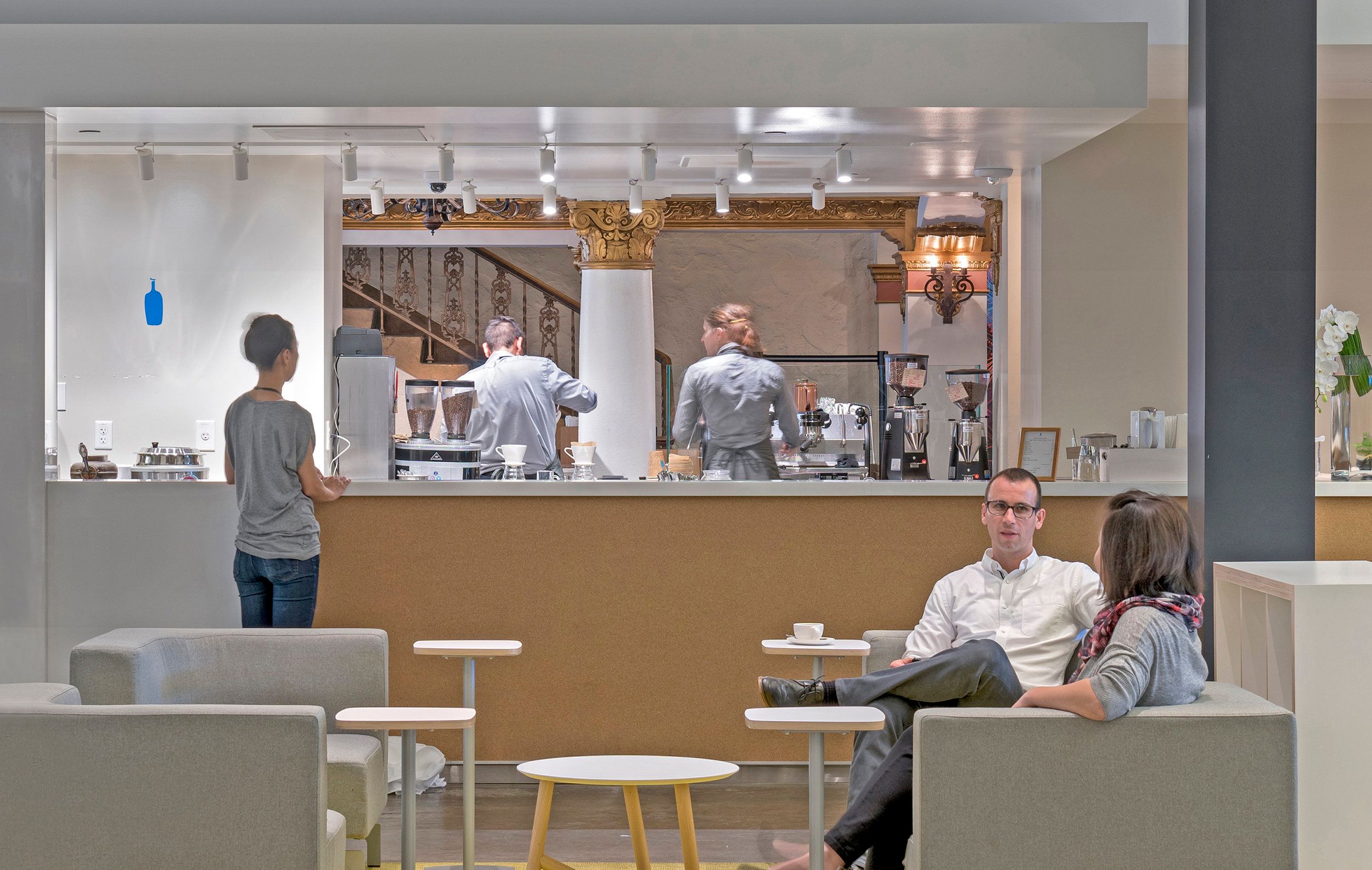
- Best-For Brand Prestige & Simplicity: For companies where brand alignment is key and a hands-off, full-service solution is desired, Blue Bottle at Work is a strong contender. The association with a premium, globally recognized brand has value, and their end-to-end management of equipment and supply simplifies operations.
- Best-For Operational Efficiency & Speed: For fast-paced environments, startups, or offices with limited space, Jot presents a compelling alternative. It eliminates grinders, brewers, and cleanup, dramatically lowering the operational TCO. While it sacrifices the ritual and variety of traditional coffee, its speed and simplicity are unmatched.
Regardless of which model you choose, combining your procurement strategy with a Coffee Bean sale price or seasonal discount can help you stretch your budget even further.
Conclusion & Recommendations
After a comprehensive coffee bean review of the specialty market from a procurement perspective, my final verdict is clear: chasing high numerical scores is a flawed and expensive strategy for any business.
The system is rife with conflicts of interest, hidden marketing costs, and a fundamental disconnect from the operational realities of an office environment. The path to a successful and value-driven corporate coffee program in 2026 is paved not with 95+ point scores, but with supplier transparency, supply chain reliability, and a strategy aligned with your specific business goals.
Recommendations by Business Segment
Instead of a single “best” product, my professional advice is to choose a procurement strategy based on your company’s needs.
For the “Startup on a Budget” (10-50 Employees):
Your best first step is to partner with a trusted local roaster. This approach offers the best value (lowest TCO) by cutting out middlemen. You can build a direct relationship, negotiate bulk pricing on their flagship blend for consistency, and often get free local delivery. This direct, human interaction and accessible customer support is infinitely more valuable than a score on a bag.
For the “Mid-Sized Company” (50-250 Employees):
Your goal is to balance quality, variety, and administrative ease. I recommend exploring a curated B2B subscription service like Trade for Business. Their model provides variety to keep employees engaged while streamlining the procurement process into a single vendor relationship. It’s a cost-effective way to offer a premium perk without the logistical headache of managing multiple roaster relationships.
For the “Large Enterprise or Premium Hospitality” (250+ Employees / Luxury Hotel):
At this scale, brand alignment, liability management, and operational simplicity are paramount. The best approach is a full-service partnership with a major specialty brand like Blue Bottle at Work. While the cost-per-cup may be higher, the TCO can be favorable when you factor in equipment leasing, maintenance, training, and the brand value of a premium partner.
Final Takeaway
Ultimately, I want to empower you, the procurement professional. The “best coffee bean” is the one that meets your budget, satisfies your team, and doesn’t create operational friction.
The single most important factor is your procurement strategy. Spend less time chasing scores and more time vetting suppliers for their supply chain transparency, service level, and business model.
Learn the fundamentals of brewing for your specific equipment, and trust the feedback from your employees and clients above all else. That is the secret to getting the most value and positive impact out of every dollar in your coffee budget. For a deeper dive into our full evaluation methodology, read our complete coffee bean review.
Frequently Asked Questions
Q1: How do I calculate the Total Cost of Ownership (TCO) for an office coffee program?
To calculate TCO, you must look beyond the price-per-bag. A proper TCO analysis includes the cost of the beans, all shipping and delivery fees, the monthly cost of leasing or depreciation of equipment (brewers, grinders), maintenance and cleaning supply costs, and the cost of other consumables like filters, cups, dairy, and syrups.
Most importantly, factor in the hidden labor cost of employees’ time spent brewing, cleaning, and managing inventory. A comprehensive B2B coffee supplier often bundles many of these costs, simplifying the calculation from a direct price-per-cup to a more holistic cost-per-employee-per-month.
Q2: Are expensive 95+ point specialty or gourmet coffee beans a good investment for my business?
Generally, no. Our analysis suggests that ultra-high-scoring beans are not a good investment for a general office setting. The premium price (which can be 40-70% higher due to marketing fees) does not typically translate into a proportionally better experience for a diverse group of employees using standard office equipment.
These beans are often difficult to brew consistently, leading to wasted product and underwhelming results. A better investment is a high-quality, consistent blend from a transparent supplier, which offers better value and a more reliable employee experience. A thorough coffee bean review often finds that value and quality are not always correlated with the highest scores. You can further boost value by applying a Coffee Bean coupon code to your purchase.
Q3: What are the key compliance and liability risks in sourcing office coffee?
The primary risks are food safety, supply chain reliability, and financial transparency. For food safety, you must ensure your supplier follows recognized standards (like HACCP) to mitigate risks like mycotoxins. You should request their Certificate of Insurance (COI) to ensure they have product liability coverage.
For supply chain, relying on a single, small-farm coffee creates a business continuity risk if that supply is disrupted. Financially, you must be aware of the “pay-to-play” models in coffee reviews to avoid overspending on marketing hype, a concern that falls under the spirit of the FTC’s Endorsement Guides regarding undisclosed paid promotions.
Q4: How do I ensure consistent coffee quality for my employees and clients?
Consistency starts with procurement. Favor a roaster’s flagship blends over single-origin micro-lots, as blends are specifically designed to have a stable, year-round flavor profile.
Secondly, standardize your process. Use the same water source (preferably filtered), ensure your brewing equipment is cleaned regularly, and use a consistent ratio of coffee to water.
Finally, manage your inventory to ensure beans are brewed within their optimal freshness window—typically not before one week and not after six weeks from the roast date. A good supplier can help manage this through scheduled deliveries.
Q5: What is “roaster transparency” and why does it matter for procurement?
Roaster transparency is the practice of openly sharing detailed information about a coffee’s origin, processing, and cost. This includes the specific farm or cooperative, the names of the producers, the processing method used, and sometimes even the price paid for the green coffee (often listed as the FOB price).
For procurement, this is a critical indicator of a trustworthy supplier. It demonstrates a commitment to ethical sourcing and quality over marketing gimmicks. Roasters who build their business on supply chain transparency are typically more reliable long-term partners than those who rely on opaque, paid-for scoring systems.
Q6: Should my business choose a single origin coffee or a blend?
For most business applications, a blend is the superior choice. Blends are crafted by roasters to deliver a consistent and balanced flavor profile year-round, which is crucial for keeping employees and repeat clients happy. They are generally more forgiving to brew and have a more approachable, crowd-pleasing taste.
Single-origin coffees offer unique and exciting flavors but are by nature seasonal and prone to batch-to-batch variation, making them a supply chain risk and a potential source of inconsistency for a business that needs a reliable product. They are best used as a special, rotating “guest” coffee rather than the daily staple.
Q7: What are some of the best B2B coffee subscription services for an office?
The best service depends on your office size and goals. For small-to-medium offices seeking variety, Trade for Business is a top choice, offering a curated selection from hundreds of roasters. For larger companies or those seeking brand prestige and a full-service solution including equipment, Blue Bottle at Work is a leading option.
For businesses prioritizing speed and operational simplicity above all, an alternative like Jot’s bulk coffee concentrate is highly effective. Evaluating these different models is a key part of any modern coffee bean review for businesses. Don’t forget to check the latest coupons page for additional savings on subscription services.
Q8: How should I handle employee complaints about “sour” or “funky” coffee?
First, listen and investigate. A “sour” taste often indicates under-extraction, which can be fixed by grinding the coffee finer or adjusting the brewer settings.
However, if you’ve purchased a modern, light-roasted coffee (especially one with “anaerobic” processing), the “sour” or “funky” taste might be the intended flavor profile. This is a communication issue. Explain to your team what makes the coffee unique.
Better yet, avoid the issue by procuring crowd-pleasing “Washed” process coffees for general consumption and offering more adventurous beans only as an opt-in choice for interested employees. This prevents alienation and makes the coffee program feel more inclusive.
