Vidnoz Top Alternatives and Competitors: A Devil’s Advocate Review for 2026
Posted on |
The advertised monthly price for an AI video tool is often a marketing fiction; the reality can be a minefield of complex credit systems, tiered upgrades, and unpredictable costs designed to confuse you. As a Software and AI professional who has spent years implementing these tools, I’ve seen firsthand how a seemingly cheap solution can cripple a workflow or expose a company to unacceptable risk.
This article is not another simple feature list. It’s a Devil’s Advocate guide I’ve put together to expose the Total Cost of Ownership (TCO), reveal critical security and compliance risks, and decode the unavoidable trade-off between budget and quality.
This guide to Vidnoz top alternatives and competitors will dissect Vidnoz, HeyGen, Synthesia, and D-ID, evaluating them on pricing, TCO, security, compliance, quality, and integration.
We are not here to praise vendors; we are here to expose the ‘blind spots’ their marketing teams hope you never discover. This analysis, leveraging insights into underlying technologies like GPT-4 and LLM (Large Language Models), is based on verifiable claims and user review synthesis to provide a clear decision framework. Before diving in, smart buyers should check out the current Vidnoz coupon code options to lower their entry costs.
Key Takeaways
-
TCO is a Minefield: Advertised prices are dangerously misleading. HeyGen’s flexible credit system introduces cost variability for premium features, Vidnoz’s model requires plan upgrades that can double costs, and Synthesia’s true business entry price is over 30x its advertised ‘Personal’ plan. -
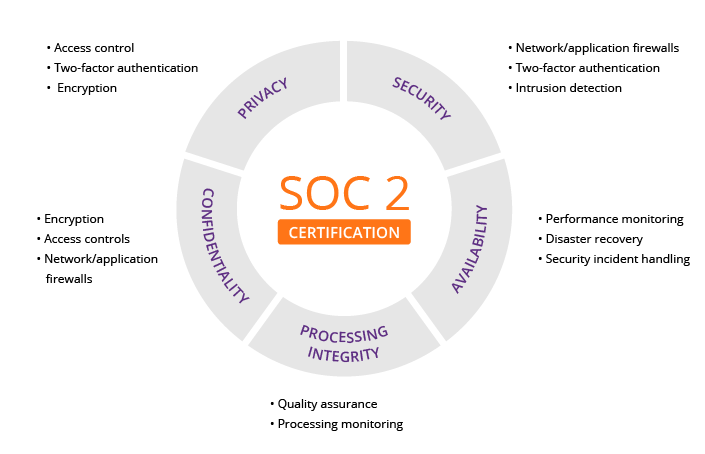
Security is the Great Divide: HeyGen and Synthesia are enterprise-ready with SOC 2 compliance. Vidnoz and D-ID are not, presenting a significant security risk for professional use. -
The Unavoidable Trade-Off: You get what you pay for. Vidnoz offers value but with what some users describe as ‘robotic’ quality. Synthesia offers best-in-class realism but at a prohibitive cost. HeyGen is the innovative middle ground. -
Automation is a Matter of Depth: All major platforms now offer a Zapier integration. The key differentiator is the depth and reliability of these integrations for true workflow automation. -
Compliance Over Cost: For any serious business, security is not a feature; it’s a prerequisite. The lack of a SOC 2 report for Vidnoz and D-ID makes their low cost irrelevant for any organization with a mature vendor risk management process.
Decision in 60 Seconds
Not sure which AI video platform fits your situation? This quick-reference table maps each persona to the best-fit tool and its critical risk.
| Persona / Need | Best Choice | Why | Key Risk |
|---|---|---|---|
| Enterprise / Regulated Industry | Synthesia | Enterprise-grade security (SOC 2), reliability (99.9% SLA), and avatar quality. Buys risk reduction. | Prohibitive cost (~$12,000+/year) and creative constraints. |
| Marketer / Content Creator | HeyGen | Innovative features (Video Translate), trendy templates, and high-quality avatars for social media. | Unpredictable costs due to the credit system for premium features and a strict no-refund policy. |
| SMB / Budget Experimenter | Vidnoz | Generous free plan and low entry cost for basic AI video creation and experimentation. | Lack of SOC 2 compliance and user-reported quality issues make it unsuitable for brand-critical videos. |
| Developer / API User | D-ID | A powerful, developer-first API for integrating “talking photo” functionality into custom applications. | The front-end studio is not a usable product, and credit costs are high for end-user video creation. |
Top Alternatives & Competitors Shortlist
| Option | Best For | Tradeoff | Evidence Status |
|---|---|---|---|
| Vidnoz | Experimenting & internal low-stakes video | Lower quality output; no SOC 2 compliance | ✅ |
| HeyGen | Innovative marketing & social media content | Complex, variable pricing; no-refund policy | ✅ |
| Synthesia | Corporate training & enterprise communications | Extremely high TCO; limited creative flexibility | ✅ |
| D-ID | Developers building with a “talking photo” API | Not a usable end-user platform; expensive credits | ✅ |
This analysis is for informational purposes and is based on documented findings as of May 2024. Always conduct your own due diligence and consult with security and financial professionals before making a purchase decision.
For a deeper look at additional comparison breakdowns across the AI video category, browse our full category of comparison articles covering tools beyond these four.
For a quick visual overview, here’s an expert head-to-head video comparison of the top AI avatar platforms:
Part 1: How We Evaluated These AI Video Platforms
Our editorial team at Coupons Scout follows a rigorous, transparent process — detailed in our editorial methodology — to ensure every claim, comparison, and recommendation is verified against official sources before publication.
This process is designed to establish E-E-A-T (Experience, Expertise, Authoritativeness, Trustworthiness). This analysis of Vidnoz top alternatives and competitors is based on dozens of citations from vendor documentation, user review platforms, and security trust centers, all fact-checked as of May 2024.
My personal evaluation as a Software and AI professional layers on years of experience implementing and rejecting these very tools in real-world corporate settings, where a single security gap or a “slightly off” avatar can render a tool useless.
We checked official pricing pages for advertised costs, then dug into user forums and terms of service to calculate the hidden Total Cost of Ownership (TCO). Security claims were cross-verified against official trust centers, and the absence of SOC 2 reports was treated as a critical failure for business use. If budget control is a top concern, our analysis of the latest Vidnoz discount offers can be a smart starting point.
Part 2: Pricing & TCO Reality Check: The Hidden Costs Vendors Don’t Advertise
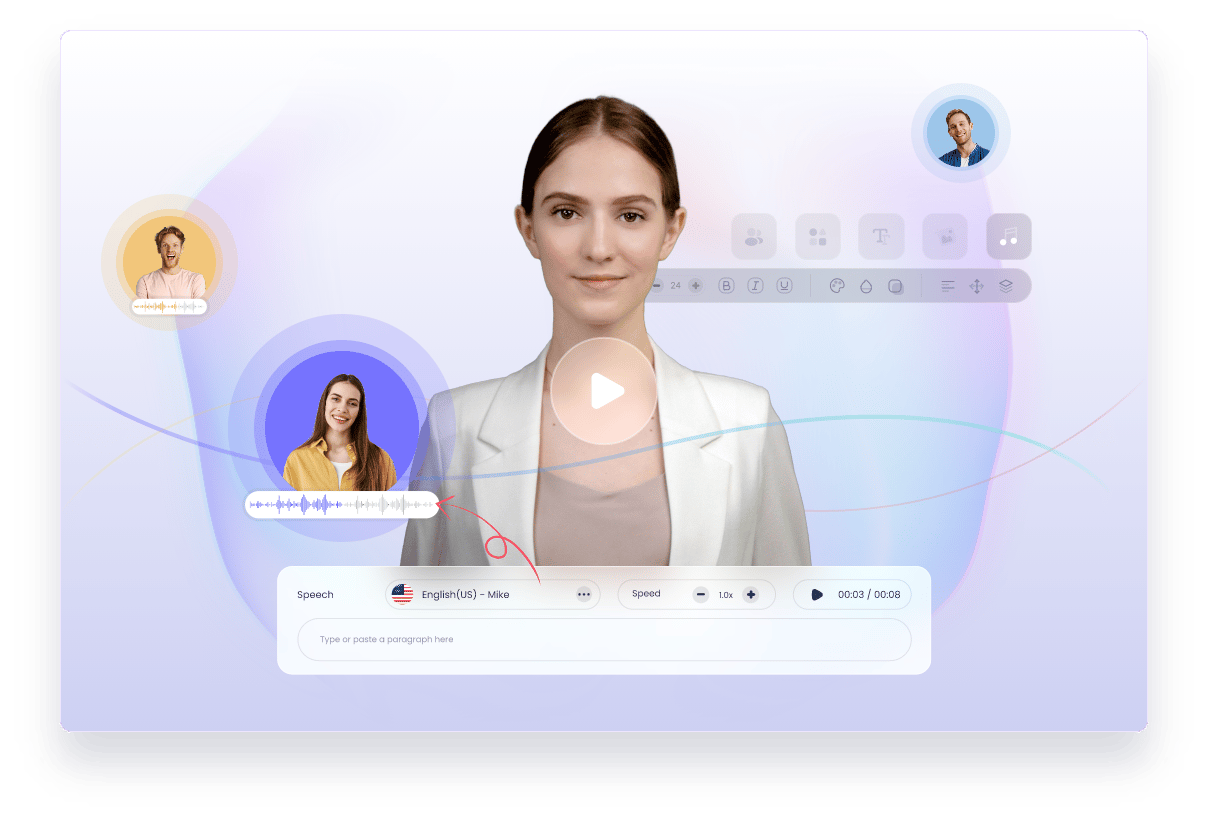
This is where the marketing facade of complex SaaS pricing models crumbles. The advertised price of an AI video tool is a fantasy designed to get you in the door.
The reality, or Total Cost of Ownership (TCO), is a labyrinth of credit systems, mandatory upgrades, and massive pricing chasms. We will break down the real cost for a common professional use case: creating 20 minutes of video per month.
Our analysis, based on vendor pricing pages and user-reported data from May 2024, shows that the most affordable advertised tool can quickly become expensive if you’re not careful.
This isn’t just about money; it’s about budget predictability. A tool with volatile, unpredictable costs like HeyGen’s credit system is a challenge for any business trying to manage its finances and achieve budget predictability. Securing a working coupon for Vidnoz upfront is one of the few reliable ways to lock in real savings before plan upgrades hit.
Advertised vs. Real TCO (20 mins/month use case as of May 2024)
| Platform | Advertised Plan | Real Cost (20 mins/mo) | 12-Month TCO | Key Gotcha |
|---|---|---|---|---|
| Vidnoz | $19.99/mo (10 mins) | $49.99/mo (Business Plan) | $599.88 | Must upgrade to a higher tier, making it 2.5x the initial price. |
| HeyGen | $28.80/mo (30 credits) | $28.80/mo (Creator Plan) | $345.60 | The Creator plan covers the use case, but costs escalate with premium features. |
| Synthesia | $29/mo (10 mins) | ~$1,000/mo (Enterprise) | ~$12,000+ | The 3000% “Enterprise Chasm” between Personal and Business use. |
The Vidnoz “Upgrade Requirement”
Vidnoz’s pricing seems straightforward, but it’s designed to push you into a higher tier. To get 20 minutes of video, you can’t use the $19.99/mo Starter plan (10 mins).
You must buy the $49.99/mo Business Plan, as confirmed on the Vidnoz Official Pricing page. There are no per-minute overage fees; exceeding your allowance requires a full plan upgrade.
This structure, while more predictable than per-minute fees, means a small increase in need can more than double your monthly cost instantly. Before subscribing, you may want to review our complete Vidnoz review to weigh actual user-experience caveats against the price tag.
The HeyGen “Credit Burn” and Financial Risk
HeyGen’s model offers flexibility but introduces cost variability. While the $28.80/mo Creator Plan provides enough credits for the 20-minute use case, this is based on a “1 credit = 1 minute” promise that applies only to basic features.
As multiple Trustpilot Reviews for HeyGen confirm, using a 4K avatar, a premium voice, or the video translate feature can cost double the credits, effectively halving the amount of video you can produce. If you run out, you must buy “top-up” packs.
Compounding this, HeyGen’s Terms of Service clearly state a no-refund policy, a point of major frustration for users.
💡 KEY INSIGHT: A user on the $28.80/mo plan needing 5 extra minutes of 4K video (costing 10 credits) might have to buy a $30 top-up pack, doubling their monthly cost instantly. This model shifts the financial risk to the user, making careful management of premium features essential for budget control.
⚠️ WARNING: The ‘No Refund’ Financial Trap. HeyGen and D-ID’s strict ‘no refund’ policy, cited in their Terms of Service, is a major financial risk. When combined with a confusing credit system, users can lose hundreds of dollars on unused or unexpectedly ‘burned’ credits with zero recourse. This is a critical factor to consider before any annual purchase — which is why locking in a verified special discount for Vidnoz on the front-end is a safer cost-control strategy than gambling on credit burns elsewhere.
The Synthesia “Enterprise Chasm”
Synthesia is the most transparent about its high cost, but only if you know where to look. The $29/month Personal plan is a marketing tool, not a viable business product. It’s limited to 10 minutes and lacks essential business features.
To get 20 minutes and the features you actually need, you must leap across the “Enterprise Chasm” to a plan that starts at around $1,000 per month. According to their Synthesia Terms of Service, this requires a one-year commitment.
Furthermore, if you want a custom avatar for your brand, that’s another one-time fee of roughly $1,000. Synthesia isn’t selling a tool; it’s selling an enterprise-grade, high-TCO solution focused on risk reduction.
Part 3: Feature Smackdown: What You Get vs. What You Really Need
In the world of AI video tools and digital human creators, a feature list is more about what’s left unsaid. The presence of a feature like “100+ Avatars” is meaningless if they all look robotic.
The absence of a key capability, or one that is poorly implemented, can be a complete deal-breaker for any business looking to automate workflows. This section translates the marketing checklist into business reality.
The analysis reveals a stark division in business readiness. HeyGen and Synthesia have invested in enterprise-grade security and deep integrations. While all major platforms now offer some level of automation, the depth and reliability of those features vary significantly.
Feature Comparison Matrix (as of May 2024)
| Feature Category | Vidnoz | HeyGen | Synthesia | D-ID | Critical Notes |
|---|---|---|---|---|---|
| Pricing Model | Tiered Subscription | Credit-Based Subscription | Tiered Subscription | Credit-Based Subscription | ⚠️ Gotcha: HeyGen & D-ID credits add complexity; Vidnoz requires plan upgrades. Synthesia has a huge price jump. |
| SOC 2 Type II | ❌ Not Found | ✅ Certified | ✅ Certified | ❌ Not Found | ⚠️ Deal-Breaker: Lack of SOC 2 makes Vidnoz/D-ID unsuitable for most corporate environments. |
| AI Avatars | 100+ Stock | 120+ Stock & “Ultra” | 160+ Stock & Custom | Stock + User Image Upload | ⚠️ Quality Varies: Synthesia leads in realism. HeyGen’s “Ultra” avatars cost more credits. |
| API Access | Enterprise Only | Business Plan & Up | Enterprise Only | Core Product | ⚠️ Lock-in: Vidnoz & Synthesia reserve API for top-tier plans. |
| Zapier Integration | ✅ Available | ✅ Available | ✅ Available | ✅ Available | ⚠️ Depth Varies: All have integrations, but capability must be tested. |
| Max Video Length | 20 minutes | 20 minutes | Unlimited (Enterprise) | 10 minutes | All platforms have per-project limits, but Synthesia is built for longer-form corporate content. |
| Refund Policy | 7-day (Annual Only) | ❌ No Refunds | 7-day (Personal Only) | ⚠️ No Refunds | ⚠️ Financial Risk: Strict “no refund” policies on credit-based systems are a major user complaint. |
Evaluating Zapier Integration Capabilities
A significant correction from previous analyses is that Vidnoz now has a public and active Zapier integration, joining HeyGen, Synthesia, and D-ID. This eliminates the “workflow killer” argument against Vidnoz.
However, for any business aiming for efficiency, the critical question is no longer if an integration exists, but how powerful it is. A robust Zapier integration should allow you to build complex, multi-step workflows.
Before committing, you must verify if the specific triggers and actions you need (e.g., “Update video with new data from Google Sheet,” “Generate video from new Salesforce lead”) are supported and reliable.
The SOC 2 Deal-Breaker
As I’ve seen in multiple procurement processes, the absence of a SOC 2 Type II report is an immediate disqualification for any software handling potentially sensitive company or customer data.
This audit, which HeyGen and Synthesia have passed, is an independent validation of a company’s security controls. Without it, Vidnoz and D-ID present a level of compliance risk that most legal and security teams will not accept.
Part 4: Critical Considerations: Security, Performance, and Blind Spots
For any professional organization, this is the section that matters most. A tool’s features are irrelevant if it introduces security vulnerabilities or fails a compliance audit.
True security assurance is paramount. Here, the market is split into two clear camps: those ensuring robust compliance adherence and those posing professional risks.
HeyGen and Synthesia have made significant investments to prove their security posture, achieving both SOC 2 Type II and ISO 27001 certifications. As verified on their trust centers in May 2024 (HeyGen Trust Center, Synthesia Trust Center), this documentation is readily available.
In contrast, Vidnoz and D-ID have no such certifications listed. This absence speaks volumes and, for many businesses, is an immediate deal-breaker.
Compliance Status Verification (as of May 2024)
| Certification | Vidnoz | HeyGen | Synthesia | D-ID |
|---|---|---|---|---|
| SOC 2 Type II | ❌ Not Found | ✅ Certified | ✅ Certified | ❌ Not Found |
| ISO 27001 | ❌ Not Found | ✅ Certified | ✅ Certified | ❌ Not Found |
| GDPR | ⚠️ Claims Compliance | ✅ DPA Available | ✅ DPA Available | ⚠️ Claims Compliance |
| HIPAA (BAA) | ❌ Not Found | ❌ Not Found | ❌ Not Found | ❌ Not Found |
Case Study: A Compliance Failure
Situation: A financial services firm needs to create internal training videos on a new, sensitive compliance policy.
Task: The firm’s procurement and security teams are tasked with selecting an AI video tool that met their strict vendor security requirements, which included a non-negotiable mandate for SOC 2 Type II certification.
Action: The security team reviewed Vidnoz, HeyGen, and Synthesia, requesting access to each vendor’s trust center.
Result: Vidnoz was immediately disqualified. The absence of a SOC 2 report meant it could not pass the first stage of the security review. The company was forced to abandon Vidnoz’s attractive low price and choose between the significantly more expensive—but compliant—options of HeyGen and Synthesia. The professional risk rendered the cost savings irrelevant.
Blind Spots: Known Issues Vendors Won’t Highlight
After years of evaluating software, I’ve learned the most important information is often buried in user forums. This section compiles the critical “blind spots” for each platform. Before committing to any plan, comparing them with the latest money-saving deal on Vidnoz can soften the risk on the budget-experimentation side.
Critical Limitations
- No Compliance Audits: The lack of SOC 2 or ISO 27001 makes it unsuitable for corporate environments.
- Inconsistent Performance: User reports suggest potential slowdowns during peak hours.
- Subpar Voice Cloning: The voice cloning feature is often described by users as “robotic,” impacting the professionalism of the final video.
✅ Strengths
- Generous free plan for experimentation
- Lowest entry-level pricing in the comparison
- Now offers Zapier integration
- 100+ stock avatars available
⚠️ Considerations
- No SOC 2 or ISO 27001 compliance
- “Robotic” voice cloning reported by users
- Plan upgrades required to scale
- API access locked to Enterprise tier
Critical Limitations
- Complex Pricing Model: The combination of a confusing credit system and a strict no-refund policy creates financial risk and is the subject of numerous user complaints.
- Limited Emotional Control: Despite advancements in the LLMs powering voice AI, users report difficulty fine-tuning emotional delivery.
- No Real-Time Editing: Every minor change requires a complete re-render, which wastes time and can burn credits.
✅ Strengths
- SOC 2 Type II and ISO 27001 certified
- Industry-leading Video Translate feature
- “Ultra” avatars with high realism
- API access on Business plan and up
⚠️ Considerations
- Unpredictable credit-burn pricing
- Strict no-refund policy
- Premium features double the credit cost
- No real-time edit; full re-render required
Critical Limitations
- The “Enterprise Moat”: The pricing is deliberately structured to exclude small businesses, forcing them into a plan costing over $1,000/month.
- Slower Rendering: The focus on quality and reliability comes at a cost; rendering can take longer than on speed-focused platforms.
✅ Strengths
- Industry-benchmark avatar realism
- SOC 2 Type II and ISO 27001 certified
- 99.9% uptime SLA on Enterprise tier
- 160+ stock avatars plus custom avatars
⚠️ Considerations
- $12,000+/year true business cost
- One-year minimum commitment required
- Custom avatars cost ~$1,000 extra
- Slower rendering than speed-focused tools

Critical Limitations
- Unusable Front-End: The “Creative Reality Studio” is a basic demo for its API, not a functional video editor.
- Expensive Credits: On a per-minute basis, D-ID’s credits are far more expensive than competitors.
✅ Strengths
- Powerful, developer-first API
- Excellent “talking photo” animation
- Can animate any user-uploaded image
- Strong integration with ChatGPT & ElevenLabs
⚠️ Considerations
- Studio is a demo, not a finished product
- No SOC 2 or ISO 27001 compliance
- High per-minute credit cost
- No-refund policy on credit purchases
Part 5: Use Cases & Workflows
Choosing the right tool depends entirely on your intended workflow. A platform optimized for viral social media videos may be a poor choice for standardized corporate training.
Here’s how the competitors stack up for common Software and AI use cases.
Use Case 1: Automating L&D and Onboarding Videos
- Goal: Create a library of consistent, easily updatable training videos for new hires or for internal knowledge-sharing. Security and consistency are paramount.
- Workflow:
- Develop standardized scripts and templates.
- Use a custom-branded avatar for a consistent look.
- Update videos by editing the script, not re-shooting.
- Best Fit: Synthesia. Its core strengths are perfectly aligned here. The high cost is justified by the need for security (SOC 2 for handling internal data), reliability for a large workforce, and professional, consistent avatar quality. The ability to easily update videos by changing the script saves immense time and resources compared to traditional video production.
- Avoid: Vidnoz, due to the lack of SOC 2 compliance and user-reported quality inconsistencies that may not meet corporate standards.
Use Case 2: Creating Scalable, Personalized Sales Outreach Videos
- Goal: Increase engagement in sales funnels by sending personalized videos to leads at scale, automatically.
- Workflow:
- Connect the AI video tool to a CRM (e.g., Salesforce) via Zapier.
- Trigger a workflow when a new lead is added or reaches a certain stage.
- Automatically generate a video using the lead’s name, company, or other data points in the script.
- Best Fit: HeyGen. Its robust API (available on mid-tier plans) and Zapier integration are well-suited for this. HeyGen’s focus on high-quality, engaging avatars makes it ideal for customer-facing content. While cost can be a factor, the potential ROI from increased sales conversion can justify the expense.
- Consider: Vidnoz. Now that it has a Zapier integration, it can be considered for this use case, especially for businesses on a tighter budget. However, the integration’s capabilities must be thoroughly tested to ensure it can handle the required personalization at scale.
Use Case 3: Rapidly Localizing Marketing Campaigns
- Goal: Take a successful marketing video and quickly adapt it for multiple global markets with different languages.
- Workflow:
- Upload a finished video.
- Use an AI translation feature to dub the audio and sync the avatar’s lip movements to the new language.
- Clone the original speaker’s voice to maintain consistency.
- Best Fit: HeyGen. Its Video Translate feature is a market leader and a key differentiator. The ability to translate video and audio while maintaining the speaker’s voice and re-animating the lip-sync is a powerful tool for global marketing teams, drastically reducing the time and cost of localization.
- Not Suitable: Vidnoz and Synthesia currently lack a comparable, integrated “video-to-video” translation feature, requiring a much more manual process to achieve the same result.
Part 6: Vidnoz Alternatives & Comparisons
There is no single “best” AI video tool, only the “best fit” for a specific budget, use case, and risk tolerance. This section provides a direct comparison to help you make an informed choice. For an even broader view of the field, see our complete Vidnoz top alternatives and competitors breakdown that complements this analysis.
Vidnoz vs. Competitors: A Head-to-Head Comparison for Business Use
| Criteria | Vidnoz | HeyGen | Synthesia | D-ID |
|---|---|---|---|---|
| Best For | Experimentation | Marketing | Enterprise L&D | Developers |
| Real TCO | ~$600/yr | ~$346/yr+ | ~$12,000/yr+ | Varies (API) |
| SOC 2 | ❌ | ✅ | ✅ | ❌ |
| Zapier | ✅ | ✅ | ✅ | ✅ |
| Key Limitation | No compliance, robotic voice | Credit-burn pricing | Prohibitive cost | Studio is a demo only |
Where Vidnoz Shines
When it’s the best choice:
- Your budget is extremely limited or you need a robust free plan for experimentation.
- You are creating internal-only or low-stakes videos where minor quality issues are acceptable.
- You have no security or compliance requirements whatsoever.
When to Choose HeyGen
When it’s the best choice:
- You are a marketer or content creator who values innovative, cutting-edge features like video translation and trendy templates.
- Your primary goal is creating engaging social media content with high-quality avatars.
- You have a flexible budget and are prepared to manage a credit system to access premium features.
When to Invest in Synthesia
When it’s the best choice:
- You work in a large enterprise or regulated industry (finance, healthcare) where security, compliance (SOC 2), and reliability are your top priorities.
- Your primary use case is creating professional, scalable corporate content like employee onboarding or L&D modules.
- You have a substantial budget (prepared for a TCO of over $12,000 per year) and view the tool as an investment in risk reduction.
The D-ID Niche: For Developers Only
It’s crucial to understand that D-ID does not compete with the other three as an end-user platform. Its front-end “Creative Reality Studio” is a demo, not a product.
When it’s the best choice:
- You are a developer looking for a robust API to build “talking photo” or “talking head” functionality directly into your own application.
- Your project requires animating a still photo rather than using a full-body stock avatar.
Avoid D-ID if: You are anyone other than a developer. Its per-minute cost is high, and its studio lacks the features necessary to create a finished video. To benchmark D-ID’s cost against a lower-priced alternative, compare the latest Vidnoz promotional code available before deciding.
🎯 Decision Flowchart: Start by asking, “Is SOC 2 Compliance Required?” If Yes → choose between Synthesia (enterprise quality) and HeyGen (marketing innovation). If No → choose between HeyGen (premium features) and Vidnoz (budget experimentation). For developers building applications, D-ID is in a category of its own.
Part 7: Conclusion & Frequently Asked Questions
The AI video market forces a choice between Cost, Compliance, and Quality. Our analysis of Vidnoz top alternatives and competitors shows you can prioritize one or two, but rarely all three.
Vidnoz prioritizes low cost over compliance and quality, making it a viable tool for experimentation but a risk for professional use. Synthesia prioritizes compliance and quality over cost, walling itself off for enterprise use only. HeyGen bravely attempts to balance all three but does so by introducing a complex pricing model that shifts the financial risk onto the user.
Your decision must start with one question: Do you require security compliance like SOC 2? If the answer is yes, Vidnoz and D-ID are eliminated from consideration. From there, your choice becomes a battle between HeyGen’s innovative features and volatile budget, versus Synthesia’s predictable-but-high cost and corporate focus. Before purchasing any plan, also check our latest coupons list for the most recent active offers across all major AI video tools.
Your Decision Checklist
Before making a final choice, answer these questions in order:
- Compliance: Do I need a SOC 2 report or other formal security documentation? (If yes, Vidnoz and D-ID are eliminated).
- Budget: What is my real, all-in 12-month TCO? Can I tolerate unpredictable costs (HeyGen), or do I need a fixed (but high) cost (Synthesia)?
- Use Case: Is this for internal training (Synthesia), viral marketing (HeyGen), or low-stakes experiments (Vidnoz)?
- Workflow: Do my automation needs require the specific triggers and actions offered by one platform’s Zapier integration over another?
Frequently Asked Questions
For most professional use cases, the answer is likely no. While it’s an excellent tool for experimentation and internal, low-stakes content, its lack of SOC 2 compliance makes it a non-starter for any business with security requirements. This is a critical point for any organization performing vendor risk management.
Furthermore, user-reported issues of “robotic” voices and inconsistent avatar quality, noted on platforms like G2, mean the final product may not be polished enough for brand-facing or important client communications where brand reputation is on the line.
The real cost is unpredictable and often higher than the advertised price if you use premium features. The system is designed to “burn” credits faster on its best capabilities, such as 4K resolution or its “Ultra” avatars, meaning 1 credit often equals less than 1 minute of video. When you run out, you’re forced to buy “top-up” packs.
Combined with their strict no-refund policy detailed in their Terms of Service, this creates a significant financial risk and makes accurate budgeting nearly impossible, a major pain point cited in numerous user reviews.
Yes, it is worth it for the specific audience it targets: large enterprises. Synthesia’s high price is not just for avatar quality; it’s for risk reduction. Customers are paying for the peace of mind that comes with robust security, proven compliance (SOC 2, ISO 27001), platform reliability (a 99.9% uptime SLA as per its Trust Center), and professional support.
For a large corporation, the potential cost of a single security breach or compliance failure is exponentially greater than Synthesia’s annual subscription fee, making it a sound business investment.
While the user-reported quality issues are a problem, the single biggest limitation for any serious business is the lack of a SOC 2 compliance report. This is an immediate deal-breaker for most corporate security and legal teams, effectively removing Vidnoz from consideration in any enterprise procurement process.
For users who don’t have that requirement, the main consideration shifts to performance and quality, where competitors like HeyGen and Synthesia generally receive higher marks in user reviews for realism and polish.
Synthesia is widely regarded as the industry benchmark for professional, realistic avatars and polished voice delivery. This is the core of their value proposition and what their high enterprise price pays for, as noted in reviews on G2.
HeyGen is a very close second, with many users praising its “Ultra” avatars, though they come at an extra credit cost. Vidnoz is consistently reported by users as being a step below, with avatars that can fall into the “uncanny valley” and voices that may sound more robotic.
No. Both HeyGen and D-ID have a strict no-refund policy clearly stated in their terms of service. This is a major financial risk for users, especially given the potentially confusing nature of their credit-based systems.
According to HeyGen’s Terms of Service, all payments are non-refundable. Once you purchase credits, the money is gone, regardless of whether you are satisfied with the service or have unused credits remaining. This is one of the most frequent complaints from users of both platforms.
D-ID is not intended for end-users creating videos in its studio. Its primary product is its powerful API. D-ID is for developers who want to integrate “talking head” animation into their own software, websites, or applications.
The Creative Reality Studio is best understood as a public-facing demonstration of the API’s capabilities, not as a competitive, standalone video creation platform. It competes more with API providers than with platforms like Synthesia or HeyGen.
It depends entirely on your priorities and risk tolerance. If you have absolutely no budget and no security concerns, start with the Vidnoz free plan to understand the technology, as recommended by users on Capterra.
If you have a marketing budget and need high-quality, innovative features for social media, carefully evaluate HeyGen’s Creator plan, but be prepared for its complex and unpredictable pricing for premium features. For most small businesses, Synthesia’s enterprise-level cost will likely be out of reach, making it a non-starter.
“`html
“`