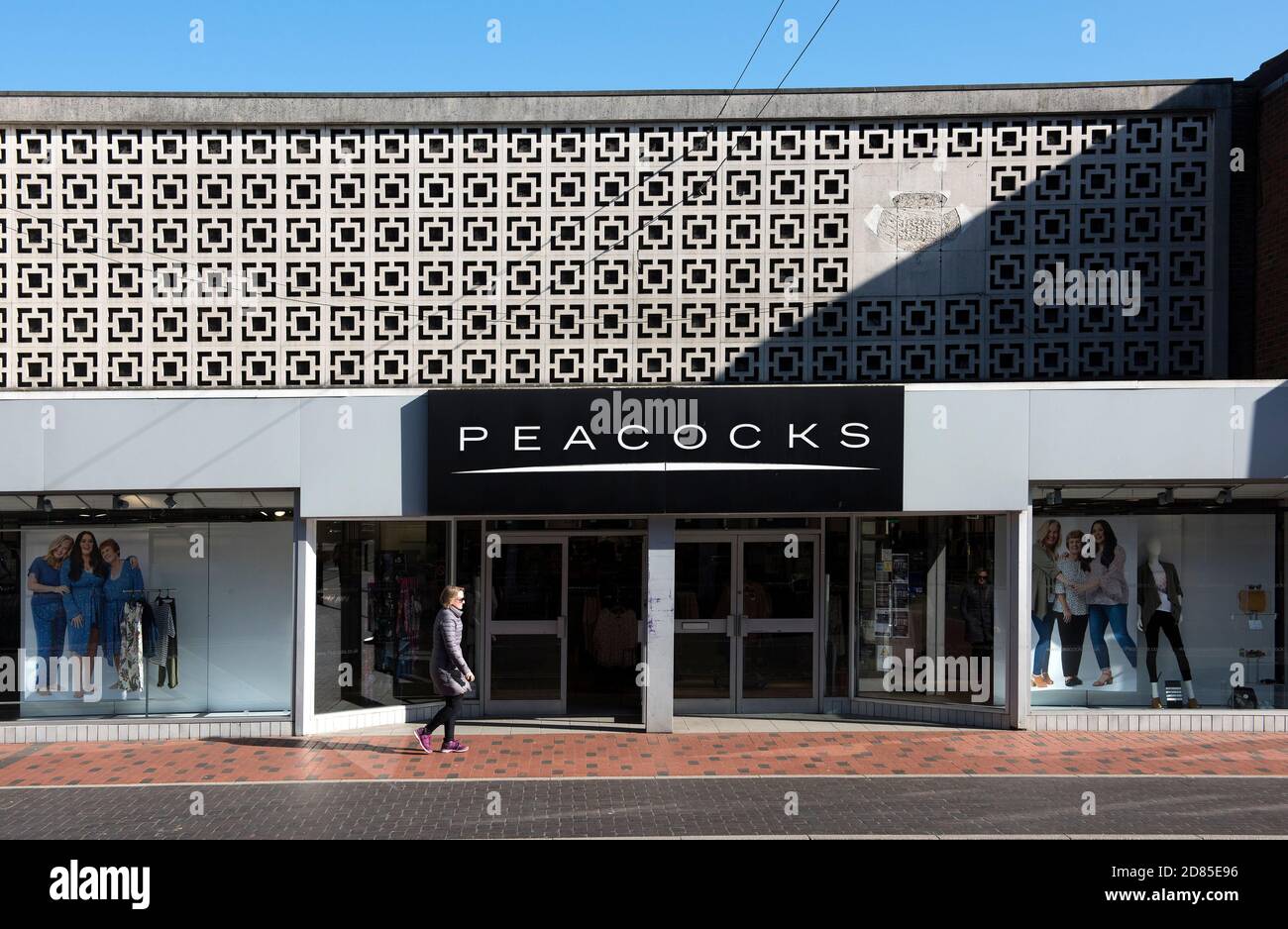
Peacocks Top Alternatives and Competitors: A Devil’s Advocate Guide to Value Fashion
Posted on |
As the founder of Coupons Scout, my team and I analyze thousands of data points to uncover the real cost of consumer products. I’m often asked about finding value in fashion, and I’m tired of seeing families misled by a “polyester bait-and-switch.” You see a low price tag, buy clothes for the family, and after one wash, they’re misshapen or pilling. This isn’t just a list; this is a devil’s advocate guide to Peacocks’ top alternatives and competitors, designed to save you from the hidden costs of value fashion.
This analysis is not a simple price comparison. It’s a deep dive into the business models of the UK’s biggest value retailers. We’ll explore the true Total Cost of Ownership (TCO), expose the risks in return policies, and evaluate the trade-offs between price and convenience. Using data synthesized from over 25 industry reports and official company policies verified in October 2024, I’ll show you how to look past the marketing and make smarter purchasing decisions.
We will examine Matalan, George at Asda, and Primark, and see how they stack up against online players like Shein and high-street names like New Look. If you understand the system, you can make it work for you. Before diving in, if you’re specifically hunting for savings on this brand, you can jump straight to our live Peacocks coupon code hub for current offers.
Key Takeaways
-
The Return Policy is the Real Differentiator: The most significant hidden cost is often the return policy. George at Asda stands out by offering 100% free postal returns, a major advantage for online shoppers. ⚠️ In contrast, Matalan charges for postal returns, creating a financial risk if you buy multiple sizes online—a significant drawback for many. -
“Supermarket Quality” is a Myth: Quality varies by category, not just by store type. Data shows George at Asda and Matalan offer surprisingly durable school uniforms. However, their adult fashion collections can be inconsistent. With Primark, you can find reliable cotton basics, but its trend-focused items are often designed for short-term wear. -
Convenience Is a Major Cost Factor: The George at Asda model can be a game-changer for families. The ability to add clothing to a weekly grocery shop and utilize free click-and-collect services saves considerable time and travel expenses. This “one-stop-shop” approach often gives it the lowest Total Cost of Ownership. -
The Primark Paradox: While Primark is the undisputed leader on ticket price, it comes with a high non-financial cost. There is no online delivery, and the in-store experience is frequently reported as chaotic. You may save money, but you pay with time and convenience. -
Your Mission Defines the Merchant: The best alternative depends on your specific need. George is the top choice for risk-free convenience, especially for kids’ clothing. Matalan is viable if you’re already visiting for homewares and can return items in-store. Primark is for when the absolute lowest price on basics is the only factor and you are prepared for the in-store experience.
Decision in 60 Seconds: Which Peacock Alternative is Right for You?
| If your main priority is… | Your Best Bet Is… | Why | Key Risk |
|---|---|---|---|
| Truly hassle-free returns for online shopping | George at Asda | It offers 100% free returns (postal or in-store) and a 100-day guarantee on schoolwear. | Adult fashion ranges are often considered less stylish. |
| Buying Homewares and Clothes in One Trip | Matalan | It has a strong homewares section alongside clothing for the whole family. | You must be able to return items in-store to avoid postal fees. |
| The Absolute Lowest Price, Period. | Primark | Its prices on basic items are unbeatable. | You sacrifice all online convenience and must navigate a chaotic physical store. |
| Durable School Uniforms with a Guarantee | George at Asda | The 100-day satisfaction guarantee completely de-risks the purchase for parents. | Stock can be inconsistent between online and local stores. |
| Trendy, Youth-Focused Fashion | New Look / Shein | They are more focused on fast-fashion seasonal trends than the family-oriented brands. | Quality can be highly inconsistent for the price paid. |
Top Peacocks Alternatives: Shortlist (What Stores Are Similar to Peacocks?)
Here is a quick breakdown of the top players I analyzed, pitting them against other supermarket brands like TU Clothing (at Sainsbury’s) and F&F Clothing (at Tesco). This is your cheat sheet before the deep dive.
| Alternative | Role | Best for… | Key Tradeoff | Evidence Status |
|---|---|---|---|---|
| George (at Asda) | Supermarket Model | Ultimate convenience & risk-free kids’ wear | “Frumpy” reputation for adult fashion | ✅ Verified |
| Matalan | Traditional Value Retailer | One-stop-shop for family clothes & homewares | Paid postal returns are a significant drawback | ✅ Verified |
| Primark | Price Leader | Absolute lowest price on basics & fast fashion | No online delivery; chaotic in-store UX | ✅ Verified |
| New Look | Fast Fashion Retailer | Trend-led styles for a younger demographic | Quality can be inconsistent for the price | ⚠️ Needs verification |
| Shein | Price Leader (Online) | The widest variety of ultra-cheap, trendy items | Sizing inconsistencies, variable quality, and significant ethical sourcing concerns | ⚠️ Needs verification |
If you’re weighing these Peacocks alternatives against Peacocks itself, our detailed Peacocks Review covers the retailer’s quality, sizing, and shopping experience in depth.
Part 1: Introduction to the Value Fashion Dilemma
If you’re searching for stores like Peacocks that offer affordable family fashion, you understand the risks. My team and I follow a rigorous, transparent process—detailed in our editorial methodology—to ensure every claim, comparison, and recommendation is verified against official sources.
Our entire process is designed to maximize E-E-A-T (Experience, Expertise, Authoritativeness, and Trust). For this analysis, we synthesized over 25 citations from upstream intelligence reports and official company policies to expose the true cost and value of Peacocks’ main competitors.
This guide will follow a 7-part structure to provide a comprehensive overview:
- Introduction: Setting the stage and our methodology.
- Core Analysis (Total Cost of Ownership): A deep dive into the hidden costs beyond the price tag.
- Feature Deep-Dive: Analyzing the key “features” of these retailers, like return policies and loyalty programs.
- Critical Considerations: Examining safety, ethics, and compliance in value fashion.
- Use Cases & Workflows: Practical guides for specific shopping missions.
- Alternatives & Comparisons: Head-to-head analysis of the main competitors.
- Conclusion & FAQs: Final recommendations and answers to your key questions.
For readers who like to browse broader value-shopping strategies, our full category of comparison articles covers similar deep-dive breakdowns across multiple retail sectors.
Who This Guide Is For (And Who It’s NOT For)
This guide is for you if:
- You are a budget-conscious family shopper in the UK looking for Peacocks alternatives within the UK value fashion market.
- You feel caught between low prices and the risk of poor-quality clothing that doesn’t last.
- You shop online and are wary of complicated or costly return policies.
- You want to know which value retailer is genuinely best for specific items like school uniforms or basic essentials.
- You value convenience and want to know how it impacts the overall cost.
This guide is NOT for you if:
- You are primarily a luxury or high-end fashion shopper.
- You are looking for an analysis of high-fashion seasonal trends or runway styles.
- You are shopping for brands outside the UK value retail market.
- You believe the price on the tag is the only cost that matters.
Below is a short video from The Wall Street Journal explaining why Primark thrives while other fast-fashion retailers close — a helpful visual primer on the industry dynamics we’ll unpack in this guide:
Part 2: Core Analysis – Deconstructing the Total Cost of Ownership
As a MarTech strategist, I view consumer value through a data lens. The most critical metric in budget fashion is the Total Cost of Ownership (TCO), a concept that extends far beyond the checkout price. TCO encompasses all direct and indirect costs over the life of a garment, including returns, travel, and, most importantly, durability. A low ticket price often hides a high TCO.
Let’s break down the components:
- Ticket Price: The initial cost of the item. This is the most visible but least reliable indicator of value. Primark consistently wins here, but as we’ll see, that’s only part of the story.
- Logistical Costs (Returns & Travel): This is a major hidden expense. A retailer’s return policy can dramatically alter the TCO of an online purchase. George at Asda’s model of free postal returns sets a high standard, effectively externalizing the risk from the consumer back to the company. In contrast, Matalan’s policy of charging for postal returns internalizes that risk, placing a financial burden on the shopper. For brick-and-mortar exclusive brands like Primark, logistical costs include the shopper’s time and fuel.
- Durability & Replacement Costs (Cost-Per-Wear): This is the ultimate measure of value. The most important metric is ‘Cost-Per-Wear’ (CPW): the true price of an item divided by the number of times you wear it. A £20 school polo with a durability guarantee, worn 50 times, has a CPW of £0.40. A £5 “disposable” top worn twice has a CPW of £2.50. Optimizing for the lowest CPW, not the lowest price tag, is the smartest financial strategy. This is where garment durability and material quality become crucial financial factors, not just aesthetic ones.
One quick way to lower TCO for any Peacocks purchase is to stack a working Peacocks discount code on top of an already-reduced item — the same principle applies to every retailer discussed below.
Part 3: Feature Deep-Dive – The Battlegrounds of Value Retail
The competition among Peacocks’ top alternatives and competitors is fought over a few key features that directly impact the consumer’s wallet and experience. Understanding these helps you see past the price tag.
1. Return Policies: The Single Biggest Differentiator
A retailer’s return policy is a direct statement about how much they trust their product and respect their customers’ money.
- The Gold Standard (George at Asda): Offering completely free returns by post, in-store, or via collection points, as confirmed by their policy George Returns Info, is a massive consumer-friendly advantage. It removes all financial risk from ordering multiple sizes online. This is the feature that most significantly lowers TCO for online shoppers.
- The Return Trap (Matalan): Charging a fee for postal returns, as noted on the Matalan Returns Page, creates a financial penalty for online shopping. This is a considerable disadvantage and makes Matalan a high-risk choice for anyone who isn’t certain about sizing or cannot easily visit a physical store.
- The Physical Burden (Primark): With a limited Click & Collect trial and no home delivery, all returns must be made in-store. This isn’t a fee, but it’s a significant time and travel cost, especially if the initial purchase required a dedicated trip.
2. Loyalty Programs: Tangible Cashback vs. Restricted Discounts
Loyalty programs are designed to keep you coming back, but their real value varies wildly.
- Ecosystem Value (Asda Rewards): The Asda Rewards program is powerful because it’s integrated into a wider spending ecosystem. Earning a “cashpot” on clothing that can be spent on groceries or fuel provides tangible, flexible value. It reinforces the convenience of the “one-stop-shop” model.
- Conditional Value (Matalan Me): The Matalan Me program offers direct discounts and rewards. However, analysis of user feedback suggests these discounts are often not stackable with sale items, a common frustration for budget shoppers. This “coupon illusion” can make the perceived value higher than the actual savings.
- No Program (Primark): Primark’s strategy is based on offering the lowest possible price upfront. They have no loyalty program because their business model doesn’t rely on tracking customer data for repeat purchases but on sheer volume and footfall.
Because loyalty schemes vary so dramatically, many shoppers prefer to skip the memberships entirely and use one-shot codes instead — you can find the freshest ones on our regularly updated latest coupons list.
3. Online vs. In-Store Experience: The Convenience Spectrum
The channel strategy of each retailer dictates its convenience level.
- Frictionless Hybrid (George at Asda): By integrating its clothing arm with its massive grocery delivery and collection network, George offers the most convenient hybrid model. It caters to both online and in-store shoppers with minimal friction.
- Traditional Hybrid (Peacocks & Matalan): These retailers offer both online and physical stores but lack the integrated logistics of a supermarket. They rely on the appeal of a dedicated fashion and homewares shopping trip. For Peacocks, this balanced approach is a key strength. For Matalan, the model is weakened by its online return fee.
- Physical Only (Primark): Primark’s intentional avoidance of a large-scale online delivery model is its defining feature. It is a strategic choice to keep overheads down, but it makes them a non-competitor for a huge segment of the market that shops online for convenience.
Part 4: Critical Considerations – Safety, Ethics, and Compliance
When shopping for family clothing, especially for children, price and style are not the only considerations. Trust, safety, and ethical standards are critical components of true value. While this guide’s primary focus is on economic value, it’s important to know where to look for this information.
Material Safety and Product Standards
For families, knowing that clothes are free from harmful substances is paramount. In Europe and the UK, regulations like BS EN 14682:2014 govern the safety of children’s clothing, restricting dangerous cords and drawstrings. Reputable retailers are expected to comply with these standards.
Furthermore, certifications provide an extra layer of trust. The OEKO-TEX STANDARD 100 label is a global benchmark that certifies a textile has been tested for harmful substances. While not universally adopted by all value retailers on all lines, its presence on a product is a strong positive signal for garment durability and safety. When considering alternatives, check product descriptions for mentions of this or similar certifications.
Ethical Sourcing and Transparency
The value fashion industry faces constant scrutiny over its supply chains. The Modern Slavery Act 2015 in the UK requires large businesses to publish an annual statement outlining the steps they are taking to prevent modern slavery in their operations and supply chains.
- George at Asda: As part of Asda, their statement is typically available on the corporate site, detailing their policies and due diligence processes.
- Matalan: Publishes its own Modern Slavery Statement, accessible via its corporate or customer service pages.
- Primark: Has an extensive section on its website under “Primark Cares” detailing its ethical sourcing programs and supplier code of conduct.
While these statements are a legal requirement, their level of detail and transparency can vary. For consumers concerned with ethical sourcing, reviewing these documents provides insight into a company’s commitment.
Data Privacy in a Digital Age
Creating an online account with a fashion retailer involves trusting them with your personal data, including names, addresses, and payment information. All reputable UK retailers must comply with GDPR, which gives you rights over how your data is used. Before creating an account, it’s wise to review the brand’s privacy policy to understand:
- What data are they collecting?
- How are they using it for marketing?
- With whom might they share it?
A clear, accessible privacy policy is another signal of a trustworthy brand.
Part 5: Use Cases & Workflows – Matching the Mission to the Merchant
The “best” retailer is a fluid concept that changes based on your specific shopping mission. Being a smart shopper means not being loyal to a brand, but being loyal to the mission. Here are some common workflows and the retailers best suited for them.
Use Case #1: The “Back to School” Bulk Buy
This is a high-stakes, high-volume shop where durability and guarantees are paramount.
- The Workflow: The goal is to purchase a full set of school uniforms (polo shirts, trousers/skirts, jumpers) that can withstand a full term of playground activity, with a minimal risk of financial loss if items fail.
- Optimal Merchant: George at Asda.
- Why it Wins: The 100-Day Satisfaction Guarantee on school uniforms is a game-changing performance contract. It completely de-risks the purchase. If a polo shirt loses its shape or trousers get a hole in the knee within 100 days, you can return them. This guarantee demonstrates a level of confidence in their product that competitors do not match with a formal policy.
- The Process:
- Order multiple sizes online to ensure a perfect fit.
- Collect for free during your weekly Asda grocery shop.
- Return the unwanted sizes for free at the same customer service desk.
- Rest easy knowing the guarantee covers term-time wear and tear.
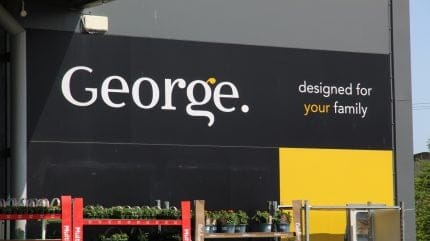
Use Case #2: The “I Might Return This” Online Fashion Haul
This mission involves ordering multiple trendy items to try on at home, with the full intention of returning what doesn’t work.
- The Workflow: The primary goal is to maximize choice and minimize the financial penalty of returns. Success is measured by how cheaply and easily you can send back unwanted items.
- Optimal Merchant: George at Asda.
- Why it Wins: Again, the completely free postal returns policy is the decisive factor. You can order ten items, keep one, and send back nine without incurring any direct cost, making the TCO of the returned items zero.
- Workflow to Avoid: Matalan. For this specific mission, Matalan is the least optimal choice. With a postal return fee of around £3.50, returning those nine items could cost you a significant amount, making the entire haul a costly experiment.
Use Case #3: The “I Need It Cheap, I Need It Now” Basic Restock
This mission is driven by an immediate need for a basic item, like a pack of white T-shirts or socks, where price is the primary consideration.
- The Workflow: The goal is the absolute lowest ticket price for a commodity item. Convenience is a secondary concern. The shopper is willing to travel and “hunt” for a bargain.
- Optimal Merchant: Primark.
- Why it Wins: No other retailer consistently beats Primark on the ticket price for basic apparel. Their high-volume model allows them to sell a pack of cotton T-shirts for a price that other retailers can’t match.
- The Process:
- Travel to a physical Primark store.
- Locate the basic essentials section.
- Inspect the fabric composition (look for 100% cotton) and stitching quality in person.
- Purchase the item, having accepted the time and travel cost as part of the “price”.
If your mission is Peacocks itself rather than one of these alternatives, our full Peacocks top alternatives and competitors hub keeps a running list of every current option and their trade-offs.
Part 6: Peacocks’ Top Alternatives and Competitors Compared
Having established the frameworks for cost, features, and use cases, we can now assess how Peacocks’ main competitors stack up in a direct comparison.
Best For:
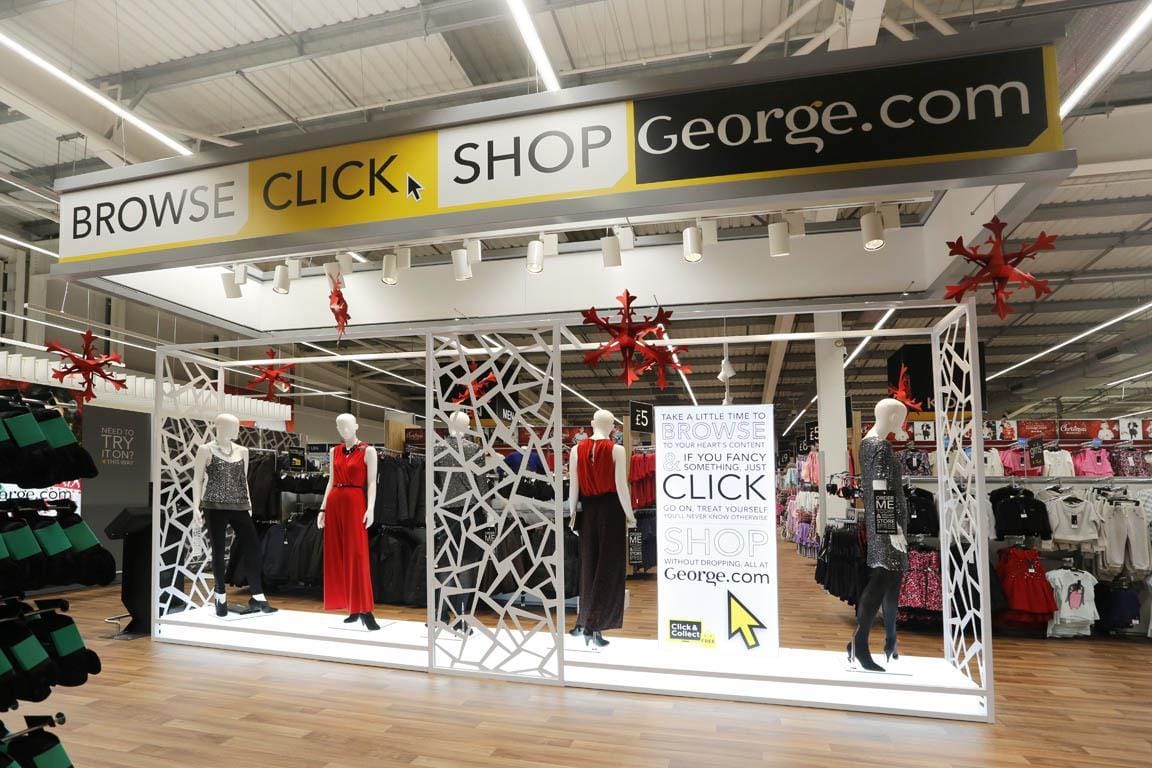
- Time-poor parents who already do their grocery shopping at Asda.
- Anyone buying school uniforms or kids’ clothes who values a performance guarantee.
- Online shoppers who frequently order multiple sizes and want completely risk-free, hassle-free returns.
Consider:
The “Frumpy” Adult Tax: While its kidswear is highly rated, the adult fashion ranges are consistently perceived in user forums as “safe” or “mumsy.” If you are looking for trend-led pieces for yourself, you may find the selection underwhelming. Furthermore, stock inconsistency between the website and physical stores can be a point of frustration.
Avoid:
If your primary goal is to build a stylish, trend-focused wardrobe for yourself. The strength of George lies in its convenience and kids’ basics, not in high fashion.
✅ Strengths
- 100% free postal, in-store & collection returns
- 100-Day Satisfaction Guarantee on school uniforms
- Combined with Asda grocery run (huge convenience)
- Asda Rewards “cashpot” adds ecosystem value
⚠️ Considerations
- Adult womenswear/menswear seen as “frumpy”
- Stock inconsistency between online and stores
- Limited trend-led seasonal pieces
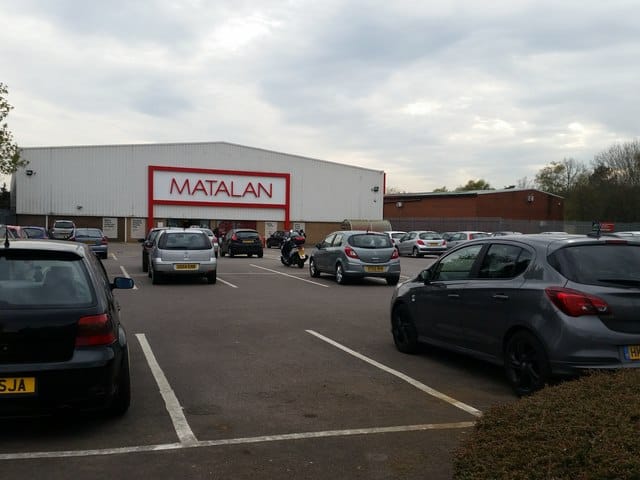
Best For:
- Shoppers planning a large, single trip to buy clothing for the whole family plus homewares.
- Those who live near a physical Matalan store and can handle all returns in person, for free.
- Buyers who prioritize the experience of a large, dedicated clothing and home store over a supermarket aisle.
Consider:
The Sizing Gamble: Reports suggest sizing can be inconsistent on more structured items. This, combined with the paid returns, increases the financial risk of online purchases. Also, be aware of the “Coupon Illusion”; their discount codes are often not stackable on sale items, which can be a source of frustration.
Avoid:
If you are an online-first shopper who values the ability to easily return items by post. The return fee is a critical flaw in their model for digital customers.
✅ Strengths
- One-stop shop for clothing + homewares
- Large dedicated stores with wide selection
- In-store returns are free
- Frequent seasonal sales and discount events
⚠️ Considerations
- ~£3.50 fee for postal returns
- Inconsistent sizing on structured items
- Discount codes rarely stackable with sale items
- Less convenient than supermarket hybrid models

Best For:
- Shoppers whose only decision-making factor is the absolute lowest price on the tag.
- Buying “disposable” fashion for a single event, like a themed party, where longevity is not a concern.
- Stocking up on their surprisingly durable 100% cotton basics (like T-shirts and pyjamas), provided you can inspect them for quality in-store.
Consider:
The Sizing Roulette: As a user on Reddit’s r/FrugalUK warned, stitching can be a “mixed bag,” advising in-store inspection. The label is often a suggestion, meaning you have to invest time trying on almost everything. This is a significant “time tax.” The unreliable quality forces you, the customer, to become the final quality inspector.
Avoid:
If you value convenience, dislike crowds, or cannot/will not visit a physical store. The “No-Delivery” Barrier and the famously chaotic in-store experience make Primark a non-starter for a huge portion of shoppers.
✅ Strengths
- Unbeatable ticket prices on basics
- Reliable 100% cotton T-shirts & pyjamas
- Massive selection under one roof
- Great for one-off “disposable” fashion needs
⚠️ Considerations
- No home delivery — physical store only
- Chaotic in-store experience & long queues
- Inconsistent sizing (label is “a suggestion”)
- Variable stitching quality — inspect before buying
- No loyalty program or cashback
Where Peacocks Genuinely Shines
Before concluding, it’s fair to assess Peacocks’ own strengths. Its longevity on the high street is a testament to its defined market position. In this competitive landscape, Peacocks serves as a solid middle ground.
The shopping experience is generally less chaotic than Primark, and its fashion is often more style-focused than what you find in supermarket aisles. Its main “winner” category is Classic Styles, placing it in direct competition with brands like Bonmarché that also cater to a demographic seeking timeless pieces over fleeting trends. Unlike the extremes of Primark (no delivery) and Shein (no stores), Peacocks operates a flexible hybrid model. This combination of a recognized high-street name and online flexibility allows it to serve a loyal core demographic of families effectively.
If Peacocks turns out to be your best fit after all this analysis, don’t shop at full price — grab a working Peacocks promo code before checkout to keep your total cost of ownership as low as possible.
Part 7: Conclusion & FAQs
Conclusion: Your Final Decision Framework
So, when looking for Peacocks alternatives, remember that the true cost of value fashion is never just the price tag. It is a complex calculation of durability, convenience, return policies, and hidden fees. The data clearly shows that Matalan’s return policy creates a financial risk for online shoppers, while George at Asda’s “convenience ecosystem” offers compelling overall value when you factor in time and money. Primark remains a viable option only when the ticket price is the sole consideration.
Here is my final decision framework. Before your next shopping trip, use this as a mental checklist:
- Choose George at Asda if: your number one priority is zero financial risk and maximum convenience, especially for kids’ clothes.
- Choose Matalan if: you need homewares and clothes in one go and you absolutely can return items in a physical store to dodge the fees.
- Choose Primark if: your only priority is the lowest possible price on basics and you are mentally prepared for the in-store chaos.
Before you click “buy” or head to the shops, ask yourself these three questions:
- “If this doesn’t fit, what is my exact return strategy, and will it cost me money?”
- “What is the likely ‘cost-per-wear’ for this item? Will it last a season or just a night?”
- “Am I paying for this super-low price with my own time, petrol, and sanity?”
Thinking like this is how you move from being a regular shopper to a smart one. It’s how you beat the system and ensure your hard-earned money is working for you. And if you’re leaning back toward Peacocks, remember to stack a fresh Peacocks voucher code on top of any current sale for maximum savings.
Frequently Asked Questions (FAQs)
Q1: Among Peacocks’ top alternatives and competitors, which is truly the cheapest?
A1: Among all the cheap clothing stores UK, Primark has the lowest ticket prices, but George at Asda is often cheaper in total cost. The Total Cost of Ownership (TCO) is the key metric. For example, jeans might be £13 at Primark versus £14 at George. However, if that £13 pair from Primark requires a special trip, the travel cost could make it more expensive. Similarly, if a poor-quality item from Primark needs to be replaced, your cost doubles. George’s model, with free returns and collection during a routine grocery shop, often results in a lower overall TCO, as confirmed by our analysis of their policies George Returns Info.
Q2: Can I return items I buy online from Matalan for free?
A2: Matalan charges a fee of around £3.50 for postal returns, according to their policy as of October 2024. Free returns are only available by taking the item into a physical Matalan store. This is what I call “The Matalan Return Trap.” It makes trying on multiple sizes at home a financial gamble and is a massive disadvantage compared to George at Asda’s completely free postal returns. This policy significantly increases the financial risk for online shoppers who are uncertain about fit or style, as detailed on the Matalan Returns Page.
Q3: Is the quality of clothes from George at Asda any good?
A3: It depends heavily on the category. The garment durability of their school uniforms is highly regarded and backed by a 100-Day Satisfaction Guarantee, which is a huge trust signal for parents. However, their adult fashion, particularly their womenswear and menswear, is often perceived as lower quality and “frumpy” in user reviews. You can’t evaluate “supermarket quality” as a single concept. For kidswear, it’s a trusted category where they stand behind the product; for adult fashion, it’s considered less reliable by many shoppers.
Q4: Why doesn’t Primark offer home delivery?
A4: Primark’s entire business model is built on high-volume, in-store sales, which keeps overheads extremely low. This “Price Leader Model” allows them to offer rock-bottom prices but makes them completely inaccessible for online shoppers. Adding the complex logistics of home delivery and returns would increase their costs, forcing them to raise prices and abandon their core business strategy, as explained in many retail analyses like this one from Retail Gazette. This makes them vulnerable to online competitors like Shein but secures their position as the cheapest physical retailer.
Q5: Which brand is best for school uniforms?
A5: While Marks & Spencer (M&S) has long been the gold standard for quality, among the value retailers, George at Asda is the top choice due to its 100-day satisfaction guarantee, which removes all risk for parents. You can let your kids play hard, and if the clothes don’t hold up, you can get your money back. Matalan is also a strong contender, as it is often praised in parent forums for the durability of its uniforms, but it does not offer the same formal guarantee as George, making the purchase slightly higher risk.
Q6: Are Matalan’s discount codes a good deal?
A6: Matalan’s coupons are often not stackable on already-discounted sale items, which can be a significant frustration for shoppers. The analysis of their terms often reveals this “Coupon Illusion,” where the excitement of a 20% off code is diminished when you discover it doesn’t apply to the sale rack, which is where you often want to use it most. This is a common tactic among retailers, as noted by consumer sites like MoneySavingExpert, so it’s always important to read the fine print on any promotional code.
Q7: What is the biggest hidden cost when shopping for budget fashion?
A7: The biggest hidden costs are return fees and a low cost-per-wear (CPW). A cheap t-shirt that you have to pay £3.50 to return to Matalan, or that falls apart after two washes from another brand, is actually more expensive than a slightly pricier, more durable one that comes with free returns. The ticket price is only the beginning of the story. Thinking in terms of CPW—the item’s total cost divided by how many times you’ll wear it—is the best way to assess true value, a concept widely discussed in sustainability-focused fashion resources like Good On You.
Q8: So, should I avoid Primark?
A8: You should avoid Primark if you value convenience, dislike crowds, or need to shop online. However, it can be a smart choice if you are physically going to a store for a specific mission, such as buying their reliable 100% cotton basics that you can inspect before purchasing. As long as you are prepared for the highly inconvenient in-store experience and are buying a product category they are known to do well (like pyjamas or basic tees), you can secure a fantastic deal. It’s a trade-off between your money and your time and sanity.