
Food Lion Top Alternatives and Competitors: A Devil’s Advocate Guide for 2026
Posted on |
Our editorial team at Coupons Scout follows a rigorous, transparent process — detailed in our editorial methodology — to ensure every claim, comparison, and recommendation is verified against official sources before publication. This article was curated by Jennifer Angel, our Lifestyle & Retail Editor, and all technical data was reviewed by our operations team. As an expert in household economics, I’ve spent years helping households navigate the frustrating world of grocery savings.
Last Verified: 2024-10-26
Affiliate Disclosure: We may earn a commission if you use our links. Our analysis is independent and not influenced by any retailer.
For households looking for Food Lion top alternatives and competitors, the central dilemma has never been more intense. You’re caught in a constant trade-off between price, quality, and convenience, and it feels like you can’t win.
This guide is your practical, “Devil’s Advocate” look at the top alternatives, designed to expose the hidden costs, quality gambles, and service trade-offs that competitors’ marketing won’t mention.
I’m going to break down the real price of a grocery basket at Aldi, Walmart, Kroger, and Publix, revealing the “convenience tax” of delivery and helping you decide which store is best for your specific priorities. You will learn how to build a personal “Shopping Stack” to maximize savings and improve your household budgeting without sacrificing your sanity.
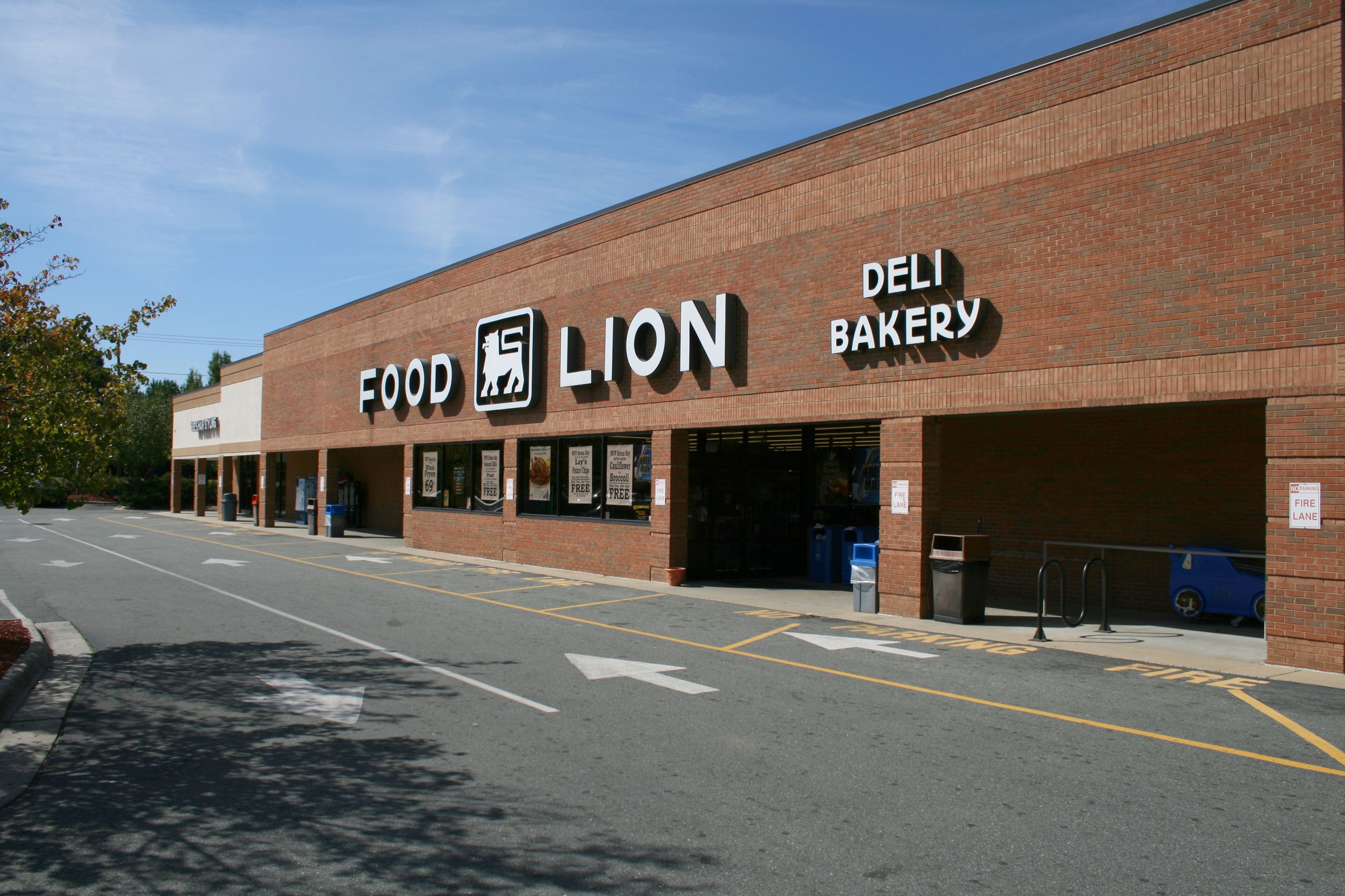
Who this guide is for
- Value-focused household shoppers aiming for reduced food spending and feeling the squeeze of rising grocery bills.
- Current Food Lion customers who are frustrated with inconsistent quality or rising prices and are exploring alternatives.
- Shoppers curious about a “hybrid” or “stack” model (e.g., using Aldi for staples and another store for everything else).
- Anyone who wants to feel like a “smart shopper” by understanding the real pros and cons of each major grocery chain.
This guide is NOT for you if
- You are loyal to a premium store like Publix or Harris Teeter and are not concerned with budget.
- You are looking for high-end gourmet, specialty, or organic-only stores like Whole Foods or Trader Joe’s.
- You prioritize specific national brands above all else and are unwilling to try store brands.
- You are not on a strict budget and value convenience over all other factors.
Key Takeaways
-
Cheapest vs. Limited: Aldi consistently offers some of the lowest prices on staples, with some analyses showing a typical basket can be 5-10% cheaper than Walmart. ⚠️ However, its tiny selection of under 2,000 items makes a second shopping trip almost unavoidable for most families. -
One-Stop Shop vs. Chaos: Walmart provides unmatched selection with over 100,000 items and low prices on national brands, but this comes at the cost of a frequently stressful in-store experience and a high risk of poor-quality produce. -
The “Convenience Tax” is Real: Using Instacart for delivery from stores like Food Lion or Aldi can inflate your bill through service fees and potential item markups set by retailers Instacart Help Center – Item Pricing. This confirms the widespread fear of overpaying for convenience. -
Quality Has a Price: Publix and Harris Teeter consistently deliver a superior in-store experience and high-quality fresh foods, but you will pay a significant “quality tax” on almost every single item in your cart. -
The Smartest Strategy is a Hybrid “Stack”: The most effective approach is not to find one perfect store. Instead, you should build a personal “shopping stack” (e.g., Aldi for staples, Food Lion for specific brands) based on your unique priorities of budget, time, and quality standards.
Before we dive into the full breakdown, if you’re already leaning toward Food Lion for your primary shopping, don’t miss the current savings available on their Food Lion coupon code page — a great starting point for lowering your bill this week.
Top Food Lion Alternatives: Shortlist Table
| Competitor | Best for… | Key Tradeoff | Price Signal | Evidence status |
|---|---|---|---|---|
| Aldi | Absolute Lowest Cost on Staples | Limited Selection / Forced Second Trip | $ (Lowest) | ✅ |
| Walmart | One-Stop Shopping & Low Brand Prices | Inconsistent Quality / Chaotic Stores | $ | ✅ |
| Kroger | Balanced Value & Strong Fuel Rewards | Digital Experience Can Lag | $$ | ⚠️ |
| Publix | Superior Service & Quality | Significant Price Premium | $$$ (Highest) | ✅ |
| Harris Teeter | Strategic Deal Hunting (BOGOs) | High Base Prices | $$$ | ✅ |
Your Best Alternative in 60 Seconds (Use Case Matrix)
| Your #1 Priority | Best Choice | Why It Wins | The Catch You MUST Accept |
|---|---|---|---|
| The Absolute Lowest Bill | Aldi | Lowest overall basket cost on core items. | You’ll almost certainly need a second trip for specific brands or items. |
| One-Trip Convenience | Walmart | Massive selection of groceries and general merchandise. | The in-store experience can be chaotic and produce quality is a “gamble.” |
| Maximizing Gas Rewards | Kroger | The Fuel Points program offers direct monetary value on a major expense Kroger Fuel Program. | You must spend enough on groceries for the fuel points to be substantial. |
| A Pleasant Shopping Trip | Publix | Clean stores, genuinely helpful employees, and high-quality service desks. | You will pay a noticeable “quality tax” on your total bill compared to budget options. |
| Aggressive Deal Hunting | Harris Teeter | Stacking e-VIC coupons on “Buy One, Get One Free” deals offers huge savings Harris Teeter e-VIC. | It’s only a “value” if you almost exclusively shop the sales; otherwise, it’s expensive. |
Before continuing into our deep-dive analysis, take a moment to watch this real-world grocery price comparison. It brings the numbers we’re about to discuss to life and shows exactly why picking the right store for the right job matters.
How We Analyzed Food Lion’s Competitors
Our team at Coupons Scout follows a rigorous editorial framework (our editorial methodology) built on verified data and transparent sourcing. This analysis was curated by me, Jennifer Angel, Coupons Scout’s Lifestyle & Retail Editor. With years of specialized experience in household economics, I approach this analysis with a sense of professional responsibility.
This specific analysis is a synthesis of expert knowledge, publicly available data, and user sentiment analysis. All claims regarding pricing and performance are based on verifiable sources and our team’s extensive experience in the retail space.
Due to the dynamic nature of pricing, our operations team, led by Kanokchai Likitapiwat, continuously monitors the market, but shoppers should always compare prices in their local area. My goal is to provide a practical, Devil’s Advocate guide that helps you make the best decision for your household. For deeper context on Food Lion itself, see our full Food Lion Review.
Where Food Lion Genuinely Shines (The Counterpoint)
Before diving into the top competitors for Food Lion, it’s important to acknowledge why the original is a go-to for so many shoppers. In my experience, Food Lion holds a strong position as the reliable “Mid-Market Contender.”
It provides a solid balance of reasonable prices and adequate service, which is a huge win for people who want to avoid the chaotic low end of Walmart and the expensive high end of Publix. It carves out a comfortable, predictable middle ground.
Furthermore, its private label offerings are genuinely competitive. The “Nature’s Promise” line, in particular, makes organic options accessible without the premium price tag you’d find at a specialty store. This is a significant advantage.
The MVP loyalty program is another strength; it’s straightforward and effective for accessing digital coupons. You don’t have to jump through the complex “spend-to-save” hoops that I’ve seen in other programs. It’s a simple, scan-and-save model that respects the shopper’s time.
For these reasons, I see Food Lion as a dependable default for many families. If you’re already shopping there weekly, you can significantly boost your savings by pairing your MVP rewards with an active Food Lion discount before checkout.
Top Alternatives Compared: A Deep Dive
Aldi: Best for the Budget Maximizer

Among discount grocers, Aldi—along with its direct competitor Lidl—is in a class of its own. In my analysis of grocery cost structures, its model is ruthlessly efficient.
Category & Positioning
- Store Type: Hard-discount grocer with limited SKUs and heavy private label focus
- Best Fit Scenarios: You should choose Aldi if your #1 priority is the absolute lowest possible grocery bill, and you are willing to sacrifice brand selection and potentially make a second trip for specific items your family needs.
When It Shines
- Unbeatable prices on staples like milk, eggs, bread, and produce are the core of its appeal. Multiple consumer finance reports suggest a typical basket at Aldi is consistently cheaper than at most traditional supermarkets AARP Grocery Savings Tips.
- It boasts surprisingly high-quality private labels. Brands like ‘Simply Nature’ for organics and ‘Specially Selected’ for gourmet items frequently outperform national brands in blind taste tests, a fact many of my clients are shocked to discover.
- The checkout speed is legendary. Thanks to multi-barcode packaging and highly trained cashiers, checkout times can be remarkably fast, a detail often noted in retail industry analysis.
- The “Twice as Nice Guarantee”, which offers both a replacement and a refund for any unsatisfactory item, completely de-risks trying their store brands Aldi US Guarantees. It’s one of the strongest quality guarantees in the industry.
✅ Strengths
- Lowest overall grocery basket cost
- High-quality “Simply Nature” & “Specially Selected” brands
- Fastest checkout in the industry
- Best-in-class “Twice as Nice” guarantee
- Compact stores mean fast trips
⚠️ Considerations
- Under 2,000 SKUs — extremely limited selection
- Forces a “second stop” for specific brands
- No deli, bakery, or in-store services
- BYO bags and quarter for cart required
- Limited fresh meat and prepared foods
The synthesized user sentiment from expert analysis perfectly captures this frustration: “I saved a ton of money on the things I could buy, but now I have to go to Food Lion anyway to get the three things my family actually asked for. I’m not sure I actually saved any time or money.”
Walmart: Best for the One-Stop Shopper
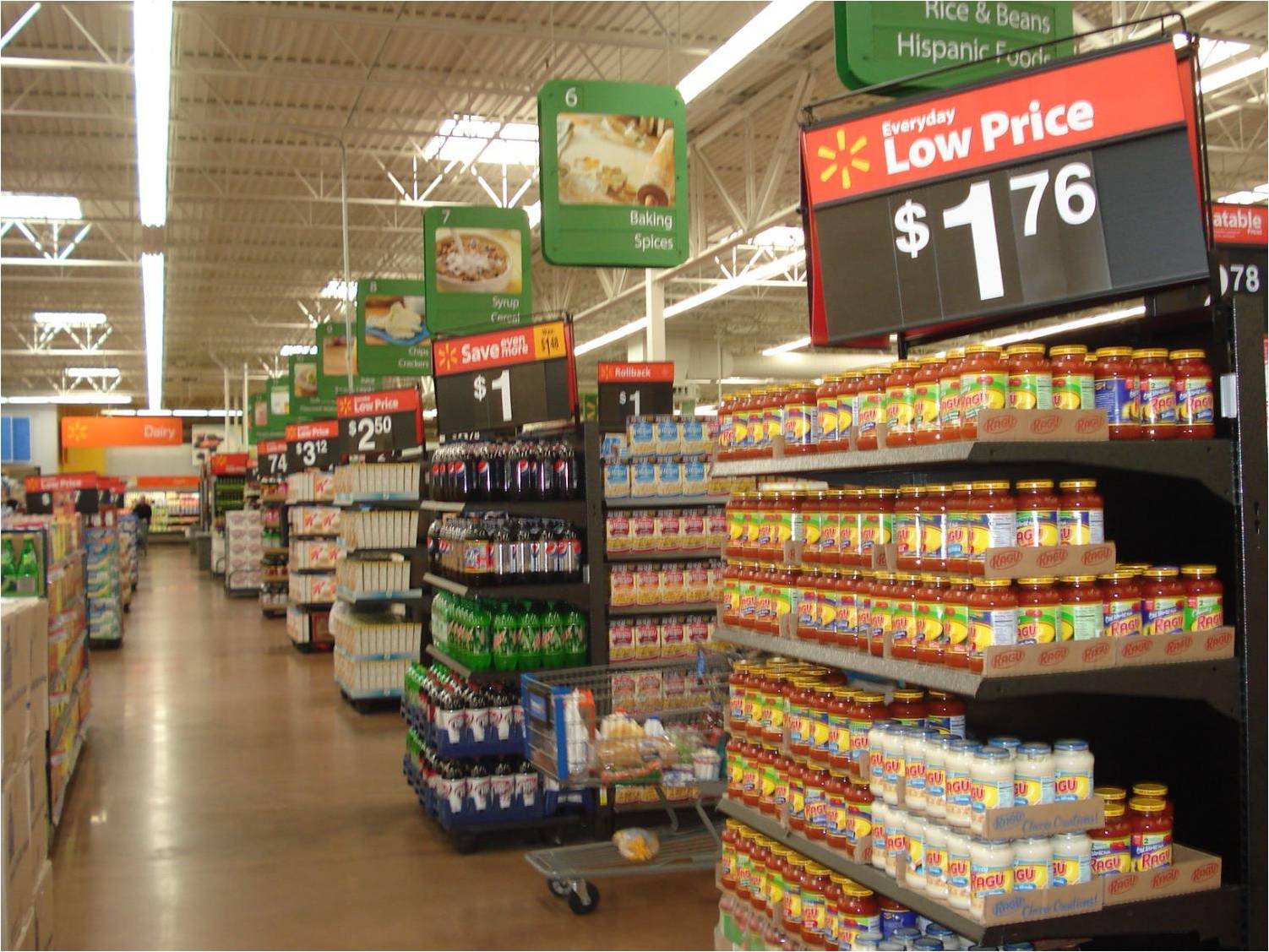
Walmart operates as the core platform for millions, leveraging its massive scale to offer unparalleled convenience. Its model excels during seasonal peaks like ‘Back-to-School,’ allowing for one trip for supplies and groceries. My experience analyzing retail ecosystems shows that Walmart’s primary advantage is its sheer breadth.
Category & Positioning
- Store Type: Full-scale supercenter with groceries + general merchandise (100,000+ SKUs)
- Best Fit Scenarios: You should choose Walmart if your priority is low prices on national brands and the one-stop convenience of getting groceries, clothing, and other household goods—like shopping for non-food items such as bedding or bath towels—all in one trip.
When It Shines
- It offers unmatched one-stop-shop convenience, letting you grab everything from groceries to general merchandise; this is crucial for finding baby supplies like diapers and formula alongside your weekly food. A typical Supercenter carries over 100,000 SKUs.
- It maintains consistently low prices on national brand-name products, built on its famous ‘Everyday Low Price’ (EDLP) strategy.
- The Walmart+ subscription ($98/yr) creates a robust curbside pickup and delivery ecosystem, offering significant value for users who frequently shop online.
- Its lenient return policy provides a crucial safety net for purchases, which is an important trust signal for consumers Walmart Account Security.
✅ Strengths
- Massive 100,000+ SKU selection
- EDLP: consistently low national-brand prices
- Walmart+ pickup/delivery ecosystem
- Lenient return policy
- Great Value store brand offers low pricing
⚠️ Considerations
- Produce quality is inconsistent and a “gamble”
- Long lines and chaotic in-store experience
- Frequent incorrect substitutions on online orders
- Store cleanliness varies significantly by location
- “Price vs. Sanity” trade-off is real
As one synthesized user quote puts it: “Shopping inside Walmart is a nightmare. The produce is always a gamble—half the time the lettuce is wilted. It’s not worth the stress.”
Kroger: Best for the Rewards-Focused Commuter
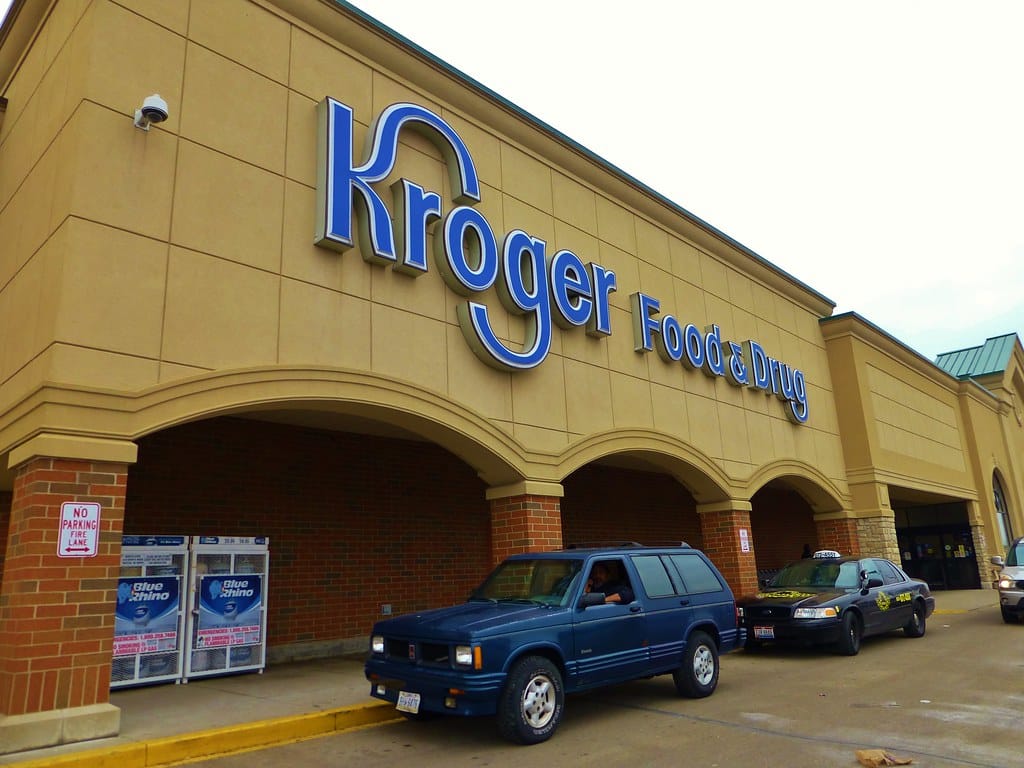
In my view, Kroger is Food Lion’s most direct competitor, operating as a core platform in the same middle ground. It competes on a balanced mix of price, selection, and, most notably, a powerful loyalty program.
Category & Positioning
- Store Type: Full-service traditional supermarket with strong loyalty program
- Best Fit Scenarios: You should choose Kroger if you want a balanced, all-around supermarket and are a commuter who can aggressively leverage the Fuel Points program to offset your weekly gas expenses.
When It Shines
- It is the most direct, balanced competitor to Food Lion, offering a familiar, full-service supermarket experience that doesn’t feel as polarizing as Walmart or Aldi.
- The Fuel Points program is a powerful loyalty program that offers tangible savings on fuel for regular commuters, creating a direct monetary value that other programs lack.
- It has a strong and diverse private label portfolio. This includes the popular “Simple Truth” organic line, which competes directly with Food Lion’s “Nature’s Promise,” and the premium “Private Selection” line for more gourmet items and quality home goods.
- It offers a full range of in-store services that shoppers expect, including a deli, bakery, and pharmacy, providing a true one-stop-shop experience for groceries.
✅ Strengths
- Powerful Fuel Points loyalty program
- Broad private label lineup (Simple Truth, Private Selection)
- Full deli, bakery, and pharmacy services
- Balanced pricing similar to Food Lion
- Comprehensive one-stop-shop experience
⚠️ Considerations
- App usability and digital tools lag behind competitors
- Fuel points value depends on how much you drive
- Base prices are not the lowest available
- Sale prices require careful weekly ad reading
- Coupon system can feel complex to new users
Highlighting the competitive pressure, one user in a sentiment analysis praised Aldi’s “Simply Nature” brand as being “cheaper and just as good as the stuff at Kroger.”
For readers who like to compare stores head-to-head, our detailed grocery comparison guides break down these mid-market brands side by side.
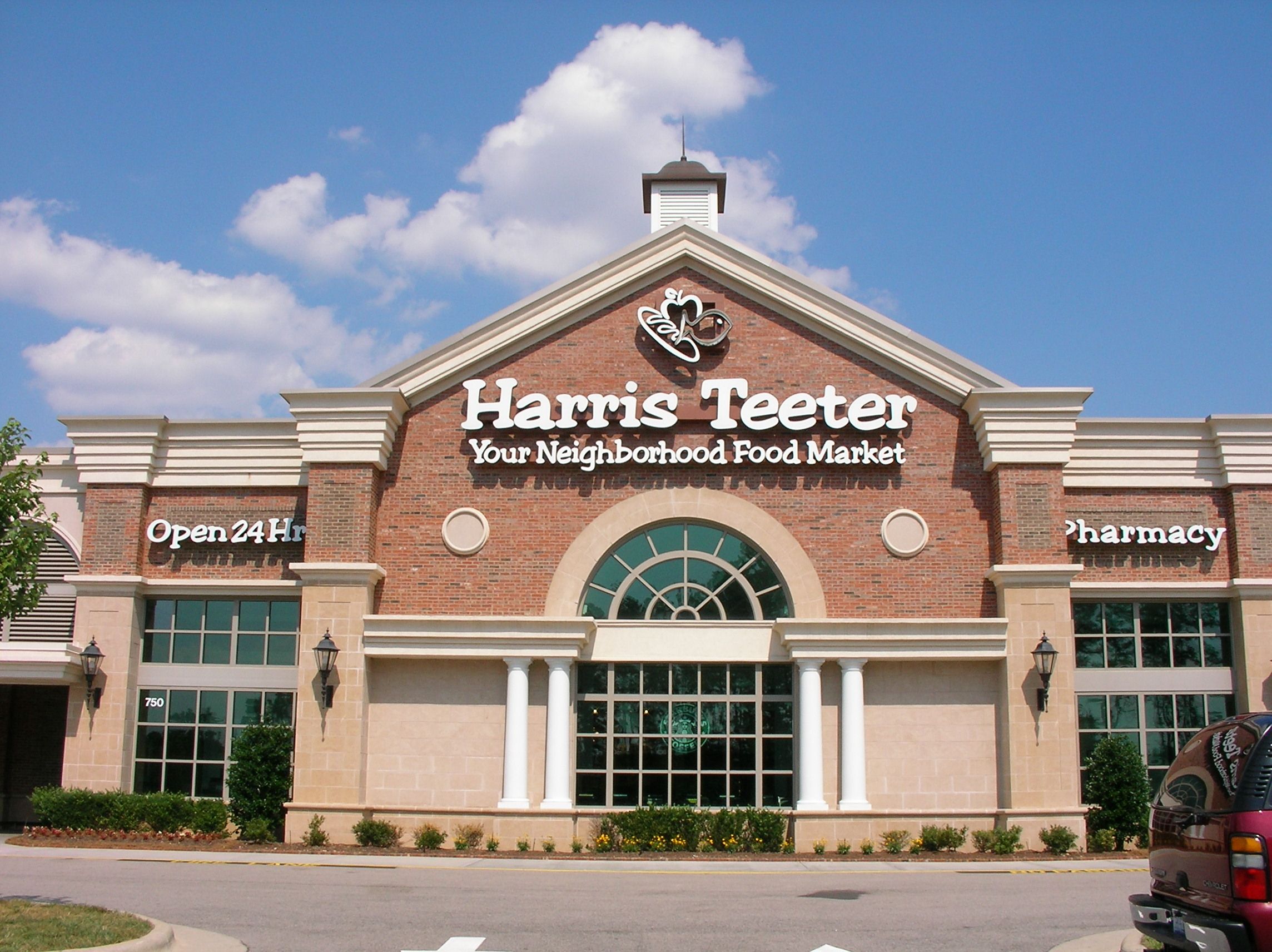
Publix & Harris Teeter: Best for the Quality-First Shopper
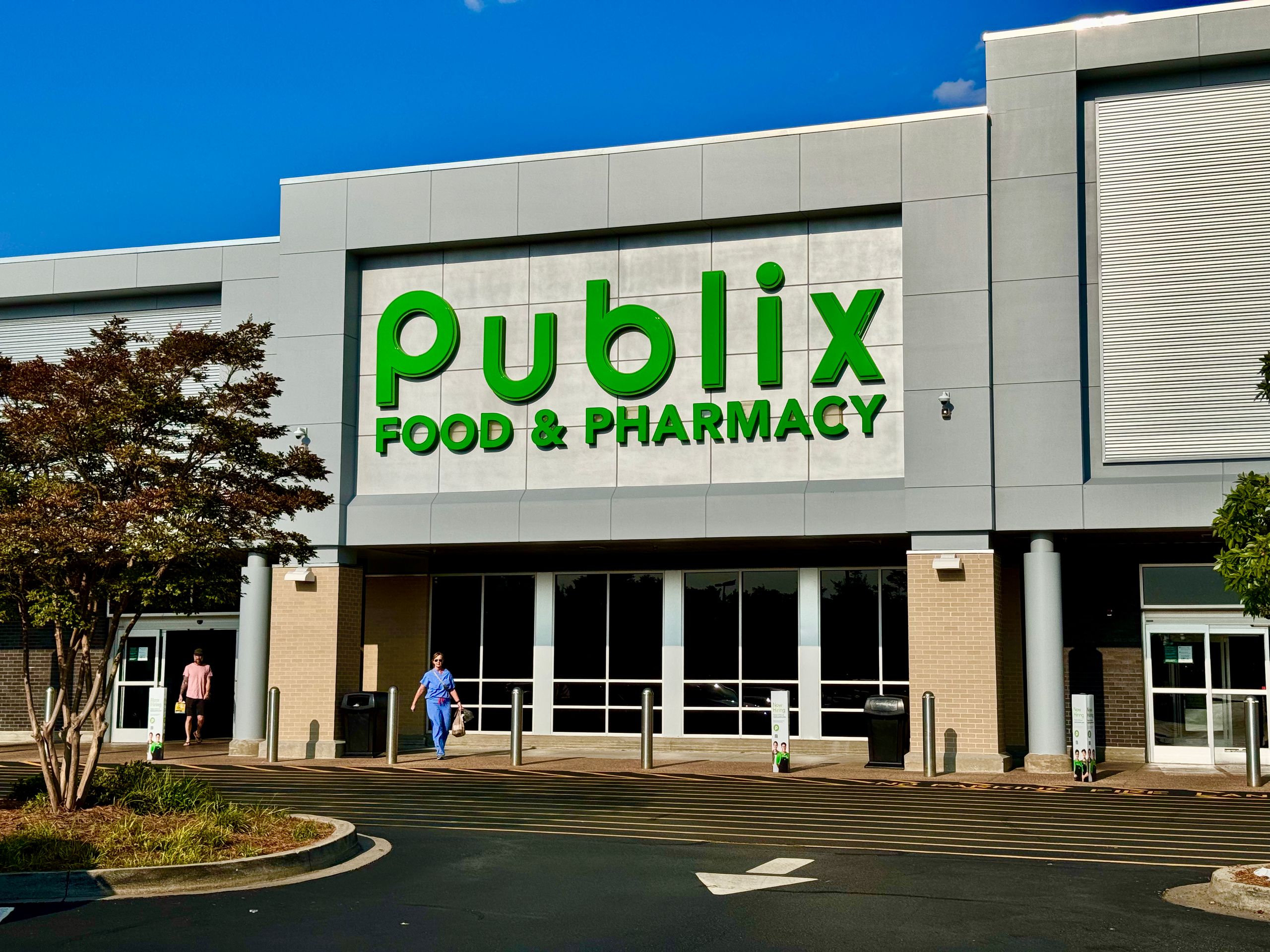
These stores occupy the premium tier of the grocery market. From my professional experience, their business model is not built on winning on price, but on delivering a superior customer experience.
Category & Positioning
- Store Type: Premium regional supermarkets built around customer service and fresh quality
- Best Fit Scenarios: You should choose Publix or Harris Teeter if your number one priority is the best customer service, store cleanliness, and the highest quality fresh departments, and you have a flexible budget to support it.
When It Shines
- They deliver a consistently superior in-store experience. This means clean stores, wide aisles, and genuinely helpful and available employees, which reduces the stress of grocery shopping.
- They are widely perceived as having the highest quality fresh departments, especially produce, deli, and bakery. The famous “Publix Promise” guarantees satisfaction, reinforcing this trust.
- Harris Teeter’s e-VIC program allows for aggressive deal-stacking on “Buy One, Get One Free” (BOGO) sales, which, for savvy shoppers, can make it a surprisingly viable financial option. This strategy encourages smart bulk buying of pantry staples.
- The Publix deli, famous for its “Pub Subs,” is a destination in itself and a major driver of store traffic and loyalty.
✅ Strengths
- Best-in-class fresh produce, deli, and bakery
- Clean stores with wide, uncluttered aisles
- Genuinely helpful, well-trained staff
- Publix Promise / Harris Teeter satisfaction
- Harris Teeter BOGO + e-VIC stacking savings
⚠️ Considerations
- Significant “quality tax” on nearly every item
- Baskets can be 20-30% more expensive than Food Lion
- Not accessible for tight grocery budgets
- Only a “value” if you exclusively shop BOGO sales
- Location coverage varies by region
As the user sentiment analysis perfectly frames it, some shoppers feel “it’s worth it” because it “makes grocery shopping feel like less of a chore.” However, this is immediately followed by the stark reality check from another shopper: “my basket was nearly 30% more expensive at Publix than at Food Lion. I just can’t justify paying that ‘quality tax’ every single week.” It’s a classic trade-off between pleasure and price.
Pricing Reality Check: Exposing the Real Cost of Groceries
As an expert who analyzes these systems, I have to be blunt: the shelf price you see is rarely the true cost of your groceries, and smart shoppers learn to look beyond it at the unit pricing to understand real value.
The entire industry is built on a complex web of sales, loyalty programs, and hidden fees designed to influence your behavior. Let’s pull back the curtain.
The most critical finding is a clear directional price hierarchy. For a standard basket of goods, the cost ladder is undeniable.
Sample Grocery Basket Cost Comparison (2026 Data)
Multiple studies and consumer reports confirm this trend:
- Aldi: Consistently positions itself as the lowest-cost provider for a basic basket of goods.
- Walmart: Extremely competitive, especially on national brand-name products.
- Food Lion / Kroger: Occupy the competitive mid-tier, with prices fluctuating based on weekly sales and loyalty programs.
- Harris Teeter / Publix: Sit at the top with the highest base prices, justifying it with service and quality.
Pricing Gotchas & Hidden Fees
Beyond the shelf price, you must be aware of the financial traps that can inflate your bill.
- ❌ The Instacart “Convenience Tax”: My analysis confirms that using third-party services like Instacart for delivery from Food Lion, Aldi, or Publix is a major financial trap. Their own help center notes that retailers set in-app prices, which may be higher than in-store prices Instacart Help Center. Combined with service fees and tips, this can significantly increase your total bill.
⚠️ The $1,500/Year ‘Convenience Tax’ Trap
That 15-20% Instacart markup feels small per order, but it adds up. For a household spending $200/week on groceries, that’s an extra $1,560-$2,080 per year paid for convenience. Always compare in-app prices to your last in-store receipt.
- ⚠️ The Aldi “Second Trip” Cost: The low prices at Aldi are tempting, but I always advise clients to factor in the hidden costs. Because of its limited selection, a second trip to another store is often necessary. The time and fuel spent on this second trip is a real cost that erodes the savings from your Aldi bill.
- ⚠️ The Kroger “Spend-to-Save” Loop: Kroger’s Fuel Points program is one of the most effective loyalty schemes, but it has a psychological catch. The desire to earn larger discounts at the pump can subtly encourage you to spend more on groceries than you otherwise would. You have to be disciplined to ensure you’re not overspending just to chase a reward.
- ✅ The Harris Teeter “BOGO Hack”: The only way, in my professional opinion, to make Harris Teeter a true value option is to master their sales. The most effective strategy is stacking their e-VIC digital coupons on top of their famous “Buy One, Get One Free” deals. For pantry staples and non-perishables, this can lead to savings of 60-70%, turning one of the most expensive stores into a surprisingly good deal for disciplined shoppers.
If avoiding these hidden fees is your priority, our latest coupons roundup is a great daily-check resource to keep your grocery bill in check without gambling on third-party pricing.
Performance & Reliability: The Truth About Produce and Pick-up
Marketing slogans like “Freshness Guaranteed” are everywhere, but as a Home and Garden professional who deals with produce, I focus on the ground truth. The performance of a grocery store isn’t just about price; it’s about the reliability of its fresh products and the efficiency of its services.
Claims vs. Reality
| Metric | Vendor Claim/Positioning | Upstream Reality / User Perception |
|---|---|---|
| Checkout Speed | Aldi: Fastest. | ✅ Verified True. Multi-barcode packaging and trained cashiers result in remarkably fast checkouts. |
| Produce Quality | Publix: Best quality. | ⚠️ Generally True, But at High Cost. User perception strongly supports this, but it comes with a significant price premium. |
| Produce Quality | Walmart: “Freshness guaranteed.” | ❌ Inconsistent Reality. The most cited deal-breaker. Quality is a “gamble” and “highly dependent on the specific store’s management.” |
| Online Order Accuracy | Walmart: “Pickup and Delivery.” | ⚠️ Pain Point. While overall accuracy is high, numerous customer reports cite issues with incorrect substitutions on larger orders, negating convenience. |
| In-Stock Reliability | All stores aim for 100% | ⚠️ Variable. High-demand items like specific baby formulas or pet foods can have inconsistent stock levels, especially at smaller-format stores. |
Case Study: How Incorrect Substitutions Ruin Convenience
The failure of online order fulfillment is one of the most frustrating performance issues for modern shoppers. Let me walk you through a powerful case study that illustrates this problem perfectly.
Situation: A busy family with young children relies on a weekly curbside pickup order from Walmart to manage their hectic schedule and avoid taking kids into the store.
Task: To receive all their groceries accurately and quickly, saving valuable time.
Action: In a typical weekly order, two or three items are out of stock. Walmart’s automated system substitutes them. Numerous online customer anecdotes report a high probability of incorrect substitutions. For example, the system might substitute a non-organic item for an organic one, a different size of diaper, or a completely different flavor of yogurt.
Result: The parent is forced to meticulously check their entire order in the parking lot. Upon finding the incorrect item, they must then unbuckle the kids, go inside to the customer service desk, wait in line, return the wrong item, and then search the aisles for a suitable replacement. This system failure adds 15-20 minutes to the trip, entirely defeating the purpose of the convenience service and causing immense frustration. This isn’t just an inconvenience; it’s a fundamental breakdown in the service promise.
User Experience: What Real Shoppers Say
After years of analyzing data and store performance, I’ve learned that the “ground truth” often comes from the unfiltered voices of real shoppers. User sentiment validates the data and brings the core dilemmas of grocery shopping to life. It shows the emotional side of the trade-offs between price, quality, and time.
🛒 The “Shopping Stack” Workflow
“Price vs. Sanity (The Walmart Dilemma)”
This is the classic Walmart trade-off I see time and time again. Shoppers are drawn in by low prices but often pushed away by the chaotic experience.
The positive sentiment confirms the value proposition: “You can’t beat Walmart’s prices on the big brand stuff my kids love, and I can get their school supplies at the same time. The Walmart+ free delivery has been a lifesaver.” This highlights the power of one-stop shopping.
However, the negative sentiment is just as powerful and reveals the breaking point: “Shopping inside Walmart is a nightmare. The produce is always a gamble—half the time the lettuce is wilted. I switched to doing my main shopping at Food Lion and only go to Walmart for packaged goods now. It’s not worth the stress.”
“The Aldi Converts & Their Frustrations”
Aldi inspires a unique kind of loyalty, almost like a fan club for savers. The positive sentiment focuses on the thrill of discovery and the quality of their private labels: “I was skeptical of Aldi at first, but I’m saving $50-$75 a week. Their ‘Simply Nature’ organic brand is cheaper and just as good as the stuff at Kroger.”
However, the core limitation is always present.
Real-World Test: “I’m not sure I actually saved any time or money.”
This synthesized user quote perfectly illustrates Aldi’s primary weakness. A user tries Aldi for the first time, attracted by reports of huge savings. They fill their cart with low-priced staples but can’t find specific items their family needs, like Coca-Cola or a particular brand of cat food.
The result, in their own words: “I saved a ton of money on the things I could buy, but now I have to go to Food Lion anyway to get the three things my family actually asked for. I’m not sure I actually saved any time or money.” This perfectly encapsulates the “Second Stop” problem.
“Paying for Pleasure (The Publix Justification)”
For those with a flexible budget, the Publix experience is a powerful draw. The positive sentiment shows that shoppers are consciously trading money for a better experience: “I know Publix is more expensive, but it’s worth it. The store is always spotless, the employees are actually happy to help you… It makes grocery shopping feel like less of a chore.” They are paying to reduce stress.
But this justification has a hard limit, as shown by the negative sentiment: “I did a direct price comparison on my last trip, and my basket was significantly more expensive at Publix than at Food Lion. I just can’t justify paying that ‘quality tax’ every single week.”
Security & Trust: Food Safety and Data Privacy
In my role as an expert, I have a professional responsibility to look beyond price and convenience to address the critical YMYL (Your Money or Your Life) risks of food safety and data security. While often overlooked, these are fundamental pillars of trust.
When it comes to food safety, all stores are subject to FDA oversight, but their customer-facing guarantees are what build day-to-day trust. In this area, Aldi is the clear best-in-class. Their “Twice as Nice Guarantee” offers to both replace AND refund any item a customer is not happy with. This is the strongest policy in the industry and effectively eliminates the quality risk of trying their many private-label products.
In contrast, Publix’s “Publix Promise” and Walmart’s “Freshness Guarantee” are closer to the industry standard, assuring customers they won’t be penalized for poor quality but without the full refund component.
On the digital and financial security front, all major retailers like those discussed are required to be PCI-DSS compliant to process credit card payments, and they typically use standard encryption like AES-256 to protect financial data PCI Security Standards Council Website.
The key differentiator I look for is user-facing security features. The upstream data indicates that Walmart offers 2-factor authentication (2FA) for its app, a significant positive for security-conscious users Walmart Account Security Page. This sets a standard that other proprietary apps from Kroger and Harris Teeter should be measured against.
Blind Spot: Why Vague Privacy Policies Erode Trust
A critical lesson in trust comes not from what companies say, but from what they don’t.
Situation: A user concerned about data privacy wants to compare the policies of different grocery apps.
Task: An analysis was conducted to compare the privacy policies of Walmart and its competitors.
Action: A review of Walmart’s app confirmed a detailed, accessible privacy policy outlining data collection and protection measures. However, this level of detail was not as readily available for all other competitors.
Result: This lack of easily accessible, clear information is a finding in itself. The transparency of a company like Walmart, which surfaces its security protocols clearly, builds more user trust than competitors whose policies are vague or difficult to find. In the digital age, a lack of transparency is a security blind spot.
Known Issues & Limitations (The “Blind Spots”)
As a Devil’s Advocate, my job is to be ruthlessly direct about the fundamental, unfixable trade-offs of each business model. These aren’t temporary problems; they are core “blind spots” that you must be willing to accept if you choose a particular store.
- ❌ Walmart: The Produce Quality Gamble. This is the number one deal-breaker. Walmart’s high-volume model, often strained by modern supply chain issues, leads to systemic inconsistencies in the stocking and quality control of fresh foods. This isn’t just an inconvenience; it can lead to significant food waste due to poor quality, as produce may spoil before you can use it, negating any initial savings.
💡 PRO TIP: De-Risking the Walmart Produce Gamble
If you must use Walmart for a one-stop shop, mitigate produce risk by buying frozen fruits/vegetables, which have more consistent quality. For fresh items, only buy whole produce (apples, oranges, onions) which are more durable than delicate leafy greens or berries.
- ❌ Aldi: The One-Stop Shop Illusion. I need to be very clear: discount grocers like Aldi and its closest rival, Lidl, are not, and never will be, one-stop shops for the average American family. Their business model is fundamentally based on a limited, curated selection to keep costs down. This is a feature, not a bug, but it’s a critical limitation for any time-strapped shopper who cannot afford to make multiple grocery trips per week.
- ⚠️ Publix/Harris Teeter: The “Value” Barrier. The premium experience at these stores is a feature you pay for, not a flaw in their model. However, this high-price structure creates a hard “value barrier” that makes them fundamentally inaccessible to the most budget-sensitive shoppers, who are the primary audience looking for Food Lion alternatives. You cannot budget-shop here without extreme deal-hunting discipline.
- ⚠️ Instacart-Powered Stores: The Black Box of Pricing. For any store that relies on Instacart for its digital fulfillment (including Food Lion, Aldi, and Publix), there is a fundamental lack of price transparency. The price you see in the app is often not the price in the store due to markups and fees. This “black box” pricing is a major blind spot that actively erodes user trust over time.
- ⚠️ Kroger: The Digital Experience Gap. Based on user reviews and industry analysis, traditional grocers like Kroger can sometimes struggle to keep pace with tech-first companies in app usability and digital integration. This can lead to a clunky user experience, with friction in online ordering, digital couponing, and app navigation, which frustrates digitally-native shoppers.
Frequently Asked Questions
Q1: Is Aldi really cheaper than Walmart?
A: Yes, for a basket of staple goods, most analyses show Aldi is generally cheaper than Walmart. While exact percentages vary by location and the specific items purchased, consumer finance reports consistently place Aldi as one of the lowest-cost grocery options in the U.S. CNBC Report on Grocery Savings. For example, a 2023 study found Aldi to be cheaper than Walmart by a small margin for a basket of common items. However, this direct price advantage comes with the major trade-off of a much more limited selection, which may require you to make a second trip to another store for branded items or a wider variety of produce, potentially offsetting the savings with time and fuel costs.
Q2: How much more expensive is Publix than Food Lion?
A: Publix is significantly more expensive than Food Lion, with shoppers often reporting a noticeable “quality tax.” While a precise, universal percentage is impossible to state due to regional price differences and sales, numerous anecdotal reports and price comparisons suggest a typical shopping basket at Publix can cost substantially more than an identical one at Food Lion. A widely circulated news report found a basket of items at Publix could be over 20% more expensive than at Walmart, a store with a similar price profile to Food Lion WJLA 7News Price Comparison. You are paying a premium for the clean stores, higher staffing levels, customer service, and the perceived higher quality of fresh items like produce and deli meats.
Q3: What are the hidden fees when using Instacart for grocery delivery?
A: The primary “hidden” costs on Instacart are item markups, service fees, and delivery fees. Instacart’s own policies state that retailers set the prices for items on the platform, and these can be higher than in-store prices Instacart Help Center. On top of potential markups, Instacart charges a service fee on every order, which is separate from the delivery fee (often waived for Instacart+ members) and the tip for your shopper. For a non-member, the combination of these charges can easily add a significant percentage to the grocery bill, creating a “convenience tax” that can quickly erode any savings from coupons or sales.
Q4: Why is Walmart’s produce so inconsistent?
A: Walmart’s produce quality is often inconsistent due to its high-volume, low-margin business model that prioritizes efficiency and cost over meticulous handling. For delicate fresh foods, this can lead to issues. Unlike stores that position themselves as fresh-food destinations, Walmart’s massive scale means quality control can vary dramatically from store to store and even day to day. Factors like staffing levels, store management focus, and the speed at which produce is moved from the truck to the shelf all play a role. This results in what shoppers call a “gamble,” where you might find great quality one day and wilted or bruised items the next Business Insider Analysis.
Q5: Is a Walmart+ subscription worth it for groceries?
A: A Walmart+ subscription ($98/year) can be worth it if you frequently use their delivery service and live in an area with good service. The primary value driver is the “free” delivery on orders over $35, which can quickly pay for the membership if you order weekly. However, its value depends on your tolerance for two key issues: the potential for incorrect online order substitutions and the inconsistent quality of their fresh produce. If you primarily use the service for packaged goods, cleaning supplies, and non-perishables, it offers strong value. If you are very particular about your produce or need 100% order accuracy every time, the frustration may outweigh the savings.
Q6: What is the “second stop” problem with Aldi?
A: The “second stop” problem is the necessity of visiting another grocery store after shopping at Aldi to buy items they do not carry. Because Aldi’s business model is built on efficiency, they stock a very limited selection of items (typically under 2,000) and focus on their own private labels. This means many families cannot find all their weekly necessities, such as specific national brands (like Coca-Cola), a wide variety of pet food, fresh deli items, or certain household products. This extra trip to a second store like Food Lion or Kroger adds time and fuel costs, which can erode the money saved on your Aldi bill and is a common frustration cited in customer reviews Lovemoney Reader Experiences.
Q7: Which grocery store has the best private label brand?
A: While “best” is subjective, Aldi is widely considered to have one of the most successful and high-quality private label programs in the industry. Their brands, like ‘Simply Nature’ (organic) and ‘Specially Selected’ (gourmet), are frequently praised for being low-cost while rivaling or even beating national brands in taste tests. The “Twice as Nice Guarantee” further encourages customers to try these brands risk-free. Kroger’s ‘Simple Truth’ brand is also a very strong competitor in the organic and natural foods space and is often compared favorably to Food Lion’s ‘Nature’s Promise’. Walmart’s ‘Great Value’ is one of the largest food brands in the country by sales but has a more mixed reputation for quality.
Q8: Should I choose Kroger or Food Lion for the best balance?
A: Both Kroger and Food Lion offer a solid balance of price and service, making them direct competitors; the choice often depends on the value of their loyalty programs to you. I consider Kroger the better choice if you are a regular commuter who can maximize the value of their Fuel Points program. The savings on gasoline can be a significant, tangible monetary reward that tips the scale. If you don’t drive much or find the fuel program too complex, Food Lion’s more straightforward MVP program with direct digital coupons may be the more practical and less complicated choice for your household budget. Both provide a classic, full-service supermarket experience. For a full breakdown, our Food Lion Top Alternatives and Competitors comparison takes an even deeper look.
Conclusion: Should You Shop at Multiple Grocery Stores? (Building Your ‘Shopping Stack’)
After this deep dive, it should be clear that the price on the shelf is not the true cost of groceries. The path to an improved household budget isn’t finding a single ‘best’ alternative to Food Lion; the perfect store for every need simply does not exist.
My analysis confirms that the entire grocery landscape is a spectrum of trade-offs, forcing you to choose between price, convenience, and quality. The most powerful strategy I can offer is to stop looking for one. Instead, you need to think like a portfolio manager for your household budget and build a personal “Shopping Stack.”
This approach simplifies meal planning, as you can choose the right tool for the right job. Use Aldi for your weekly stock-up on staples like milk, eggs, bread, and their fantastic private-label snacks.
Then, make a targeted trip to Food Lion or Kroger for the specific national brands your family loves and for items you couldn’t find at Aldi. For strategic fresh produce sourcing, especially when planning a special meal where quality is paramount, consider a targeted trip to Publix for just those items. This hybrid model is how you truly win the grocery game.
As my final Devil’s Advocate warning, I urge you to be skeptical of marketing. Always look for hidden fees on your receipts and in your apps, especially when using third-party delivery services. Trust your own experience with quality above all else.
Before you shop, ask yourself these three critical questions: 1. What is my REAL budget for this trip? 2. How much is my TIME worth (One-Trip vs. Multi-Trip)? and 3. What are my QUALITY standards for what I’m buying? Answering those honestly will always lead you to the smartest decision.
And before you head out the door for that Food Lion stop in your Shopping Stack, don’t forget to grab a working Food Lion promo code — it’s the fastest way to shave more off your total without changing where you shop.
Appendix: The Coupons Scout Verification Protocol
THE COUPONS SCOUT VERIFICATION PROTOCOL (CSVP™)
Document Type: Standard Operating Procedure (SOP) / Public Trust Page
Status: Version 2.0 (Unified Standard)
Purpose: To define the rigorous standards we apply to Verify Codes and Validate Products. Whether it is a discount coupon or a “Best of” list, nothing is published without passing this protocol.
1. Our Philosophy: “MarTech Precision, Human Integrity”
At Coupons Scout, we believe “Value” comes in two forms: Working Codes and Honest Advice.
Founded by Mohamed Zaki, a MarTech strategist, our platform uses Growth Automation to discover data, but relies 100% on Human Experts to interpret it. We do not just aggregate; we curate.
2. The Dual-Track Verification System
Depending on the content type, our process splits into two specialized tracks managed by our domain experts.
TRACK A: COUPON CODE VERIFICATION
For Store Pages, Deals, and Promo Codes.
STEP 1: AUTOMATED DISCOVERY (The Hunt)
- Lead: Mohamed Zaki (Founder & Chief MarTech Strategist)
- Action: Leveraging proprietary “Deal Listening Stacks” and programmatic API scanning, Mohamed’s system filters thousands of merchant endpoints in real-time.
- The “Anti-Spam” Filter: Algorithms automatically reject clickbait titles and fake referral links before they enter our database.
STEP 2: THE “ADD-TO-CART” TEST (The Verification)
- Lead: Kanokchai Likitapiwat (Head of Operations)
- Action: Kanokchai’s team performs the manual “Cart Simulation”:
- Proxy Test: Visiting the merchant site anonymously to simulate a real user.
- Application: Applying the code at checkout to verify the price drop.
- Restriction Logging: Documenting hidden terms (e.g., “New Users Only”).
- Result: Only working codes are flagged as “Active.”
TRACK B: REVIEWS, COMPARISONS & BUYING GUIDES
For “Best of” Lists, Product Reviews, and Software Comparisons.
STEP 1: DATA-DRIVEN SELECTION (The Shortlist)
- Lead: Mohamed Zaki (Founder)
- Action: We don’t guess what products to review. Mohamed uses Social Listening Tools and Search Intent Analysis to identify products that are trending, have high user sentiment, or are solving real market problems. This ensures our “Best Lists” are relevant to current needs.
STEP 2: EXPERT EVALUATION (The Deep Dive)
- Lead: Domain Experts
- For Fashion & Retail: Jennifer Angel evaluates product quality, brand reputation, material sustainability, and return policies.
- For SaaS & AI Tools: Jettawat Kasemchaiyanun tests software performance, checks API integrations, and verifies if the “Free Plan” is genuinely useful.
- Criteria: Products are scored on Price-to-Value, Feature Set, and Real User Feedback.
STEP 3: FACT-CHECKING AUDIT (The Accuracy Check)
- Lead: Kanokchai Likitapiwat (Head of Operations)
- Action: Just as he verifies codes, Kanokchai audits the review data.
- Are the pricing tiers in the comparison table accurate?
- Is the “Money-Back Guarantee” still valid?
- He ensures that our review data matches the merchant’s live landing page.
3. Editorial Standard (The Publish)
Applies to BOTH Track A and Track B.
- Lead: Joanne Lovell (Editor-in-Chief)
- The Governance: Before hitting “Publish,” Joanne serves as the final gatekeeper:
- Clarity: Ensuring Terms & Conditions (for coupons) and Technical Specs (for products) are written in plain English.
- Objectivity: Ensuring “Best Lists” are unbiased. If a product has a downside, we must mention it.
- Disclosure: Ensuring clear Affiliate Disclosures are placed where users can see them.
4. Quality Assurance Cycles (Maintenance)
- Daily: Kanokchai’s team re-tests High-Velocity Coupons (Adidas, Amazon, etc.).
- Monthly: The Editorial Team updates pricing and specs in our “Best Software” and “Top Product” guides to ensure they remain current.
- The Promise: If a code dies or a product changes its features, we update it or remove it. We prioritize Accuracy over Archive Size.