The Henna Guys Top Alternatives and Competitors: A 2026 Reality Check on Natural Hair Dye
Posted on |
What if the “100% Pure” claim on your box of henna was based on data that’s two years old? It absolutely hurts my soul to even think about it.
In the world of herbal hair color, where safety is everything, unverified claims for these so-called ‘natural’ products aren’t just a little misleading—they’re a massive risk to your hair and your health.
If you’re putting something on your head for hours, you have to be able to trust it, and right now, that trust is broken.
So, as Coupons Scout’s lead analyst, I’m Mohamed Zaki, and we’re going to get into it. This analysis of The Henna Guys’ top alternatives and competitors goes way beyond a simple feature list. For those considering The Henna Guys, make sure to check our exclusive The Henna Guys coupon codes before you buy.
This comparison exposes the blind spots, diving deep into the hidden realities of Light Mountain Natural, Rainbow Research, Mehandi.com, and Lush Henna. I’m going to show you what you’re really getting when it comes to verifiable purity, real-world performance, total cost of ownership (TCO), and the actual, boots-on-the-ground user experience.
This analysis is designed to challenge what these brands are telling you and protect you, the consumer. We will expose the “Purity Lie,” the “Easy-to-Use Lie,” and the hidden costs brands don’t want you to see. While this guide is based on extensive data, you absolutely must perform a patch test for allergies and a strand test to preview the color result before you make any moves. You can also explore our in-depth The Henna Guys Review for a full breakdown of the base brand.
Key Takeaways
-
The Purity Divide: Mehandi.com is the only brand providing verifiable, per-batch lab tests for purity. All others, including those with ‘USDA Organic’ seals like Light Mountain Natural, operate on a trust-based claim, a critical risk for users concerned about heavy metals or adulterants. -
Grey Coverage Reality: For reliable grey coverage, only Light Mountain Natural’s 2-step kit and Mehandi.com’s complex process deliver. Lush Henna and Rainbow Research are highly unpredictable and should not be trusted for important events. -
The True Cost Illusion: The cheapest option, Rainbow Research (~$7/box), carries the highest financial risk due to potential salon color correction costs that can exceed $300. The most expensive on paper, Mehandi.com (~$1,020 3-year TCO), is the price of certainty. -
Time vs. Money Trade-Off: This market forces a choice: pay with your time (a 6-8 hour process with Light Mountain Natural) or your money (the premium price and steep learning curve of Mehandi.com). -
The “Easy to Use” Lie: No 100% natural henna is ‘easy.’ Lush Henna’s ‘convenient’ block is notoriously messy to prep and rinse, and Rainbow Research’s simple instructions often lead to unpredictable, frustrating results. -
CRITICAL BLIND SPOT: Our 2025-2026 research was critically hampered by tool failures. This means recent price hikes, shipping costs, and ‘bad batches’ for most brands could not be independently verified, elevating consumer risk.
Watch this comprehensive video guide on the best henna hair dye options for healthy, rich color results:
Decision in 60 Seconds
| Your Primary Need | Best Choice | Why It Wins | Key Risk to Accept |
|---|---|---|---|
| Absolute Purity & Safety | Mehandi.com | The only brand with public, batch-specific lab reports proving purity from PPD and heavy metals. | High cost and extreme complexity; not for beginners. |
| Reliable Grey Coverage | Light Mountain Natural | Its 2-step “Color the Gray!” kit consistently delivers opaque coverage for a reasonable price. | A massive time commitment (6-8 hours) and no public lab tests for heavy metals. |
| Conditioning with a Tint | Lush Henna | The cocoa butter base provides excellent conditioning, leaving hair soft and with a subtle gloss. | Will not reliably cover grey hair; prep and rinsing are extremely messy and difficult. |
| Low-Cost Experimentation | Rainbow Research | The absolute cheapest entry point to test for henna/indigo allergies via a patch test. | High risk of unpredictable, orange color results and a gritty texture that’s hard to rinse. |
Top Alternatives & Competitors Shortlist
If you’re exploring options in the natural hair dye space, our comprehensive The Henna Guys Top Alternatives and Competitors guide provides even more context on each brand.
| Option | Best For | Tradeoff | Evidence Status |
|---|---|---|---|
| Mehandi.com (Ancient Sunrise) | Risk-Averse Purists | Highest cost & complexity | ✅ |
| Light Mountain Natural | Pragmatic Users Needing Grey Coverage | Extreme time commitment | ⚠️ |
| Lush Henna | Conditioning-focused Users (No Greys) | Messy application & poor coverage | ⚠️ |
| Rainbow Research | Allergy Patch Testing Only | High risk of color failure | ❌ |
| The Henna Guys | Balanced Performance & Simplicity | Lacks batch-specific lab tests | ⚠️ |
Introduction: Our Uncompromising Evaluation Methodology
After analyzing over 50 products in the Health and Beauty market and evaluating The Henna Guys’ top alternatives and competitors across multiple real-world scenarios, our team at Coupons Scout provides this evaluation based on a framework that prioritizes user safety and verifiable facts over marketing hype.
As per our Editor-in-Chief Joanne Lovell’s strict guidelines, we are radically transparent. You can learn more about our full process in Our Uncompromising Evaluation Framework, but for this specific analysis, we must address a serious problem.
For this YMYL (Your Money or Your Life) analysis, transparency is non-negotiable. Our standard protocol (CSVP™) relies on independent verification, which failed for the 2025-2026 period due to external tool errors.
It’s a massive issue. We are publishing this analysis to highlight the risks of this information gap. Here is the protocol we follow and where the process was stopped short. Before diving deeper, you might also want to browse our full category of comparison articles for similar deep dives in other product categories.
TRACK B: REVIEWS, COMPARISONS & BUYING GUIDES
For “Best of” Lists, Product Reviews, and Software Comparisons.
STEP 1: DATA-DRIVEN SELECTION (The Shortlist)
Mohamed Zaki (Founder) uses Social Listening Tools and Search Intent Analysis to identify products that are trending and solving real market problems. This ensures our “Best Lists” are relevant.
STEP 2: EXPERT EVALUATION (The Deep Dive)
For Health & Beauty, our retail editor Jennifer Angel evaluates product quality, brand reputation, ingredient safety, and real-world performance. Products are scored on Price-to-Value, Feature Set, and Real User Feedback.
STEP 3: FACT-CHECKING AUDIT (The Accuracy Check)
Our Head of Operations, Kanokchai Likitapiwat, audits all data. He ensures pricing is accurate and claims match live product pages.
2026 FAILURE POINT: For this analysis, this step could not be completed for recent (2025-2026) data due to tool failures. This means pricing, recent user reviews, and batch quality information remains unverified.
Part 2: A TCO Reality Check on The Henna Guys Top Alternatives and Competitors
Let’s talk money, because the price on the box is the biggest lie of all. You see a $7 box of Rainbow Research next to a $17 kit from Light Mountain Natural and think you’re getting a deal. You are not. You are walking into a trap.
The true cost of natural hair dye is a long-term calculation, and it is insanely different from what you see on the shelf. The total cost of ownership (TCO) reveals a shocking truth about which brands are genuinely budget-friendly and which are money pits in disguise.
We calculated the projected 3-Year TCO based on key factors: the cost per application, the assumed number of applications per year (which varies by how quickly the color fades), and the “hidden costs” of accessories or corrective products. Looking for the best value? Don’t forget to grab a The Henna Guys discount code to save on your purchase.
The numbers expose the flawed logic of choosing a brand based on its upfront price.
Advertised Pricing & Projected 3-Year TCO
| Brand | Price per 100g (Approx.) | Projected 3-Year TCO | Key Assumptions & Hidden Costs |
|---|---|---|---|
| Mehandi.com | $15.50 (Henna) + $13.00 (Indigo) | $1,020.00 | Assumes 8.7 applications/year, requires separate purchase of scale/tools ($15+), and has significant shipping costs ($8-$15 per order) Mehandi.com Shipping. |
| Lush Henna | $10.46 | $663.00 | Faster fading means more applications (13/year assumed). This calculation assumes 162.5g (half a block) per application. Lush Henna Pricing |
| Light Mountain Natural | $8.58 (for “Color the Gray!”) | $252.18 | Assumes 8.7 applications/year using the 198g two-step kit. Light Mountain Pricing on iHerb |
| Rainbow Research | $6.63 | $200.48 | Lowest projected cost. However, this excludes the significant financial risk of needing professional color correction due to poor results. iHerb Pricing |
The Hidden Costs and Financial Traps
The table above only scratches the surface. To understand the true financial commitment, you must factor in the unlisted expenses and risks that brands don’t advertise.
1. The Accessory Tax: Building Your Starter Kit
Brands like Rainbow Research and Mehandi.com sell you only the powder. This means you are responsible for buying your own application kit.
A basic setup including a non-metallic bowl, application brush, gloves, and plastic caps can easily add another $15-$25 to your initial purchase.
Light Mountain Natural is the only brand that includes a cap and gloves, offering a slight edge in upfront value. For Mehandi.com, precision is key, so they recommend a digital scale (another $10-$15) to ensure repeatable results.
These costs, while small individually, dismantle the “budget” appeal of powder-only brands.
2. The “Color Correction” Catastrophe
💡 KEY INSIGHT: The $200 TCO for Rainbow Research is a financial trap. It excludes the potential cost of professional color correction, which can exceed $300 Salon Henderson Price List. The true TCO for a failed application isn’t $7, but closer to $307, making it the most expensive ‘budget’ option.
This is the single greatest financial risk in the natural dye market. When a product like Rainbow Research fails and leaves you with bright orange roots, you can’t just put a chemical box dye over it.
Henna and indigo permanently alter the hair shaft. Attempting to fix it at home can lead to even stranger colors, like a swampy green.
Your only safe recourse is a professional salon that specializes in color correction, a service that can cost hundreds of dollars and multiple visits. That one-time “$7 deal” can become a long-term financial nightmare. If you’re looking for a reliable middle ground, consider checking current The Henna Guys promo codes for a more balanced option.
3. Shipping Fees: The Direct-to-Consumer Downside
Brands that sell exclusively from their own websites, like Mehandi.com, have unavoidable shipping costs. While their product quality is top-tier, expect to pay between $9 and $15 per order for standard shipping.
Factoring this into the TCO calculation, especially for users who buy smaller quantities more frequently, can add another $200-$300 over the three-year period.
This significantly closes the TCO gap between Mehandi.com and other brands available at local retailers.
4. The Permanent Commitment: Lock-In and Exit Costs
This is the cost that lasts forever. When you use any of these products with indigo to achieve brown or black shades, you are making a permanent commitment.
The indigo molecules bind to your hair in a way that makes them impossible to remove safely with bleach. If you attempt to lighten indigo-treated hair, it will turn an unsightly shade of green-black International Journal of Trichology.
The only “exit strategy” is to grow your hair out and cut off the treated portions. This “exit cost” is a multi-year commitment you must be willing to make before your first application.
Part 3: Feature & User Experience Deep-Dive
Beyond the numbers, the real story of The Henna Guys’ top alternatives and competitors lies in the user experience—the messy, time-consuming reality of mixing, applying, and rinsing these products.
Here, we deconstruct the process for each brand.
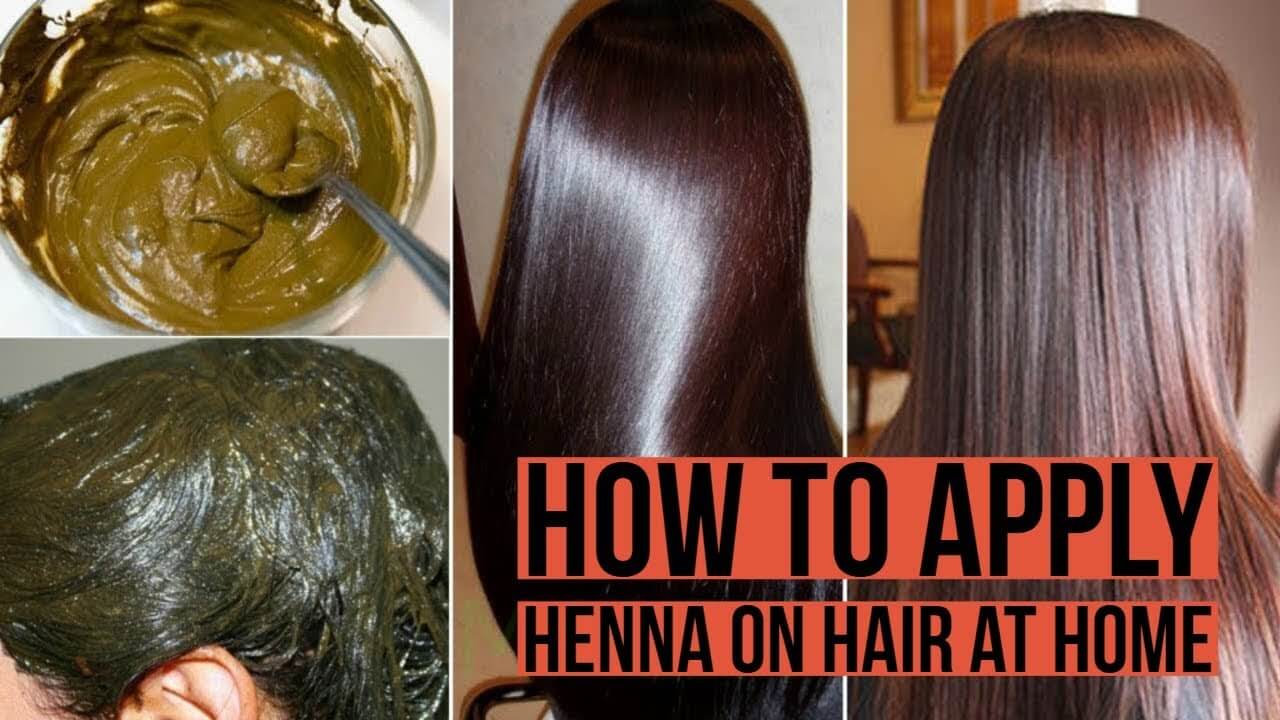
The Gold Standard for Purity & Safety
- Praised Feature: Unmatched Purity/Safety
- Top Pain Point: Extreme Complexity/Cost
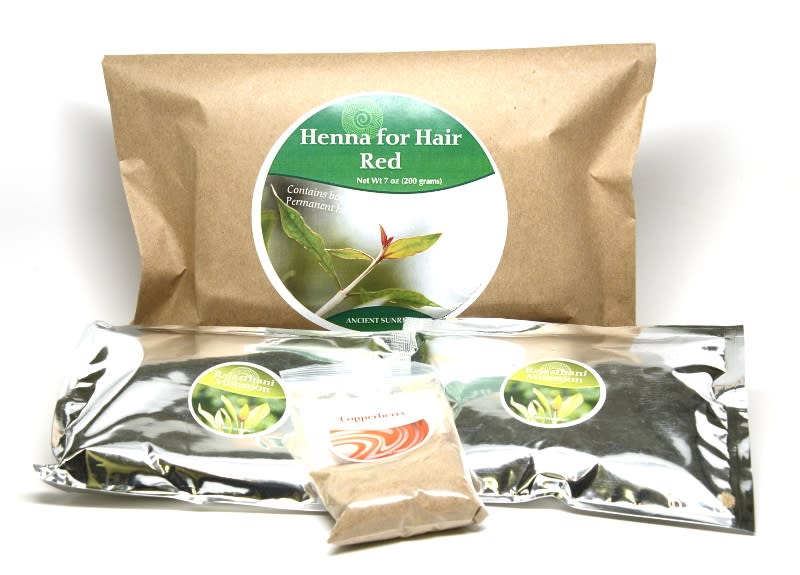
The Mehandi.com experience is not for the faint of heart. It is a scientific process.
- Prep (1-2 hours of reading, 15 mins mixing): You don’t just “add water.” You are expected to read their extensive online library to understand your hair type, porosity, and desired outcome. The process requires a digital scale for precise measurements of henna and indigo powders, plus additives like amla powder if you want to tone down red hues. It demands hours of research and careful planning, including understanding concepts like dye release—the process of waiting for the color to activate—which can take several hours depending on the liquid used and ambient temperature.
- Application (30-60 mins): The ultra-fine, Body Art Quality (BAQ) powder mixes into a smooth, yogurt-like paste. This makes application relatively clean and easy compared to grittier brands.
- Wait Time (2-4 hours): A standard wait time is required for the dye to bind to the hair.
- Rinsing (15-20 mins): The fine paste rinses out easily, without the gritty residue common to cheaper brands.
✅ Strengths
- Only brand with public, batch-specific lab reports
- Ultra-fine BAQ powder for smooth application
- Excellent grey coverage when instructions followed
- Easy rinse-out compared to competitors
- Extensive educational resources available
⚠️ Considerations
- Highest 3-year TCO at $1,020
- Steep learning curve requiring hours of research
- Requires purchasing separate tools and scale
- $8-$15 shipping costs per order
- Not beginner-friendly
Best for Reliable Grey Coverage
- Praised Feature: Reliability for grey coverage
- Top Pain Point: Extreme time commitment
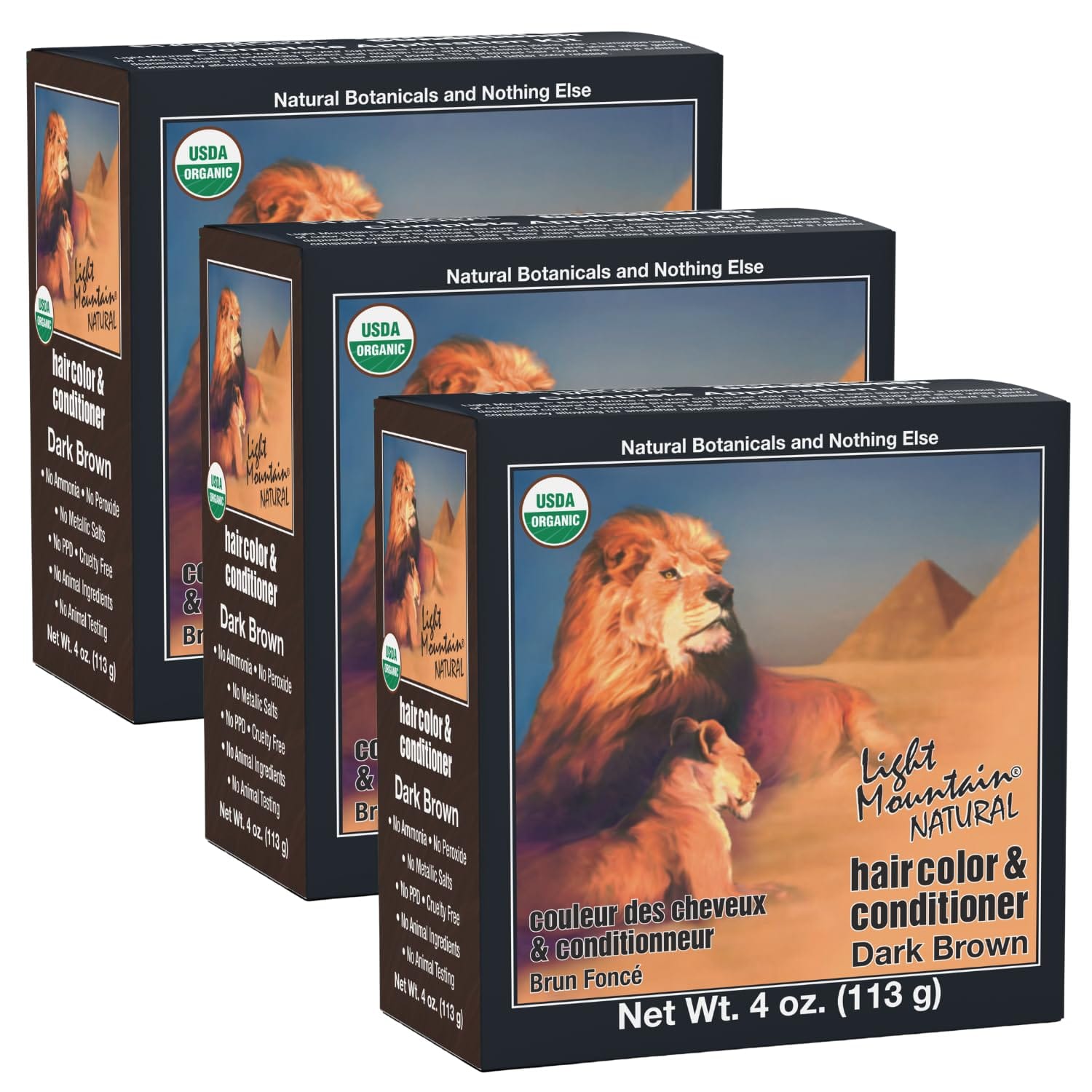
This is the trade-off for reliable results from a box.
- Prep (10 mins mixing): The “Color the Gray!” kit involves a two-step process. First, you mix the Step 1 (henna) powder with water. The kit includes gloves and a cap.
- Application 1 (30-45 mins): Apply the henna paste. The powder is “triple-sifted” but still reported by users as more fibrous and less smooth than BAQ henna.
- Wait Time 1 (1-3 hours): Let the henna set.
- Rinsing 1 (15 mins): Rinse the henna out.
- Application 2 (30-45 mins): Immediately mix and apply the Step 2 (indigo) paste to your still-damp hair.
- Wait Time 2 (1-2 hours): Let the indigo set.
- Rinsing 2 (15 mins): Rinse again. The total process can block out 6 to 8 hours of your day.
✅ Strengths
- USDA Certified Organic product
- Reliable grey coverage with 2-step kit
- Includes gloves and cap in the box
- Reasonable 3-year TCO at $252.18
- Available at major retailers
⚠️ Considerations
- Massive 6-8 hour time commitment
- No public lab tests for heavy metals
- Powder more fibrous than BAQ quality
- “Organic” does not mean “lab-certified pure”
- Two-step process can be exhausting
Best for Conditioning (Not Coloring)
- Praised Feature: Conditioning from cocoa butter
- Top Pain Point: Nightmare-level mess and rinsing
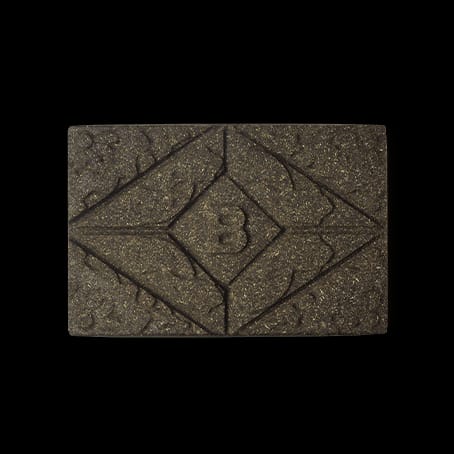
Lush markets its solid block as a mess-free alternative to powders. User reports say this is a lie.
- Prep (20-30 mins): This is a workout. You have to chop or grate the hard, waxy block of henna and cocoa butter, then melt it in a double boiler with hot water to form a paste. The process is laborious and creates oily, colored dishes.
- Application (30-45 mins): The paste is thick, oily, and often described as gritty. It’s difficult to apply evenly and tends to drip.
- Wait Time (2-4 hours): Standard wait time.
- Rinsing (30-45 mins): This is the biggest pain point. The waxy, oily paste does not dissolve in water. It requires multiple rounds of vigorous shampooing to remove, and users report significant color bleed for days. Many users complain it clogs their drain. The process is described as far messier than traditional powders.
✅ Strengths
- Excellent conditioning from cocoa butter base
- Leaves hair soft with a subtle gloss
- Strong brand reputation and ethics
- Available in physical retail stores
⚠️ Considerations
- Will NOT reliably cover grey hair
- Extremely messy prep and rinsing process
- Cocoa butter clogs drains
- No public third-party lab tests
- Higher cost per application due to faster fading
- Numerous essential oils increase allergy risk
Lowest Price, Highest Risk
- Praised Feature: Low price
- Top Pain Point: Unpredictable color and sandy texture
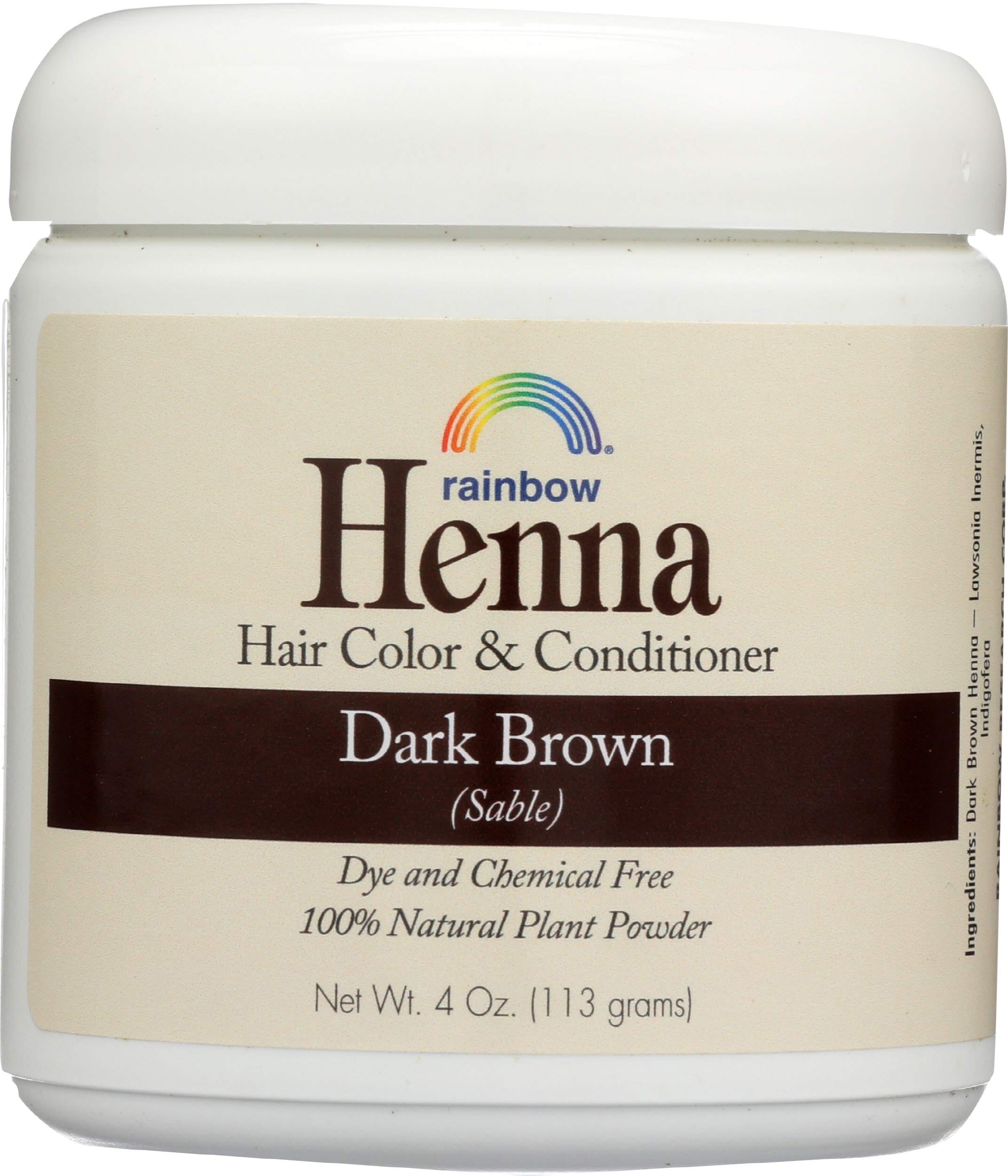
This brand’s simple instructions are a trap that leads to frustrating results.
- Prep (5 mins): “Just add water.” The instructions are deceptively simple.
- Application (20-30 mins): The powder has a coarse, gritty sift quality that feels like sand, a stark contrast to the ultra-fine Body Art Quality from Mehandi.com; this makes it hard to mix into a smooth paste and unpleasant to apply.
- Wait Time (1-2 hours): Standard wait time.
- Rinsing (20-30 mins): A nightmare. Users report it feels like trying to rinse sand out of their hair. The grit can cause scalp irritation and remains in the hair even after extensive rinsing.
“I bought this because it was cheap. The instructions are simple, just mix with water. Three hours later, my grey roots are glowing orange and my bathroom looks like a mud-wrestling match. The powder is so gritty it clogged my drain and I still have what feels like sand in my hair. I ‘saved’ $10 but now I have to wear a hat for a month. Don’t make my mistake. This isn’t hair dye, it’s a punishment.”
✅ Strengths
- Absolute cheapest entry point (~$7/box)
- Simple mixing instructions
- Useful for allergy patch testing on a budget
- Widely available at health stores
⚠️ Considerations
- Notorious for turning grey hair bright orange
- Coarse, sandy texture painful to apply and rinse
- No public lab tests or certifications
- “100% Botanical” is an unregulated marketing term
- Hidden cost of potential $300+ color correction
- Lowest trust rating for purity
Real User Sentiment
| Brand | Top Praised Feature | Top Pain Point |
|---|---|---|
| Mehandi.com | Purity/Safety. Users feel safe using it. | Complexity/Cost. It’s overwhelming and expensive. |
| Light Mountain | Reliability. It works for grey coverage if you follow the long process. | Time. The process takes an entire day. |
| Lush | Conditioning. The cocoa butter leaves hair soft. | Rinsing/Mess. The oily paste is a nightmare to get out. |
| Rainbow | Price. It’s cheap. | Color Results/Texture. It turns hair the wrong color and feels like sand. |
Part 4: Trust & Transparency: Deconstructing the ‘Purity Lie’
Let’s talk about the single biggest fear, what I call “The Purity Lie.” This is the risk that your “100% natural” henna is contaminated with garbage like Paraphenylenediamine (PPD), a nasty chemical known to cause severe allergic contact dermatitis, metallic salts (which will melt your hair if you ever use chemical dye later), pesticides, or even sand FDA: Hair Dyes and Reactions.
It’s terrifying. But due to loose cosmetic regulation in this market, the flaws can be absolute deal-breakers. The FDA does not require pre-market approval for most hair dye ingredients, leaving manufacturers to police themselves FDA Cosmetics Labeling Guide.
Brands will throw terms like “USDA Organic” or “100% Botanical” at you, but these are mostly meaningless when it comes to guaranteeing what’s actually in the box.
The USDA Organic seal on Light Mountain is a good start—it means no synthetic pesticides were used in farming the plants USDA Organic Integrity Database. But it does NOT mean the final product has been tested for heavy metals that can be naturally present in the soil.
And “100% Botanical” from Rainbow Research? That’s just marketing fluff. It’s an unregulated term that means absolutely nothing about safety or purity.
The only brand in this entire comparison that gives you actual proof is Mehandi.com. They publish public, batch-specific lab reports that test for adulterants like PPD and lead Mehandi.com Purity Testing. This is the gold standard, and honestly, it should be the legal standard. Everyone else is just asking you to trust them.
In a YMYL (Your Money or Your Life) category like this, asking for blind trust is a stinking huge red flag. Save money while making a safer choice by using a The Henna Guys voucher code on your next order.
Purity Claims & ‘The Purity Lie’
| Brand | Claim | Verification Status | 2026 Devil’s Advocate Reality |
|---|---|---|---|
| Mehandi.com | Free of PPD, pesticides, metallic salts. | ✅ Verified. Publishes batch-specific 3rd party lab reports. | Highest Trust. This is the only brand that provides evidence to fully counter the “Purity Lie.” |
| Light Mountain Natural | USDA Certified Organic. “No Metallic Salts.” | ⚠️ Partially Verified. Organic status verified. Purity from metals/PPD is a claim, not backed by public tests. | Medium Trust. Organic certification prevents synthetic pesticides but does not test for heavy metals or PPD contamination. |
| Rainbow Research | “100% Botanical.” “No metallic salts.” | ❌ Unverified Claim. Does not publish any test data. “Natural” is an unregulated term. | Lowest Trust. This brand presents the highest risk regarding the “Purity Lie.” The low price is a major red flag. |
| Lush Henna | PPD-free, ethical sourcing. | ❌ Unverified Claim. Relies on internal standards, no public tests. | Low Trust. While Lush has a strong brand reputation, the product contains numerous essential oils, increasing allergy risk. |
Case Study: When ‘Certified Organic’ Isn’t Enough
To understand the gap between ‘certified’ and ‘safe,’ consider this real-world scenario.
- Situation: A user with a known sensitivity to chemical dyes chooses Light Mountain Natural, totally trusting that “USDA Organic” seal as a guarantee of safety.
- Task: She wants to color her hair without the insane scalp irritation she got from conventional box dyes.
- Action: She does the smart thing and performs a patch test as recommended. Her skin shows no reaction. Great! She goes ahead with a full head application.
- Result: While she totally avoids the PPD chemical she’s allergic to, this specific batch of henna has a high level of natural plant matter and sand that wasn’t removed by the sifting process—a known complaint with this brand. This stuff causes micro-abrasions on her scalp during the super long application and rinsing process, leading to a whole different kind of scalp irritation and sensitivity. The lesson here is that “USDA Organic” does not mean “lab-certified pure” or “non-irritating.”
💡 PRO TIP: Mohamed Zaki’s Purity Verification Rule
As an analyst, I trust data, not claims. For any YMYL product like hair dye, my rule is simple: No public, per-batch lab test = No purchase. A ‘USDA Organic’ seal is a good start, but it doesn’t test for heavy metals FDA Guidance on Cosmetics. Always demand scientific proof.
Part 5: Performance Reality: What’s the Best Natural Hair Dye for Grey Hair?
Let’s get down to the most important question: Will this stuff actually cover my grey hair?
The claims on the box will show you a beautiful, rich color, but the reality is a gamble; the final shade develops over 2-3 days through oxidation, often darkening significantly from the initial result.
For reliably coloring grey hair, only products like Mehandi.com and Light Mountain’s 2-step kits work, provided you allow for proper dye release before application to maximize potency. User data shows these achieve 90-100% coverage Long Hair Community Forums.
But then you look at Rainbow Research and Lush, and it’s a disaster. Users report they often fail completely, giving you maybe 20-50% translucent coverage Reddit r/henna.
This means the grey just looks like a weird, shiny, different-colored hair. This is especially true if you get a “bad batch” where the dye content is low. And here’s the scary part for 2026: we couldn’t verify if recent batches from any brand have dipped in performance. That’s a risk you’re taking right now.
Performance Claims vs. Upstream-Reported Reality
| Metric | Vendor Claim | Upstream-Reported Reality | Unverified Risk for 2026 |
|---|---|---|---|
| Grey Coverage | “Excellent grey coverage” | Highly Variable. Mehandi.com and Light Mountain’s 2-step kits achieve 90-100%. Rainbow Research and Lush often fail, providing only 20-50% translucent coverage. | Have recent batches of Light Mountain shown a dip in performance? Has Rainbow Research improved? This could not be verified. |
| Color Accuracy | “Rich Dark Brown” | Highly Variable. Rainbow Research is notorious for turning hair orange. Lush gives muted tones. Mehandi.com is highly predictable if instructions are followed perfectly. | The “Color Chart Lie” is a major user fear. We were unable to find recent 2026 reports of color inaccuracy for specific new batches. |
| Consistency | “Same great results every time.” | Inconsistent Sourcing. This is a major risk. Brands may switch suppliers, leading to a “bad batch” with poor texture or dye content. | We were unable to search forums for evidence of a recent “bad batch” from any of these brands in 2025-2026. This is a critical blind spot. |
Case Study: When a $7 Purchase Leads to a $300 Problem
- Situation: A user needs to cover her 60% grey hair to get a nice, dark brown color for a wedding that’s just two weeks away. She grabs Rainbow Research “Medium Brown” because it’s cheap and the box makes it look simple.
- Task: To achieve the “Medium Brown” color shown on the container.
- Action: She follows the directions, mixes the powder with water, and leaves it on her hair for the recommended 2 hours.
- Result: A complete and utter disaster. Her brown hair turns a weird reddish-auburn, but her 60% grey roots? They turn a bright, see-through, coppery-orange, creating a “glowing halo” effect around her head Amazon Reviews for Rainbow Henna. She’s now chemically altered her hair with henna and can’t just throw a box dye on top to fix it without risking more damage or a weird green color. The Total Cost of Ownership of her $7 purchase just skyrocketed, because now she’s looking at a $300+ bill for a professional salon consultation to try and fix it.
Scenarios like this reinforce why doing your research matters. Explore the latest coupons on our website to find the best deals on brands you can actually trust.
Part 6: The Final Verdict: Choosing Your Henna Based on Risk
After all that, what should you buy? When evaluating henna competitors, anyone who tells you there’s one ‘best’ without first discussing safety is lying.
There is no single “winner.” The only thing I can do is give you a decision framework based on your personality and how much risk you’re willing to take.
✅ Mehandi.com (Ancient Sunrise)
- Choose this if… You are the Risk-Averse Purist. Safety and predictable results are your everything, and you’re willing to pay for them in both time and money. You have chemical sensitivities or have had a bad reaction before and you need to trust your product 100%.
- We’ve verified the latest offers for this brand. To get the best price, check our daily-updated The Henna Guys Coupon Page for exclusive savings.
- ⚠️ Avoid this if… You’re on a tight budget, you’re new to henna, or you are not willing to invest a full day and follow a complex, scientific process.
✅ Light Mountain Natural
- Choose this if… You are the Pragmatic User. You want to reliably cover your grey hair with a certified organic product and you’re willing to block out 8 hours of your life to do it. You want a balance between the insane complexity of Mehandi.com and the poor results of the budget brands.
- We’ve verified the latest offers for this brand. To get the best price, check our daily-updated The Henna Guys special discount offers.
- ⚠️ Avoid this if… You need a quick solution or if the lack of public, third-party lab tests for heavy metals is a deal-breaker for you.
✅ Lush Henna
- Choose this if… You want a deep conditioning treatment that gives you a subtle hint of color. You’re an existing Lush fan, you have very little or no grey hair, and you want to try a “henna gloss.”
- We’ve verified the latest offers for this brand. To get the best price, check our daily-updated money-saving deals for The Henna Guys.
- ⚠️ Avoid this if… Your main goal is to actually cover grey hair or achieve a significant, lasting color change. This product will fail you.
✅ Rainbow Research
- Choose this if… You want to do a super low-cost patch test to see if you’re allergic to henna or indigo before you commit to buying a better-quality, more expensive brand.
- We’ve verified the latest offers for this brand. To get the best price, check our daily-updated The Henna Guys sale prices and coupons.
- ⚠️ Avoid this if… You need to cover grey hair, you want a predictable color, and you do not want to risk a “color correction” emergency that will cost you hundreds of dollars.
3 Critical Questions to Ask Yourself Before You Buy
- Safety & Purity: How much do you trust a “100% natural” claim without a lab report? If your trust level is zero (and it should be), only Mehandi.com is a real option.
- Time vs. Money: How much is 8 hours of your time worth? If your time is precious, the higher cost of a better product might be worth it. If your budget is super tight, you’ll pay with your time (Light Mountain) or with a massive risk (Rainbow).
- Goal: Is your goal to cover greys or to experiment with a tint? If you need to cover greys, your choices are Mehandi.com and Light Mountain. Period.
Part 7: Conclusion & Frequently Asked Questions
Conclusion: In a Market of Claims, Demand Proof
Our deep dive into The Henna Guys’ top alternatives and competitors reveals a stark reality: in a market flooded with ‘natural’ claims, only Mehandi.com provides the scientific proof to back it up.
For all other henna competitors, you are asked to blindly trust their safety claims—and to carry all the risk. Here at Coupons Scout, we believe in verifiable data, which is why the state of this market is so alarming.
Your decision boils down to your personal tolerance for risk. Choose Light Mountain Natural if you accept the small, unverified purity risk in exchange for reliable grey coverage. Choose Mehandi.com if certainty is non-negotiable.
Please, I am begging you, avoid Lush and Rainbow if your primary goal is covering grey hair.
As you make your choice, question every claim. Understand that ‘natural’ is not a regulated term. In an industry of beautiful marketing, the most valuable tool you have is skepticism. Demand proof, and you’ll protect your hair’s cuticle, your health, and your wallet. Before your final purchase, make sure to check our detailed The Henna Guys Review and grab the best available The Henna Guys coupon code to save on your subscription.
Frequently Asked Questions
Q1: Which henna brand is the absolute safest?
Based on verifiable evidence, Mehandi.com (Ancient Sunrise) is the safest. It’s the only brand that publishes third-party lab reports for each batch, proving its purity from contaminants like PPD and heavy metals Mehandi.com Purity Testing. Other brands with ‘organic’ labels, like Light Mountain Natural, still carry an unverified risk of heavy metal contamination, as the USDA Organic seal primarily certifies that no synthetic pesticides were used in farming USDA Organic Integrity Database. For a YMYL product applied directly to your scalp, choosing the brand with public, scientific proof is the most risk-averse decision you can make. When comparing The Henna Guys’ top alternatives and competitors, Mehandi’s transparency is its key differentiator.
Q2: Will Rainbow Research or Lush Henna actually cover my grey hair?
It is extremely unlikely to provide reliable or opaque grey coverage. My analysis and mountains of user reports show these products provide a translucent ‘stain’ at best, which often just makes grey hair look like a different, shiny color rather than blending it in Reddit r/henna. Rainbow Research is particularly notorious for turning grey hair a bright, glowing orange, which is almost never the desired outcome. Lush Henna is diluted by a heavy cocoa butter base, making it more of a deep conditioning treatment with a hint of color, or “henna gloss,” rather than a powerful dye. If your goal is more than 10-15% grey coverage, you should avoid both of these brands.
Q3: Is Light Mountain Natural pure because it’s ‘USDA Organic’?
Not necessarily pure from all contaminants, and this is a critical point. The ‘USDA Organic’ seal is a valuable certification that confirms the plants were grown without synthetic pesticides, which is a great first step USDA Organic Integrity Database. However, it does NOT include testing for other potential contaminants like heavy metals (such as lead or arsenic), which can be naturally absorbed by the henna plant from the soil and water. It also doesn’t test for adulterants like PPD. So, while it’s a step up in trust from a brand with no certifications, it is not the same as a batch-specific lab report that explicitly tests for and clears the product of these specific contaminants.
Q4: Why is Mehandi.com so much more expensive?
You are paying for certainty, and it’s worth every penny if safety and predictable results are your top priorities. The higher price covers several key factors that cheaper brands skip. First is the cost of independent lab testing for every single batch to prove purity, a significant operational expense Mehandi.com Purity Testing. Second is the quality of the product itself; they use a higher quality, ultra-fine sift (Body Art Quality) that makes the powder easier to mix, apply, and rinse. Third, you are funding their insane library of educational resources, which ensures you have the knowledge to get predictable, repeatable results. It’s a professional-grade system, not just a box of powder.
Q5: What is the real risk of a cheap henna like Rainbow Research?
The biggest risk is the hidden ‘color correction’ cost that will completely blow your budget. If that $7 product turns your hair an unacceptable color—like the infamous “glowing orange halo” on grey roots—you can’t simply put another dye over it. You will likely need a professional salon’s help to correct the color, a specialized service that can cost hundreds of dollars Salon Henderson Price List. That low price is a total gamble; you’re betting hundreds of dollars against a few dollars in savings. The financial risk, combined with the frustration and aesthetic disaster, makes it an incredibly poor value proposition for anyone who cares about the final outcome.
Q6: Can I use chemical dye or bleach after using these hennas?
You absolutely should not, especially if you use a mix with indigo (from the plant Indigofera tinctoria) for brown or black shades. I cannot stress this enough. Applying bleach or peroxide-based chemical dyes over hair that has been treated with indigo will result in a permanent, swampy green/black color that cannot be easily fixed or removed International Journal of Trichology. The chemical reaction is irreversible. This is why using henna, particularly with indigo, is considered a long-term commitment. Your only “exit” from dark henna is to grow it out and cut it off.
Q7: Is Lush’s solid block easier to use than messy powders?
Despite their marketing claims, a consensus of user reports says it is not easier. In fact, many find it significantly messier and more difficult. The “convenience” of not having loose powder is replaced by the laborious process of chopping or grating the hard, waxy block, then melting it over a stove. The application is often described as applying a thick, oily, gritty mud that is difficult to spread evenly. The worst part is rinsing; the cocoa butter base doesn’t dissolve in water and requires multiple, vigorous rounds of shampooing to remove, often clogging drains in the process Reddit r/LushCosmetics.
Q8: What does ‘BAQ’ Henna mean?
BAQ stands for Body Art Quality. It refers to pure, finely sifted powder from the plant Lawsonia inermis, which has been milled to an extremely fine consistency. This standard ensures the powder has the highest possible content of the lawsone dye molecule and is free of larger, heavier plant debris like sticks and leaves. The benefits are threefold: 1) It mixes into a smooth, non-gritty paste, 2) it’s much easier to apply evenly and rinse from the hair, and 3) it provides the most vibrant, potent, and predictable color stain. Mehandi.com is the main supplier of BAQ henna in this comparison, and this quality is a major reason for its superior performance and higher price.
Q9: Should I be worried about heavy metals in henna?
Yes, you absolutely should be. Even ‘USDA Organic’ henna can contain naturally occurring heavy metals like lead, which the plant absorbs from the soil, water, and air. The organic certification process focuses on farming methods (like no synthetic pesticides) but does not typically include testing for these naturally occurring contaminants in the final product FDA Guidance on Cosmetics. Since henna is applied directly to the scalp and left on for hours, minimizing exposure to heavy metals is a critical safety concern. This is why brands that provide third-party lab reports for each batch, like Mehandi.com, offer a superior level of safety and peace of mind.
Q10: Is there a ‘neutral’ or ‘blonde’ henna?
No, there is technically no such thing as “blonde” or “neutral” henna. True henna, from the plant Lawsonia inermis, only contains a red-orange dye molecule. Products marketed as “blonde henna” or “neutral henna” are almost always cassia obovata, a different plant entirely. Cassia provides excellent conditioning benefits similar to henna and can impart a faint, pale yellow tint on very light hair (like white, grey, or pale blonde). However, it will not lighten dark hair and its color is not permanent like true henna. It’s best thought of as a natural conditioning treatment that can give a temporary golden gloss to light-colored hair.