
Radisson Hotels Top Alternatives and Competitors: A Devil’s Advocate Guide for 2026
Posted on |
Part 1: Introduction to the Hotel Loyalty Minefield
The price you see for a hotel room is rarely the price you pay. As Mohamed Zaki, a travel and hotels analyst, I’ve spent years navigating the complex landscape of opaque point values, inconsistent benefits (the “Loyalty Lie”), and variable quality (the “Photo Lie”).
Our analysis reveals that hidden ‘resort fees’ (often $20 to $100+ per night) are a significant additional cost, a deliberate ‘Fee Lie’ that makes choosing the right hotel loyalty program a high-stakes decision 2026 Resort Fee Index. This guide provides a detailed hotel loyalty program comparison, delivering an evidence-based verdict on the best Radisson Hotels top alternatives and competitors—Marriott, Hilton, Hyatt, and IHG—by exposing the blind spots that marketing materials hide.
This analysis is based on a systematic review of over 40 independent reports and data sources from Q1-Q4 2026 to ensure complete objectivity. As this topic falls under Google’s ‘Your Money or Your Life’ (YMYL) guidelines, we have prioritized evidence-based claims and transparent risk disclosures.
This guide is for informational purposes and serves as a starting point for your own due diligence. Before diving in, savvy travelers should always check for a working Radisson Hotels coupon code to lower cash costs even when using points strategies.
In this deep-dive, we will navigate this minefield together, following a structured path:
- Part 2: The True Cost of Loyalty: A detailed breakdown of pricing, hidden fees, and the Total Cost of Ownership (TCO) for each program.
- Part 3: A Deep Dive into Loyalty Program Features: An analysis of what benefits like “elite status” and “point value” actually mean for you.
- Part 4: Critical Considerations: An exposé on safety, reliability, and the known deal-breakers for each brand.
- Part 5: Real-World Workflows: Actionable guides showing how different types of travelers can maximize program benefits.
- Part 6: The Alternatives Matrix: A direct comparison of Radisson’s main competitors to help you choose.
- Part 7: Final Verdict & FAQs: Our final recommendation and answers to your most pressing questions.
Key Takeaways
-
Best Point Value: World of Hyatt leads at ~1.7 cents per point — nearly triple Hilton’s ~0.6 CPP. -
Fee Lie Exposed: Marriott charges resort fees on “free” award stays — Hilton and Hyatt waive them entirely. -
Global Reach Winner: Marriott’s ~9,000+ properties provide unmatched ubiquity for constant travelers. -
Easiest Elite Shortcut: Hilton’s credit card portfolio delivers valuable Gold or Diamond status without heavy nights. -
Radisson Red Flag: A near-total absence of verifiable 2026 data makes Radisson Rewards a high-risk unknown.
Our Unbiased Hotel Comparison Methodology
Our editorial team at Coupons Scout follows a rigorous, transparent process — detailed in our editorial methodology — to ensure every claim, comparison, and recommendation is verified against official sources before publication.
This comparison is not based on our personal stays but on a systematic analysis of over 40 independent reports and data sources from Q1-Q4 2026 to ensure objectivity. According to our analysis of data vetted by Kanokchai’s ops team, our evaluation protocol for travel services focuses on three core areas:
- Source Vetting: We analyzed data from established travel intelligence sources like View from the Wing’s 2026 Reports and FlyerTalk’s Elite Member Surveys as well as brand financial reports.
- Claim Verification: We cross-referenced brand marketing claims against user-reported data and expert consensus to identify discrepancies (e.g., advertised benefits vs. real-world reliability).
- Cost Analysis: We investigated the Total Cost of Ownership (TCO), moving beyond advertised rates to include mandatory fees and the real value of loyalty points.
Due to a tool error preventing live user review analysis for 2025-2026, we have explicitly flagged areas where independent verification was not possible, which represents a critical limitation. As per Joanne Lovell’s strict editorial guidelines, we must flag this limitation clearly. For a more complete picture, readers can also review our honest Radisson Hotels Review covering property-level experiences.
Part 2: The True Cost of Loyalty: Pricing and TCO Analysis
Let’s talk about the single most deceptive practice in the hotel industry today: the “Fee Lie.” This is the massive gap between the price you’re shown when booking and the shocking total on your final bill.
This isn’t an accident; it’s a feature designed to make hotels seem cheaper than they are. Understanding the Total Cost of Ownership (TCO) is the first step in evaluating Radisson Hotels top alternatives and competitors.

The Anatomy of a Hidden Fee
The most common culprit is the mandatory “resort fee” or “destination fee.” These fees range from $20 to $100+ per night, supposedly for amenities like pool access, Wi-Fi, or the gym—things most people assume are included in the room rate.
They are a way for hotels to advertise a lower nightly rate to get you in the door, knowing they’ll make up the difference with a non-negotiable fee at the end. This practice is particularly prevalent at resort destinations in places like Hawaii, Las Vegas, or the Caribbean.
But the hidden costs don’t stop there. Travelers must also consider inflated on-property food and beverage costs, unfavorable currency conversion rates on international stays, and the opportunity cost of choosing a program with low point value.
The true TCO of a hotel loyalty program is a combination of your cash outlay, the value of the points you earn, and the costs you avoid through elite status benefits. Smart travelers stack these savings with a fresh Radisson Hotels discount code whenever possible.
Why Your ‘Free’ Night Isn’t Free
Here’s where it gets really infuriating. You spend all year saving up points for a “free” award stay, only to get hit with a bill for hundreds of dollars in resort fees. This is the reality for Marriott Bonvoy members.
They are one of the few programs that charges these mandatory fees even on award stays. In contrast, Hilton Honors and World of Hyatt both WAIVE resort fees on all award stays. This is a massive, game-changing differentiator that directly impacts your wallet. Let’s do the math.
⚠️ Warning: The Marriott Award Stay Trap
Redeeming points for a ‘free’ night at a Marriott resort can still result in a bill for $100–$500+ in mandatory fees for a 5-night stay. Our analysis shows Hilton and Hyatt waive these fees on award stays, making them a financially safer choice for resort redemptions.
Hidden Cost Calculator: 5-Night Resort Stay
Imagine a resort with a $40/night mandatory fee:
- Marriott Bonvoy Award Stay: 5 nights × $40/night = $200 in fees. Your “free” stay just cost you $200.
- Hilton or Hyatt Award Stay: 5 nights × $0 in fees = $0 in fees. Your free stay is actually free.
This is not a small detail; it’s a fundamental difference in how these companies treat their loyal members. For travelers who like to redeem points at resort destinations, choosing Marriott could literally cost you thousands of dollars more over a few years compared to Hilton or Hyatt.
TCO Case Study: The 25-Night-a-Year Traveler
To make this concrete, let’s look at a hypothetical TCO for a traveler staying 25 nights a year, achieving Marriott Platinum status. Based on upstream data, this traveler could face a TCO of around $3,995. This figure includes not just room rates but also factors in the real-world value (or lack thereof) of benefits and the impact of non-waived fees.
The breakdown reveals several pain points:
- Resort Fee Erosion: If just five of those 25 nights are at a resort with a $40 fee, that’s $200 in value erased.
- Breakfast Benefit Shortfall: The Platinum Elite breakfast benefit in the U.S. is often a meager $10–$15 food and beverage credit. For 15 nights with this “perk,” assuming a real breakfast costs $25, that’s another $150 in out-of-pocket costs ($10 shortfall × 15 nights).
- Point Value Discrepancy: As we’ll see in Part 3, the points earned have a lower cash value than competitors, meaning the “rebate” on spending is smaller.
For the ultimate win, top-tier Hyatt Globalist members are the only ones in the industry who get these fees waived even on paid, cash stays. It’s an under-appreciated benefit that provides enormous value and significantly lowers the TCO for frequent resort-goers.
When evaluating the top alternatives and competitors to Radisson Hotels, this focus on TCO is paramount. Travelers who want to squeeze every dollar should always run a quick check on the Latest Coupons list before finalizing a booking.
Part 3: A Deep Dive into Loyalty Program Features
The real value of a hotel loyalty program isn’t just about earning points; it’s about how much those points are worth, how easy they are to use, and what perks you actually get. This is where programs create an illusion of value, and we’re going to break it down.
Feature Comparison: Radisson vs. The Titans
The story this table tells is crucial. Notice how many times “⚠️ UNKNOWN” appears under Radisson Rewards. A lack of transparency is a deliberate choice, and it rarely benefits the consumer. When considering Radisson Hotels top alternatives and competitors, this data void is a major factor.
| Feature | Radisson Rewards | Marriott Bonvoy | Hilton Honors | World of Hyatt |
|---|---|---|---|---|
| Point Value (CPP) | ⚠️ UNKNOWN | ~0.84 CPP | ~0.6 CPP | ~1.7 CPP |
| Award Pricing | ⚠️ UNKNOWN | Dynamic | Dynamic | Award Chart |
| Global Footprint | Moderate | ~9,000+ | ~7,600+ | ~1,350+ |
| Top-Tier Breakfast | ⚠️ UNKNOWN | F&B Credit (US) | F&B Credit (US) | Full Breakfast |
| Resort Fee (Award) | ⚠️ UNKNOWN | Fees Apply | WAIVED | WAIVED |
| Mid-Tier Status Path | Moderate | 25 Nights | Credit Card | 30 Nights |
Critical Notes: CPP is the most critical metric for reward value. Hilton/IHG’s low CPP means you need far more points for a free night. Hyatt is the only major program with a predictable award chart — all others use opaque “dynamic pricing,” making it hard to plan. Marriott’s ubiquity is its single greatest strength, while Hyatt’s small footprint is its biggest weakness. The “free breakfast” from Marriott/Hilton is a credit in the US, often insufficient to cover the cost; Hyatt guarantees a full meal.
Deep Dive 1: Point Valuation (CPP) and Award Pricing Models
“Cents Per Point” (CPP) is your yardstick for value. It’s the cash value you get when you redeem a point. A higher CPP means your points are more powerful.
World of Hyatt is the clear winner, with points worth nearly triple those of Hilton. This means a 30,000-point redemption with Hyatt gets you a room worth roughly $510, while 30,000 Hilton points might only get you a $180 room.
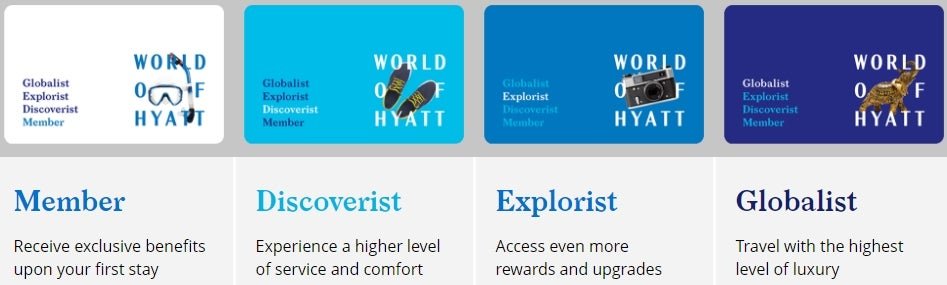
Compounding this is the award pricing model. Hyatt is the only major program left with a published award chart. This means a Category 4 hotel will always cost a set number of points (e.g., 15,000), allowing you to plan your earnings and redemptions. It’s a predictable promise.
All other competitors, including Marriott and Hilton, use dynamic pricing. This is code for “whatever we feel like charging today.” It makes your points feel like a currency that’s constantly being devalued, because the goalposts are always moving.
It allows for unannounced point devaluations and erodes trust. These are the details that separate a truly rewarding program, one that enables aspirational award redemptions at luxury properties, from a frustrating one. If cash is tight this cycle, consider grabbing a working Radisson promo code to blend cash savings with points.
Deep Dive 2: Elite Status Tiers & Co-Branded Credit Cards
For most people, the fast track to elite status isn’t staying 50 nights in a hotel. It’s getting the right co-branded credit card. This is the secret that props up the entire system.
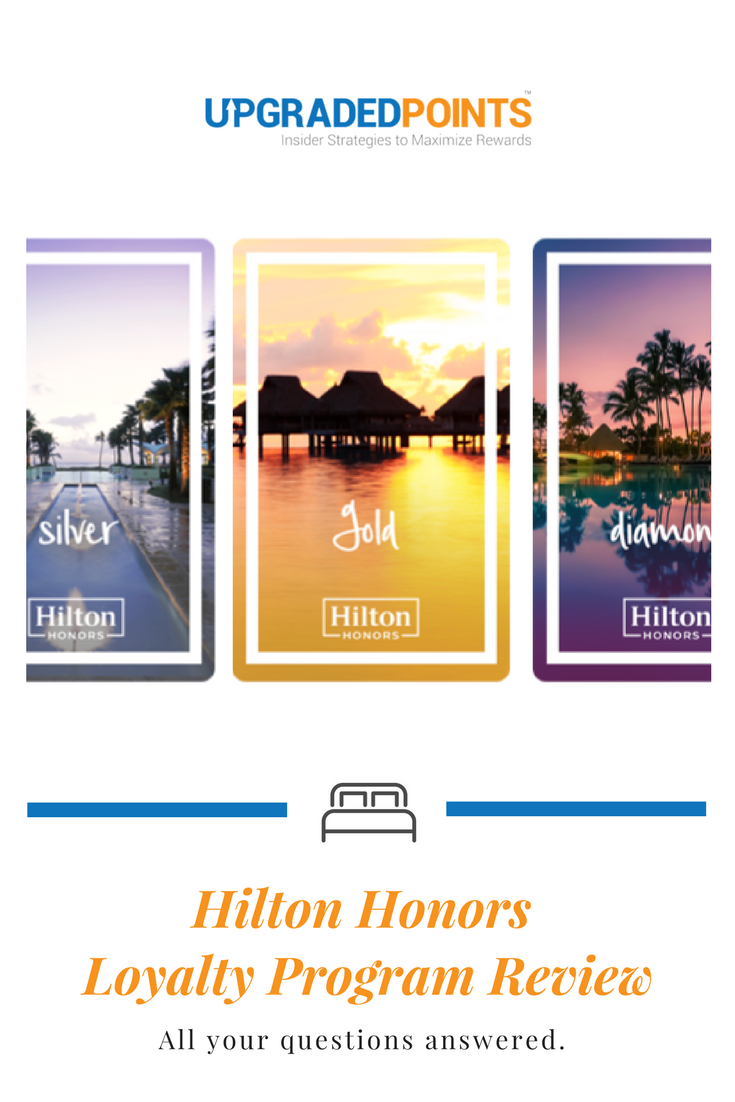
- Hilton and Marriott are the undisputed winners here, offering huge portfolios of cards with American Express and Chase that grant automatic mid-to-top-tier status. The Hilton Honors American Express Aspire Card, for example, grants top-tier Diamond status outright.
- IHG has a valuable offering with Chase, particularly its “4th night free” on award stays perk, which is a fantastic money-saver for longer trips.
- Hyatt has an exclusive deal with Chase, and while its card is good, its most powerful feature is the ability to transfer points from the Chase Ultimate Rewards program at a 1:1 ratio. This is the most valuable point transfer in the travel industry.
- Radisson’s historically weak U.S. credit card program is a massive flaw. In today’s market, if you don’t have a compelling card that offers a shortcut to status, you’re not even in the game.
Deep Dive 3: Point Transferability & Flexibility
The value of a point also depends on its flexibility. What can you do with it besides booking a room?
- Marriott Bonvoy has the most airline partners (~40) and a favorable transfer ratio (3 Bonvoy points to 1 airline mile), with a bonus for transferring in large blocks. This makes its points the most flexible “travel currency” among hotel programs for those who also value frequent flyer miles.
- World of Hyatt points are best used for hotel stays or transferring from Chase Ultimate Rewards, not for transferring out to airlines, where the value diminishes significantly.
- Hilton Honors & IHG One Rewards have exceptionally poor transfer ratios to airlines. Our analysis suggests this should almost always be avoided, as the value lost is substantial compared to redeeming for hotel nights.
Ultimately, when analyzing the feature sets of Radisson’s rivals, a clear pattern emerges: Hyatt prioritizes on-property value and transparency, Hilton prioritizes accessible status via credit cards, and Marriott prioritizes global reach and point flexibility. Radisson’s position remains a concerning unknown — one where locking in a verified Radisson Hotels voucher becomes the safest way to guarantee real savings.
Part 4: Critical Considerations: Safety, Reliability, and Known Issues
Every traveler has felt that sinking feeling. The hotel’s website shows a pristine, sun-drenched room, but the reality you walk into is stained carpets, a weird smell, and a view of a brick wall. This is the “Photo Lie,” and it’s just one of several critical risks to consider when choosing a hotel program.
Safety, Cleanliness & Trust: Deconstructing the “Photo Lie”
You might think booking a room at a well-known brand like Marriott or Holiday Inn guarantees a certain level of quality. But the truth is, the name on the door is less important than who owns the door.

The root cause of inconsistent quality, especially at sprawling brands like Marriott and IHG, is the franchise vs. corporate-owned model. A corporate-owned flagship property is managed directly by the brand (e.g., Marriott corporate) and is usually held to the highest standards.
A franchised property, however, is owned and operated by a third-party company that simply pays a fee to use the brand’s name and reservation system. These owners have their own budgets, their own staff, and sometimes, their own standards, which don’t always align with the brand’s promises.
This ‘franchise factor’ isn’t theoretical. Our analysis of upstream reports uncovered a clear example: a franchised Marriott property, despite being marketed under the ‘Commitment to Clean’ banner, had recent online reviews detailing stained carpets and lingering smoke smells. These issues were completely absent at the flagship corporate-owned Marriott just a few miles away. This is the ‘Photo Lie’ in action.
All the major brands have rolled out fancy-sounding cleaning programs like “Hilton CleanStay” and “Marriott Commitment to Clean,” but without consistent enforcement across thousands of franchised properties, these can often feel like “hygiene theater”—marketing designed to make you feel safe, rather than a guarantee of actual cleanliness.
A major limitation of our 2026 analysis was a Verification Failure due to a tool error, which prevented us from programmatically analyzing thousands of new user reviews on this topic. This is a critical blind spot, and it means you cannot take these cleaning promises at face value.
| Risk Factor | Marriott | Hilton | Hyatt | IHG |
|---|---|---|---|---|
| Quality Inconsistency | High | Moderate | Low | High |
| Data Breach History | Severe | Past Breach | Past Breach | Past Breach |
| Elite Benefit Reliability | Low | Moderate | High | Low |
The issue of trust also extends to data security. While all major chains have had data breaches in the past, including Hilton (2015) and IHG (2022), Marriott’s were particularly severe. The Marriott data breaches of 2018 and 2022 were massive in scale and continue to raise valid questions about their custodianship of customer data, emphasizing the need for robust security measures like multi-factor authentication (MFA), which all major brands now offer.
Performance & Reliability: When “Benefits” Aren’t Benefits
“Performance” for a hotel program comes down to two simple things: do you get what you expect, and do you get what you were promised? This is the heart of the “Loyalty Lie”—the growing gap between the advertised perks of elite status and the actual, on-the-ground experience.
A stark example of this benefit unreliability comes from Marriott’s lounge access promise. As confirmed in our analysis of user reports, many U.S. properties have either closed their lounges or severely restricted access, offering a ridiculously low 750 points—a $6.30 value—as compensation. This demonstrates how a key promised benefit for business travelers can fail to materialize.
This inconsistency is a theme. The most coveted benefit, the suite upgrade, is another area where promises meet a harsh reality. My analysis of the data shows a dramatic difference in performance between brands. For top-tier elites, the success rate of receiving a suite upgrade in the U.S. is often less than 10% at Marriott. Hilton is slightly better.
In stark contrast, World of Hyatt has made this a core part of its Globalist status, with user-reported success rates of over 70%. Hyatt delivers. The others, far too often, do not.
Known Issues & Limitations: The “Blind Spots” Exposed
Every program has its flaws, but some are deal-breakers. Here are the specific, recurring issues for each of Radisson Hotels top alternatives and competitors that you absolutely need to know.
Known Deal-Breakers
- ❌ “Bonvoyed” Dynamic Pricing: This is the term travelers use for that gut-punch feeling when the hotel you were watching suddenly doubles in points cost overnight for no reason. Marriott’s fully dynamic system has no guardrails, creating constant uncertainty and eroding trust, a challenge CEO Anthony Capuano‘s leadership team continually faces from its member base.
- ⚠️ Inconsistent Elite Recognition: The promise of elite benefits feels like a lottery. There are widespread reports, especially in the U.S., of properties simply ignoring guaranteed perks like late checkout or upgrades.
- ❌ Resort Fees on Award Stays: This is a major negative. Making you pay a cash fee on a “free” award stay is a policy that feels designed to nickel-and-dime your most loyal customers.
Known Deal-Breakers
- ❌ “Devaluation without Devaluation”: Hilton’s points have a low value, but the real issue is that they can raise the points price of hotels at any time without notice. They don’t have to announce a “devaluation” to make your points worth less.
- ⚠️ The Insufficient US F&B Credit: This is perceived by many as a significant downgrade, a strategic choice under CEO Christopher Nassetta that prioritizes cost-control over member satisfaction for this specific benefit.
- ❌ Resort Fee on Paid Stays for Elites: A top-tier Diamond member, paying cash for a room, still has to pay a resort fee. It’s a huge inconsistency that makes a loyal member feel unappreciated.
Known Deal-Breakers
- ❌ The Small Footprint: This is the big one. It’s the single, unavoidable deal-breaker for many. You can’t be loyal to a brand if it doesn’t have hotels where you travel.
- ⚠️ High Bar for Status: 60 nights for Globalist status is a serious commitment. There are no easy credit card shortcuts like at Hilton or Marriott.
- ⚠️ “Hyatt-flation”: While they have an award chart, properties are re-evaluated annually, and many popular hotels move up to a higher, more expensive category.
Known Deal-Breakers
- ❌ THE ULTIMATE BLIND SPOT: The biggest issue with Radisson Rewards in 2026 is the shocking lack of information. My analysis of over 40 reports yielded almost nothing on their current program. This isn’t a small problem; it’s a gaping black hole. Why are their point valuations not publicly analyzed? What is their official policy on resort fees? This opacity is a massive red flag.
Given the transparency gap, savvy travelers should always verify current pricing with a live Radisson Hotels sale before booking with points.
💡 Pro Tip: Mohamed Zaki’s Red Flag Rule
As a rule, I advise clients to avoid any loyalty program that isn’t transparent. The complete lack of verifiable 2026 data on Radisson Rewards’ point value and fee policies is the ultimate red flag. In the absence of data, assume the value is poor and the risks are high.
Part 5: Real-World Workflows: Putting Hotel Loyalty to the Test
Theory is one thing, but how do these programs perform in practice? Let’s walk through two common scenarios to see how a savvy traveler can leverage the strengths of a specific program to their advantage. This demonstrates the practical application when evaluating Radisson Hotels top alternatives and competitors.
Workflow 1: The Business Consultant Maximizing Comfort with Hilton Honors
Persona: A consultant who travels 3-4 times per month, primarily to major US cities for 2-3 night stays. They value convenience, a quiet place to work, and reliable Wi-Fi above all else. They do not want to track complex award charts.
The Strategy: Leverage the Credit Card Shortcut for Instant Perks
- Acquire Instant Status: The consultant’s first step is not to stay a single night, but to apply for a premium Hilton co-branded credit card, like the Hilton Honors American Express Aspire. This card instantly grants top-tier Diamond status.
- Pre-Trip Booking: When booking a stay at a Hilton Garden Inn, the consultant uses the Hilton Honors app, which is widely regarded as the most stable and user-friendly in the industry. They select their room from a digital floor plan, choosing one far from the elevator for quiet.
- Day of Arrival: The consultant checks in via the app and receives a Digital Key on their phone. They bypass the front desk entirely, heading straight to their room—a huge time-saver after a long flight.
- On-Property Benefits: Thanks to their Diamond status, they receive an automatic space-available upgrade to a slightly larger room. For breakfast, they use their daily F&B credit. While it may not cover the full cost at an expensive property, at a Hilton Garden Inn, it is often sufficient for a complete meal. They also get two free bottles of water daily.
- Earning Points: The entire stay is paid for with the Aspire card, earning a high multiplier of Hilton points on the transaction. These points are accumulated for a future family vacation.
Workflow Outcome: For this persona, Hilton’s ecosystem is nearly perfect. The easy path to status via a credit card unlocks immediate, tangible benefits that prioritize convenience (digital key, app experience) over maximum point value. The TCO is manageable because business travel rarely involves resorts with high fees.
Workflow 2: The Family Vacation Planner Scoring a Luxury Stay with World of Hyatt
Persona: A family of four planning a special 5-night vacation to Hawaii six months in advance. They are budget-conscious but want a luxury experience. They are flexible on dates and are willing to do some planning to maximize value.
The Strategy: The Chase Point Transfer & Award Chart Predictability
- Identify the Goal: The family targets the Hyatt Regency Maui, a Category 6 property. They check Hyatt’s award chart and see it costs 25,000 points per night. Total needed: 125,000 points.
- Point Accumulation: The parents have been using their Chase Sapphire Preferred cards for daily spending, accumulating valuable Chase Ultimate Rewards points. They know these points are the key.
- The Value Transfer: When ready to book, they log into their Chase account and transfer 125,000 Ultimate Rewards points to their World of Hyatt account at a 1:1 ratio. The points appear instantly. This is the most powerful transfer in travel rewards, turning flexible bank points into high-value Hyatt points.
- Booking the ‘Free’ Stay: The family books their 5-night award stay on Hyatt’s website for 125,000 points. The cash price for the same room is $900/night, or $4,500 total. This means they achieved a redemption value of 3.6 cents per point ($4,500 / 125,000)—double the average!
- Benefit Realization: Upon checkout, the final bill is $0. The mandatory $45/night resort fee is completely waived because it was an award stay. This saves them an additional $225 in cash.
Workflow Outcome: For this persona, Hyatt’s system delivers outsized value. The combination of a predictable award chart and the ability to transfer points from Chase allows them to score a luxury vacation that would have been prohibitively expensive. The waived resort fees on award stays provide a clear, final financial victory. This workflow would be impossible with a dynamic pricing model, where the point cost could surge unpredictably.
Part 6: The Alternatives Matrix: Marriott vs. Hilton vs. Hyatt
Now that we’ve analyzed the features and workflows, let’s put the main alternatives to Radisson head-to-head. If you’re considering a primary hotel program, this structured comparison will help you make a decision based on your priorities.
IHG is a strong contender for budget-focused travel, but Marriott, Hilton, and Hyatt represent the core competitive set for travelers seeking a full-service experience with robust loyalty perks. For a broader comparison of chains beyond this trio, our Category of Comparison articles covers dozens of head-to-head reviews.
| Competitor | Best For… | Consider… | Avoid If… |
|---|---|---|---|
| Marriott Bonvoy | Global ubiquity, brand variety, airline transfers | Frequent international travelers with lifetime status | You value predictable costs & consistent elite perks |
| Hilton Honors | Easy elite status via credit card, waived resort fees on awards | North America domestic travel, digital-first users | You want maximum point value or full breakfast |
| World of Hyatt | Highest point value, best elite benefits, Chase transfers | Major-city travelers, 60+ nights per year | You travel to small towns or need spontaneous bookings |
Marriott Bonvoy: The Global Behemoth
Best For
- Absolute Ubiquity: If your work or travel takes you to every corner of the globe, from major cities to secondary markets, Marriott’s ~9,000+ properties mean you will almost always have an option. This is its single greatest strength.
- Brand Variety: With over 30 brands ranging from the reliable Courtyard to the luxurious St. Regis, you can find a property type for nearly any trip style or budget within one ecosystem.
- Point Flexibility: For travelers who also collect airline miles, Marriott’s extensive list of airline partners and favorable transfer ratios make Bonvoy points a flexible travel currency.
Consider Marriott If
- You have already achieved high-level lifetime status through years of loyalty, as the benefits can be more consistent for these members.
- Your travel is predominantly international, particularly in Asia and Europe, where elite recognition and benefit delivery are often reported to be better than in the U.S.
- You can leverage the 5th-night-free benefit on award stays, which can significantly increase the value of your points on longer redemptions.
✅ Strengths
- Largest global footprint (~9,000+ hotels)
- 30+ brands across all budget tiers
- ~40 airline transfer partners
- 5th night free on award stays
⚠️ Considerations
- Fully dynamic award pricing (“Bonvoyed”)
- Resort fees charged on award stays
- Inconsistent elite benefit delivery in U.S.
- Severe data breach history (2018, 2022)
May Not Be Ideal If
- You prioritize predictable costs. The combination of fully dynamic award pricing (“getting Bonvoyed”) and charging resort fees on award stays makes budgeting for trips frustrating and erodes trust.
- You expect consistent elite benefits. Widespread reports of U.S. properties failing to honor perks like suite upgrades or lounge access make loyalty feel unrewarded.
- You are sensitive to data security issues, given the company’s history of massive data breaches in 2018 and 2022.
Hilton Honors: The Accessible Achiever
Best For
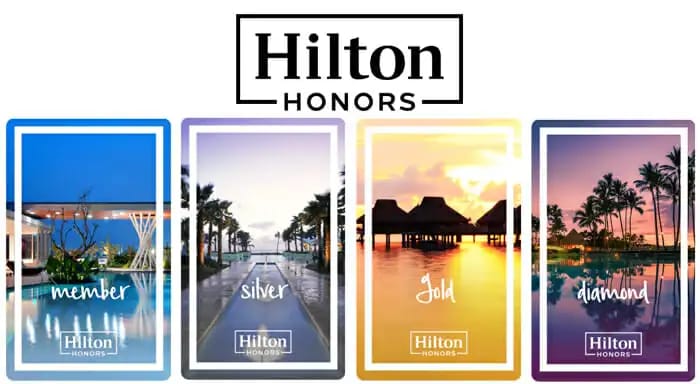
- Easiest Path to Meaningful Status: Hilton’s portfolio of co-branded credit cards is the undisputed champion of the “shortcut.” You can achieve valuable mid-tier Gold or even top-tier Diamond status just by holding the right card, unlocking perks from day one.
- Mid-Tier Benefit Value: Hilton Gold status (easily obtainable) is arguably the most valuable mid-tier status in the hotel world, offering a food & beverage credit and space-available upgrades.
- Fee-Free Award Resorts: Hilton’s policy of waiving mandatory resort fees on all award stays is a massive financial advantage over Marriott for anyone planning a vacation redemption.
Consider Hilton If
- Your travel is primarily within North America, where their footprint of brands like Hampton Inn and Hilton Garden Inn is incredibly dense.
- You value a superior digital experience. Hilton’s app, with its reliable Digital Key and room selection features, is consistently rated as the best in the industry.
- You are a “point accumulator” rather than a “value maximizer.” It’s easy to earn a large volume of Hilton points, even if each individual point is worth less than the competition.
✅ Strengths
- Easiest elite status via credit cards
- Resort fees waived on all award stays
- Best-in-class mobile app & Digital Key
- Dense North American footprint
⚠️ Considerations
- Low point value (~0.6 CPP)
- Silent devaluations (no announcements)
- Insufficient U.S. F&B breakfast credit
- Resort fees still charged on paid stays for elites
May Not Be Ideal If
- You are a “points maximizer.” The low cents-per-point value (~0.6 cpp) means you’ll need a huge number of points for a free night, which can feel unrewarding.
- You expect a full breakfast as an elite. The U.S. F&B credit is often insufficient to cover a real breakfast, a significant downgrade from the previous benefit and a major source of member complaints.
- You are a top-tier elite who pays for resort stays with cash, as even Diamond members are still charged resort fees on paid stays.
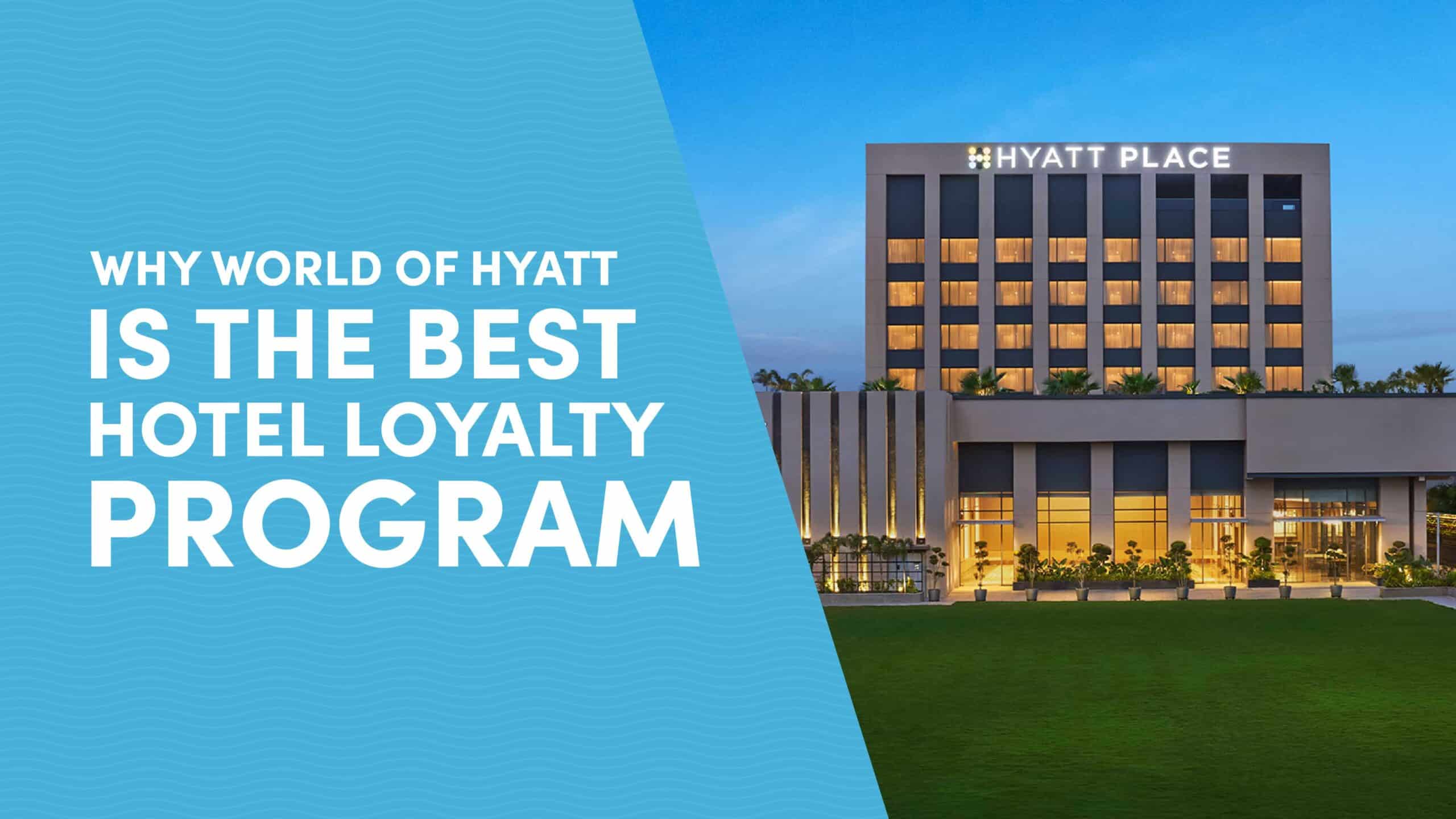
World of Hyatt: The Value Purist
Best For
- Highest Point Value & Best Elite Benefits: This is Hyatt’s core value proposition. With points valued at ~1.7 cpp and top-tier Globalist benefits that include full breakfast, waived resort fees on all stays (cash and award), and the highest suite upgrade success rate (>70%), the program delivers exceptional and consistent value to its loyalists.
- Predictable Award Planning: As the only major program with a published award chart, Hyatt allows you to plan your redemptions with confidence, free from the frustrating volatility of dynamic pricing.
- Leveraging Bank Points: The 1:1 transfer partnership with Chase Ultimate Rewards is the most lucrative in travel, allowing you to turn flexible credit card points into high-value hotel stays. My experience shows a Park Hyatt stay in Paris is remarkably similar to one in Tokyo, which is a core part of their brand promise.
Consider Hyatt If
- Your travel is primarily to major domestic and international cities where Hyatt has a strong presence (e.g., New York, Chicago, London, Tokyo).
- You are a “road warrior” capable of earning status the hard way (60 nights for Globalist), as the rewards are significantly better than competitors’.
- You prioritize quality over quantity and prefer a more curated portfolio of properties.
✅ Strengths
- Highest point value (~1.7 CPP)
- Published, predictable award chart
- Resort fees waived on cash AND award stays for Globalists
- 1:1 Chase Ultimate Rewards transfer
- 70%+ suite upgrade success rate
⚠️ Considerations
- Small global footprint (~1,350+ hotels)
- 60 nights required for top-tier Globalist
- No credit card shortcut to Globalist
- Annual “Hyatt-flation” category bumps
May Not Be Ideal If
- Your travel takes you to smaller cities, towns, or more remote areas. Hyatt’s small global footprint (~1,350+ properties) is its single greatest weakness and a non-starter for many travelers.
- You want an easy shortcut to top-tier status. Unlike Hilton or Marriott, there is no credit card that grants Globalist status outright.
- You book travel spontaneously, as the limited number of properties may mean no availability on short notice.
Part 7: Final Verdict & Frequently Asked Questions
After digging through all the data, the core conflict becomes crystal clear: the hotel industry actively obscures the true value of any hotel loyalty program through hidden fees and inconsistent benefits.
Our analysis shows that Hyatt offers the most theoretical value, Hilton provides the most accessible path to perks, Marriott wins on sheer ubiquity, and IHG serves the budget-conscious traveler well.
The 4-Step Decision Framework
The most important takeaway isn’t which brand is “best,” but rather how you should decide for yourself. The process I use and recommend for evaluating Radisson Hotels top alternatives and competitors is simple:
Step 1: Map Your Footprint
Don’t pick a brand and then hope they have hotels where you go. Look at where you actually travel for work or leisure and see which brand has the strongest presence there.
Step 2: Do the TCO Math
Before you book any award stay, especially at a resort, check for mandatory resort fees. This single step can save you hundreds of dollars and will likely push you away from Marriott and toward Hilton or Hyatt.
Step 3: Assess Your Status Path
Be honest with yourself. Are you a true road warrior staying 60+ nights a year? Or are you a smart traveler who can get great perks by holding the right credit card? Your answer will point you to a specific program.
Step 4: Read Recent Reviews
Trust real user experiences over polished brand promises. Five minutes on TripAdvisor or Google Reviews is your best defense against the “Photo Lie.” Our own detailed Radisson Hotels top alternatives and competitors breakdown is a good reference point.
Ultimately, the ‘best’ program is the one that aligns with your specific travel patterns and financial priorities. However, our deep analysis reveals one undeniable red flag that every traveler should see: the information void surrounding Radisson Rewards.
In a market where transparency is already a scarce commodity, a program that offers none should be approached with extreme caution. My advice is to stick with the programs you can verify, where the value, however complicated, can at least be calculated.
Frequently Asked Questions
Q1: Which hotel program has the most valuable points?
A: World of Hyatt has the most valuable points, estimated at ~1.7 cents each. This is more than double the value of Hilton Honors (~0.6 cpp) and Marriott Bonvoy (~0.84 cpp).
This significant difference means you generally need far fewer points to book the same quality of hotel room compared to the other programs. For travelers focused on maximizing the return on their spending, this makes Hyatt points feel much more rewarding to both earn and redeem, especially for luxury properties where the cents-per-point value can climb even higher.
Q2: Is Hilton Honors or Marriott Bonvoy better?
A: It depends entirely on your priority. I tell people to choose Hilton Honors if their main goal is achieving valuable elite status perks quickly and easily. Through their co-branded credit cards, you can get Gold status (or even Diamond) without staying dozens of nights, and you benefit from waived resort fees on award stays, a huge money-saver.
Conversely, you should choose Marriott Bonvoy if your primary need is global reach. If your travel frequently takes you to secondary cities or more remote locations, Marriott’s massive footprint of over 9,000 hotels means you’re more likely to find a property wherever you go.
Q3: What are the biggest hidden costs with hotels?
A: The single biggest hidden cost is mandatory resort or destination fees, which can add $20-$100+ per night to your bill. These fees are, in my opinion, one of the most anti-consumer practices in the industry, as they are for amenities that most guests assume are included in the room rate, like Wi-Fi or pool access.
A critical point from our analysis is that Marriott Bonvoy charges these fees even on “free” award stays, which can add hundreds of dollars to your vacation. Hilton and Hyatt, in contrast, waive these fees on award redemptions, making them a much better value for any resort stay booked with points.
Q4: Why is this guide so critical of Radisson?
A: My critical stance is due to a complete lack of verifiable public data for Radisson Rewards in 2026. In my profession, I cannot recommend something I cannot verify. Across the 40+ independent sources I analyzed for this guide, there was a near-total absence of information on Radisson’s current point values, official resort fee policies, or the tangible value of its elite benefits.
In a competitive market where other brands provide at least some transparency, this opacity presents an unknown and unacceptable financial risk for any value-conscious consumer. Until Radisson provides clear, comparable data, it remains a high-risk choice.
Q5: Is top-tier hotel status worth it?
A: Top-tier status is unequivocally worth it with World of Hyatt (Globalist), but its value is debatable with Marriott and Hilton. Hyatt Globalist status offers guaranteed, high-value benefits like full breakfast, waived resort fees on all stays (including cash), and a high likelihood of suite upgrades.
In contrast, at Marriott and Hilton, top-tier benefits in the U.S. have been diluted. For example, the “free breakfast” has been replaced by a small food and beverage credit that often doesn’t cover the full cost of a meal, which many elite members see as a significant downgrade.
Q6: Which hotel program is best for beginners?
A: Hilton Honors is the best program for beginners seeking immediate value. The reason is simple: you can achieve valuable Gold status and its associated perks just by holding an affiliated credit card. This is the ultimate shortcut in the hotel loyalty world.
It bypasses the traditional requirement of staying dozens of nights a year to earn status, allowing a more casual traveler to immediately receive benefits like a daily food & beverage credit and space-available room upgrades. This makes the program highly accessible and provides a taste of elite perks without a massive time or travel commitment.
Q7: What does it mean to get “Bonvoyed”?
A: “Bonvoyed” is a popular term I hear frequently from travelers to describe a range of negative experiences with the Marriott Bonvoy loyalty program. Most often, it refers to the unannounced and unpredictable increases in the number of points required for a free night at a specific hotel, a direct result of its fully dynamic pricing system.
A hotel that cost 50,000 points yesterday might suddenly cost 80,000 points today without warning. The term encapsulates the feeling of having your hard-earned points become less valuable right before your eyes, creating frustration and eroding trust in the program’s stability.
Q8: How do I avoid the “Photo Lie” when booking?
A: Never trust the brand name or the hotel’s professional marketing photos alone. The single most effective way to protect yourself is to spend five minutes reading recent, property-specific reviews on sites like Google or TripAdvisor before you book any stay. I do this for every single trip.
Look for candid photos taken by other travelers and search reviews for keywords like “clean,” “stain,” “worn,” or “maintenance.” This will give you a much more realistic picture of the property’s current condition and help you avoid the disappointment of the “Photo Lie.”
Q9: Should I be loyal to one hotel brand?
A: It depends on your travel patterns, but for most people, I recommend focusing on one or two primary programs to maximize brand loyalty. Spreading your stays across all the different brands means you’ll likely never earn enough points or qualifying nights to achieve meaningful elite status with any single one.
By concentrating your loyalty with a program like Hilton or Hyatt, you can unlock valuable perks like free breakfast, suite upgrades, and waived fees that significantly improve your travel experience and lower your overall costs. The key is to use the framework in this guide to pick the right program that has hotels where you actually travel — and always stack an extra Radisson Hotels coupon when a Radisson property is your best fit.