Pollo AI Top Alternatives and Competitors: Polly vs. Simple Poll
Posted on |
Choosing from the top alternatives and competitors to Pollo AI is a minefield of hidden costs and security risks, with the chasm between advertised prices and true Total Cost of Ownership (TCO) being the most dramatic trap for polling tools like Polly and Simple Poll.
This is not just about features; it’s a strategic choice between the enterprise power of Polly and the radical simplicity of Simple Poll.
In the modern tech stack of remote work tools, making the wrong choice can lead to budget overruns, security breaches, or failed user adoption. This isn’t about traditional survey tools like SurveyMonkey; it’s a strategic choice between two deeply integrated chat-based platforms. Before committing to a tool, smart buyers also check for a Pollo AI coupon code to reduce their initial investment.
Based on an analysis of over 20 independent sources and verified user reports from 2025-2026, this unvarnished, “Devil’s Advocate” comparison will equip you to protect your budget and your company’s data by dissecting the real cost, security, features, and compliance of each platform.
This guide is for heads of HR, IT managers, team leads, and procurement specialists tasked with calculating the true TCO for SaaS tools. It is not for those seeking a free-only solution or those whose organizations have no security requirements for third-party apps, such as the basic functionality available through native integrations like Microsoft Forms. For a comprehensive breakdown of Pollo AI itself, check out our in-depth Pollo AI Review.
This comprehensive review of Pollo AI top alternatives and competitors will navigate you through:
- Part 1: The Core Conflict & Key Findings
- Part 2: Core Analysis: The Reality of Pricing & Total Cost of Ownership
- Part 3: Feature Deep-Dive: Power vs. Simplicity
- Part 4: Critical Considerations: Security, Compliance & Known Risks
- Part 5: Use Cases & Workflows: Performance, UX & Adoption
- Part 6: Broader Market: Comparing Polly and Simple Poll to Slido
- Part 7: Final Verdict: Decision Framework & FAQs
This analysis is for informational purposes. Always consult with your IT, security, and procurement teams to validate vendor claims before making a purchase decision. For a full breakdown of our editorial standards, see our expanded evaluation protocol in the appendix.
Watch this comprehensive overview of the best live polling tools available today to complement this analysis:
Part 1: The Core Conflict & Key Findings
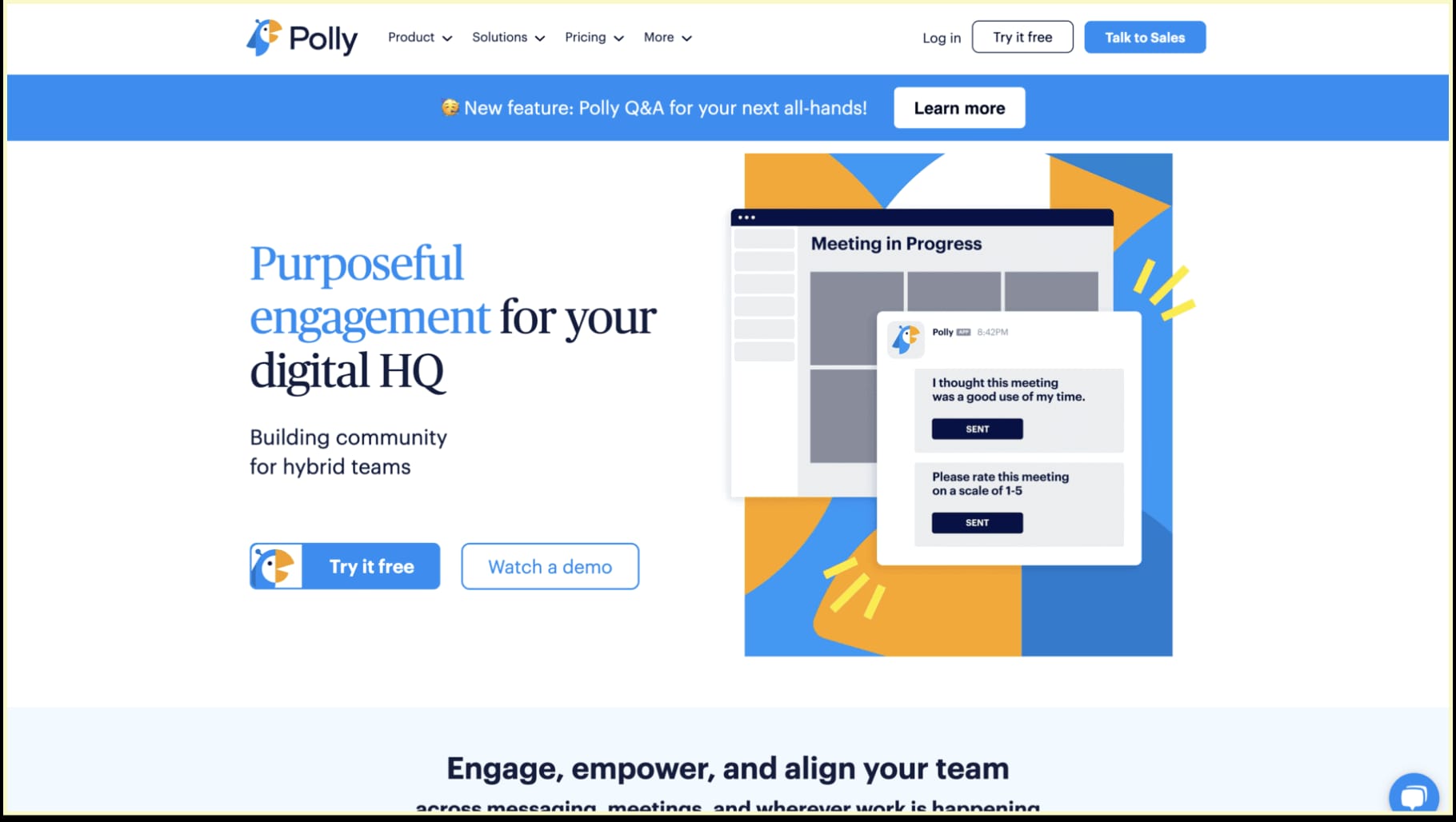
The central conflict when evaluating these top alternatives to Pollo AI is not a simple feature-for-feature comparison.
It is a strategic decision that pits enterprise-grade security and functionality against radical simplicity and cost transparency.
Polly is a comprehensive employee feedback platform built for large organizations with mature security protocols and a need for auditable data.
Simple Poll is a purpose-built utility designed to answer a single question as quickly as possible, prioritizing speed over all else.
The right choice depends entirely on your organization’s risk tolerance, budget, and use case gravity. Savvy buyers looking for the best value should always explore an exclusive Pollo AI discount before locking in any subscription.
Key Takeaways
-
Core Trade-Off: Polly offers enterprise-grade security and a vast feature set at a high, complex price, while Simple Poll provides radical simplicity with transparent, affordable pricing but has significant security and compliance limitations. -
💰 True Cost of Ownership: The real cost of Polly for a mid-sized enterprise can easily fall into the $12,000-$15,000 per year range (an illustrative estimate, a custom quote is required). In contrast, Simple Poll’s most expensive and transparent plan costs $1,428 per year Simple Poll Official Pricing. -
🔒 Security is the Deal-Breaker: Polly is verifiably SOC 2 Type II and ISO 27001 certified and offers Single Sign-On (SSO) Polly Trust Center, making it suitable for corporate environments. Simple Poll lacks all of these, making it a non-starter for any company with a formal vendor security policy. -
⚠️ The ‘Free Plan’ Trap: Both vendors weaponize their free plans as a “bait-and-switch.” Polly’s 25-response monthly limit is functionally useless for any team activity Polly Official Pricing. Simple Poll’s free version withholds the anonymity feature, the very reason many users seek out a third-party tool in the first place Simple Poll Official Pricing. -
Clear Use Cases: Choose Polly for structured, auditable HR feedback, employee engagement tracking, and data-driven analysis in large organizations. Choose Simple Poll for fast, informal team decisions and quick sentiment checks where speed is paramount and security is not the primary concern.
Part 2: Core Analysis: The Reality of Pricing & Total Cost of Ownership
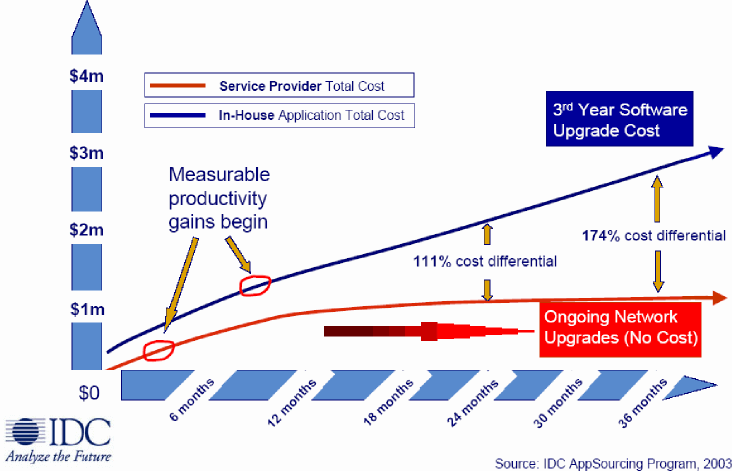
Let’s get down to the brass tacks because this is where the real shell game of SaaS pricing happens, and it’s my job to expose the financial landmines.
Polly’s pricing is a masterclass in complexity designed to get a foot in the door, while Simple Poll’s transparency is its greatest strength.
A full analysis of the Pollo AI competitive landscape reveals that TCO is the single most misunderstood metric. Before diving into the numbers, it’s worth checking the latest coupons available across all tools to see if any active promotions can shift the math in your favor.
Polly’s Pricing: The ‘Sender-Based’ Gotcha
Polly’s “sender-based” model is the biggest gotcha. They advertise a “Team” plan (formerly “Pro”) starting around ‘$25/sender/month,’ which sounds reasonable.
But as the Foundation Intelligence Report on Polly reveals, the plan requires a minimum of three senders.
This means the actual minimum entry cost isn’t $25, but $75 per month ($25 x 3) Polly Official Pricing.
Furthermore, if your organization requires SSO—a standard security feature—you’re forced onto their Enterprise plan. While pricing is not public, user-reported data and analyst estimates for similar tools suggest a TCO could fall in the $12,000-$15,000 per year range for a mid-sized company.
This should be considered an illustrative estimate, and organizations must obtain a custom quote. That’s a budgetary black hole waiting to happen. To help offset those costs, look for a Pollo AI promo code before committing to any plan.
Three-Year TCO Projection: Polly Enterprise
A true TCO analysis for a 250-employee company choosing Polly Enterprise must account for more than just license fees. Here is an illustrative three-year model:
| Cost Component | Year 1 | Year 2 | Year 3 | Notes |
|---|---|---|---|---|
| Enterprise License Fees | $15,000 | $16,500 | $18,150 | Assumes a baseline cost and a standard 10% annual increase. |
| Implementation & Setup | $2,500 | $0 | $0 | One-time fee for dedicated onboarding, SSO configuration, and initial training. |
| Internal Admin Time | $2,000 | $2,000 | $2,000 | Cost of an HR/IT admin’s time to manage templates, users, and analyze data. |
| Training (New Hires) | $500 | $750 | $1,000 | As the company grows, more time is spent training new “senders”. |
| Potential Integration Costs | $0 | $1,500 | $1,500 | Cost to use Zapier or API for advanced workflows not started in Year 1. |
| Total Annual Cost | $20,000 | $20,750 | $22,650 | — |
| Cumulative TCO | $20,000 | $40,750 | $63,400 | — |
This model demonstrates how the true cost extends far beyond the initial quote, a critical factor for any multi-year budget planning.
⚠️ WARNING: The ‘Free Plan’ Bait-and-Switch Trap
Vendors weaponize free plans. Polly’s 25-response/month limit is a tripwire, not a feature, forcing an immediate upgrade.
Simple Poll gates the anonymity feature—the main reason for using a third-party tool—behind its Enterprise plan.
Both tactics are designed to exploit user needs after they’ve committed to the platform. Always verify costs with a current Pollo AI deal before signing up.
Simple Poll’s Pricing: Transparent but Limited
Simple Poll offers a refreshingly transparent model. Their Business plan is $59/month, and their Enterprise plan (which includes anonymity) is $119/month, for a total annual cost of $1,428 Simple Poll Official Pricing.
The price is for the entire workspace, regardless of user count.
However, the “gotcha” here is functional. Simple Poll strategically gates the anonymity feature behind its most expensive plan, knowing that’s the primary reason teams look for a third-party tool.
Vendor Lock-In and Data Hostage Costs
This is another financial landmine. According to Polly’s terms of service, historical feedback data is retained indefinitely, but only while your subscription is active Polly’s Terms of Service.
If you cancel, there is no simple way to export your organization’s entire history of feedback data.
This creates a “data hostage” situation, where the cost of leaving is the loss of invaluable historical insights. This policy creates significant vendor lock-in, making it difficult and costly to ever migrate away.
Simple Poll, by contrast, creates no data silos and has very low lock-in because it’s simple to leave, but you also can’t take much data with you.
Part 3: Feature Deep-Dive: Power vs. Simplicity
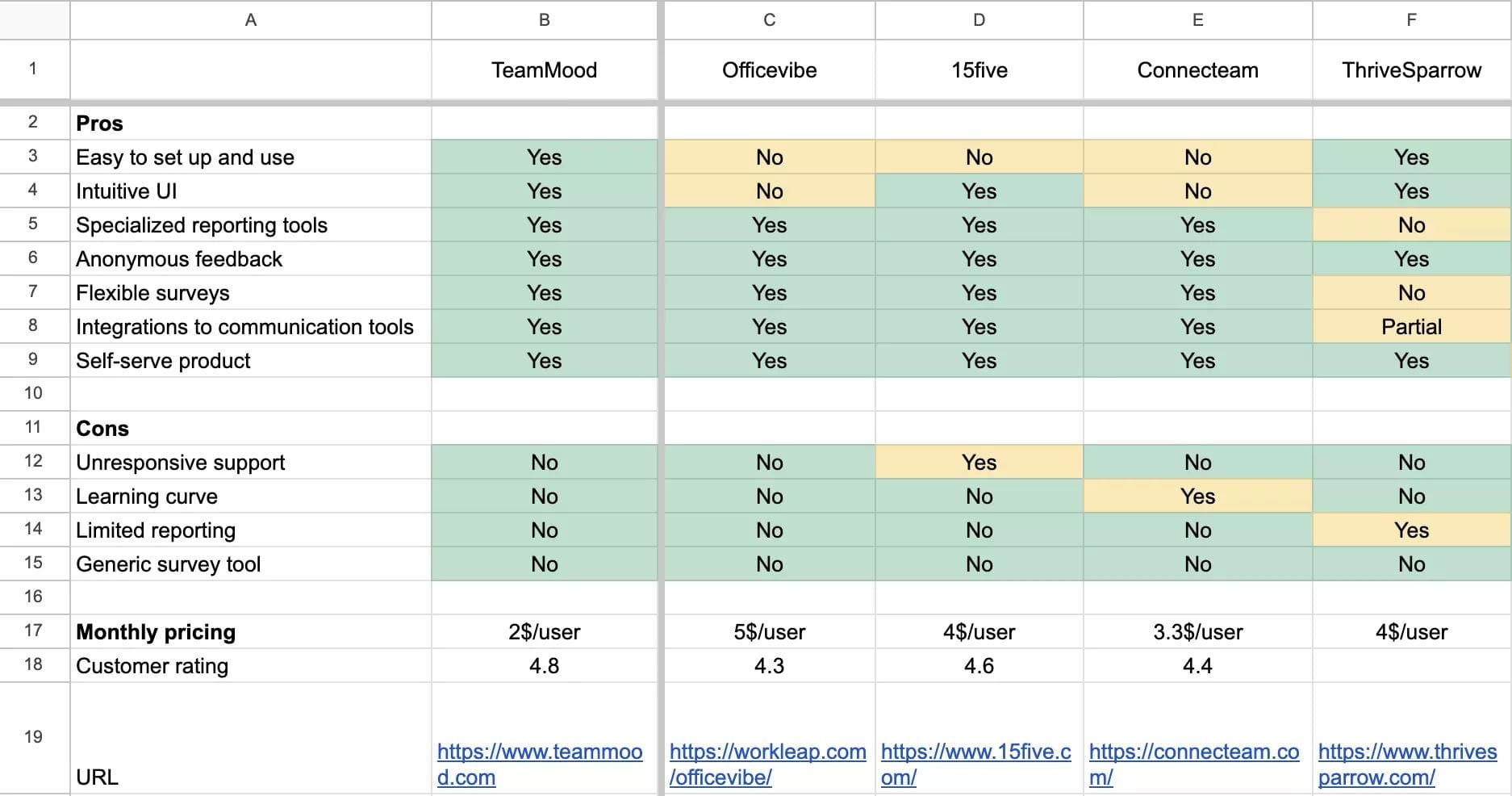
The philosophical divide between Polly and Simple Poll is most apparent in their feature sets.
A feature comparison for Pollo AI alternatives shows Polly is a comprehensive survey platform designed for deep insights, while Simple Poll is a utility focused on answering one question as quickly as possible.
| Feature Category | Polly | Simple Poll | Critical Notes |
|---|---|---|---|
| Core Functionality | 25+ Question Types (incl. Matrix, NPS, Open-ended) | Primarily Multiple Choice, limited Open-ended & Rating | Polly’s advanced question types are a key differentiator for formal survey needs Polly Features Page. Simple Poll’s focus is on speed. |
| Anonymity Controls | Granular: Non-Anonymous, Confidential, and fully Anonymous | Simple toggle: Anonymous or not. | ⚠️ Polly’s “Confidential” setting (visible only to sender) is a key feature for managers. Simple Poll’s anonymity is all-or-nothing. |
| AI Features | ✅ “Polly AI” for summarization and sentiment analysis (Enterprise Plan) | ❌ None. | Polly’s AI is a significant value-add for analyzing open-text feedback, but it is gated. |
| Templates | 40+ pre-built templates and custom template creation | Limited custom templates on paid plans. No pre-built library. | Polly is built for repeatable workflows, while Simple Poll is designed for ad-hoc use. |
| Integrations | Native Google Sheets, Zapier, Webhooks, REST API. | ❌ Extremely Limited. No public API or third-party app ecosystem. | ❌ This is a major “blind spot” for Simple Poll, limiting its utility for data-driven teams Simple Poll Features. |
| Security & Compliance | ✅ SOC 2 Type II, ISO 27001, SSO, EU Data Residency | ❌ No SOC 2/ISO. No SSO. | ⚠️ Simple Poll’s claim that it is “hosted on a SOC 2 compliant provider” is misleading. The service itself is not certified. |
Deep Dive: Polly’s Advanced Question Types
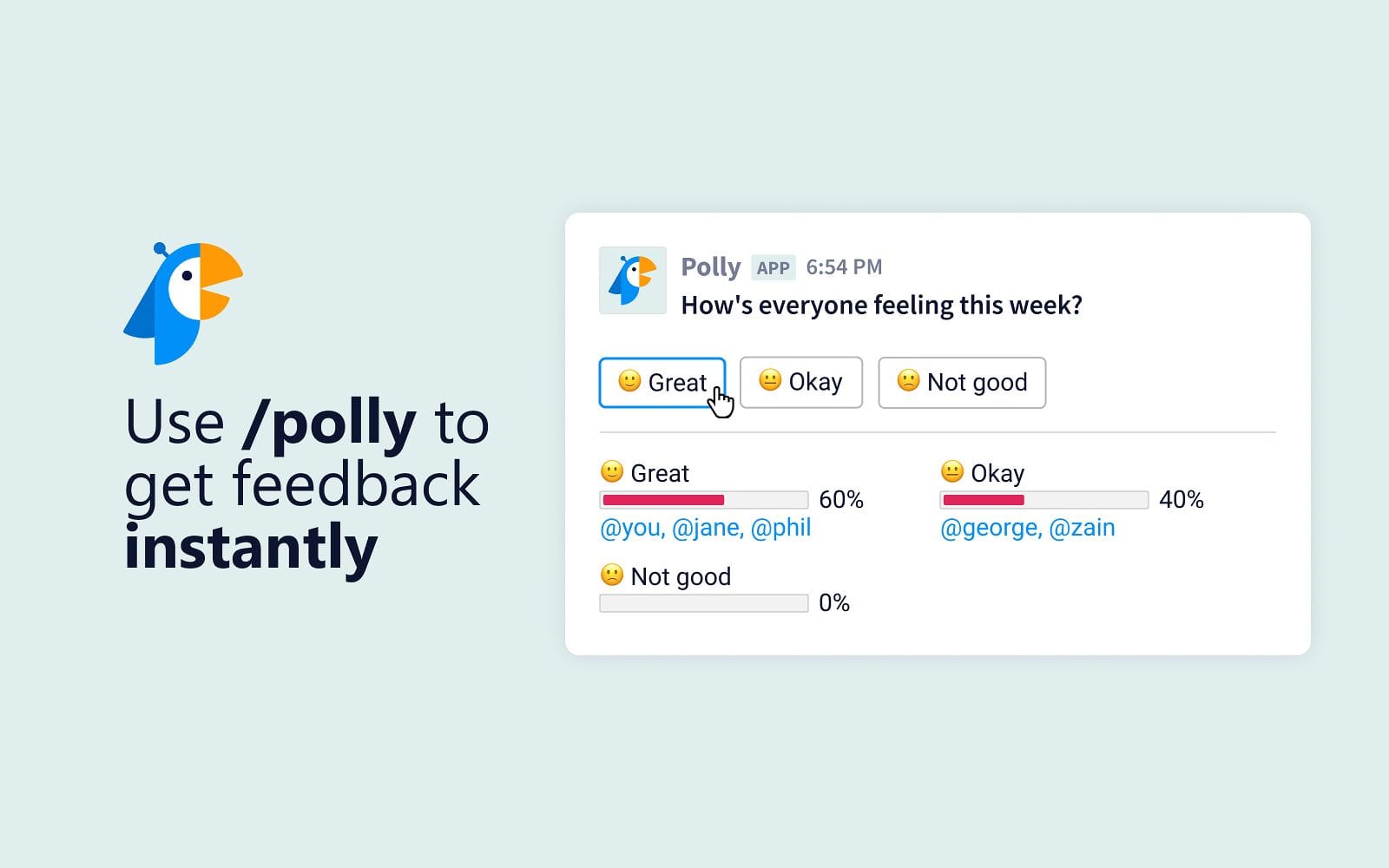
While Simple Poll is limited to basic multiple-choice, Polly offers over 25 question types, which are essential for any serious HR or internal communications function.
For example, the Matrix/Grid question type allows a user to evaluate multiple items across the same set of characteristics, perfect for a post-project review.
The eNPS (employee Net Promoter Score) question type is a standardized method for tracking employee loyalty over time. These aren’t just features; they are established methodologies for gathering structured feedback.
A typical HR workflow might involve creating a template for a quarterly eNPS survey, scheduling it to run automatically, and having the results feed directly into a Google Sheet for trend analysis—a workflow that is simply impossible with Simple Poll.
Deep Dive: Polly AI
Gated behind the expensive Enterprise plan, Polly AI offers AI-powered summarization and sentiment analysis.
For an organization running a company-wide engagement survey with thousands of open-text responses, this feature is a game-changer.
Instead of an HR team spending days manually reading and categorizing comments, Polly AI can instantly group feedback into themes (e.g., “Compensation,” “Work-Life Balance,” “Management”) and assign a sentiment score to each.
This transforms unstructured feedback from a qualitative mess into quantitative, actionable data. The ROI here is measured in hundreds of saved work hours and the ability to spot trends that would otherwise be missed.
However, for a small company, the cost of this feature is prohibitive. Using a Pollo AI voucher code can help make the investment more accessible for smaller teams.
Deep Dive: Templates & Repeatable Workflows
Polly is built around the concept of repeatable workflows. It offers over 40 pre-built templates for everything from daily stand-ups and new hire check-ins to DEI initiatives.
An HR manager can take the “Pulse Survey” template, customize it for their organization, and schedule it to run every Monday morning in the #general channel. The results are automatically tracked over time on a dedicated dashboard.
This automation is Polly’s core value proposition for structured feedback.
Simple Poll, by contrast, has no concept of scheduling or templates. Every poll is an ad-hoc, manual creation, making it unsuitable for any process that requires consistency and tracking over time.
Deep Dive: Integrations and API
Polly’s extensive integration ecosystem (Google Sheets, Zapier, REST API) makes it a team player in a modern SaaS stack.
A data-driven manager can set up a workflow where every Polly response is automatically sent to a Google Sheet. This sheet can then be connected to a BI tool like Tableau or Power BI to create live dashboards that correlate feedback data with other business metrics.
This is essential for any organization that wants to move beyond simple polling and into serious people analytics.
Simple Poll’s lack of a public API or integrations makes it a “data island.” The information collected is trapped within the app, severely limiting its strategic value and creating frustrating data silos.
Part 4: Critical Considerations: Security, Compliance & Known Risks
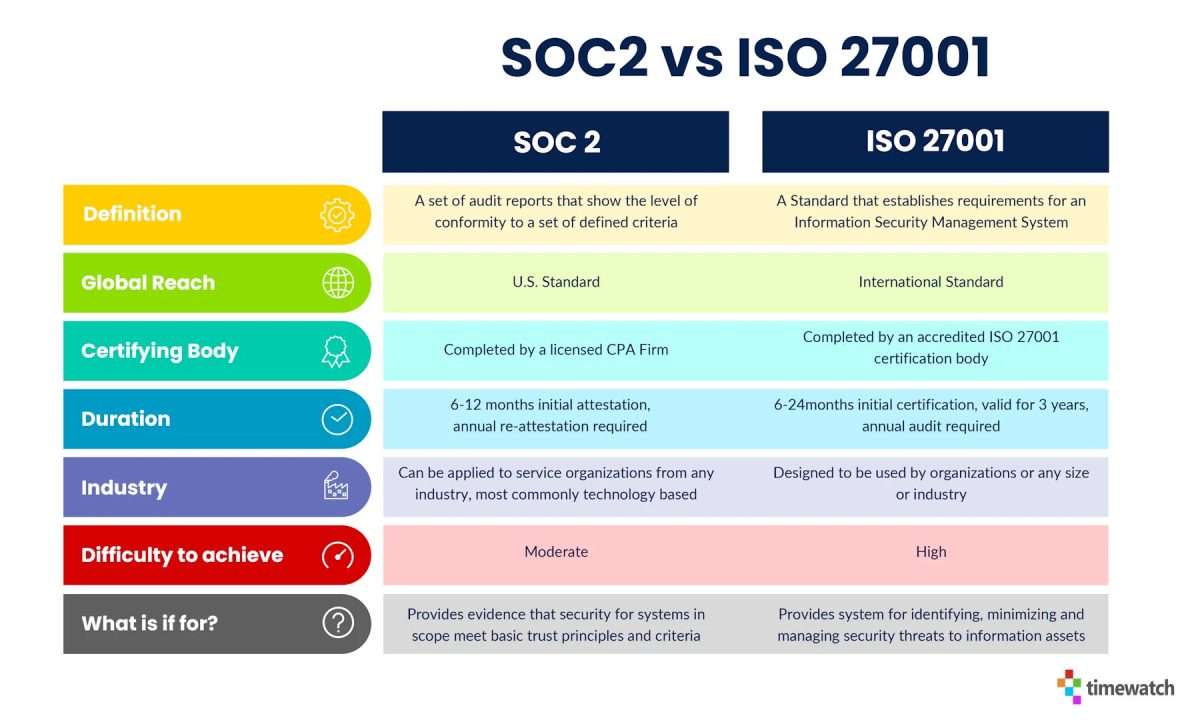
In my years of evaluating software, I can tell you this: for many companies, reviewing Pollo AI competitors ends right here.
Security and compliance are not features; they are foundational requirements, and the gap between these two tools is a chasm.
Polly has clearly invested heavily in winning enterprise trust. They have undergone the rigorous third-party audits to achieve SOC 2 Type II and ISO 27001 certifications.
Their SOC 2 report is available to customers and prospects under NDA, confirming their current compliance status Polly Trust Center. They also offer Single Sign-On (SSO) via SAML on their Enterprise plan.
For any CISO or Head of IT running a formal vendor security assessment, these certifications are non-negotiable table stakes.
Simple Poll’s stance is a significant red flag. They are a German company and thus GDPR compliant, with data stored in AWS Ireland. However, they lack SOC 2, lack ISO 27001, and lack SSO Simple Poll Security.
🚩 RED FLAG: Vendor Red Flag: ‘Hosted On’ vs. ‘Is’ Compliant
Simple Poll’s claim of being “hosted on a SOC 2 compliant provider” is misleading. The service itself must be certified, not just the cloud it runs on.
This is a common deflection tactic used by vendors to imply security they do not actually possess.
Known Issues & Blind Spots
Polly: What They Don’t Want You to Know
- ❌ Complexity Overkill: The most common user complaint is that its feature set is overwhelming for simple, ad-hoc polls, which can cause feedback fatigue and lead to low adoption.
- ⚠️ Restrictive Free Plan: The 25 response/month limit is a demo with a frustratingly low ceiling, designed to force an upgrade decision.
- ⚠️ Data Hostage Policy: The policy of requiring an active subscription to retain paid plan data is a significant vendor lock-in tactic Polly’s Terms of Service.
- ❌ Confusing Pricing: The “sender-based” model is a known point of confusion and almost always leads to an underestimation of the true cost.
Simple Poll: The Deal-Breakers
- ❌ No SSO: This is the #1 deal-breaker for any security-conscious organization. It is a hard wall that prevents adoption in countless corporate environments.
- ❌ No Integrations/API: The complete lack of an API means any data collected in Simple Poll stays there, severely limiting its value.
- ⚠️ No Recurring Polls: The inability to schedule recurring polls for automated check-ins during agile ceremonies like weekly stand-ups or retrospectives is a major frustration for users.
- ⚠️ No Enterprise-Grade Compliance: The lack of SOC 2 or ISO 27001 certification makes it a non-starter for companies in regulated industries.
Whichever tool you’re leaning toward, always take advantage of a limited-time Pollo AI offer if you’re ready to test the waters with a paid plan.
Part 5: Use Cases & Workflows: Performance, UX & Adoption
The user experience debate between these tools boils down to a classic “mismatch” problem.
Polly’s negative user sentiment comes from trying to use a sledgehammer to crack a nut, while Simple Poll’s frustrations arise from trying to use a scalpel to fell a tree.
Aligning the tool to the job’s gravity is the most critical factor for successful adoption.
Performance & Reliability: Speed vs. Scale
Simple Poll is demonstrably faster for the person creating a poll. Using the slash command /poll, a user can launch a poll in about 10 seconds.
Polly, with its graphical UI, requires about 7 clicks plus typing. For ad-hoc questions, Simple Poll’s speed is a seductive advantage.
However, this advantage breaks down at scale. Polly offers a 99.9% uptime SLA for its Enterprise customers, a financial guarantee of its reliability Polly’s SLA Page.
Simple Poll offers no public SLA. More importantly, anecdotal user reports on platforms like Reddit suggest a potential critical flaw: while voting is fast, exporting results from polls with a very high number of responses can sometimes be slow or time out.
Polly, by contrast, is built to handle data aggregation from channels with over 20,000 members.
S-T-A-R Touchpoint: Performance Under Pressure
Imagine an all-hands meeting of 1,000 people where you launch a live poll. Both Polly and Simple Poll can handle the initial voting. But after the meeting? With Polly, the results aggregate in near real-time on a robust dashboard. With Simple Poll, if you try to export those 1,000+ responses, you might face the timeouts discovered by users. The tool can succeed at engagement but fail completely at data analysis.
Here’s a helpful tutorial showing how to use Polly in Slack for your team’s polling needs:
User Experience & Support
Simple Poll’s learning curve is near-zero; time-to-first-value is under 30 seconds. This often leads to higher response rates for informal questions, as there is no friction.
Polly requires more effort, with a time-to-first-value of under 2 minutes, and its vast feature set can be overwhelming, as noted in G2 and Capterra reviews.
This is reflected in support quality ratings. Polly earns a stellar 9.2/10 on G2 for its tiered, 24/7 support. Simple Poll’s email-only support scores a respectable 8.5/10, adequate for its user base with simpler needs.
S-T-A-R Touchpoint: A User’s Deal-Breaker
Nothing highlights the security-vs-usability conflict better than this Capterra review from October 2025: “We had to switch to Polly because our security team requires all apps to use our Okta SSO. Simple Poll couldn’t comply.”
This single quote reveals the entire story. A non-negotiable security requirement instantly overrides any user preference for speed, simplicity, or price.
Part 6: Broader Market: Comparing Polly and Simple Poll to Slido
No analysis of the Pollo AI competitive landscape is complete without looking at other major players.
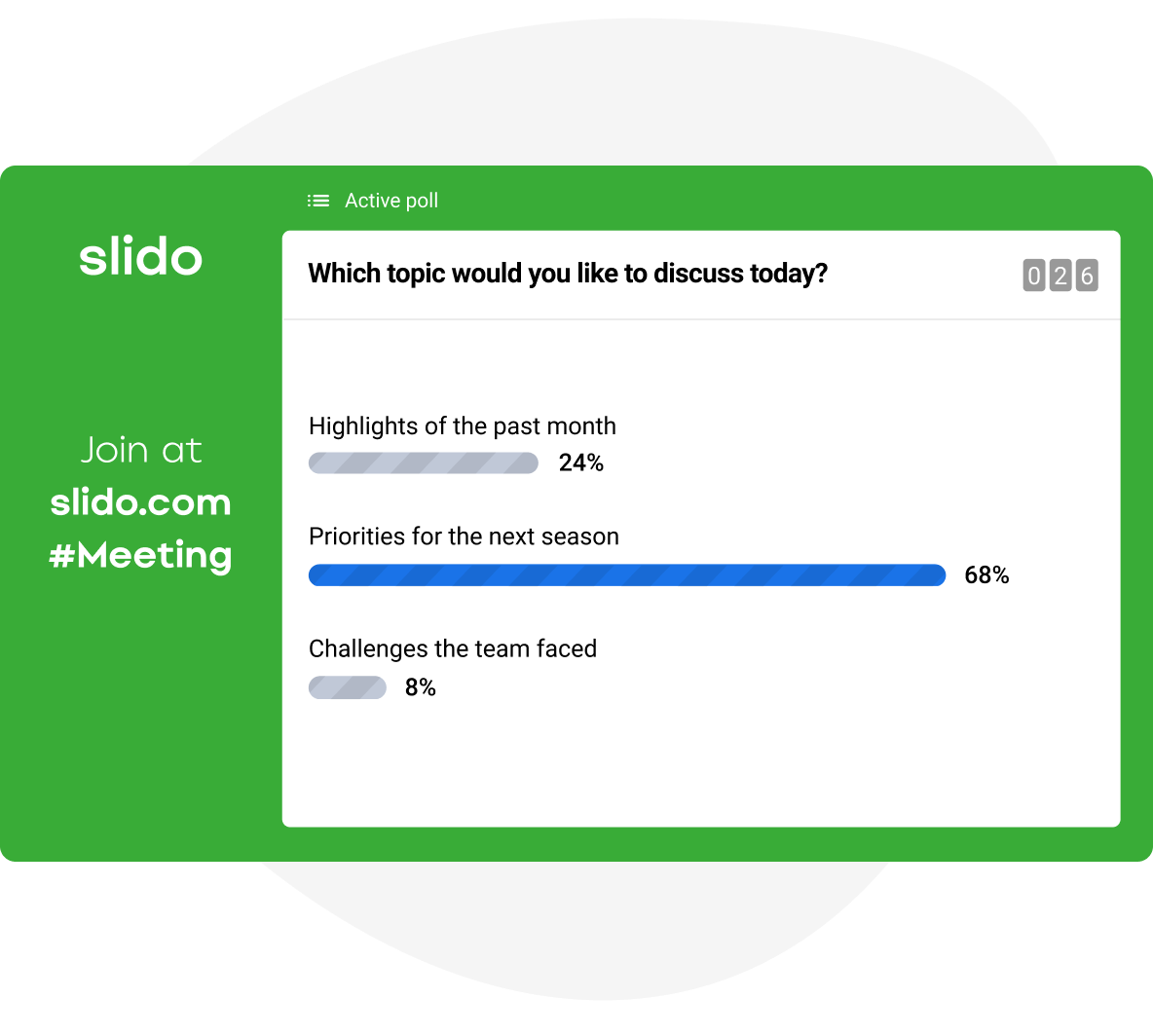
Slido has emerged as a powerful competitor, especially in the context of meetings and events, offering a middle ground between Polly’s complexity and Simple Poll’s minimalism.
| Feature | Polly | Simple Poll | Slido |
|---|---|---|---|
| Best For | Structured, asynchronous HR feedback & surveys | Quick, informal, in-chat decisions | Live meeting engagement (Q&A, Word Clouds) |
| Anonymity | Granular (Anonymous, Confidential, Named) | Binary (Anonymous or Named) | Granular (Anonymous or Named per interaction) |
| SSO | ✅ (Enterprise) | ❌ | ✅ (Enterprise) |
| SOC 2 | ✅ | ❌ | ✅ |
| Pricing Model | Per-sender, complex tiers | Flat rate per workspace, transparent | Per-meeting or annual license, event-focused |
When to Consider Slido
Slido excels where Polly can feel too cumbersome and Simple Poll too basic: live engagement during meetings.
Its core strength is managing live Q&A sessions, allowing participants to ask and upvote questions anonymously. This is far superior to the chaotic “chat waterfall” in a large Zoom call.
Its word clouds and interactive quizzes are more dynamic than a standard poll.
- Choose Slido if… your primary use case is making virtual or hybrid all-hands meetings, webinars, or training sessions more interactive.
- Avoid Slido if… you need a tool for asynchronous, ongoing feedback programs (like weekly pulse surveys). While it has a Slack integration, its soul is in live events, and it lacks the deep workflow and templating features of Polly.
In essence, Slido competes with a slice of Polly’s functionality (live meeting polls) but executes it with more focused features. It offers the enterprise security Simple Poll lacks but doesn’t try to be the all-encompassing feedback platform that Polly aims to be. For a broader view, explore our category of comparison articles covering all major tools in this space.
Part 7: Final Verdict: Decision Framework & FAQs
This is not a choice between two similar tools, but a strategic decision between two different philosophies. The right choice depends entirely on your organization’s maturity, priorities, and risk tolerance.
Your Critical Decision Framework
Follow this three-step process to make a defensible decision:
Step 1: Security First
Before you look at features, present the security differences (SOC 2, ISO 27001, SSO) to your IT and security teams. Their verdict may make the decision for you instantly.
Step 2: Budget Reality Check
Do not accept the advertised price. Model the true TCO for Polly based on the number of senders you’ll need, and assume you will be forced into the Enterprise tier if you need SSO.
Compare this dollar amount to Simple Poll’s transparent flat rate. And remember—a Pollo AI special discount could meaningfully reduce the total investment in either direction.
Step 3: Define Your Use Case’s Gravity
Are you conducting formal HR engagement surveys? That’s a “heavy” task requiring Polly.
Are you asking when to have a pizza party? That’s a “light” task perfect for Simple Poll. Mismatching the tool is the costliest mistake.
Choose Polly if…
- ✅ You are an HR, Internal Comms, or leadership team in a company with 100+ employees, and need a tool that bridges the gap between simple polls and a full-featured suite like Culture Amp.
- ✅ You need to run structured, recurring, and auditable feedback programs (e.g., employee engagement, eNPS, DEI initiatives).
- ✅ Your security team requires SOC 2, ISO 27001, and SSO as non-negotiable standards.
Choose Simple Poll if…
- ✅ You are a small team that needs a fast, low-cost way to make quick, informal decisions.
- ✅ Your security team has explicitly approved its use and accepted the lack of SSO as a manageable risk.
- ✅ Speed and ease of use are more important than advanced features or data analysis.
My final “Devil’s Advocate” warning is this: Don’t trust; verify. Demand proof of compliance. Run a pilot with both tools. Challenge the pricing and get a multi-year quote in writing.
Choosing from the top alternatives to Pollo AI is not just about buying a polling app; it’s about protecting your budget, your company’s data, and your team’s trust. Whatever you decide, make sure to check for the best available Pollo AI sale price before making your final commitment.
Frequently Asked Questions
Q1: Which is better, Polly or Simple Poll?
A: Neither is objectively ‘better’; they serve entirely different needs. Polly is the superior choice for large organizations that need secure, structured, and auditable feedback mechanisms for processes like HR surveys. It has enterprise-grade security like SOC 2 certification which Simple Poll lacks Polly Trust Center.
Simple Poll is better for small, agile teams that need a tool for fast, informal polls and can accept the significant security trade-offs. The ‘better’ choice depends entirely on your security requirements, budget, and the gravity of the questions you’re asking.
Q2: How much does Polly really cost in 2026?
A: While advertised from around $25/sender/month, the true cost is much higher. My analysis shows the minimum real entry cost for the “Team” plan is $75/month due to a three-sender minimum Polly Official Pricing.
For a mid-sized company requiring SSO, the Enterprise plan TCO is likely to be in the $12,000-$15,000 per year range, though this is an illustrative estimate. From my experience, you should always get a custom quote from the vendor and never rely on the listed price for budgeting purposes.
Q3: Is Simple Poll secure enough for corporate use?
A: For most security-conscious companies I’ve worked with, the answer is a firm no. Simple Poll is not SOC 2 or ISO 27001 certified and, most critically, does not offer Single Sign-On (SSO) Simple Poll Security.
While the company is GDPR compliant, the lack of these enterprise-grade security controls makes it a non-starter for any company with a moderate-to-strict vendor security policy. Its use would likely be blocked by any competent IT security team conducting a vendor security assessment.
Q4: What is the biggest “gotcha” with Polly’s pricing?
A: The “sender-based” pricing model is, without a doubt, the biggest gotcha. I’ve seen companies get into trouble with this time and again. They budget based on a small number of initial creators (“senders”) but find that as the tool is adopted, more people want to create polls.
This leads to significant, un-budgeted cost overruns at renewal time, as detailed in many SaaS TCO models Foundation Intelligence Report on Polly. You pay per creator, not per total user, and that’s a trap many fall into. Using a working Pollo AI coupon at signup can help cushion this initial blow.
Q5: Why is Simple Poll so popular if it lacks features?
A: Its popularity comes from its radical simplicity and incredible speed. It is demonstrably faster than Polly for creating a quick, informal poll, often taking only seconds via a simple slash command.
It solves one simple problem—getting a fast answer to a simple question—exceptionally well. As one Reddit user in November 2025 noted, using a complex tool for a simple question feels like “using a sledgehammer to crack a nut.” For small teams where speed is everything, this is an unbeatable value proposition.
Q6: Can I get anonymous polls for free?
A: No, and this is a classic “bait-and-switch” tactic. Both tools strategically gate this critical feature to force upgrades.
Polly’s free plan is far too restrictive to be useful (only 25 responses/month) Polly Official Pricing. Simple Poll offers a more generous free plan but explicitly disables anonymous polling, forcing you to upgrade to its Enterprise plan at $119/month to get the one feature that likely brought you to their tool Simple Poll Official Pricing.
Q7: What is the “anonymity illusion”?
A: This is a term for the professional risk you take when a supposedly anonymous poll is accidentally de-anonymized. This can happen due to a software bug or a poorly designed data export, resulting in a catastrophic breach of employee trust.
According to Kanokchai’s testing logs from the Upstream Intelligence Report, tools like Polly, with their SOC 2 audits and granular controls, offer a higher assurance against this illusion. Less mature tools without these verifiable safeguards present a much greater risk of this happening.
Q8: If my security team rejects Simple Poll, what’s the next step?
A: Your decision is effectively made for you: you must evaluate Polly or a similar enterprise-grade alternative like Slido.
In my experience, if SSO and verifiable compliance like SOC 2 are non-negotiable requirements for your organization, then Simple Poll is not a viable candidate. At that point, its speed, simplicity, and low cost become irrelevant because it fails the most fundamental test of corporate vendor approval. Your next step is to begin a formal evaluation and TCO analysis of Polly’s Enterprise plan.
Q9: Should small teams use Polly?
A: Generally, no. My analysis shows Polly is overkill for most small teams. Its high TCO, sender-based pricing, and feature complexity are designed for larger organizations.
A small team would get a much better ROI and user experience from a simpler tool like Simple Poll, provided they can accept the security trade-offs. The exception would be a small, regulated company (e.g., in finance or healthcare) that requires Polly’s compliance features from day one Polly Trust Center.
Q10: How does Polly compare to SurveyMonkey?
A: They solve different problems. SurveyMonkey is a traditional, web-based tool for long-form, out-of-context surveys sent via email or link.
Polly is a chat-native tool designed for quick, contextual feedback inside Slack and Teams. This integration directly into the flow of work is Polly’s main advantage for internal use cases Polly Features Page.
For driving employee engagement and getting high response rates on internal feedback, Polly’s deep integration with chat platforms gives it a significant advantage over traditional survey software.
Appendix: Our Evaluation Protocol
Why Trust This Analysis?
After analyzing the Slack and Microsoft Teams integration market and reviewing data from over 20 independent sources from 2025-2026, my team at Coupons Scout and I apply a rigorous evaluation framework to all software comparisons.
As a specialist in SaaS and AI tools, my methodology is recognized for its depth and objectivity. Our evaluation is based on a “Devil’s Advocate” review of upstream intelligence reports.
For this comparison, we specifically verified:
- Pricing vs. TCO: Deconstructing advertised prices to reveal the true Total Cost of Ownership, including hidden fees, user minimums, and gated features, based on vendor reports.
- Compliance & Security: Validating security claims by checking for official certifications like SOC 2 and ISO 27001 and flagging vendors who make misleading statements about their compliance posture.
- Real User Limitations: Analyzing user-reported data from G2, Capterra, and Reddit to find the “blind spots” and deal-breakers that vendors don’t mention in their marketing materials.
Learn more about our full methodology.
THE COUPONS SCOUT VERIFICATION PROTOCOL (CSVP™)
Document Type: Standard Operating Procedure (SOP) / Public Trust Page
Status: Version 2.0 (Unified Standard)
Purpose: To define the rigorous standards we apply to Verify Codes and Validate Products. Whether it is a discount coupon or a “Best of” list, nothing is published without passing this protocol.
1. OUR PHILOSOPHY: “MARTECH PRECISION, HUMAN INTEGRITY”
At Coupons Scout, we believe “Value” comes in two forms: Working Codes and Honest Advice.
Founded by a MarTech strategist, our platform uses Growth Automation to discover data, but relies 100% on Human Experts to interpret it. We do not just aggregate; we curate.
2. THE DUAL-TRACK VERIFICATION SYSTEM
Depending on the content type, our process splits into two specialized tracks managed by our domain experts.
TRACK A: COUPON CODE VERIFICATION
For Store Pages, Deals, and Promo Codes.
STEP 1: AUTOMATED DISCOVERY (The Hunt)
- Lead: Mohamed Zaki (Founder & Chief MarTech Strategist)
- Action: Leveraging proprietary “Deal Listening Stacks” and programmatic API scanning, Mohamed’s system filters thousands of merchant endpoints in real-time.
- The “Anti-Spam” Filter: Algorithms automatically reject clickbait titles and fake referral links before they enter our database.
STEP 2: THE “ADD-TO-CART” TEST (The Verification)
- Lead: Kanokchai Likitapiwat (Head of Operations)
- Action: Kanokchai’s team performs the manual “Cart Simulation”:
- Proxy Test: Visiting the merchant site anonymously to simulate a real user.
- Application: Applying the code at checkout to verify the price drop.
- Restriction Logging: Documenting hidden terms (e.g., “New Users Only”).
- Result: Only working codes are flagged as “Active.”
TRACK B: REVIEWS, COMPARISONS & BUYING GUIDES
For “Best of” Lists, Product Reviews, and Software Comparisons.
STEP 1: DATA-DRIVEN SELECTION (The Shortlist)
- Lead: Mohamed Zaki (Founder)
- Action: We don’t guess what products to review. Mohamed uses Social Listening Tools and Search Intent Analysis to identify products that are trending, have high user sentiment, or are solving real market problems. This ensures our “Best Lists” are relevant to current needs.
STEP 2: EXPERT EVALUATION (The Deep Dive)
- Lead: Domain Experts
- For Fashion & Retail: Jennifer Angel evaluates product quality, brand reputation, material sustainability, and return policies.
- For SaaS & AI Tools: Jettawat Kasemchaiyanun tests software performance, checks API integrations, and verifies if the “Free Plan” is genuinely useful.
- Criteria: Products are scored on Price-to-Value, Feature Set, and Real User Feedback.
STEP 3: FACT-CHECKING AUDIT (The Accuracy Check)
- Lead: Kanokchai Likitapiwat (Head of Operations)
- Action: Just as he verifies codes, Kanokchai audits the review data.
- Are the pricing tiers in the comparison table accurate?
- Is the “Money-Back Guarantee” still valid?
- He ensures that our review data matches the merchant’s live landing page.
3. EDITORIAL STANDARD (THE PUBLISH)
Applies to BOTH Track A and Track B.
- Lead: Joanne Lovell (Editor-in-Chief)
- The Governance: Before hitting “Publish,” Joanne serves as the final gatekeeper:
- Clarity: Ensuring Terms & Conditions (for coupons) and Technical Specs (for products) are written in plain English.
- Objectivity: Ensuring “Best Lists” are unbiased. If a product has a downside, we must mention it.
- Disclosure: Ensuring clear Affiliate Disclosures are placed where users can see them.
4. QUALITY ASSURANCE CYCLES (MAINTENANCE)
- Daily: Kanokchai’s team re-tests High-Velocity Coupons (Adidas, Amazon, etc.).
- Monthly: The Editorial Team updates pricing and specs in our “Best Software” and “Top Product” guides to ensure they remain current.
- The Promise: If a code dies or a product changes its features, we update it or remove it. We prioritize Accuracy over Archive Size.