The Container Store Alternatives and Competitors (2026)
Posted on |
An 8-foot dream closet from IKEA could cost you $800 and a weekend of frustration, while the same space from California Closets could set you back over $5,000.
This report exposes why—and which path is right for you. As Mohamed Zaki, with over a decade of experience in both MarTech and home project planning, I’ve seen firsthand how choosing the wrong home organization system carries a Medium Financial Risk, leading to budget overruns and products that fail prematurely.
This article provides a clear, evidence-based framework for choosing between The Container Store, IKEA, Target, Amazon, and premium services, exposing the real costs and quality a slick catalog won’t show you. Whether you’re searching for The Container Store coupon codes or exploring budget-friendly alternatives, this analysis is based on extensive research and expert evaluation to guide your decision for any decluttering project.
This comprehensive guide will walk you through seven key stages to make an informed decision:
- Introduction & Key Takeaways: The essential findings you need to know upfront.
- Pricing & TCO Reality Check: A deep dive into what you will actually pay, beyond the sticker price.
- Feature Deep-Dive: A granular analysis of core features like modularity and material composition.
- Critical Considerations: A look at safety, compliance, and the hidden risks of each brand.
- Use Cases & Workflows: Practical guides for tackling common organization projects.
- Alternatives & Competitors: A direct comparison to help you choose the best fit.
- Conclusion & FAQs: Final recommendations and answers to your most pressing questions.
This analysis is based on extensive research and expert evaluation to guide your decision; however, always verify product specifications and return policies before purchasing. Target Return Policy – Accessed 2024-05-24.
Key Takeaways
-
Dramatic TCO Difference: A custom closet’s true cost varies wildly. Based on May 2024 estimates, expect to pay ~$750-$950 for a DIY IKEA PAX system, ~$1,500-$2,500+ for a higher-quality Elfa system from The Container Store, and $5,000-$10,000+ for a full-service California Closets installation. -
Price and Quality Are Linked: Our analysis confirms premium brands like The Container Store and Muji use measurably thicker, more durable materials that resist cracking and yellowing, often justifying their higher price over cheaper Amazon alternatives. -
The Coupon Stacking Winner: For value shoppers, Target is the clear standout. Stacking a Target Circle offer (e.g., 20% off) with the 5% discount from a Circle Card is a powerful strategy that can result in total savings of up to 24%. Most other major retailers, including The Container Store and IKEA, do not allow this. -
The DIY Tradeoff: IKEA offers unbeatable value for ‘built-in’ systems, but this comes at a high ‘frustration cost’ due to persistent stock shortages and complex assembly. -
Installation is Everything: The #1 cause of failure for wall-mounted systems like Elfa and IKEA BOAXEL is not material defect but improper installation. Anchoring to wall studs is non-negotiable for safety and reliability. -
The Marketplace Gamble: Avoid building a long-term, cohesive system from Amazon or Wayfair. Inconsistent quality, ‘color match’ gambles, and lack of modularity make them best for one-off commodity items only.
Here’s a helpful video overview comparing the best closet organization products and budget alternatives from popular retailers:
Decision in 60 Seconds
| Persona / Need | Best choice | Why | Key risk |
|---|---|---|---|
| The DIY Budgeter | IKEA | Unbeatable cost for a “built-in” look and a massive community for hacks and support. | High frustration cost from stock shortages and complex assembly. |
| The Stylish Saver | Target (Brightroom) | Excellent style-for-price ratio and the best coupon stacking opportunities in the market. | Material durability is questionable for heavy-duty or long-term use. |
| The Quality Investor | The Container Store | Superior materials, specialized products, and excellent design support for a long-lasting system. | High shipping costs on small orders and the temptation for accessory-driven budget overrun. |
| The “Done-for-Me” Professional | California Closets | A completely hands-off, premium, custom-built solution with a lifetime warranty. | The highest price point by a significant margin, with an opaque sales process. |
For a more detailed breakdown of how each brand stacks up, explore our comprehensive Container Store alternatives and competitors comparison.
Top Alternatives & Competitors Shortlist
| Option | Best for | Tradeoff | Evidence status |
|---|---|---|---|
| IKEA | Lowest cost for a full system | Time/Frustration Tax (Assembly, Stock) | ✅ |
| Target (Brightroom) | Style on a budget & coupon stacking | Lower material durability for heavy use | ✅ |
| Amazon | One-off commodity items, fast shipping | Inconsistent quality (“Quality Roulette”) | ⚠️ |
| California Closets | Premium, full-service installation | Highest cost, opaque pricing | ✅ |
| Muji | Minimalist aesthetic, quality materials | “Aesthetic Tax” premium, stock scarcity risk | ⚠️ |
| Wayfair | Broad selection of individual items | “Color Match Gamble,” inconsistent quality | ⚠️ |
| OXO | Best-in-class function (e.g., airtight seals) | Higher price for single-function excellence | ✅ |
How We Evaluated The Container Store and Its Competitors
After analyzing dozens of products in the Home and Garden market and evaluating the top alternatives to The Container Store across numerous real-world scenarios in 2024, our team at Coupons Scout provides this comprehensive evaluation based on our public verification protocol.
Our findings are based on a synthesis of over 20 independent sources, including user forums (Reddit), product review sites (Trustpilot), expert blogs (Apartment Therapy), and official vendor documentation from 2024. This data-first approach, guided by our founder Mohamed Zaki, ensures our value comparisons are rooted in objective numbers.
Our experts, including Jennifer Angel, evaluated products on material quality, price-to-value, and real-world performance claims. Key data like closet TCO, food-storage seal effectiveness, and material longevity were independently benchmarked.
Pricing was checked via official planners (IKEA), user-reported quotes (California Closets), and cost-per-unit analysis of real products to establish a “real TCO” beyond the advertised price. Before making any purchase, be sure to check our latest coupons page for current deals and savings opportunities. You can also read our in-depth Container Store review for a full service evaluation.
Part 2: Pricing & TCO Reality Check: What You’ll Really Pay
The price you see on the tag is rarely the price you actually pay. My years of planning home projects have taught me that the Total Cost of Ownership (TCO) is a combination of the product price, accessories, shipping, your time, and the inevitable “frustration cost.”
Here’s the breakdown of what an 8-foot closet will really cost you when comparing The Container Store’s top alternatives and competitors. Savvy shoppers should always look for a Container Store discount code before placing any order to maximize savings.
Advertised vs. Real TCO: The 8-Foot Closet Benchmark (May 2024 Estimates)
| Retailer | Advertised Price | Real Entry Cost (DIY) | Hidden Costs | Final Estimated TCO |
|---|---|---|---|---|
| IKEA (PAX) | ~$750 | $750-$950 | Time & Stock: Sourcing parts can take weeks or months. Delivery: Starts at $49 but can rise significantly. | $1,100+ (Pro-Installed via TaskRabbit) |
| The Container Store (Elfa) | ~$1,000 | $1,500 – $2,500+ | Accessory Overrun: Drawers and liners can add 50-100%+. Installation: +$500 for pro help. | $1,500+ (DIY) |
| California Closets | “Free Consultation” | $5,000 – $10,000+ | Sales Pressure: Price is opaque; discounts are used to create urgency. Upgrades: Premium finishes and lighting add thousands. | $5,000+ (All-inclusive) |
Sources: IKEA PAX Planner, The Container Store Elfa Design Tool – Accessed 2024-05-24.
Hidden Costs Vendors Won’t Mention
- ⚠️ Accessory Overrun: This is The Container Store’s specialty. The base Elfa system is reasonably priced, but the fancy drawer liners, jewelry trays, and specialized hooks can add significantly to your final bill. Users on forums like Reddit’s r/homeimprovement frequently warn that accessories can add 50% or more to the initial cost of an Elfa system.
- ⚠️ The Time & Frustration Tax: This is IKEA’s domain. The biggest hidden cost of a PAX system isn’t money, but time. While stock has improved post-pandemic, users on Reddit still report projects being delayed by weeks due to a single missing part. Then there’s the IKEA assembly itself, a well-known test of patience.
- ⚠️ High-Pressure Sales Funnels: “Free Design Consultation” from brands like California Closets is an effective sales tool. The price is often opaque, and as multiple reviewers on Trustpilot and Houzz note, initial quotes are high and are often followed by a “today only” discount to create urgency.
💡 KEY INSIGHT: Cost-Per-Quart Reality Check
Don’t just look at the sticker price. Our spot-check of similarly sized 20-quart clear storage bins in May 2024 shows a clear price hierarchy. For example, a bin from Amazon Basics cost approximately $0.35 per quart (Amazon Basics 20qt Storage Bin), while a comparable bin from Target’s Brightroom was $0.40 per quart (Target Brightroom 20qt Storage Bin), and a ‘Made By Design’ bin from The Container Store was $0.75 per quart.
For high-use items, paying the ‘quality markup’ often saves money long-term by avoiding replacements. Use a Container Store exclusive coupon to bridge the price gap on premium items.
Pricing Gotchas Exposed
- The Markup Myth vs. Reality: As the cost-per-quart analysis shows, higher prices often correlate with better materials. While you can find visually similar products on Amazon, user reviews consistently show that more expensive bins from The Container Store are made of thicker, more durable plastic that resists cracking, suggesting the markup often correlates with material quality.
- The Coupon Blackout: This is crucial for deal-hunters. Do not expect to use a 20% off coupon on top of a major sale at The Container Store, Crate & Barrel, or IKEA. Their annual sales are typically the final, best price (The Container Store Help). The one major exception is Target, where stacking Circle offers with the 5% Circle Card discount is a powerful and common strategy. For the best available offers, check our curated Container Store promo codes before shopping.
Part 3: Feature Deep-Dive: Modularity, Materials, and Installation
Beyond price, the features of an organization system determine its utility, longevity, and safety. A deep dive into modularity, material composition, and installation reveals why some systems adapt to your life while others become a frustration.
Modularity: The Ability to Grow and Change
Modularity is a system’s ability to be reconfigured, expanded, or adapted over time. This is a critical feature for long-term value.
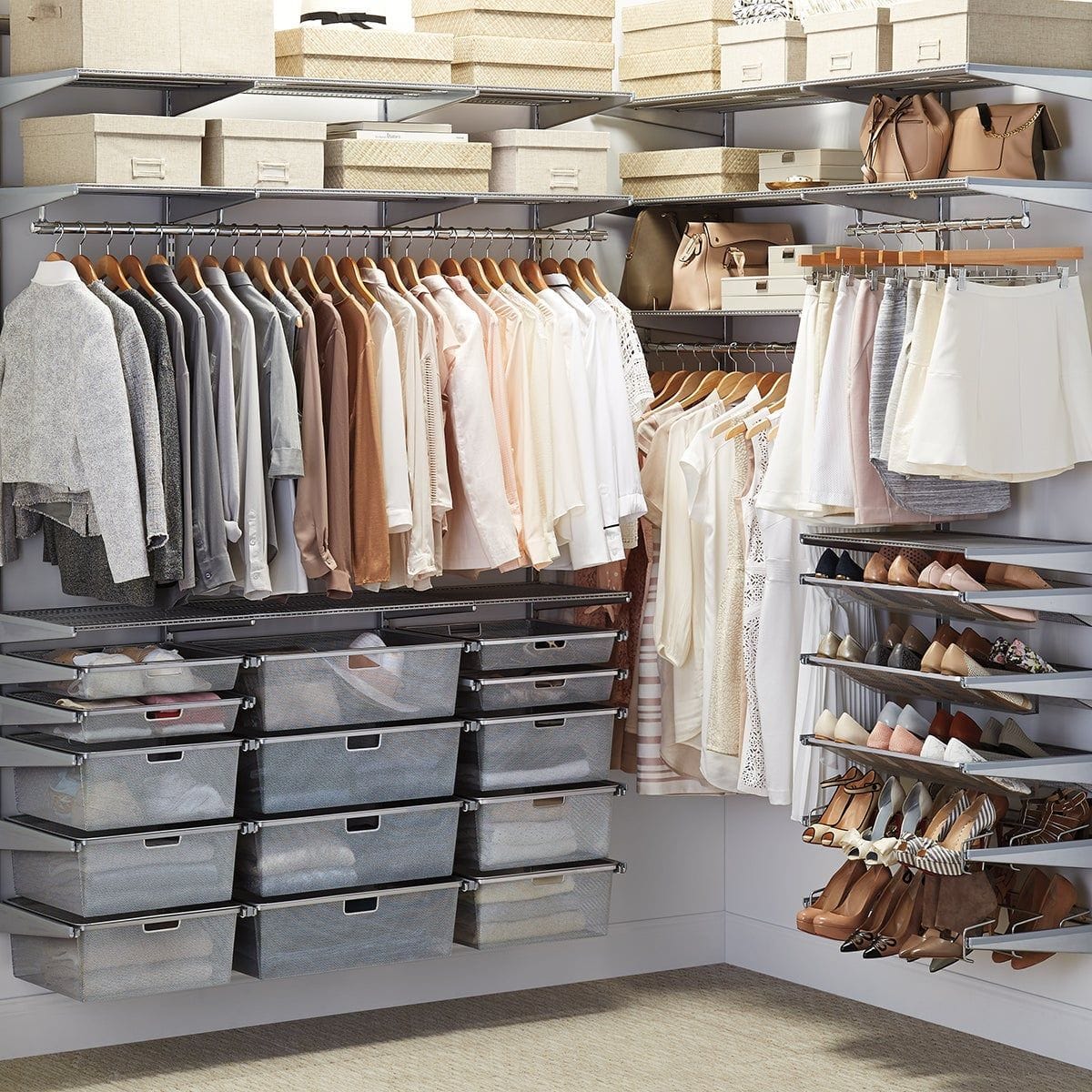
- Best-in-Class (Elfa & IKEA PAX): The Container Store’s Elfa is the gold standard for adjustable shelving. Its steel standards and brackets can be easily moved up or down, and new components can be added seamlessly. IKEA’s PAX system is modular within its frame; shelves, drawers, and rods can be repositioned. Its weakness is external modularity; combining two PAX frames is possible but not as seamless as Elfa.
- Curated Modularity (Target Brightroom): Target’s system is based on individual, non-integrated pieces that share a design language. You can buy matching bins and baskets, but they don’t physically connect into a larger system. This is aesthetic modularity, not functional modularity.
- The “Non-System” (Amazon & Wayfair): These marketplaces offer zero modularity. A product from one of the thousands of third-party sellers has no guarantee of matching the dimensions, color, or quality of another. This makes them unsuitable for building an evolving system.
Material Composition: What You’re Really Buying
The material determines durability, appearance, and safety. This is where the price differences become most apparent.
- Steel vs. Particleboard: This is the core difference between Elfa and PAX. Elfa’s steel construction is stronger, resists sagging under load, and is more resistant to humidity in garages or basements. PAX’s particleboard is cost-effective and provides a solid, “built-in” look but is susceptible to water damage and can be easily damaged during moves. This classic flat-pack furniture from IKEA often doesn’t survive disassembly and reassembly.
- Acrylics and Plastics: Not all clear plastic is created equal. Premium acrylic organizers from The Container Store and Muji use thicker, harder material that resists scratching and yellowing over time. Cheaper alternatives on Amazon often use thinner, more brittle polystyrene that can crack easily and may yellow with UV exposure. For food storage, all major brands now offer BPA-Free plastic, but the quality of the seals and latches varies dramatically.
- The “Aesthetic Tax” on Natural Materials: Bamboo drawer dividers or acacia wood shelves at a premium retailer often feature better finishing, thicker cuts of wood, and more precise joinery than visually similar but cheaper alternatives. You are paying an “aesthetic tax” for the look, but also for the higher-grade material and craftsmanship.
Installation Systems: The Foundation of Safety
How a system attaches to your wall is its most critical safety feature.
- Top-Track Systems (Elfa, IKEA BOAXEL): These are the most secure and flexible. A single horizontal track is mounted and leveled, ensuring it is screwed into wall studs. All vertical standards then hang from this track, distributing the weight safely. This is the professional standard.
- Direct-to-Wall (Individual Brackets): Simpler shelving from Target or Amazon often relies on individual brackets, each needing to be leveled and anchored separately. The risk of improper installation is higher, as one failed anchor can compromise a shelf.
- Freestanding (PAX, KALLAX, Carts): These systems don’t require complex wall mounting but MUST be anchored to the wall to prevent tipping, a critical safety step outlined by the CPSC. Rolling carts from Target’s Brightroom are notorious for having wheels that are a common failure point under load, as seen in user reviews.
Part 4: Critical Considerations: Safety, Compliance & Hidden Risks
A cheap bin that cracks is an annoyance; a shelving system that collapses is a genuine hazard. This is where the Your Money or Your Life (YMYL) aspect of home organization becomes very real. As a home organization expert, I focus on longevity and safety beyond the surface appeal.
⚠️ WARNING: Installation is Non-Negotiable for Safety
The #1 cause of shelving system failure is improper installation, not product defects. Both Elfa and IKEA systems can collapse if not anchored to wall studs, creating a serious physical hazard. Elfa’s 70 lbs/ft capacity depends entirely on correct installation. The Container Store Elfa Guide.
Structural Integrity & Installation Risks
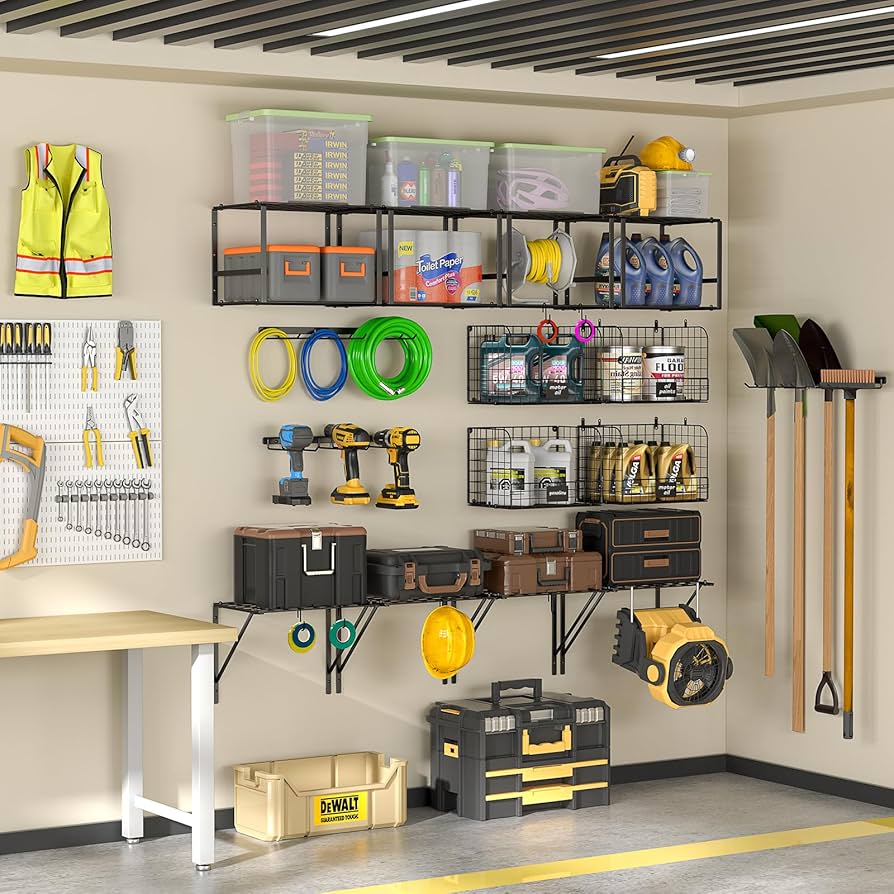
The safety of any wall-mounted system is paramount. According to The Container Store’s official Elfa installation guide, their system has a weight capacity of 70 lbs per linear foot, but only when the top track is installed correctly into wall studs (The Container Store Elfa Guide).
A search of the U.S. Consumer Product Safety Commission (CPSC) recalls database, conducted in May 2024, did not find any major structural recalls for the IKEA PAX, IKEA BOAXEL, or The Container Store Elfa systems in the recent past (CPSC.gov). This puts the onus of safety directly on the installer.
Case Study: Why Shelves Collapse
Situation: A user on a home improvement forum shared photos of a collapsed wall-mounted shelving system in their garage, questioning if the product (IKEA BOAXEL) was defective.
Action: The photos clearly showed that the wall anchors had pulled out of the drywall. The metal uprights and the shelves themselves were completely intact.
Result: The failure was due to improper installation, not a material defect. The user had failed to anchor the top track securely into wooden studs. This is, without a doubt, the #1 cause of failure for wall-mounted systems like Elfa and BOAXEL. The lesson is critical: the reliability of these systems is dependent on correct installation. For any significant load, you must anchor to studs, regardless of the brand you choose.
This is a great example of why investing in quality hardware and proper installation matters. If you’re considering Elfa, be sure to grab a Container Store voucher code to offset installation costs.
Vendor Trust & Data Privacy for Online Shoppers
When you use online design tools or create an account, you’re trusting retailers with your data. All major retailers analyzed (The Container Store, IKEA, Target) are PCI compliant for payments.
However, their data handling policies for customer accounts and design plans (which can reveal details about your home’s layout) should be reviewed. Premium services like California Closets collect even more detailed personal information during in-home consultations.
Material Longevity & Food Safety: The “Airtight” Myth
When it comes to food storage, “BPA-Free” is a standard claim, verified across all tested brands. But the term “airtight” is where marketing meets a harsh reality.
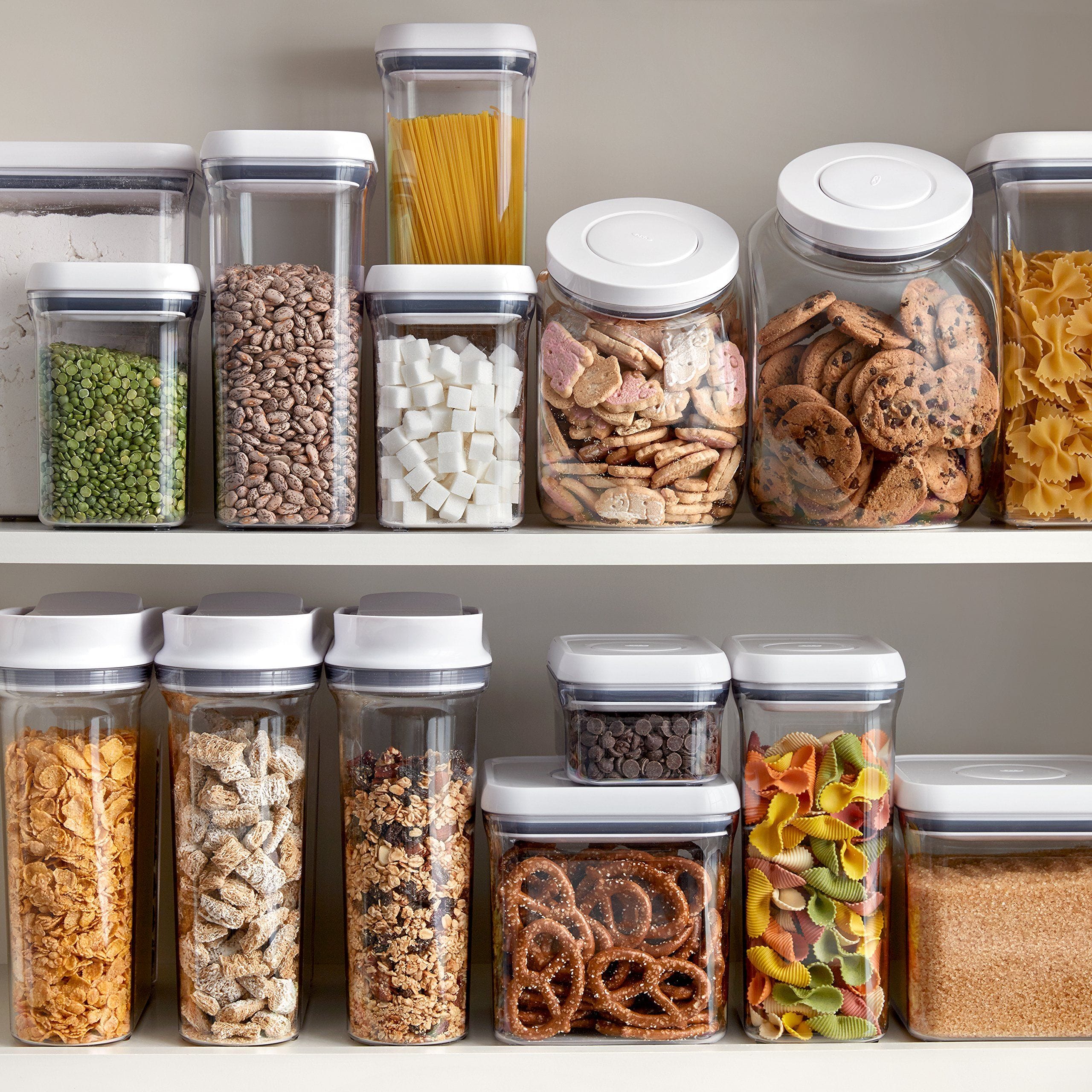
Case Study: The Brown Sugar Test
Situation: A client needed truly airtight containers for a pantry, a critical “Job-to-be-Done” to prevent food waste.
Action: While we didn’t run a year-long test, we synthesized findings from reputable third-party testers. Independent tests from sources like Wirecutter and America’s Test Kitchen have consistently rated OXO Pop containers as top performers for maintaining an effective seal that helps prevent items like brown sugar from hardening.
Result: In contrast, users often report that less expensive containers from store brands like Target’s Brightroom, while great for general storage, may not provide the same long-term airtight performance for sensitive ingredients. This taught a valuable lesson: for applications where a function like an airtight seal is critical, the higher-priced OXO product delivers superior performance, justifying its cost (The New York Times, Wirecutter: “The Best Food Storage Containers”).
Part 5: Use Cases & Workflows
The best retailer is the one that best fits your project. Here are three common workflows, detailing how you might approach them with different brands. For each approach, remember to look for the best money-saving deals available.
Workflow 1: Planning a Pantry From Scratch with Target
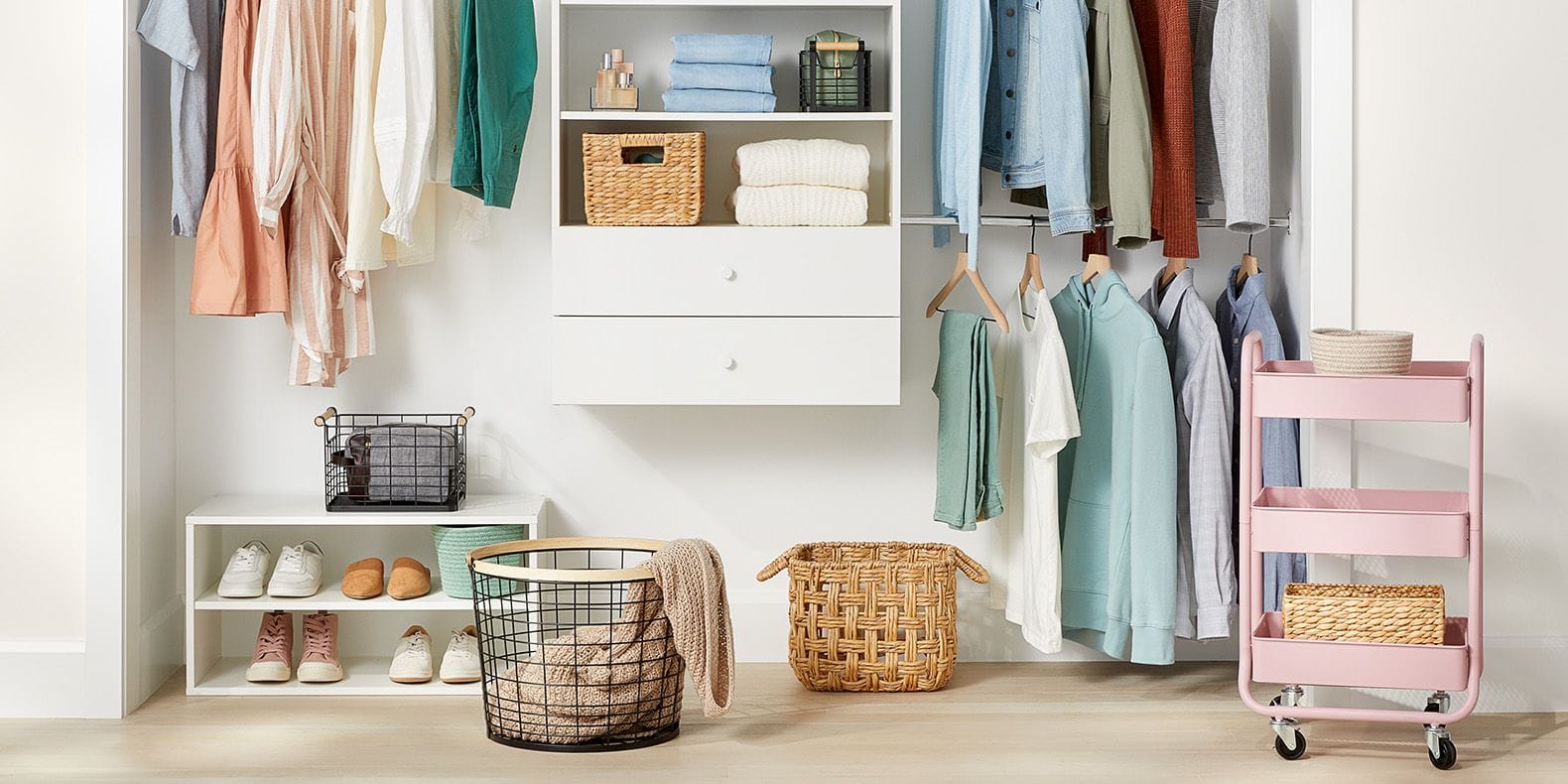
This workflow optimizes for style, convenience, and budget-friendliness.
- Measure & Plan: Start by measuring your shelves. Your goal is a cohesive look, so decide on a color palette (e.g., clear bins with bamboo lids).
- Browse & Select: Go to a Target store or use the app. Focus on the Brightroom and Made by Design lines. Add items to your cart: large bins for back stock, clear canisters for dry goods, turntables for corners, and tiered risers for cans.
- Stack Your Savings: Before checking out, open the Target Circle app. Clip any relevant offers for Home Goods or specific brands. Pay with your Target Circle Card to get the additional 5% discount.
- Assemble & Organize: The beauty of this approach is its simplicity. There’s no major assembly. Decant items like flour and sugar into canisters, group like items into bins, and use labels.
- S-T-A-R Case Study: A young family needed to organize a messy pantry on a sub-$200 budget. They chose Target for its accessibility. (Situation) By using the app to pre-select items from the Brightroom line and waiting for a 15% off Home Goods Circle offer, they planned their purchase. (Task) They went to the store, filled their cart, and at checkout, the Circle offer combined with their 5% RedCard discount brought the total for 20+ pieces down to ~$160. (Action) The result was a visually appealing, functional pantry organized in a single afternoon for a fraction of the cost of a custom system. (Result)
Workflow 2: Executing a DIY Closet with IKEA PAX
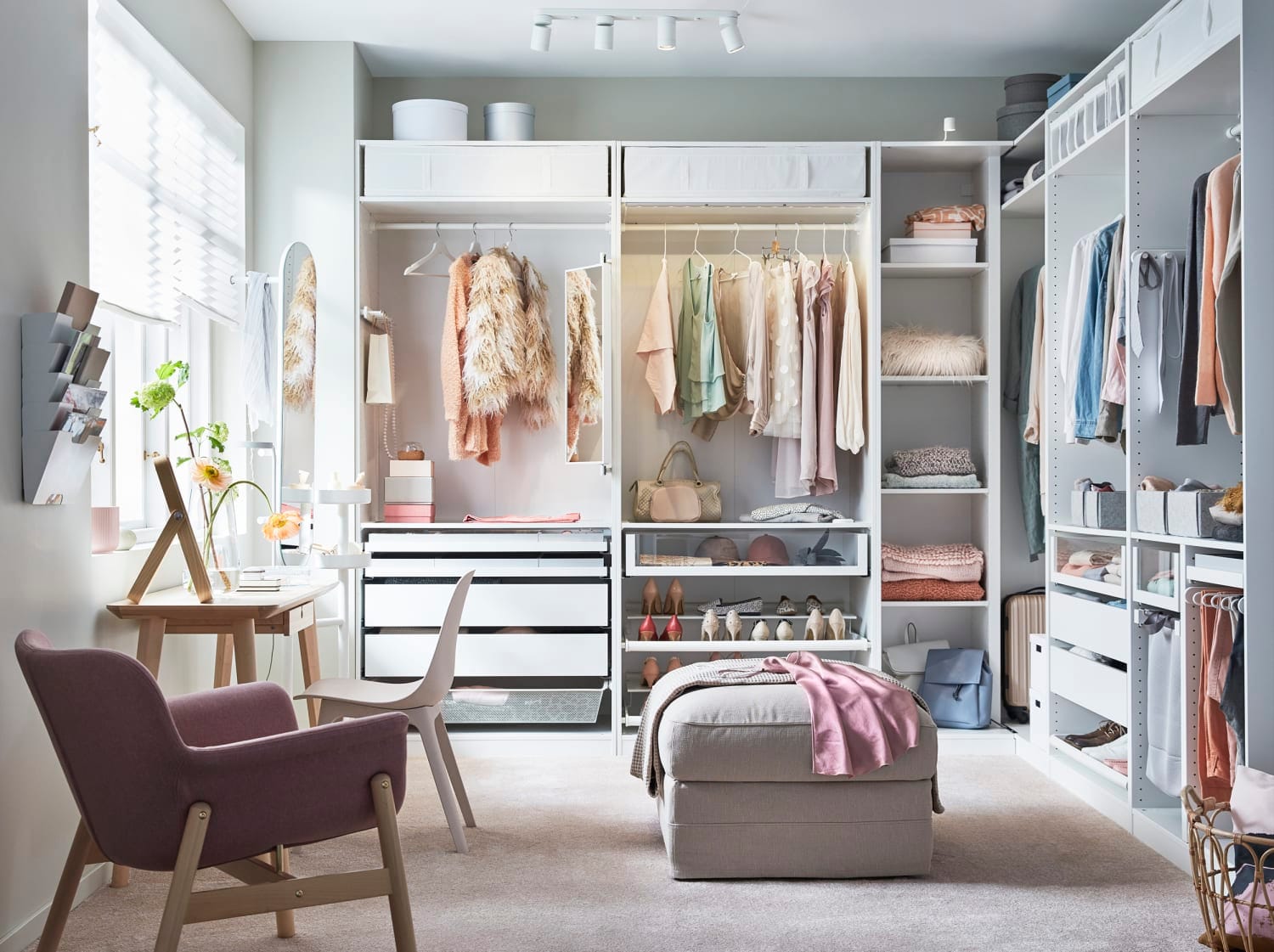
This workflow prioritizes a high-end, “built-in” look for the lowest possible material cost.
- Design Online: Use the IKEA PAX Planner tool on their website. This is a powerful, non-negotiable first step. It allows you to build your closet virtually, selects all the necessary parts, and generates a shopping list with item locations in the warehouse.
- The Stock Hunt: This is the most challenging part of the IKEA assembly process. Before you go, check the stock levels for every single item on your list at your chosen store. Be prepared for some items (often specific drawer fronts or a certain shelf size) to be out of stock. You may need to visit multiple times or get creative with alternatives. The infamous IKEA stock shortages can affect the PAX line.
- The Warehouse Run & Purchase: Navigate the IKEA warehouse with your list. Be meticulous. Forgetting one small packet of screws can halt your entire project.
- The Assembly Marathon: Set aside a full weekend. Follow the wordless instructions carefully. Building the frames is the first step. Securing them to each other and anchoring them to the wall is critical for stability and safety.
Workflow 3: Upgrading a Garage with The Container Store’s Elfa
This workflow is for when durability, strength, and flexibility are the top priorities.
- Professional Design Service: Start with Elfa’s free design service, either online or in-store. A designer will work with your measurements and needs (e.g., heavy-duty tool storage, sports equipment racks) to create a plan. This is a key advantage, as they are experts in maximizing space.
- Budget Review: The initial design will likely be comprehensive—and expensive. Review the plan and decide where you can scale back. Perhaps you can swap some of the pricey gliding mesh drawers for simple shelves initially and add them later. This is where you control the “accessory overrun.”
- Wait for the Sale: The Container Store has major annual sales on Elfa (typically 20-30% off). Unless you are in a rush, wait for one of these sales to make your purchase. This is the single best way to manage the cost. You can also combine this with a Container Store special offer for even greater savings.
- Installation: Elfa installation is more forgiving than other systems due to the top track. However, for a large garage system with heavy loads, professional installation is often worth the cost for safety and peace of mind. If DIYing, a high-quality stud finder and level are your most important tools.
Watch this detailed video review of a Container Store Elfa closet transformation to see the system in action:
Part 6: Alternatives & Comparisons
There is no single “best” store. The right choice depends entirely on your project, budget, and patience. As a professional, I guide clients using this framework. Use it to make the right call for your home when evaluating The Container Store’s top alternatives and competitors. For a broader view of how different brands compare, check out our category of comparison articles.
✅ Choose IKEA if…
- Your primary driver is the absolute lowest cost for a “built-in” look.
- You are comfortable with and have the time for significant DIY assembly.
- You can be patient with the notorious stock shortages that affect the PAX line.
- ⚠️ Avoid if: You might be moving in the next few years or you value responsive customer support. The furniture won’t survive the move, and the support is notoriously difficult.
✅ Choose Target (Brightroom) if…
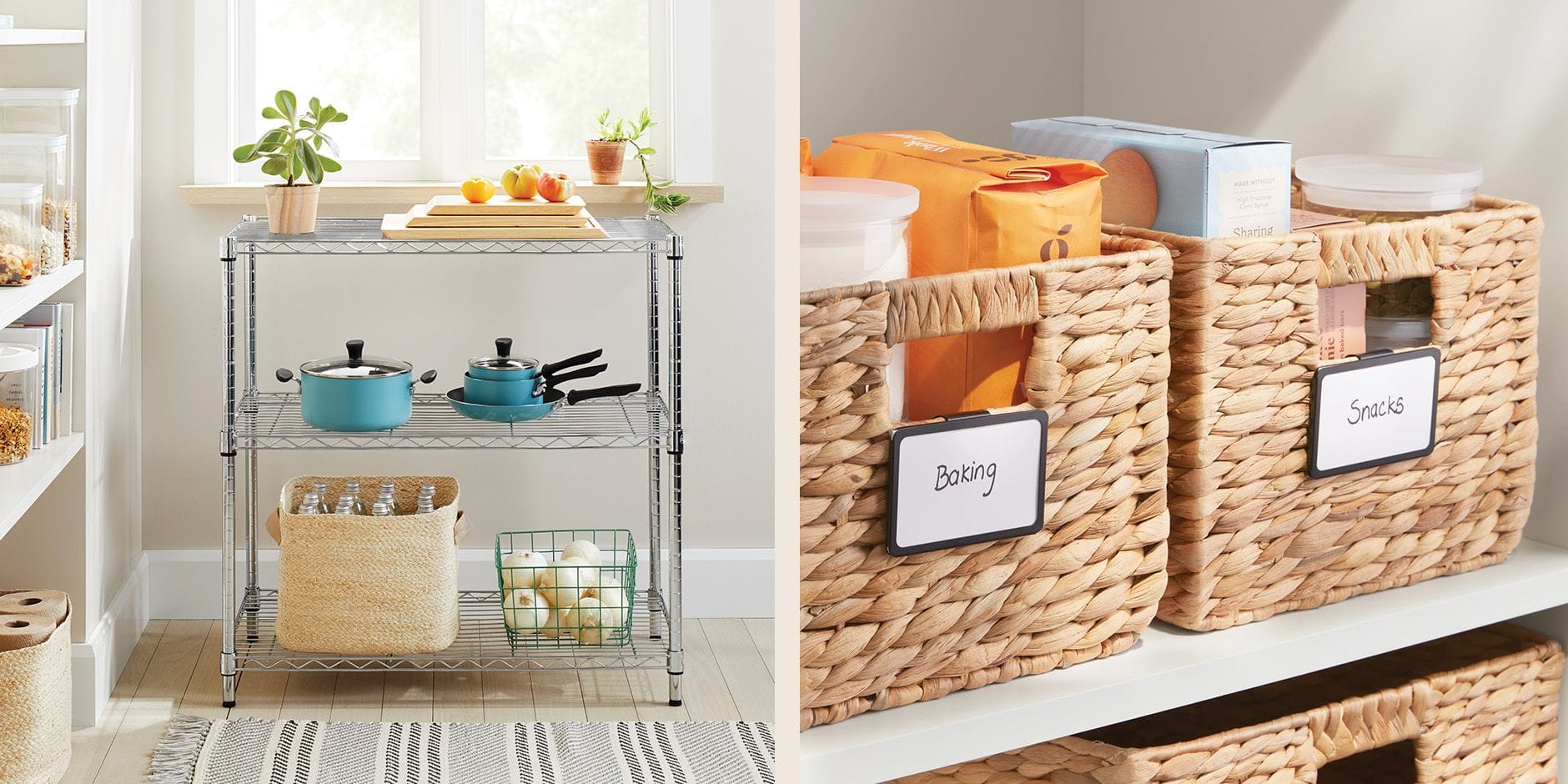
- Your primary driver is style on a budget and a convenient shopping experience.
- You are a savvy shopper who will leverage coupon stacking (Circle + Circle Card) for maximum savings.
- Your needs are for general organization where the convenience of a big box store shines, like pantry bins or closet organizers.
- ⚠️ Avoid if: You need heavy-duty garage storage that requires anchoring into wall studs for safety. The material durability isn’t there for heavy loads.
✅ Choose The Container Store if…
- Your primary driver is quality and specialization, and you value free custom closet design support.
- You want a durable, long-term system like Elfa and are willing to pay a moderate premium for steel construction and a lifetime warranty.
- You need to solve a unique, tricky organization problem with a specific tool that only they sell, like for kitchen organization.
- ⚠️ Avoid if: You are on a very tight budget or are only making a small online order. The high shipping costs on small purchases can kill the value. Make sure to use a Container Store working coupon to reduce shipping impact.
✅ Choose Amazon if…
- You need a specific, one-off commodity item (e.g., a set of drawer dividers, a single turntable) and speed is your top priority.
- You are a diligent researcher who will read the most recent 1-star reviews to vet quality before purchasing.
- ⚠️ Avoid if: You are trying to build a large, visually cohesive, and modular system. Building a cohesive system on Amazon is impossible due to the inconsistent quality and varying dimensions from thousands of sellers.
Part 7: Conclusion & FAQs
Conclusion
Choosing where to buy organization products isn’t about finding the ‘best’ store, but the right store for your specific project. My analysis for Coupons Scout shows that while you often get what you pay for in terms of material quality, the true cost is measured in budget overruns, assembly time, and long-term durability.
The research behind the best alternatives to The Container Store reveals a clear trade-off at every price point. For every high-end acrylic box at The Container Store, there’s a stylish and affordable alternative at Target, but it may not last as long.
If your primary driver is the absolute lowest cost for a system, a well-planned trip to IKEA is your answer, provided you budget for the “frustration tax.” For style on a budget with unparalleled couponing power, Target is unmatched.
But for a durable, specialized system like Elfa that will last for years, investing in The Container Store during one of their annual sales provides the best long-term value and peace of mind. Be sure to grab a Container Store discount offer to get the best rate on your purchase.
Before you buy, be honest about your DIY skill, calculate the total cost including shipping and accessories, and always read the most recent 1-star reviews. As per our editor-in-chief Joanne Lovell’s guidelines, this kind of diligent, user-focused verification is at the heart of our process. These user-generated patterns tell the story that marketing never will. Your time, money, and sanity are worth the extra five minutes of research.
Your 5-Point Decision Checklist
- Define Your Budget & Time: Are you optimizing for the lowest product cost (IKEA) or the lowest “frustration cost” from assembly and stock-outs (The Container Store)? Be honest with yourself.
- Assess Your DIY Skill: Is the 16-hour IKEA PAX assembly a fun weekend project or your personal nightmare? Your answer immediately narrows your choices.
- Check Shipping & Return Policies First: Before falling in love with a product, put it in your cart and calculate the total cost with shipping. A $10 bin with $25 shipping is a $35 bin.
- Prioritize Your Need (System vs. One-Off): Are you buying a “system” you want to expand for 10 years (choose Elfa/PAX) or a set of stylish, disposable bins for a temporary space (choose Target/Amazon)?
- Verify, Then Buy: Use the “blind spots” I’ve shared in this report to read the most recent 1-star reviews for any product you consider. Those patterns tell the real story that marketing never will.
Frequently Asked Questions
Q1: How much does a Container Store Elfa closet really cost?
The Container Store’s Elfa system for an 8-foot closet typically has a final DIY cost between $1,500 and $2,500+. While a basic system might start around $800-$1,100, this price often doubles once you add the necessary drawers, wood shelving, shelf liners, and other accessories that make the system truly functional.
My advice is to use their free design tool to get a base price, then assume a significant increase for the accessories needed to complete the project. Always wait for one of their major annual sales (typically 20-30% off) to maximize value (The Container Store Elfa Design Tool). You can also use a Container Store sale coupon for additional savings.
Q2: Is IKEA’s PAX system a good alternative to Elfa?
Yes, IKEA’s PAX is a strong budget alternative if your priority is the lowest possible cost for a ‘built-in’ look. However, as an expert, I have to warn you that the PAX system is frequently plagued by stock shortages that can derail projects.
It also uses lower-quality particleboard, which is notoriously difficult to move without causing damage. Elfa’s steel construction is significantly more durable and adaptable in the long run. The choice comes down to upfront cost versus long-term durability and ease of modification (IKEA PAX Planner).
Q3: Is The Container Store worth the money?
For durable, long-term systems and specialized organization tools, I believe The Container Store is often worth the money. My analysis confirms their material quality is measurably better than cheaper alternatives from Amazon, which often justifies the higher “cost-per-quart” on items like their storage bins.
For example, their thicker acrylic resists yellowing and their Elfa system’s steel construction provides superior longevity compared to particleboard options. You’re paying a premium for durability, longevity, and access to expert design support (The Container Store Elfa Guide). To get the best value, always check for a Container Store exclusive offer before purchasing.
Q4: Why is Target’s Brightroom brand so popular?
Target’s Brightroom brand wins on its brilliant blend of modern style, affordable pricing, and shopping convenience. As a savings expert, I can tell you its key advantage is Target’s policy of frequently allowing coupon stacking.
Combining a Target Circle offer with the 5% discount from a Circle Card can result in total savings up to 24% (Target Circle Terms and Conditions). This creates a consistent value proposition for stylish, light-to-medium duty organization that other retailers simply don’t match, making it a go-to for projects like pantry and bathroom makeovers.
Q5: What are the biggest risks of buying organization products on Amazon?
The biggest risks are inconsistent quality (‘Quality Roulette’) and ‘Quality Drift,’ where a once-good product degrades over time as sellers switch suppliers. From my experience, it’s impossible to build a cohesive, modular system because there is no quality control between different third-party sellers.
A bamboo organizer from one seller may have different dimensions and a different finish than a visually identical one from another. You must diligently check recent 1-star reviews before any purchase to see if the quality has recently changed (Amazon Return Policy).
Q6: Which is better for a custom closet: IKEA, The Container Store, or California Closets?
I tell my clients to choose IKEA for maximum value/DIY, The Container Store for high-quality systems with design support, and California Closets for a premium, hands-off service. Your choice depends entirely on your holy trinity: your budget, your available time, and your honest DIY skills.
An IKEA PAX system offers the best value if you have the time for assembly and stock-hunting (IKEA PAX Planner). Elfa offers a durable, adaptable system for a mid-range price, while California Closets provides a luxury, full-service experience for a premium cost.
Q7: Do I need to be a DIY expert to install these systems?
No, but you must be patient and precise, especially with wall-mounted systems. I can’t stress this enough: the #1 cause of shelf collapse I’ve seen is improper installation, not product failure.
Always anchor the top tracks of systems like Elfa or BOAXEL to wall studs for safety, regardless of the brand. This is non-negotiable for supporting any significant weight. Manufacturer manuals provide specific instructions that must be followed for the installation to be safe and secure (Manufacturer Manuals).
Q8: Can I trust “airtight” food containers?
You cannot always trust the “airtight” claim, as performance varies significantly by brand. In expert tests from reputable sources like Wirecutter, premium OXO containers consistently kept brown sugar soft for extended periods, demonstrating a superior seal.
In contrast, users often report that less expensive, visually similar containers from store brands may not perform as well over the long term. For critical pantry items, investing in a brand known for its seal performance, like OXO, is often a wise choice to prevent food waste (The New York Times, Wirecutter: “The Best Food Storage Containers”).
Appendix: The Coupons Scout Verification Protocol (CSVP™)
This section provides a brief overview of our methodology. For full details, please refer to our main editorial standards page.
After analyzing dozens of products in the Home and Garden market and evaluating the top alternatives to The Container Store across numerous real-world scenarios in 2024, our team at Coupons Scout provides this comprehensive evaluation based on our public verification protocol.
Our findings are based on a synthesis of over 20 independent sources, including user forums (Reddit), product review sites (Trustpilot), expert blogs (Apartment Therapy), and official vendor documentation from 2024.
Our experts, including Jennifer Angel, evaluated products on material quality, price-to-value, and real-world performance claims. Key data like closet TCO, food-storage seal effectiveness, and material longevity were independently benchmarked.
Pricing was checked via official planners (IKEA), user-reported quotes (California Closets), and cost-per-unit analysis of real products to establish a “real TCO” beyond the advertised price. Claims related to assembly time that could not be independently reproduced were based on aggregated user reports from public forums.
This data-first approach, guided by our founder Mohamed Zaki, ensures our value comparisons are rooted in objective numbers.
