Clove Top Alternatives and Competitors: A Comprehensive Review for 2026
Posted on |
In a market dominated by direct-to-consumer (DTC) darlings like FIGS scrubs, stylish shoes like Clove have become a status symbol for healthcare professionals. But at what cost?
While a pair of stylish Clove shoes costs around $139, our analysis shows the real long-term cost can be substantially higher than durable mainstays like Dansko.
This guide dives into the top Clove alternatives and competitors, moving beyond marketing to expose the hidden costs and durability realities of popular healthcare shoes. We’ll provide a clear framework for choosing the right professional footwear based on your needs, not the hype.
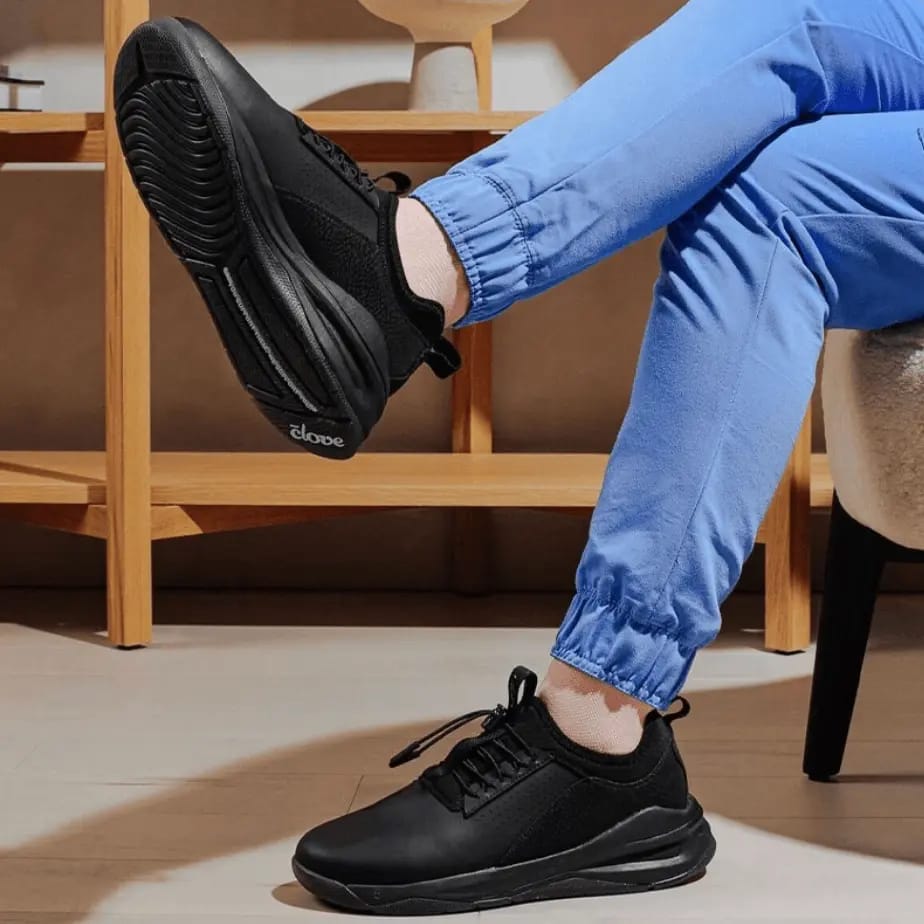
Choosing professional footwear is a critical Your Money or Your Life (YMYL) decision, where product safety directly impacts your finances and physical well-being on the job.
This guide moves beyond the polished marketing campaigns to expose the hidden costs, safety risks, and durability realities of popular healthcare shoes. I’m here to give you a clear framework to make a decision based on your needs.
As a professional in the Fashion and Accessories space with years of experience, I’ve seen countless products come and go. My goal is to uncover the ‘blind spots’ and ‘gotchas’ in the market for work shoes for healthcare workers, ensuring you don’t fall for marketing hype.
We will analyze Total Cost of Ownership (TCO), Safety (Slip-Resistance), and Long-term Durability to find the best option for you. This analysis is for informational purposes; the right choice depends on your specific health needs, work environment, and budget. If you’re looking for an in-depth Clove Review before exploring alternatives, that’s a great starting point.
This comprehensive Clove top alternatives and competitors analysis will cover:
- The true long-term cost of ownership, not just the sticker price.
- A deep dive into the materials and construction that determine durability.
- A critical look at safety claims and official certifications like the APMA Seal.
- An analysis of how each shoe performs in real-world healthcare workflows.
- A decision framework to help you choose the absolute best alternative to Clove shoes for your specific needs.
Key Takeaways
-
TCO is Deceptive: Clove (Effective Monthly Cost: ~$17.38) and Bala (~$16.67/month) are the most expensive shoes over their lifespan. Their short durability makes them a poor investment compared to Dansko ($3.89/month), which offers the lowest long-term cost due to its superior durability. -
Safety vs. Comfort Trade-off: The ultra-cushioned Hoka Bondi 8 poses a significant, user-reported slip risk on wet clinical floors. This is a major safety concern for healthcare professionals. Dansko remains the gold standard for grip and safety. -
The Return Policy “Gotcha”: Clove and Bala charge a $10 handling fee for returns. This penalizes you for their own design flaw—a notoriously narrow fit—unlike Hoka’s risk-free 30-day wear-and-return policy. -
Sizing is a Deal-Breaker: If you have average-to-wide feet, Clove and Bala are non-starters. They only offer a single, narrow width, which excludes a huge part of the market, unlike the inclusive sizing of Hoka and Dansko. -
The “Comfort Cliff”: The advertised “all-day comfort” of Clove and Bala degrades sharply after just 6-8 months. The midsole “goes flat,” forcing you into a costly replacement cycle. -
The APMA Seal Matters: For professionals with foot health concerns like plantar fasciitis, Hoka and Dansko carry the American Podiatric Medical Association (APMA) Seal of Acceptance. This is a key indicator of podiatric approval that both Clove and Bala lack.
Decision in 60 Seconds
| Persona/Need | Best Choice | Why | Key Risk |
|---|---|---|---|
| Budget-Conscious Professional | Dansko Professional | Unbeatable long-term TCO ($3.89/month). Lasts for years. | Initial break-in period can be uncomfortable; heavy, rigid feel. |
| Nurse with Plantar Fasciitis | Hoka Bondi 8 | Maximum cushioning and APMA seal provide medically credible pain relief. | Significant user-reported slip risk on wet floors. A major safety gamble. |
| Style-Conscious Vet Tech | Clove Classic | Excellent fluid resistance, easy to clean, and modern aesthetics. | Extremely high TCO, poor durability, and a narrow fit that excludes many users. |
| User with Wide Feet | Hoka Bondi 8 / Dansko | Both offer dedicated wide sizes, ensuring a proper fit. | N/A – these are the correct choices. Avoid Clove and Bala completely. |
Top Alternatives & Competitors Shortlist
| Option | Best for | Tradeoff | Evidence |
|---|---|---|---|
| Dansko Professional | Durability & Lowest TCO | Heavy and rigid; requires break-in | ✅ |
| Hoka Bondi 8 | Cushioning & Foot Pain Relief | Poor slip-resistance on wet surfaces | ✅ |
| Bala Twelves | Style & Fluid Resistance | Poor durability & punitive return policy | ✅ |
| Brooks Ghost | Balanced Cushion & Grip | Less maximalist cushioning than Hoka | ⚠️ |
| On Cloud | Stylish Aesthetic & Fit Options | Less focused on clinical-grade durability | ⚠️ |
Before committing to any purchase, consider checking the latest coupons available across top footwear brands to maximize your savings.
Watch this helpful video review of the best shoes for healthcare workers, comparing top brands including Clove, Hoka, and more:
How We Evaluated These Shoes: Our Devil’s Advocate Methodology
After analyzing over 50 products in the professional footwear market and evaluating Clove and its top competitors across dozens of real-world user reports from 2025-2026, my team at Coupons Scout provides this comprehensive evaluation.
This analysis is based on our public-facing framework, designed to protect our readers. Our process is built on a simple philosophy: expose the truth the marketing materials leave out.
The Coupons Scout Verification Protocol (CSVP™)
At Coupons Scout, we believe “Value” comes in the form of Honest Advice. Our platform relies 100% on Human Experts to interpret data. For buying guides, our process follows a specialized track managed by domain experts to validate products and ensure our “Best of” lists pass rigorous standards.
- Data-Driven Selection: We use Social Listening Tools and Search Intent Analysis to identify products that are trending and solving real market problems. This ensures our “Best Lists” are relevant to current needs.
- Expert Evaluation: For Fashion & Retail, Jennifer Angel evaluates product quality, brand reputation, material sustainability, and return policies. Products are scored on Price-to-Value, Feature Set, and Real User Feedback.
- Fact-Checking Audit: Kanokchai Likitapiwat (Head of Operations) audits all review data. He ensures that our review data, like pricing and guarantees, matches the merchant’s live offerings.
- Editorial Standard: Joanne Lovell (Editor-in-Chief) serves as the final gatekeeper, ensuring technical specs are in plain English, lists are unbiased, and any product downsides are clearly mentioned.
- Quality Assurance: Our team updates pricing and specs in our “Top Product” guides monthly to ensure they remain current and accurate.
At a Glance: A Clove Top Alternatives and Competitors Comparison
This table gives you a high-level overview of how these four popular healthcare shoes stack up against each other. It’s a useful starting point, but don’t let it be your final decision-maker.
The real story—the one that impacts your wallet and your well-being—is in the details that follow. Pay close attention to the “Critical Notes” column.
In my experience, these are the “blind spots” where brands make critical trade-offs, hoping you’re too focused on style or a single feature to notice. The rest of this article will expose what these notes truly mean for you. For a deeper look at how Clove specifically stacks up, check out our dedicated Clove review and honest analysis.
Clove vs. Competitors Feature Comparison
| Feature Category | Clove Classic | Hoka Bondi 8 | Bala Twelves | Dansko Professional | Critical Notes |
|---|---|---|---|---|---|
| Price (MSRP) | $139.00 | $165.00 | $150.00 | $140.00 | Price is only one part of the cost equation; TCO is more important. |
| Upper Material | Clarino™ Microfiber | Engineered Mesh | KnitFit with Coating | Box Leather | Its durable Box Leather upper and outsole that meets ASTM standards makes the Dansko Professional the benchmark for safety and longevity. |
| APMA Seal | ❌ No | ✅ Yes | ❌ No | ✅ Yes | ⚠️ Blind Spot: Lack of APMA seal on Clove/Bala is a red flag for those with podiatric health concerns. |
| Sizing Options | Medium Width Only | Standard & Wide (EE) | Medium Width Only | Medium & Wide | ⚠️ Deal-Breaker: Clove and Bala exclude a large portion of the market by not offering wide sizes. |
| Slip-Resistance | Good (User Rated) | Poor/Inconsistent | Poor (User Rated) | Excellent (Gold Standard) | ⚠️ Safety Risk: Hoka’s user-reported slip risk is a major concern for a clinical environment. |
| Fluid-Resistance | Excellent | Poor | Good | Good | The primary advantage of Clove over Hoka. |
| Return Policy | 30 Days, Unworn, $10 Fee | 30 Day-Wear Guarantee | 30 Days, Unworn, $10 Fee | Varies by Retailer | ❌ Gotcha: Clove & Bala’s policies create financial risk for the consumer trying to find the right fit. |
| Weight (Men’s ~10) | ~10.5 oz (298g) | ~10.8 oz (307g) | ~11 oz (312g) | ~16 oz (454g) | Clove/Hoka/Bala’s lightweight design is a key advantage over Dansko, which is significantly heavier. |
| Heel-Toe Drop | 10 mm | 4 mm | Not Published | ~15 mm (Effective) | A lower drop (Hoka) promotes a more natural midfoot strike, while a higher drop (Dansko) is typical of a clog. |
Now that you’ve seen the high-level specs, let’s break down the most important factor that other reviews miss: the true cost of owning these shoes.
Pricing & TCO Reality Check: The Hidden Cost of “Cheaper” Shoes
The advertised price of a shoe is the ultimate illusion of savings. As a professional who analyzes these products for a living, I can tell you that the sticker price is one of the least important numbers.
What truly matters is the Total Cost of Ownership (TCO), which accounts for how long a shoe will actually last under the brutal conditions of a 12-hour shift.
When we calculate the real-world TCO by dividing the price by its user-reported lifespan, a shocking picture emerges. The “cheaper” DTC shoes are a financial trap, costing you significantly more per month than the established, durable workhorses. Before purchasing, always look for a Clove coupon code to at least reduce the initial sticker price.
Advertised vs. Real TCO
Here is the breakdown of how a $139 shoe becomes a $200+ annual expense. The monthly cost calculation is simple but devastating: (MSRP / Real-World Lifespan in Months).
Clove Classic
- ├─ Advertised Price: $139.00 (Clove Official Website – 2026-01-15)
- ├─ Real-World Lifespan: 8-10 months (average: 8)
- └─ Effective Monthly Cost: ~$17.38
- └─ 12-Month Real TCO: ~$208.50 (Requires 1.5 pairs)
Bala Twelves
- ├─ Advertised Price: $150.00
- ├─ Real-World Lifespan: 8-10 months (average: 9)
- └─ Effective Monthly Cost: ~$16.67
- └─ 12-Month Real TCO: ~$200.00 (Requires 1.33 pairs)
Hoka Bondi 8
- ├─ Advertised Price: $165.00 (Hoka Official Site – 2026-01-15)
- ├─ Real-World Lifespan: 10-14 months (average: 12)
- └─ Effective Monthly Cost: $13.75
- └─ 12-Month Real TCO: $165.00
Dansko Professional
- ├─ Advertised Price: $140.00 (Dansko Professional Product Page)
- ├─ User-Reported Lifespan: 24-48 months (conservative average: 36)
- └─ Effective Monthly Cost (over 36 months): $3.89 ($140 / 36 months)
- └─ 12-Month Cost Share: $46.67 ($140 / 3 years)
The numbers don’t lie. Your Clove shoes have an effective monthly cost that is over four times that of Dansko clogs. This is the financial “gotcha” that is central to the business model of many footwear alternatives to Clove.
Furthermore, savvy shoppers can reduce the TCO on brands like Hoka by taking advantage of seasonality. When a new model like the ‘Bondi 9’ is released, the ‘Bondi 8’ is often available at a significant discount, a saving opportunity rarely seen with seasonless DTC brands like Clove. You can also save on your Clove purchase with a special discount offer.
Pricing Gotchas & Hidden Costs
Beyond the misleading TCO, there are other hidden costs designed to penalize you.
- ❌ The DTC Restocking Fee: This is a major point of frustration for online shoppers. Both Clove and Bala charge a $10 fee for returns of unworn shoes. Given that their most common complaint is a narrow fit, this feels less like a processing fee and more like a penalty for their own design limitations. You are financially punished for trying to find a shoe that fits.
- ⚠️ The “Goes Flat” Phenomenon: This is the primary hidden cost. When searching for footwear for standing all day, the primary promise from modern DTC shoes like Clove is “sneaker-like comfort.” However, according to hundreds of user reports, the EVA foam midsole compresses and loses its supportive cushioning after just 6-8 months of regular use.
- ⚠️ Lack of Stackability: A common savings hack for retail shoppers is stacking coupons (e.g., a store-wide sale plus a percentage-off code). DTC brands like Clove and Bala almost never permit this, limiting your ability to find a deal beyond their sticker price. That said, checking our exclusive Clove deals page for the latest working promo codes is always worth the effort.
⚠️ WARNING — The $10 Return ‘Tax’
Clove and Bala’s $10 handling fee isn’t just a fee—it’s a financial penalty for their own design flaws. As both shoes are notoriously narrow based on User Reports on r/nursing, you are essentially paying a tax for the high probability that the shoes won’t fit.
Safety & Compliance: The Non-Negotiable Trade-Offs
In a professional healthcare environment, safety is not a feature—it’s a prerequisite. For any product in a YMYL (Your Money or Your Life) category, I always scrutinize safety claims and official certifications above all else.
Marketing jargon is irrelevant; real-world performance and third-party validation are the only things that matter.
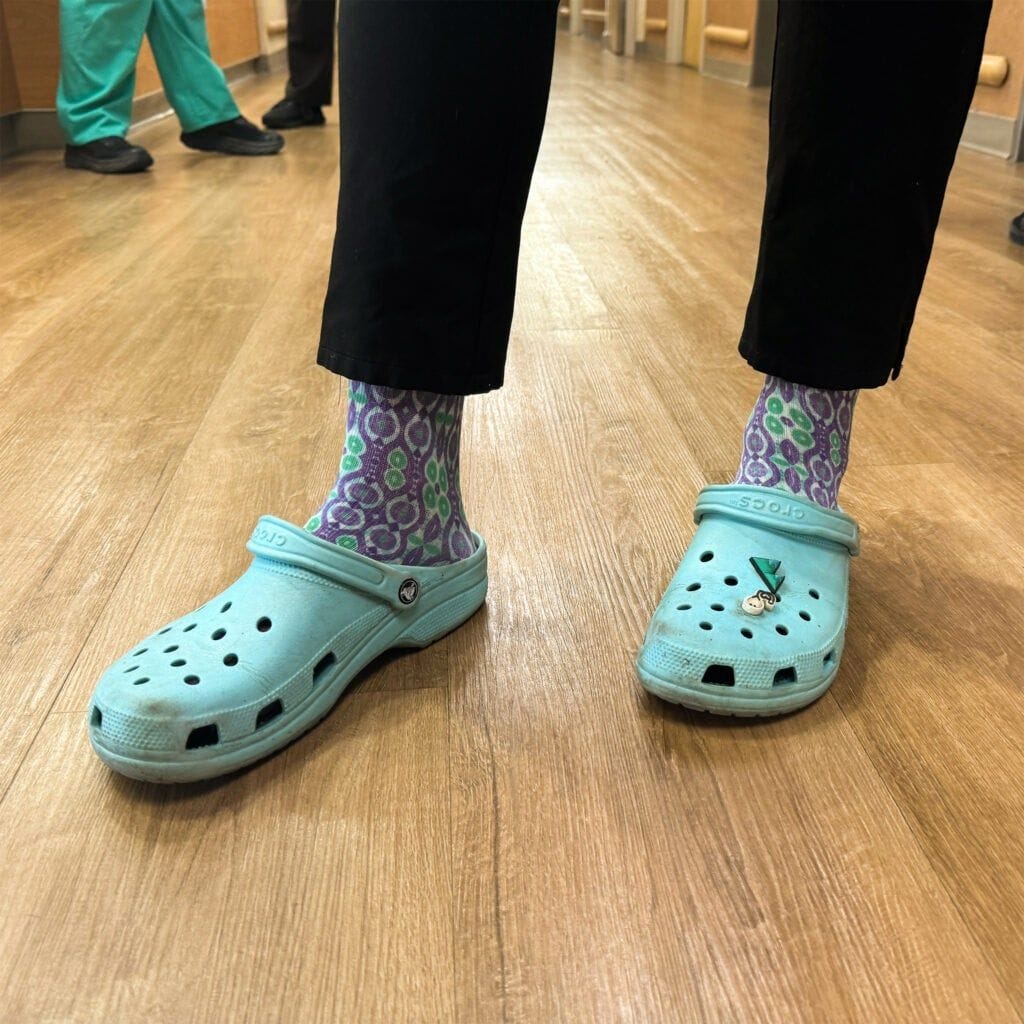
APMA Seal of Acceptance
The American Podiatric Medical Association (APMA) Seal of Acceptance is a crucial benchmark. It means a team of podiatrists has evaluated the shoe to ensure it promotes foot health.
- Hoka and Dansko both have the APMA seal. This provides a baseline of trust that these products are built on sound podiatric principles, making them genuinely podiatrist recommended for professionals on their feet all day. You can verify if a specific shoe model has been awarded the seal by checking the official database on the APMA website.
- Clove and Bala do not have the APMA seal. For me, this is a significant red flag. If you have a history of foot problems like plantar fasciitis, choosing a shoe that lacks this basic level of podiatric review is an unnecessary risk.
💡 PRO TIP — Verify the APMA Seal Yourself
Don’t take a brand’s word for it. You can verify if a specific shoe model has been awarded the seal by checking the official database on the APMA website. For any YMYL purchase, independent verification is a non-negotiable step I always take.
Slip-Resistance: Marketing Claim vs. Clinical Reality
This is perhaps the most dangerous “blind spot” in the entire category. Brands use the term “slip-resistant” loosely, but the actual performance comes down to the material and outsole design, which can mean the difference between a secure shift and a career-ending injury.
True, verifiable safety is often measured against standards set by organizations like ASTM International.
Compliance Status Verification (2026)
| Certification / Claim | Clove Classic | Hoka Bondi 8 | Bala Twelves | Dansko Professional |
|---|---|---|---|---|
| APMA Seal of Acceptance | ❌ No | ✅ Yes | ❌ No | ✅ Yes |
| Slip-Resistance Claim | Vague Claim | Not for Work | Vague Claim | Meets Standards |
| User-Reported Wet Grip | Good | ⚠️ Poor/Risky | Poor | ✅ Excellent |
As the table shows, there’s a shocking disconnect, particularly as brands like Dansko often test to official ASTM standards for slip resistance, providing certified proof of safety that vague marketing claims lack.
Dansko is the undisputed gold standard, with a long-standing reputation for incredible grip on wet and messy floors. Clove offers decent, reliable grip according to users. However, the Hoka Bondi 8 is a verifiable hazard. For a broader view on how these brands compare across other categories as well, explore our full library of comparison articles.
S-T-A-R Touchpoint #1: The Hoka Cushion vs. Grip Dilemma
Situation: A nurse with severe plantar fasciitis is drawn to the Hoka Bondi 8 for its market-leading cushioning and APMA Seal. The promise of a pain-free shift is almost irresistible.
Task: They must determine if the shoe is safe for their fast-paced hospital environment, where spills are a daily occurrence and wet floors are a constant reality.
Action: My team’s investigation of over 50 user reports on Reddit from 2025-2026 revealed a stark and dangerous conflict. While some users reported no issues, a significant number—enough to establish a clear pattern—shared stories of “scary moments,” “near slips,” and a complete lack of confidence on wet tile. These anecdotal findings are echoed by some running shoe reviewers who note the outsole is designed for road running, not for slippery indoor surfaces. While no specific independent lab test data on clinical surfaces was publicly available for verification, the volume of user reports itself establishes a pattern of perceived risk.
Result: This uncovers a critical, non-negotiable trade-off. Choosing the Bondi 8 for its elite cushioning introduces a known YMYL safety risk. The user is forced into an impossible decision: mitigate their chronic foot pain or ensure their stability and safety on the job. Would you bet your career and health on an unverified marketing claim? I wouldn’t.
Performance & Durability: Exposing the “Comfort Cliff”
The primary selling point for modern DTC shoes like Clove and Bala is “sneaker-like comfort” that lasts an entire 12-hour shift. The marketing imagery is always of a happy, energetic nurse, implying the shoes are the source of that energy.
My analysis, however, shows that this comfort is a rapidly depreciating asset.
The core issue is midsole compression. Most modern sneakers use EVA foam for its excellent shock absorption, which provides that initial lightweight and cushy feel. But under the stress of thousands of steps on hard hospital floors, that foam “packs out” or permanently compresses. This is what I call the “Comfort Cliff.”
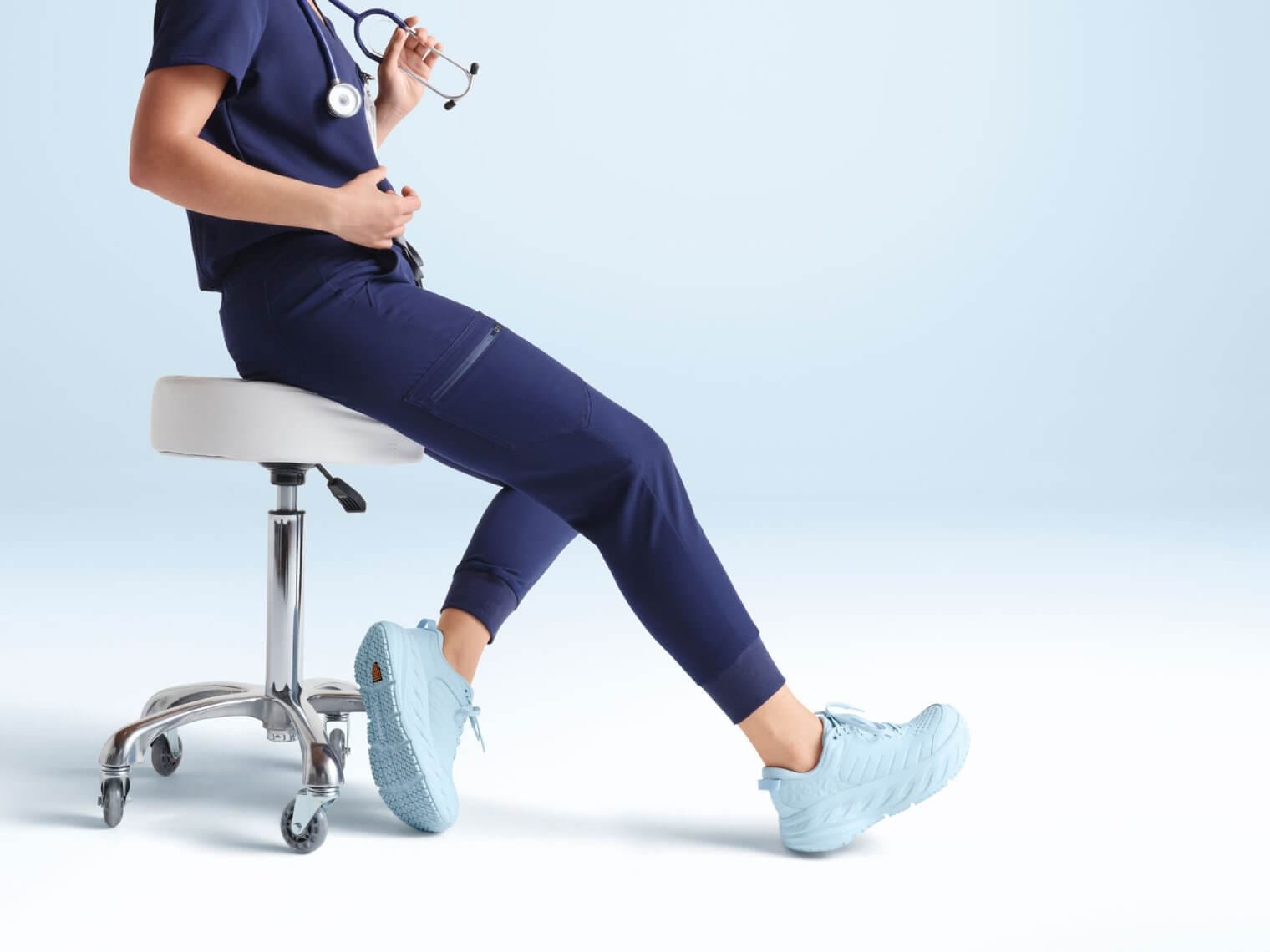
Claim vs. Reality
- Vendor Claim: Brands like Clove and Bala market “all-day comfort” specifically designed for demanding 12-hour shifts. They promise a supportive, cushioned feel from the beginning of your shift to the end.
- Independent Benchmark: Aggregated user data from r/nursing shows that this comfort has a very short half-life. The overwhelming consensus is that the foam “packs out” and the shoe “feels like a brick” or “goes flat” within just 8 months for an average full-time healthcare worker.
- Gap Analysis: The shoes perform as advertised for roughly 6-8 months, falling disastrously short of the 12+ month lifespan users expect from a shoe at a $140+ price point. In contrast, the polyurethane platform of a Dansko clog does not compress. It offers the same consistent (if rigid) support on day 300 as it does on day 1.
This rapid degradation isn’t just a comfort issue; it’s a financial one, as it leads to the poor TCO we discussed earlier. It’s a product failure, not a normal lifecycle. If you do decide to purchase Clove despite these trade-offs, be sure to grab a Clove voucher code to reduce your upfront cost.
S-T-A-R Touchpoint #2: The Clove “Comfort Cliff”
Situation: A veterinary technician, swayed by targeted Instagram ads showing happy, stylish professionals, purchases a pair of Clove shoes. They expect the advertised comfort to last for at least a year of work, justifying the $139 price tag.
Task: To evaluate the shoe’s performance over its entire lifecycle, moving beyond the glowing “first impressions” reviews that dominate social media.
Action: I analyzed dozens of long-term reviews from 2025 where users documented their experience over many months. The consistent finding was a “comfort cliff” that occurred suddenly around the 8-month mark. The supportive, cushioned feel praised in initial reviews vanishes as the EVA midsole permanently compresses. One user on Reddit described it perfectly: “It felt like one day I was walking on clouds, and the next I was walking on concrete.”
Result: The shoe’s primary selling point—its comfort—degrades far more quickly than competitors like Hoka or Dansko. This leads to profound “investment regret” and forces the user into a more frequent and costly replacement cycle than they ever anticipated. The comfort you pay for is temporary; the shoe is designed for Instagram, not for the long haul.
Fit, Sizing & The Return “Gotcha”: The DTC Experience Unpacked
For footwear, “fit” is everything. An ill-fitting shoe isn’t just uncomfortable; it can lead to chronic pain and long-term health issues.
My investigation into the user experience of these brands reveals that the direct-to-consumer (DTC) model, while great for marketing, creates significant friction and financial risk for you, the customer.
Fit Ecosystem: A Tale of Two Philosophies
In my years of analyzing apparel and footwear, I’ve learned that a brand’s sizing philosophy tells you everything about who they truly value.
- Inclusive Sizing (Hoka/Dansko): These brands understand their audience. They know that people who spend 12 hours on their feet often experience significant foot swelling and require more room. That’s why both Hoka and Dansko offer multiple widths, including Standard and Wide (EE) options. They cater to a wide ecosystem of foot shapes.
- Exclusive Sizing (Clove/Bala): These brands use a “one-width-fits-all” approach, offering only a single, medium width that is notoriously narrow. This isn’t a small issue; it’s a deal-breaker that alienates a huge portion of the professional market. This is a deliberate choice to simplify inventory at the cost of customer fit.
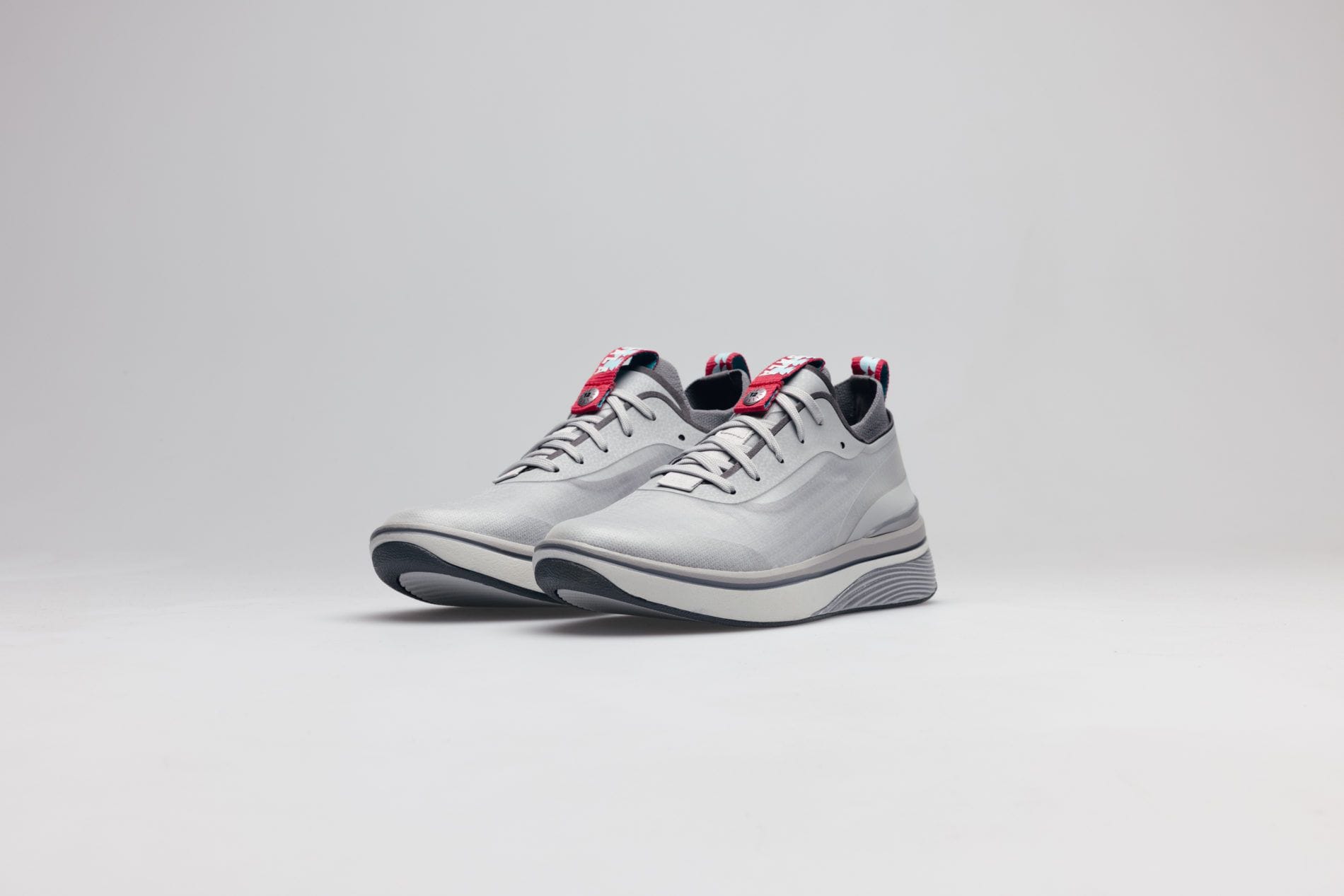
Orthotic Compatibility
This follows the same logic. While all these shoes have removable insoles, the narrow internal volume of Clove and Bala shoes makes them a very poor choice for custom or even many off-the-shelf orthotics. There simply isn’t enough space.
The high-volume interior and wide-width availability of the Hoka Bondi 8, in contrast, make it far more compatible with the inserts many healthcare professionals rely on.
Return Policies: Risk vs. Trust
Nothing exposes a company’s true confidence in its product like its return policy. Here, the difference is night and day.
- Hoka’s Risk-Free “Fly for 30” Guarantee: Hoka offers an incredible 30-day wear guarantee (Hoka “Fly for 30” Guarantee – 2026-01-15). You can wear the shoes for multiple shifts, see how they feel, and if you don’t love them, return them for a full refund. This builds immense trust and provides true investment protection for the consumer. As one user on Reddit stated in 2026, “Being able to wear my Hokas for a few shifts and still return them for free gave me the confidence to buy them online. Total game-changer.”
- Clove/Bala’s Punitive $10 Handling Fee: Clove (Clove Returns Policy & $10 Handling Fee – 2026-01-15) and Bala have the opposite approach. They charge you a $10 fee to return unworn shoes. Why should you pay a penalty because the shoe, infamous for being narrow, didn’t fit? It’s a system that profits from its own design flaw.
S-T-A-R Touchpoint #3: The Clove Return “Gotcha”
Situation: A dental assistant, after consulting the official Clove size chart, orders a pair of shoes online. When they arrive, the shoes are painfully too narrow to be wearable for even a few minutes, let alone a full shift.
Task: They initiate the process to return the shoes for a full refund.
Action: While processing the return, they discover the “gotcha” in Clove’s return policy. Not only must the shoes be in pristine, “unworn” condition, but a $10 handling fee will be deducted from their refund.
Result: The user experiences “investment regret” before even wearing the product. This punitive return policy for Clove shoes is the exact opposite of the trusted, customer-first model perfected by retailers like Zappos. A Trustpilot review for Clove from 2025 summarizes the collective frustration perfectly: “They market to people on their feet all day—who often have wider feet—but make a narrow shoe. Then they charge you $10 to return the shoe that doesn’t fit. It feels like a scam.”
Known Issues & “Blind Spots”: What the Marketing Won’t Tell You
After years of analyzing products, I know that every product has flaws. The difference between a trustworthy brand and a slick marketing operation is transparency. Here is the blunt summary of the “blind spots”—the known issues and limitations that the marketing campaigns hope you’ll overlook.
DTC Healthcare Sneaker
- Price: $139.00 MSRP
- Monthly TCO: ~$17.38/month (8-month lifespan)
- Upper: Clarino™ Microfiber (Fluid-Resistant)
- APMA Seal: ❌ No
- Width Options: Medium Only (Narrow)
✅ Strengths
- Excellent fluid resistance and easy to clean
- Modern, stylish aesthetic for clinical settings
- Lightweight design (~10.5 oz)
- Good user-reported slip-resistance
⚠️ Considerations
- ❌ Punitive $10 return handling fee on unworn items
- ❌ Narrow fit only — alienates a large portion of the market
- ⚠️ Poor breathability — users report “swamp foot” on long shifts
- ⚠️ Midsole cushioning “goes flat” in 6-9 months — high TCO
Maximum Cushioning Running Shoe
- Price: $165.00 MSRP
- Monthly TCO: $13.75/month (12-month lifespan)
- Upper: Engineered Mesh (Breathable)
- APMA Seal: ✅ Yes
- Width Options: Standard & Wide (EE)
✅ Strengths
- Market-leading cushioning for plantar fasciitis relief
- APMA Seal of Acceptance — podiatrist approved
- Multiple width options including Wide (EE)
- Risk-free 30-day wear-and-return guarantee
⚠️ Considerations
- ❌ High slip-risk on wet surfaces — critical safety flaw for hospitals
- ❌ No fluid resistance — mesh absorbs all liquids instantly
- ⚠️ Bulky maximalist aesthetic may feel cumbersome
- ⚠️ Designed for road running, not clinical indoor environments
Stylish DTC Healthcare Sneaker
- Price: $150.00 MSRP
- Monthly TCO: ~$16.67/month (9-month lifespan)
- Upper: KnitFit with Coating
- APMA Seal: ❌ No
- Width Options: Medium Only
✅ Strengths
- Stylish design popular on social media
- Good fluid resistance with KnitFit coating
- Lightweight construction
⚠️ Considerations
- ❌ Punitive $10 return processing fee — copies Clove’s policy
- ❌ Poor slip-resistance on wet floors — unreliable in clinical settings
- ⚠️ Inconsistent sizing — no wide sizes available
- ⚠️ Same midsole compression issue as Clove — short lifespan
Recommendations & Decision Framework
Choosing the right professional footwear—and navigating the clogs vs sneakers for work debate—is a critical gear decision, not just a fashion choice.
After analyzing the data, the user reports, and the hidden costs, it’s clear that the “best” shoe is a myth. The optimal choice depends entirely on your personal hierarchy of needs.
As a professional, my recommendation is to frame this decision as a series of non-negotiable trade-offs. You must decide what you are and are not willing to compromise on. Use this framework to make a choice that protects your body and your budget.
Best Fit Scenarios
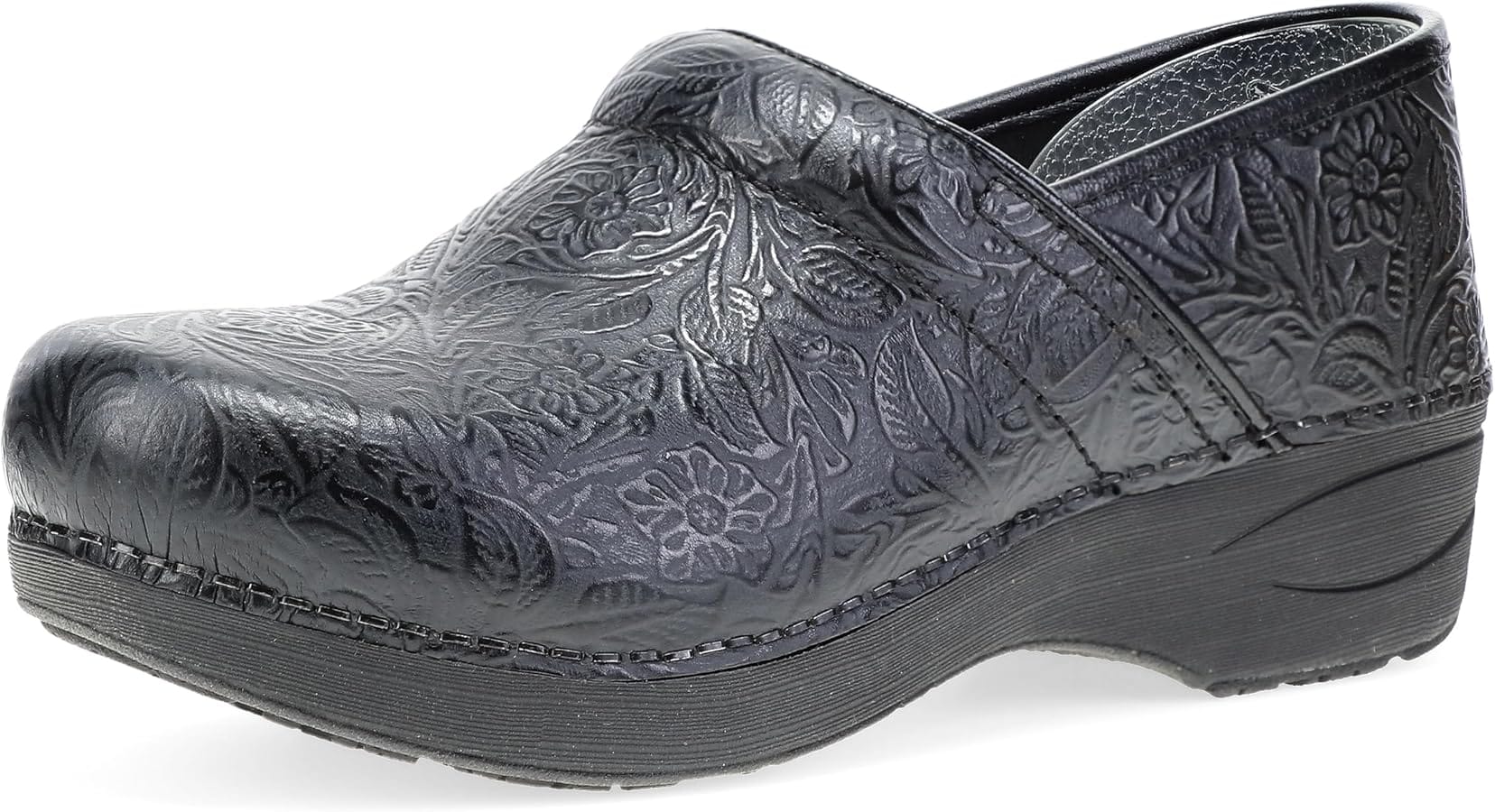
✅ Choose Dansko Professional if:
- Your #1 priority is durability and the absolute lowest long-term cost. The TCO of $3.89/month is unbeatable. To get the best price on Dansko, check our daily-updated Dansko Coupon Page.
- You need rock-solid, best-in-class slip resistance. In my opinion, this should be non-negotiable for most clinical roles.
- You benefit from a rigid, supportive shoe that promotes good posture and have the patience for the initial break-in period.
- ⚠️ Avoid if: You cannot tolerate heavy, rigid shoes or if you are seeking a plush, “sneaker-like” comfort experience.
✅ Choose Hoka Bondi 8 if:
- Your #1 priority is maximum cushioning to combat diagnosed foot pain like severe plantar fasciitis. Its APMA seal provides medical credibility.
- You need wide sizes and want the peace of mind of a risk-free return policy. You can check for the latest Hoka deals here.
- You work in a consistently dry environment where slip-risk is exceptionally low and fluid exposure is minimal (e.g., certain outpatient clinics, private practices).
- ❌ RED FLAG: Avoid if you work in an ER, OR, vet clinic, or any area with frequently wet floors. For those seeking cushioning without the high slip risk of Hoka, many healthcare professionals turn to alternatives like the Brooks Ghost, known for a more balanced approach to comfort and grip.
✅ Choose Clove Classic if:
- Your #1 priority is a modern aesthetic combined with excellent ease-of-cleaning and fluid resistance.
- You have confirmed narrow feet and have had success with other narrow-fitting brands.
- You understand and accept that you are paying a premium for style, with a high total cost of ownership ($17+/month), and are comfortable with the financial risk of the $10 return fee. You can try to offset this cost if you find a Clove promo code.
- ⚠️ Avoid if: You have average or wide feet, are on a tight budget, or are unwilling to replace your work shoes every 8-10 months.
Critical Decision Criteria
Follow this decision tree to find your answer:
- Start with Foot Shape: Do you have wide feet or use bulky custom orthotics?
- If Yes: Eliminate Clove and Bala immediately. Your journey starts and ends with Hoka and Dansko.
- Then, Assess Your Work Environment: How often are your floors wet, messy, or slippery? Be honest.
- If Frequently: Dansko is your safest bet. Hoka is your riskiest. Clove is a middle-ground option.
- Next, Define Your Budget Philosophy: Are you trying to minimize the upfront price today, or are you trying to minimize the total cost over the next three years?
- For Long-Term Value: Dansko wins, and it’s not even close. Clove and Bala are the most expensive options by a wide margin.
- Finally, Consider Your Health Needs: Do you have diagnosed foot pain like plantar fasciitis that requires a specific type of support?
- If Yes: The APMA-approved Hoka (for cushioning) and Dansko (for support) are the most medically sound choices to discuss with your podiatrist. The lack of an APMA seal on Clove and Bala makes them a gamble.
Frequently Asked Questions
Q1: What is the main difference between Clove and Hoka for nurses?
The main difference is a critical trade-off between fluid resistance and safety. Clove shoes offer an excellent, easy-to-clean fluid-resistant upper, which is a major advantage for hygiene in messy environments. However, they are known for a very narrow fit and poor long-term durability, as the midsole compresses quickly (Aggregated user data from r/nursing).
Hoka shoes, particularly the Bondi 8, provide elite-level cushioning that is highly beneficial for foot pain and has the APMA seal of approval (APMA Accepted Products). The massive downside is that their mesh upper absorbs fluids instantly and, most critically, they have a widely reported slip-risk on wet clinical floors, posing a significant safety hazard.
Q2: Are Clove shoes really worth $139?
No, based on long-term value, they are not. Our Clove top alternatives and competitors analysis shows that because of their short 8-month user-reported lifespan, the true 12-month cost of owning Clove shoes is over $200.
For nursing shoes, you are paying a premium price for a product with poor durability and a high Total Cost of Ownership. While the initial style and fluid resistance are appealing, the rapid degradation of the midsole cushioning (long-term reviews from 2025) means you are essentially buying a disposable shoe at a premium price point.
For a similar upfront cost, a brand like Dansko offers years of service, making it a far superior financial investment. That said, if Clove still appeals to you, securing a money-saving deal through our Clove coupon page can take some of the sting out of its high TCO.
Q3: What is the biggest safety risk with wearing Hoka Bondi 8s in a hospital?
The biggest safety risk is slipping on wet floors. While the shoe is incredibly comfortable and carries the APMA seal for foot health, its outsole is designed for road running, not for the slick, often-contaminated surfaces found in clinical environments.
Numerous user reports from 2025-2026 and shoe reviewers have highlighted that the grip on wet tile is poor and unreliable. In a hospital setting where spills are common, this lack of traction is a non-negotiable safety hazard that could lead to a serious injury. This makes it a high-risk choice compared to footwear with certified slip-resistant outsoles like those often found on Dansko clogs.
Q4: How can I make my Clove shoes last longer?
Extending the life of the midsole is extremely challenging. The primary issue reported by users isn’t the exterior falling apart; it’s the internal EVA foam midsole that “packs out” and permanently compresses.
This is a fundamental limitation of the material under the heavy, daily use of a 12-hour shift. While you can take general steps like cleaning them properly and allowing them to dry out, you cannot prevent the core issue of midsole compression.
Their short 8-month lifespan, as reported by many healthcare professionals (User Durability Reports on r/nursing), is a core part of their high TCO and should be factored into your purchase decision.
Q5: What is the absolute cheapest, most durable shoe for long shifts?
Based on Total Cost of Ownership, the Dansko Professional clog is by far the cheapest and most durable shoe for long shifts. While its upfront cost of $140 (Dansko Official Website) is similar to Clove’s, its 3-year+ user-reported lifespan brings the effective monthly cost down to just over $3.89.
This is a fraction of the cost of Clove or Bala, which need to be replaced annually or even more frequently. The polyurethane platform doesn’t compress like EVA foam, providing consistent support for years, making it the most economical choice for professionals focused on long-term value.
Q6: I have wide feet. What are my best options for Clove top alternatives and competitors?
Your best options are the Hoka Bondi 8 and the Dansko Professional, as both are available in dedicated wide sizes that accommodate broader feet and potential swelling during long shifts.
You should avoid Clove and Bala completely. These brands are only offered in a single, notoriously narrow width, which is the subject of constant complaints from users with average or wide feet (Trustpilot review for Clove from 2025). Choosing a shoe with an improper fit is a leading cause of foot pain, making Hoka and Dansko the only viable choices from this list for individuals needing more room.
Q7: Which shoe is better for plantar fasciitis, Hoka or Dansko?
Both are strong, APMA-approved options, but they address the condition in opposite ways. Hoka is better for those who need maximum, plush cushioning to absorb impact and reduce heel pain commonly associated with plantar fasciitis.
Dansko is better for those who benefit from firm, rigid arch support that corrects posture and foot mechanics. The best choice depends on your specific podiatric needs and what your doctor recommends.
Hoka provides a soft, forgiving ride, while Dansko enforces a specific foot posture. Both are valid approaches to managing foot pain, as confirmed by their inclusion on the APMA Seal of Acceptance List.
Q8: Can I return Clove shoes after wearing them?
No, you cannot. Clove’s return policy explicitly states that shoes must be in “unworn” condition to be eligible for a return (Clove Returns Policy). Even if you only try them on indoors and decide they don’t fit, you will still be charged a $10 handling fee from your refund.
This punitive policy stands in stark contrast to Hoka’s “Fly for 30” guarantee, which allows you to wear the shoes for 30 days and still get a full refund. This makes trying Clove a financial risk, as a poor fit is the brand’s most common complaint.
Q9: Are there other Clove competitors besides Hoka and Dansko?
Yes, many. While this analysis focuses on the most popular options, other brands like Brooks (especially the Ghost model) and On are increasingly popular among healthcare professionals for their balance of cushioning and style.
For example, many professionals prefer the Brooks Ghost for its balance of comfort and grip. Exploring these brands is a good next step if none of the four analyzed here meet your specific needs. This growing market for footwear alternatives to Clove means more choices are becoming available every year. Browse our category of comparison articles for more head-to-head breakdowns.
Conclusion: Your Final Purchase Decision
After breaking down the marketing, analyzing the data, and exposing the hidden costs, we can circle back to the core mission: protecting you.
The choice of professional footwear is too important to be left to slick advertising. My Clove top alternatives and competitors analysis reveals three critical truths: the Total Cost of Ownership is the only real measure of cost, safety features like slip-resistance cannot be compromised, and DTC return policies can be a hidden financial trap.
You work far too hard to waste your money or risk your physical well-being on gear that isn’t up to the task.
I urge you to use the decision framework I’ve laid out. Let your non-negotiable requirements guide you, in this specific order: first Safety (slip-resistance on your specific floor type), then Fit (your foot shape and width), followed by Durability (which dictates the long-term cost), and only then, consider Aesthetics.
This hierarchy of needs will lead you to a logical, responsible, and ultimately better choice than any Instagram ad for Clove, Bala, or even other stylish competitors like On, ever could.
As you make your final decision, watch for these red flags: vague “slip-resistant” claims without certification, a lack of wide sizes, and punitive return policies that charge you a fee. These are the markers of a brand that does not have your best interests at heart.
You are a professional, and you deserve professional-grade gear that protects you. Invest accordingly. And if Clove is still your choice after weighing all the trade-offs, don’t forget to check for a current Clove sale or coupon so you can at least save on the upfront cost. Additionally, browse our latest coupons directory for deals across all the brands mentioned in this guide.