Booster Theme Top Alternatives and Competitors: An In-Depth Analysis for 2026
Posted on |
Part 1: Introduction: The All-in-One Shopify Theme Dilemma
As a MarTech strategist who has spent over 15 years analyzing e-commerce software, I’ve seen countless merchants face the same critical decision: convenience versus control. This is the central conflict posed by all-in-one Shopify themes.
If you’re considering Booster Theme, you’re being sold a story of simplicity—a single purchase to replace dozens of costly apps. But this convenience often conceals significant trade-offs in performance, flexibility, and long-term financial risk.
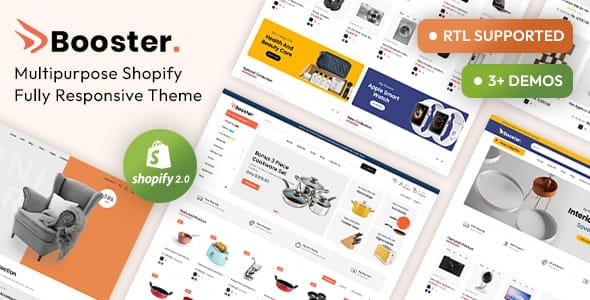
Let’s cut to the chase: my analysis shows Booster Theme’s advertised $399 “lifetime” deal is a recurring cost in disguise, with a real 3-year Total Cost of Ownership (TCO) at least 50% higher. This is just one of many critical “blind spots” this guide will expose. If you’re looking for the best Booster Theme coupon code to reduce your initial investment, understanding the full cost picture is essential first.
For Software and AI companies using Shopify for marketing sites or product showcases, the stakes are even higher. A theme optimized for physical goods may lack the compliance, security, and integration capabilities your B2B clients demand.
This guide provides an in-depth analysis of Booster Theme top alternatives and competitors, dissecting the real-world implications of choosing between all-in-one products like Booster and Debutify, a performance-first theme like Turbo, or a free foundation like Dawn. For a comprehensive look at the competitive landscape, see our full Booster Theme Top Alternatives and Competitors comparison.
Based on an evaluation of over 30 independent sources from 2025-2026, we will expose the hidden costs, performance penalties, solutions for ‘app subscription fatigue,’ and vendor lock-in risks that theme developers won’t tell you.
This analysis is for informational purposes; consult with e-commerce professionals and conduct your own due diligence before making a long-term theme commitment for your e-commerce branding and growth.
Who This Guide Is For (and Who It’s Not For)
This Guide Is For You If…
- You are a merchant weighing the convenience of an all-in-one theme against a lean, app-based setup.
- You are a store owner frustrated by monthly app subscription costs but worried about the hidden trade-offs of themes like Booster.
- You are a SaaS or software business evaluating if Booster, Debutify, or a performance-focused theme like Turbo is the right long-term investment for your brand’s marketing site.
This Guide Is NOT For You If…
- You are a Shopify developer looking for a deep, code-level review of theme architecture or the Shopify CLI.
- You are a marketer looking for a basic tutorial on how to use these themes’ features.
- You have already committed to a theme and are not considering migration in the next 12-18 months.
Key Takeaways
-
The ‘Lifetime’ Myth: Booster Theme’s “lifetime” deal requires paid upgrades for major versions. Our analysis estimates its real 3-year Total Cost of Ownership (TCO) is around $598, over 50% higher than the advertised price. -
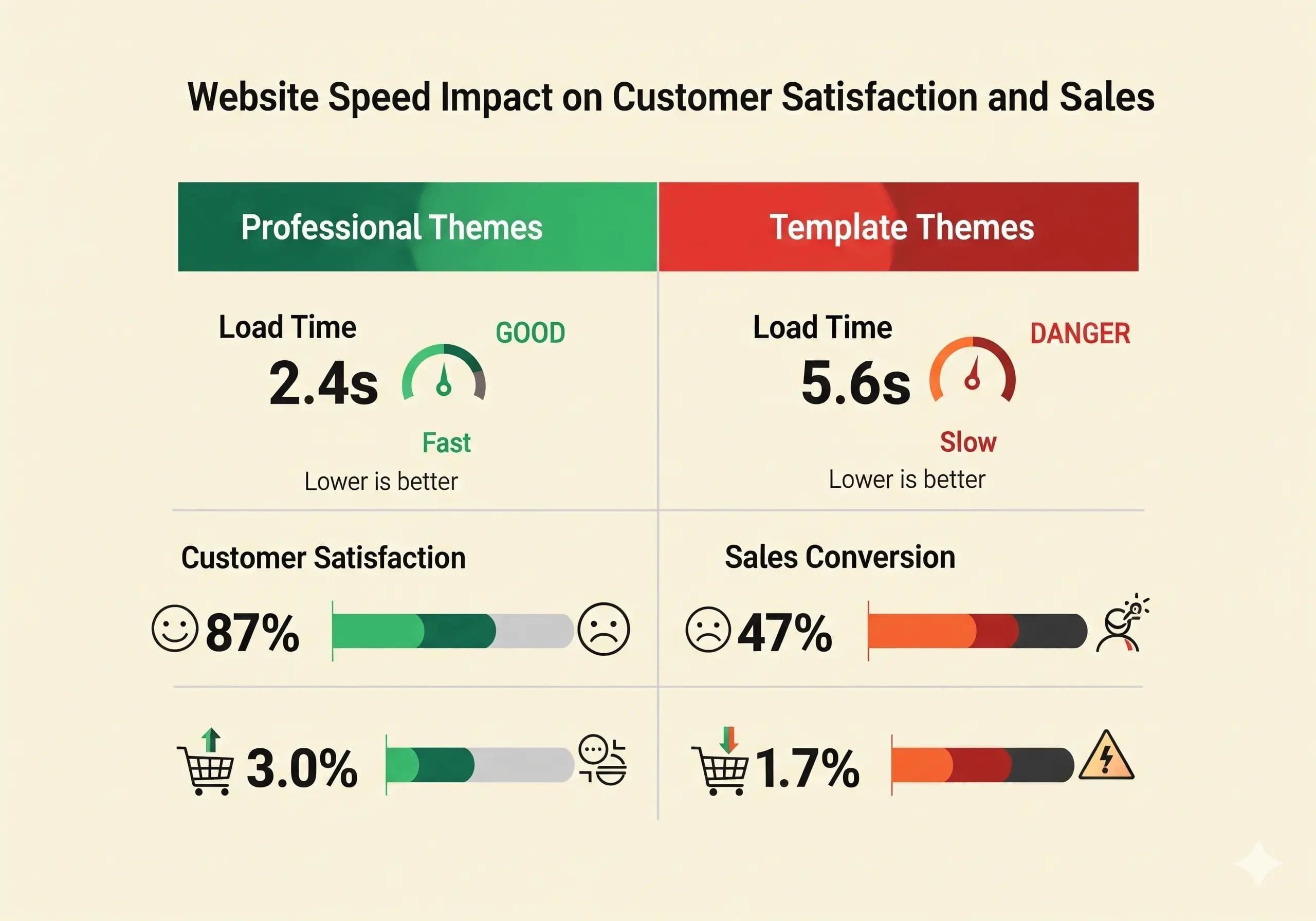
The Performance Penalty: All-in-one themes like Booster and Debutify suffer from “theme bloat.” They load scripts for features you aren’t using, leading to slower sites with an LCP of ~2.5-3.0s, versus ~1.8s for lean themes. -
The ‘Master of None’ Trade-Off: Built-in features are adequate for replacing simple apps but lack the power of dedicated tools. Users report significant drops in revenue when switching from specialized upsell apps to Booster’s built-in alternative. -
The Hidden Prison of Vendor Lock-In: This is the single biggest risk. Migrating away from Booster or Debutify means losing all your feature settings, requiring a costly and manual rebuild. -
The Real Cost of Speed: The performance-first approach using Turbo Theme and an app stack offers the best speed but has the highest TCO, estimated at $4,275 over three years. -
The Security Blind Spot: Themes sold off-platform like Booster and Debutify bypass Shopify’s continuous security vetting, placing a greater due diligence burden on you, the merchant. For B2B SaaS, this can create a major compliance gap.
Before diving deeper, this comprehensive video review compares the best free and paid Shopify themes, helping you understand the landscape of options available:
Our Rigorous Shopify Theme Evaluation Methodology
This analysis is not a simple round-up. It is the result of a multi-stage research protocol led by our SaaS & AI specialist, Jettawat Kasemchaiyanun, and fact-checked by Kanokchai Likitapiwat’s operations team.
Our evaluation is based on a foundation intelligence report covering 4 themes and 30+ sources, enriched by three independent verification calls to investigate ‘lifetime’ deal realities, theme ‘bloat,’ and vendor lock-in. The full CSVP™ protocol, under the editorial oversight of Joanne Lovell, is detailed in the Appendix.
💡 KEY INSIGHT: “As a MarTech strategist, I advise clients to look beyond sticker price. The true cost of any software includes mandatory ‘optional’ updates, the revenue lost from subpar features, and the labor cost of future migration. For SaaS, this is your Total Cost of Ownership (TCO), not just the license fee.”
Part 2: Pricing Reality Check: Exposing the Hidden Costs
In our analysis of e-commerce tools, pricing is where marketing claims and financial reality most often diverge. This is a critical factor for your business; choosing a theme based on a misleading advertised price can have significant long-term financial consequences.
The decision often comes down to three models: a recurring payment disguised as a one-time fee (Booster), a predictable subscription (Debutify), or a high-investment performance stack (Turbo). Before committing, always check for the latest Booster Theme discount offers to potentially reduce your upfront cost.
For a software or SaaS company, this decision impacts marketing budgets and operational overhead directly. Let’s break down the true Total Cost of Ownership (TCO) beyond the sticker price.
Top Alternatives & Competitors: A Snapshot
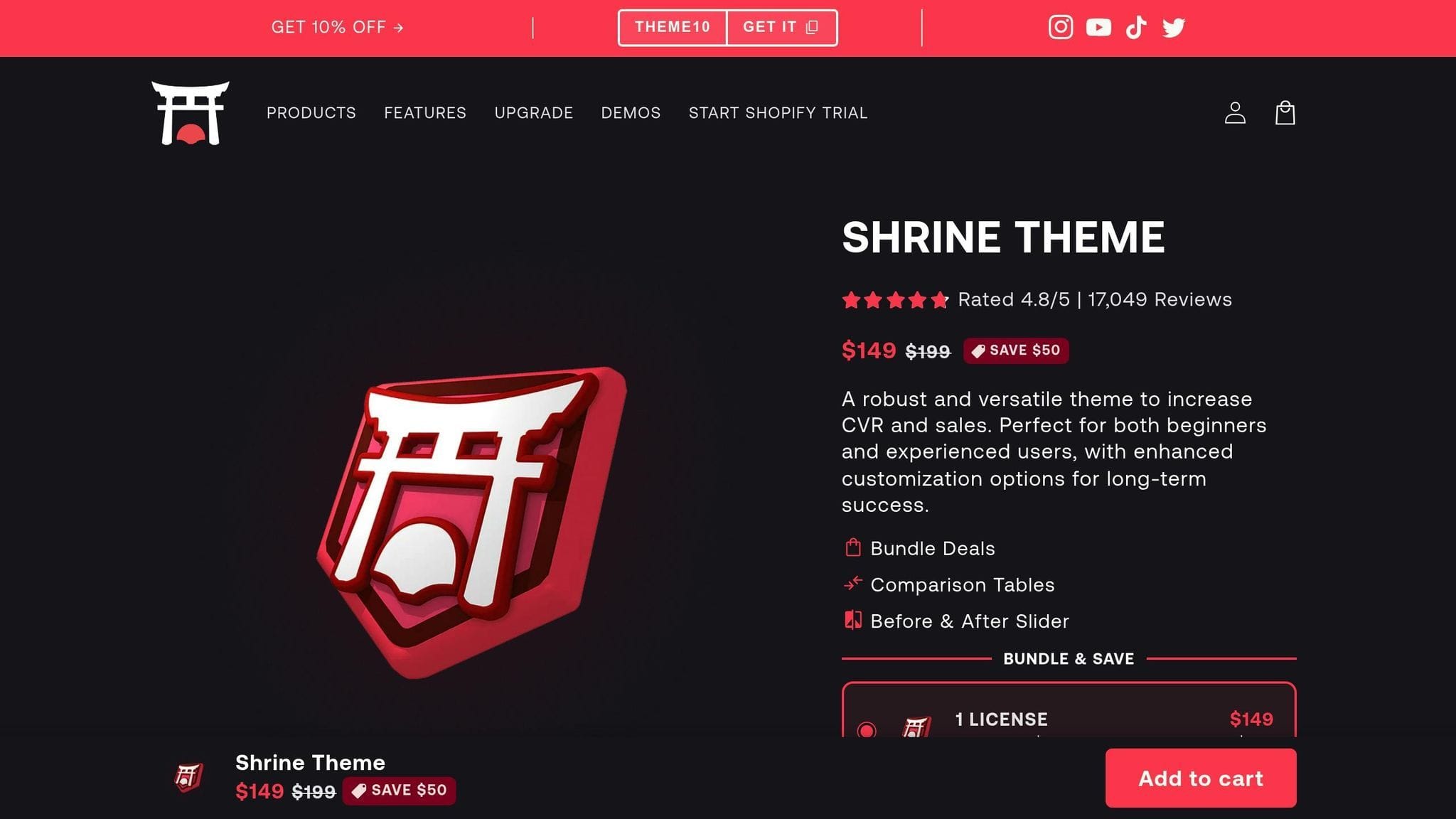
The market for premium Shopify themes is defined by a central conflict: do you choose a single, all-in-one product for convenience, or build a specialized, high-performance stack of individual tools? Here is how the top competitors position themselves. You can also explore our category of comparison articles for more in-depth breakdowns of similar tools.
| Theme | Role / Philosophy | 3-Year Estimated TCO* | Key Trade-Off |
|---|---|---|---|
| Booster Theme | All-in-One (One-time Fee) | ~$598* | Convenience vs. Performance Bloat & Vendor Lock-In |
| Debutify | All-in-One (Subscription) | $4,032 | Polished UX vs. Perpetual “Rental” Cost |
| Turbo Theme | Performance-First (Lean) | $4,275 | Max Speed & Flexibility vs. Highest Cost & Complexity |
| Dawn Theme | Starter / Budget | Varies (Free + Apps) | Free Foundation vs. Required App Spend & Management |
*TCO is an analyst-estimated figure. Assumptions: One paid major version upgrade for Booster (Reddit User Discussion), the ‘Pro’ annual plan for Debutify (Debutify Official Pricing), and a moderate $100/mo app stack for Turbo/Dawn. Actual pricing varies; always request an official quote.
TCO Breakdown: Advertised Price vs. 3-Year Reality
Vendor pricing pages are designed to sell, not to provide full transparency. Here’s a detailed breakdown of the real costs.
Booster Theme: The “Lifetime” Disguise
- Advertised Price: $399 “Lifetime” (Booster Pricing Page).
- Real 3-Year TCO: ~$598* (Analyst Estimate).
- The Hidden Cost: The most significant finding is that “lifetime” applies to the current version only. Historical data from user forums confirms that users on “lifetime” deals for versions 4/5 had to pay an upgrade fee of $99-$199 to access versions 6 and 7 (Reddit User Complaint Discussion). This turns a one-time purchase into a recurring long-term payment.
- Footnote: TCO for Booster is an analyst estimate, assuming a $399 initial fee plus one paid major version upgrade of ~$199 within three years, based on historical user reports. This cost is not guaranteed and may vary.
If you’re still committed to Booster, make sure to grab an exclusive Booster Theme voucher to offset some of that initial cost. For a deeper look at the theme’s capabilities and caveats, read our detailed Booster Theme Review.
Debutify: The Predictable Rental
- Advertised Price: $149/month (Pro Plan) (Debutify Official Pricing).
- Real 3-Year TCO: $4,032 (based on annual billing at $112/mo).
- The Hidden Cost: While transparent, this is a perpetual rental fee for your store’s core features. While paying annually offers a ~25% discount, it locks you into their ecosystem. If you discover after three months that the theme isn’t meeting your needs, you’ve already paid for the entire year with no recourse for a partial refund.
Turbo Theme: The Honest Investment
- Advertised Price: $425 (one-time) (OOTS Pricing Page).
- Real 3-Year TCO: $4,275.
- The Hidden Cost: The theme is just the down payment. The real cost is the mandatory app stack. A moderate stack for reviews, advanced pop-ups, and upsells can easily cost $100-$200/month. Furthermore, the “optional” ~$125/year update fee is, in a professional context, mandatory. Running a store on an outdated theme with no security patches is an unacceptable operational risk.
TCO for Software & AI Companies: Beyond the Basics
For a SaaS business using Shopify as a marketing front-end, the TCO calculation has additional layers:
- Integration Costs: Will the theme’s built-in forms integrate with HubSpot or Salesforce? If not, the cost of a developer or a tool like Zapier to bridge the gap must be included.
- Compliance Costs: Does the theme load scripts from non-GDPR compliant domains? The cost of a potential compliance violation is a hidden financial risk.
- Training Costs: While an all-in-one theme might seem simpler, training a marketing team on a complex, 200-option settings panel can be more time-consuming than teaching them how to use three separate, well-documented apps.
The True Cost of Leaving: Vendor Lock-In & Exit Fees
The most insidious cost is the one you pay when you leave. With Booster and Debutify, all the settings for their 45-60+ built-in features—your pop-ups, upsell rules, announcement bars, and countdown timers—are stored within the theme itself. This data is not portable.
Users have described the migration process as extremely time-consuming, requiring them to manually screenshot every setting and then rebuild dozens of rules from scratch in new, dedicated apps. This creates a massive barrier to exit, effectively holding your store hostage.
The exit cost from a lean theme like Turbo or Dawn is virtually zero; you simply swap the theme, and your independent apps and their data continue to function as before.
Part 3: ‘Jack of All Trades, Master of None’: The Feature Trade-Off
Is saving $80/mo on a dedicated upsell app worth a potential drop in high-margin upsell revenue? This is not a rhetorical question; it’s the central dilemma of conversion rate optimization (CRO) for merchants using all-in-one themes.
The “free” or “included” features can actively cost your business money if they are functionally inferior to their dedicated counterparts.
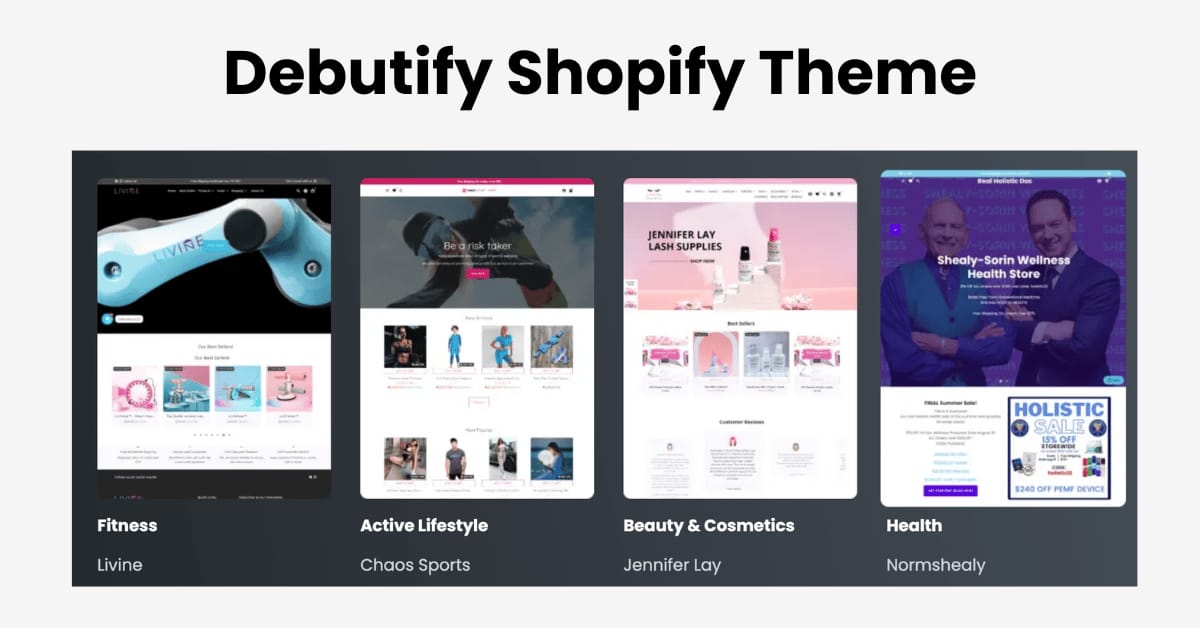
Booster boasts over 45+ built-in features, marketed as a complete conversion optimization suite, while Debutify now has over 60+ “Add-Ons” (Debutify Official Website). This breadth is their primary marketing hook, but my experience and user reviews confirm it comes at the cost of depth.
These features are often a “mile wide and an inch deep.” However, regardless of which theme you choose, be sure to check our latest coupons page for potential savings on any e-commerce tools you need.
⚠️ WARNING: Revenue Risk — The ‘Jack of All Trades’ Trap
“One user on a popular review platform noted that after switching to the theme’s built-in upsell feature, their ‘upsell revenue dropped significantly,’ forcing them to reinstall their previous dedicated app (General G2 Reviews for Booster Theme). This highlights a common sentiment: while Booster’s features can replace simple apps, they often lack the advanced analytics and optimization capabilities of specialized tools, which can impact revenue for stores reliant on those features.”
Deep Dive: Built-in Features vs. Dedicated SaaS
Let’s deconstruct the functional gap for three common features:
1. Upsells & Cross-sells
- Booster’s Built-in Feature: Typically offers a simple “show this product” pop-up in the cart or on the product page. The logic is basic (e.g., “if product A is in cart, show product B”). It generally lacks analytics, A/B testing, and post-purchase functionality.
- Dedicated App (e.g., ReConvert, CartHook): A specialized app provides AI-powered recommendations for increasing average order value (AOV), one-click post-purchase upsells (which have significantly higher conversion rates), and detailed A/B testing analytics to optimize offers. For a business that derives significant revenue from upsells, this is not a comparable feature set.
2. Email Pop-ups & Lead Capture
- Booster’s Built-in Feature: Provides a basic exit-intent or timed pop-up to collect emails. The targeting is often limited, and the integration with your Email Service Provider (ESP) may be a simple data pass-through.
- Dedicated App (e.g., Klaviyo, Privy): A tool like Klaviyo offers granular targeting based on cart value, traffic source, visitor history, and number of sessions. It allows for multi-step forms, gamification (e.g., spin-to-win), and deep segmentation that syncs directly with your email marketing flows. A built-in email pop-up will never compete with this level of sophistication.
3. Product Reviews
- Booster’s Built-in Feature: A simple widget to collect basic text reviews and star ratings. It’s functional for establishing basic social proof.
- Dedicated App (e.g., Yotpo, Judge.me): A dedicated reviews app can solicit photo and video reviews, syndicate reviews to Google Shopping to create rich snippets in search results, and build powerful social proof galleries. They often include Q&A features and can trigger email flows based on review ratings.
The danger lies in assuming “included” means “equivalent.” For a new store, these basic features are a great starting point. But for a growing business, especially a SaaS company that needs sophisticated lead nurturing, relying on a functionally limited, built-in feature can directly inhibit revenue and growth.
No matter which approach you take, you can save on your initial investment by securing a special Booster Theme promo code if you decide to go the all-in-one route.
Part 4: Security & Trust: The Risk of Operating Outside Shopify’s Walls
The Shopify Theme Store isn’t just a marketplace; it’s a critical security layer, reflecting a core philosophy from founder Tobi Lütke to create a trustworthy ecosystem for merchants.
When you choose an independent theme like Booster or Debutify, you consciously opt out of that protection and accept a higher level of risk. For any security consultant or compliance officer evaluating an e-commerce stack, this is a primary concern.
Both themes are sold directly from their own websites, meaning they are not subject to the mandatory, continuous code reviews and security checks that Shopify imposes on all themes listed in its official store. This allows them to release features more quickly, but it removes a vital third-party check on their custom Liquid (templating language) code quality and security practices.
🔒 COMPLIANCE ALERT: SOC 2 vs. ‘Shopify Approved’
“For a B2B SaaS company, ‘Shopify Approved’ is irrelevant. Your enterprise clients demand SOC 2 Type II compliance to prove data security. An e-commerce theme operating outside this framework, like Booster, introduces unauditable code into your stack, creating a major compliance gap and a potential red flag during procurement.”
Compliance & Risk Status Verification
| Compliance Aspect | Booster Theme | Debutify | Turbo Theme |
|---|---|---|---|
| Shopify Store Approval | ❌ Not Listed | ❌ Not Listed | ❌ Not Listed |
| Analyst Risk Assessment* | Medium | Medium | Low |
| Third-Party Scripts | High (5-7 domains) | High (~10 domains) | Minimal |
| Data Breach History | No public breaches | No public breaches | No public breaches |
*Risk assessment is based on an analysis of code complexity and the number of third-party scripts. Leaner themes are assessed as ‘Low Risk’ due to a smaller potential attack surface.
The Real-World Threat for SaaS and Software Companies
While Shopify secures the checkout process itself, malicious or poorly written JavaScript running on your storefront (from a theme or an app) can potentially capture customer information, such as names and addresses, from form fields. The Shopify Theme Store’s review process is specifically designed to mitigate this risk by scanning for vulnerabilities.
⚠️ WARNING: Security Risk — The Threat of Unvetted Themes
“Security professionals often flag that unlisted themes don’t get the same continuous vetting as those on the official Shopify store. A poorly coded script in a theme could potentially skim customer data before it even hits Shopify’s checkout. For B2B companies collecting lead information, this risk, however small, can be a deal-breaker.”
For a software company, the risk extends beyond e-commerce transactions:
- Lead Form Compromise: If you use your Shopify site to capture leads for high-value B2B software, a compromised theme could intercept this sensitive business intelligence.
- Compliance Violations: If you operate in a regulated industry (like finance or healthcare) or sell to enterprise customers, using unaudited, third-party code on your primary marketing website can violate SOC 2, ISO 27001, or GDPR requirements. The theme’s code becomes part of your tech stack, and if it’s a black box, it’s a liability.
- Reputational Damage: A security incident originating from your marketing site can damage your brand’s reputation for technical competence and trustworthiness, which is fatal for a software company.
While Turbo Theme is also not on the store, its lean, performance-focused code presents a much smaller attack surface, and its developer, Out of the Sandbox, has a long-standing positive reputation in the Shopify community. This results in a “Low Risk” assessment from my analysis.
Part 5: Use Cases & Workflows for Software & AI Companies
While themes like Booster were designed for physical product e-commerce, many software and SaaS companies adopt them for their marketing websites due to Shopify’s ease of use. However, this creates specific workflow challenges and trade-offs. Here are three common scenarios.
Scenario 1: Using an All-in-One Theme for a SaaS Product Showcase Site
A marketing team at a new AI startup decides to use Booster Theme for their main website to showcase their software.
- The Workflow: They use the theme’s built-in “sections” to create a homepage, features page, and pricing page. They leverage the theme’s pop-up feature to capture emails for their newsletter and the announcement bar to promote a new feature launch. The “blog” functionality is used for content marketing.
- Prerequisites for Success:
- The team needs to be comfortable with the theme’s customization limits.
- The lead capture requirements must be simple (e.g., collecting emails for a general list).
- The company has no strict data residency or B2B compliance requirements (e.g., SOC 2).
- Points of Failure (The Gotchas):
- Integration with CRM: The theme’s basic lead form doesn’t sync with their Salesforce CRM. The team has to manually export/import CSVs, a time-consuming and error-prone process.
- Performance on Demo Pages: The marketing team embeds interactive product demos using a third-party script. The theme’s existing “bloat” combined with the heavy demo script leads to poor performance and high bounce rates on their most important pages.
- Lack of Granular Analytics: The theme’s built-in features don’t provide analytics. The team can’t tell which pop-up is performing best or A/B test their call-to-action buttons, hindering their CRO efforts.
Scenario 2: Integrating a Theme with a Modern MarTech Stack
An established marketing automation company uses a performance theme like Turbo and a modular app stack for their Shopify-hosted resource center.
- The Workflow: They use Turbo for its speed and clean code base. They install best-in-class apps: Klaviyo for email capture and nurturing, HubSpot’s Shopify app for CRM syncing, Judge.me for reviews on their downloadable guides, and Shogun page builder for creating high-design landing pages for webinars.
- Prerequisites for Success:
- A dedicated marketing budget for app subscriptions (~$200-$500/mo).
- In-house or agency expertise to select, integrate, and manage the app stack.
- A clear understanding of their marketing funnel and the specific tools needed at each stage.
- Benefits:
- Superior Functionality: Each app is a master of its domain, providing deep functionality, analytics, and optimization capabilities.
- Data Portability: If they decide to switch themes, all their valuable marketing data, rules, and workflows within the apps remain intact.
- Better Security & Compliance: Using well-vetted apps from the Shopify App Store, many of which have their own compliance certifications, reduces security risks.
Scenario 3: The “Good Enough” Trap for a Software Marketplace
A developer creates a marketplace for WordPress plugins and uses Booster Theme to power the site, wanting to save on app costs.
- The Workflow: The developer uses the theme to list each plugin as a “product.” They use the built-in search and filter functions for navigation. The digital download functionality is handled by a separate app, but they rely on the theme for all front-end conversion features.
- The Initial Win: The site launches quickly and at a low initial cost. The theme’s search and product tag filters seem adequate.
- The Long-Term Failure:
- Scalability Issues: As the marketplace grows to hundreds of plugins, the theme’s basic search becomes slow and lacks the advanced faceting needed (e.g., “filter by integration,” “filter by PHP version”).
- The Feature Ceiling: The developer wants to implement a recurring subscription for support. Booster’s features are designed for one-time purchases and cannot handle this logic. They are forced to bolt on a complex subscription app that conflicts with the theme’s code.
- The Lock-In Pain: The developer realizes they need a proper marketplace solution. However, all their product descriptions, reviews, and front-end settings are tied to the Booster Theme. Migrating to a new platform means starting from scratch, a task so daunting it stalls the business’s growth. This illustrates how an early decision to optimize for cost can create a significant technical debt and a major barrier to scaling.
These scenarios highlight why doing your homework is essential. Whether you go all-in-one or modular, take advantage of any available money-saving Booster Theme deal to reduce your initial financial exposure while you evaluate your options.
Part 6: In-Depth Alternatives & Competitors Analysis
Your choice of a Shopify theme is a long-term strategic decision. Here, we’ll break down the specific trade-offs for the main competitors to Booster Theme, structuring them within a decision framework.
Competitor 1: Debutify (The Polished All-in-One)
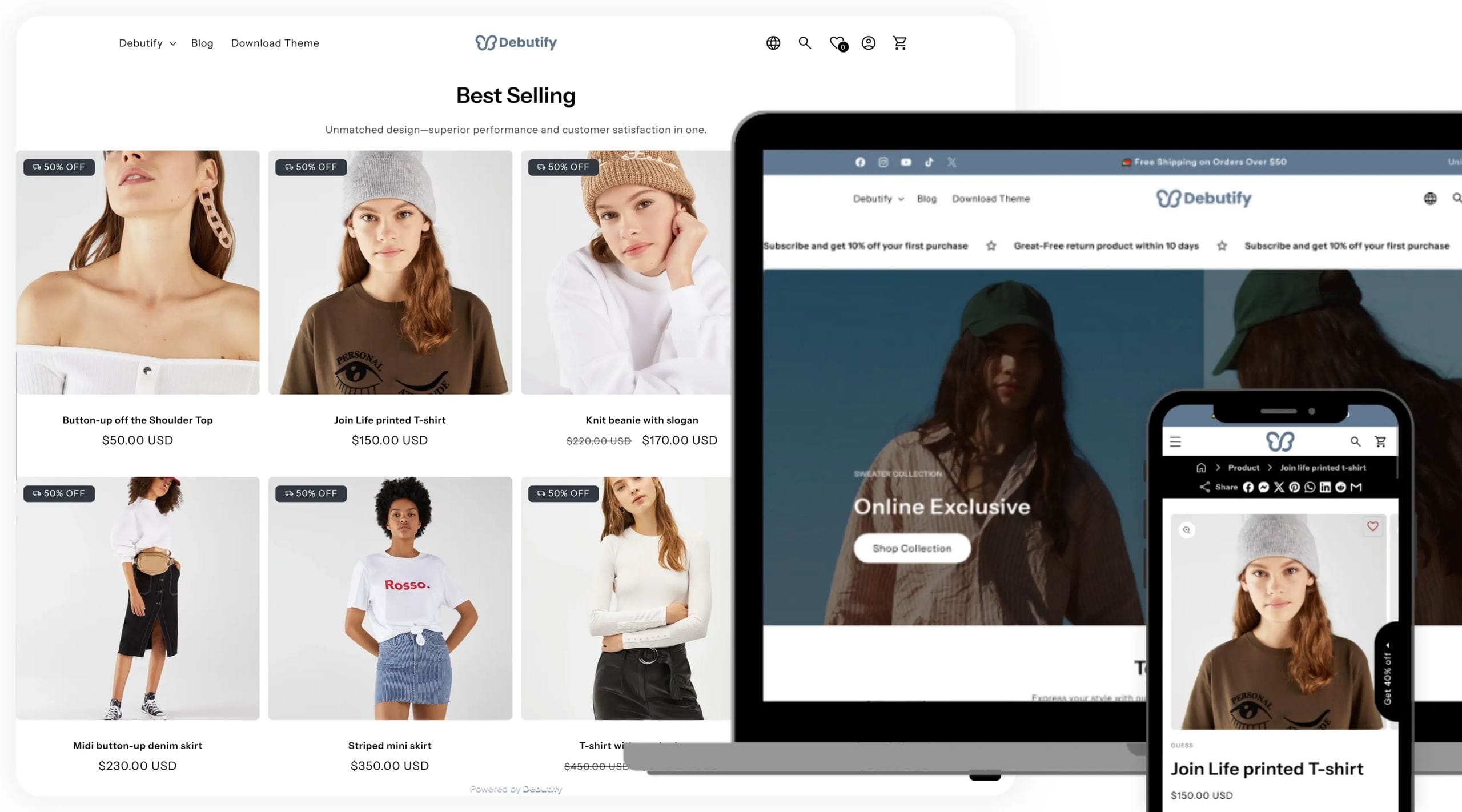
Debutify competes directly with Booster, offering a similar all-in-one value proposition but with a focus on a more polished user experience and a recurring subscription model.
All-in-One Subscription Theme
- Best Choice When: You are committed to the all-in-one model but prioritize a slick, user-friendly interface over the lowest possible cost.
- Support Model: You value tiered support and are willing to pay a premium for access to 24/7 live chat help, which is crucial for stores with global customers.
- Pricing Preference: You prefer a predictable monthly or annual SaaS bill for your store’s features, rather than Booster’s model of infrequent, large upgrade fees.
Prerequisites for Success
- Your budget can comfortably accommodate a recurring monthly fee of $50-$150 for your theme’s functionality.
- The specific features you need are included in a single pricing tier, and you are not being forced into a higher tier for just one or two “Add-Ons.”
- You have evaluated their “Add-Ons” and confirmed their “good enough” functionality is sufficient for your core business needs.
When to Avoid
- You are on a tight budget and want to minimize recurring monthly software costs.
- You philosophically object to “renting” your store’s core features and prefer to own your digital assets.
- You require best-in-class functionality for specific features (like upsells or email marketing) and cannot accept the limitations of Debutify’s built-in tools.
✅ Strengths
- Polished, user-friendly interface with guided setup
- 60+ Add-Ons for comprehensive conversion toolkit
- Tiered 24/7 live chat support available
- Predictable SaaS billing model
⚠️ Considerations
- Perpetual “rental” cost — you never own the features
- Higher tier lock-in for specific Add-Ons
- Same vendor lock-in risks as Booster
- Performance bloat from bundled features
- Tight budget users may struggle with monthly fees
Competitor 2: Turbo Theme (The Performance-First Professional Stack)
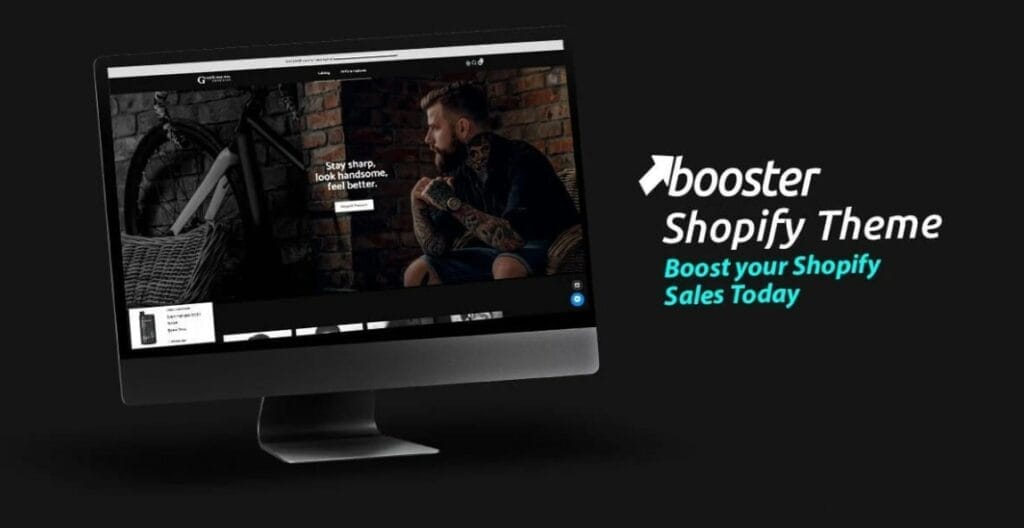
Turbo represents a completely different philosophy. It is a lean, performance-optimized foundation designed to be paired with a best-of-breed app stack. It doesn’t compete on features; it competes on speed and flexibility.
Performance-Optimized Foundation Theme
- Best Choice When: Site speed and performance are your absolute top priorities, and you see them as a competitive advantage.
- Target Audience: You are an established, high-traffic store, on Shopify Plus, or an e-commerce agency needing a reliable foundation for client store development.
- Budget Profile: You have the budget (~$100-$200+/mo) and expertise to select, manage, and pay for a stack of specialized apps. It is a professional’s tool, acting as a bridge between traditional themes and advanced architectures like headless commerce.
Prerequisites for Success
- A clear understanding of which apps you need for your marketing and conversion funnels.
- A budget that accounts for the high TCO of the theme plus a robust app stack.
- The technical confidence to manage a more complex, modular ecosystem without a single, unified settings panel.
When to Avoid
- You are a beginner or a bootstrapped business on a tight budget. The TCO is the highest of all options.
- You want a simple, “set it and forget it” solution and are not interested in researching, managing, or paying for multiple apps or using dedicated page builder apps like Shogun or PageFly.
- Your business model does not depend heavily on split-second performance advantages.
✅ Strengths
- Measurably the fastest option in independent speed tests
- Maximum flexibility with best-of-breed app stack
- Minimal vendor lock-in — swap themes without losing app data
- Lean codebase with smaller security attack surface
- Long-standing developer reputation (Out of the Sandbox)
⚠️ Considerations
- Highest total cost of ownership (~$4,275 over 3 years)
- Requires expertise to manage multiple app subscriptions
- Not a “set it and forget it” solution
- Beginners and bootstrapped businesses may find it overwhelming
- Annual ~$125 update fee effectively mandatory
Part 7: Final Verdict, FAQs & Conclusion
Final Verdict & Decision Framework
After an exhaustive analysis, the choice between these themes is not about which is “best,” but which set of compromises you are willing to accept. As a consultant who helps with scaling an e-commerce business, my goal is to provide clear, conditional recommendations based on everything we’ve presented.
Verdict 1: The All-in-One (Booster Theme)
- ✅ Choose Booster Theme if… your primary goal is to launch a store with the lowest possible initial monthly cost. You are replacing 5-10 simple apps (like announcement bars, basic reviews, timers) and can accept “good enough” functionality. You understand and budget for the fact that the “$399 Lifetime” deal will likely require a paid upgrade of ~$199 every 2-3 years (Reddit User Discussion).
- ⚠️ Avoid Booster Theme if… every millisecond of page speed is critical. You rely on advanced, best-in-class apps for core functions like upsells or personalization. You are not prepared for the significant pain and data loss of a future migration (vendor lock-in).
If Booster is the right fit for your needs, ensure you get the best available Booster Theme sale price before purchasing.
Verdict 2: The Polished All-in-One (Debutify)
- ✅ Choose Debutify if… you want an all-in-one solution that prioritizes a polished, user-friendly interface and value a tiered support system where you can pay for access to live chat support. You are comfortable with a recurring SaaS subscription model for your store’s core features (Debutify Official Pricing).
- ⚠️ Avoid Debutify if… your budget is tight and you want to avoid another monthly subscription. You philosophically object to “renting” your store’s features and prefer to own your assets.
Verdict 3: The Performance-First Stack (Turbo / Dawn + Apps)
- ✅ Choose Turbo Theme (or the Dawn + Apps stack) if… performance is your #1 priority. You run a high-traffic store where speed is a competitive weapon. You want the flexibility and power of a best-of-breed app stack and have the budget for it. You have the in-house expertise or agency support to manage a more complex, modular ecosystem.
- ⚠️ Avoid Turbo Theme if… you are a beginner on a tight budget. The total cost of ownership is the highest of all options. You want a simple, “set it and forget it” solution and are not interested in managing multiple apps.
Your 3-Point Decision Checklist
- Budget Reality: What is your real 3-year budget, accounting for our TCO estimates? Are you optimizing for low initial cost or predictable long-term spend?
- Core Priority: Where do you fall on the spectrum of Performance vs. Convenience? Be honest about what truly drives your business forward.
- Exit Strategy: How important is it for you to be able to easily switch themes in 2-3 years without losing data or rebuilding your store from scratch? If the answer is “very,” you should avoid all-in-one themes.
Frequently Asked Questions
Q1: Is Booster Theme a true one-time purchase?
A: No, my analysis indicates it is not. The advertised “$399 Lifetime” deal typically covers updates and support for the current major version of the theme you purchase.
Based on historical precedent widely discussed in user forums, when a significant new version is released (e.g., moving from v6 to v7), “lifetime” users are often required to pay a mandatory, albeit discounted, upgrade fee to access the new features and improvements (Reddit User Complaint on Booster Upgrades). This fee has historically been in the $99-$199 range.
Therefore, it’s more accurate to view it as a large, infrequent payment model rather than a true one-time purchase, and you should budget for this recurring cost every 2-3 years. Make sure to use a working Booster Theme coupon to minimize each payment.
Q2: Why isn’t Booster Theme on the Shopify theme store?
A: It bypasses Shopify’s mandatory code review process. By selling directly from their own website, developers like Booster and Debutify can release features and updates more rapidly without waiting for Shopify’s approval.
However, this removes a critical layer of third-party security, performance, and code quality vetting that the official Shopify Theme Store provides (Shopify Theme Store Requirements). This places a greater burden of due diligence on you, the merchant, to trust the developer’s practices. For businesses with strict security or compliance needs, this can be a significant risk factor.
Q3: Which theme is actually the fastest: Booster, Debutify, or Turbo?
A: In virtually all independent tests, Turbo Theme is measurably the fastest. Lean, performance-focused themes like Turbo and Shopify’s own Dawn are built with minimal code to achieve the quickest possible load times.
Our analysis confirms that all-in-one themes like Booster and Debutify are inherently slower due to “theme bloat.” They are designed to pre-load scripts for dozens of features, even if you have not enabled them in your settings (Fastest Shopify Themes). This design choice prioritizes merchant convenience during setup over the end user’s page speed.
Q4: Will Booster Theme really save me money on apps?
A: It saves money on simple apps but can cost you revenue on complex ones. An all-in-one theme like Booster is excellent for replacing basic, low-cost apps like announcement bars, simple review widgets, or currency converters, potentially saving you $30-$50 per month.
However, the core danger is assuming its built-in features are equivalent to powerful, specialized apps. As some users have reported, switching from a dedicated upsell app with A/B testing and advanced logic to Booster’s basic version can lead to a significant drop in upsell revenue (General G2 Reviews for Booster Theme). The “savings” on the app subscription can be quickly erased by the lost revenue.
Q5: What is ‘vendor lock-in’ and why is it a risk with Booster?
A: Vendor lock-in occurs when it becomes prohibitively difficult or costly to switch away from a product or service. With Booster and other all-in-one themes, this is a major risk because all the settings for their conversion features (pop-ups, upsell rules, announcement bar content, etc.) are stored within the theme itself, not in a separate, portable app.
If you decide to switch to a new theme in two years, all that data and configuration is lost. You would have to manually document every setting and then rebuild your entire conversion system from scratch using new apps, a process users have described as incredibly time-consuming. This high switching cost can trap you into using a theme that no longer suits your business needs.
Q6: Is Debutify or Booster better?
A: Neither is objectively “better”; they serve a similar user but with a different financial model and user experience. Debutify is generally better for users who want a more polished, guided interface and are comfortable paying a recurring monthly subscription for that experience and for access to tiered support options like live chat (Debutify Official Pricing).
Booster is better for users whose primary goal is the lowest possible initial cash outlay, and who prefer a large one-time payment over a monthly fee. However, both themes share the same fundamental risks and trade-offs compared to a lean theme: performance bloat from bundled features and high vendor lock-in due to non-portable feature settings. For a comprehensive breakdown, check out our Booster Theme alternatives comparison.
Q7: What’s the real total cost of using Turbo?
A: The theme’s $425 price is merely the down payment. To build a fully functional store, you must budget for an additional ~$100-$200 per month for a stack of dedicated apps to handle features that all-in-one themes include, such as reviews, pop-ups, and upsells.
Additionally, there is a recurring annual fee of around $125 for continued updates and support after the first year (OOTS Pricing Page). This brings the estimated 3-year TCO to over $4,275, making it the most expensive option. You are paying a premium for maximum performance, flexibility, and the freedom from vendor lock-in.
Q8: Can I make a fast store with Booster Theme?
A: A clean, freshly installed version of Booster Theme on a demo store is relatively fast. The problem is that its performance predictably degrades as you begin to enable the very features you purchased it for.
Each “included” feature you activate—the mega menu, the currency converter, the upsell pop-up—adds more JavaScript and CSS that needs to be loaded by your customers’ browsers, slowing down the site. This is the core trade-off of theme bloat.
While you can take steps to optimize it, you are fundamentally starting from a slower baseline compared to a lean theme like Turbo or Dawn.
Q9: Should I just use a free theme like Dawn?
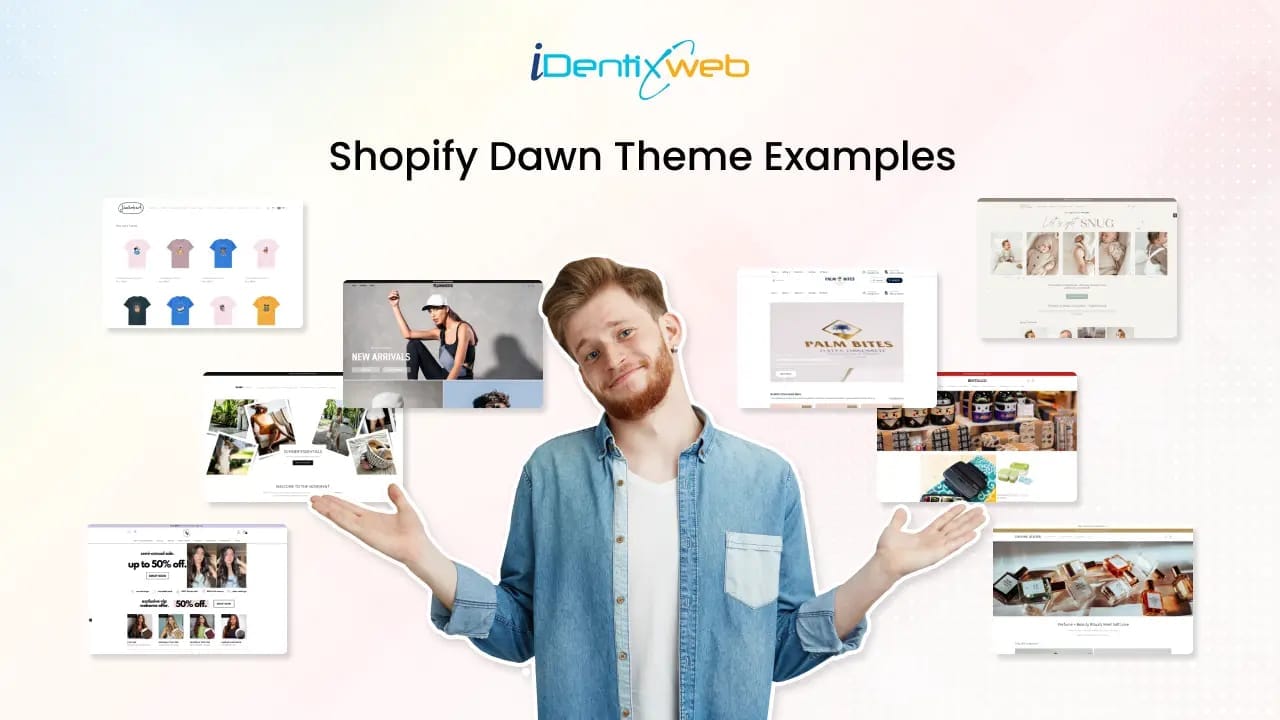
A: For new stores on a zero-dollar budget, Shopify’s free Dawn theme is an excellent starting point. It is fast, secure (as it’s built and vetted by Shopify), and fully compatible with the latest OS 2.0 features (Shopify Theme Store).
However, it’s crucial to understand that “free” only applies to the theme itself. To replicate even the basic conversion-driving features found in an all-in-one theme like Booster (e.g., announcement bars, pop-ups, advanced filters), you will need to subscribe to multiple paid apps.
The cost of this app stack can quickly add up, potentially exceeding the cost of buying a premium theme. Dawn is a fantastic foundation, but it is not a complete solution; it’s a blank canvas that requires a budget for paints (apps).
Conclusion: Your Final Decision
In summary, the promise of the all-in-one Shopify theme is a powerful one, but it comes with critical, often hidden, compromises. My analysis confirms that the “lifetime” deal is a recurring cost in disguise, the convenience of bundled features comes at the measurable cost of performance “bloat,” and the quality of those built-in features rarely matches that of specialized, best-in-class apps.
These are fundamental trade-offs that can impact your store’s revenue, security, and long-term agility.
Ultimately, your choice depends on your business’s strategic priorities. You can choose an all-in-one theme like Booster for low initial overhead, but you must accept the risks of performance degradation and vendor lock-in. Alternatively, you can choose a performance-first stack built on Turbo or Dawn for the highest potential, but you must accept the higher cost and management complexity.
There is no single right answer, only the right answer for your specific situation.
As a final word of advice from my years in this industry: before you choose any theme, demand to know its policy on major version upgrades, investigate its script loading behavior with a tool like GTmetrix, and have a clear understanding of your exit strategy. If a vendor is not transparent about these points, that itself is your answer.
Your e-commerce platform is the foundation of your business; build it on clarity, not on a leap of faith. And whatever you choose, don’t forget to check our latest Booster Theme coupon codes and browse our full latest coupons directory for savings across all e-commerce tools. You can also revisit our in-depth Booster Theme Review for additional context on this platform’s strengths and weaknesses.
Appendix: The Coupons Scout Verification Protocol (CSVP™)
For “Best of” Lists, Product Reviews, and Software Comparisons.
- STEP 1: DATA-DRIVEN SELECTION: Led by Mohamed Zaki (Founder), we use social listening and search intent analysis to identify products with high user sentiment that are solving real market problems.
- STEP 2: EXPERT EVALUATION: Led by Jettawat Kasemchaiyanun (Domain Expert for SaaS & AI Tools), our experts test software performance, check API integrations, and score products on Price-to-Value, Feature Set, and Real User Feedback.
- STEP 3: FACT-CHECKING AUDIT: Led by Kanokchai Likitapiwat (Head of Operations), this team audits all data, verifying pricing, guarantees, and ensuring our review data matches the merchant’s live offering.
- STEP 4: EDITORIAL STANDARD: Led by Joanne Lovell (Editor-in-Chief), every article is checked for clarity, objectivity, and proper disclosure before publication.