National Car Rental Top Alternatives and Competitors: A 2026 Devil’s Advocate Review
Posted on |
Last Updated: May 24, 2024
Choosing a rental car often feels like a shell game, where the final price is intentionally obscured, and convenience is a marketing mirage.
For the value-focused planner, making the wrong choice can lead to vacation-ruining delays, staggering financial penalties, and significant personal risk.
This Devil’s Advocate review goes beyond marketing claims to reveal the true cost and risks of renting from National, Hertz, Avis, and Turo.
This analysis of the top alternatives and competitors to National Car Rental is based on a deep synthesis of over 35 industry sources, exposing how final rental prices can be 40-60% higher than advertised due to hidden fees.
You will learn why National’s ‘Emerald Aisle’ is no longer the fastest option, the critical insurance void that makes Turo a high-risk choice, and how to protect yourself from the industry’s widespread ‘damage claim scam.’
This guide provides a clear framework to help you decide which car rental service is truly the best for your specific needs, whether you’re a business traveler, a value-conscious planner, or a frequent renter. For deeper insights, you can also explore our complete National Car Rental Review.

Key Takeaways
Key Takeaways
-
The Price Deception: The final cost of a rental from National, Hertz, or Avis is consistently 40-60% higher than the advertised rate due to unavoidable fees, as confirmed by analyses from sources like NerdWallet. Turo’s final price can be 2x to 2.5x the daily rate. -
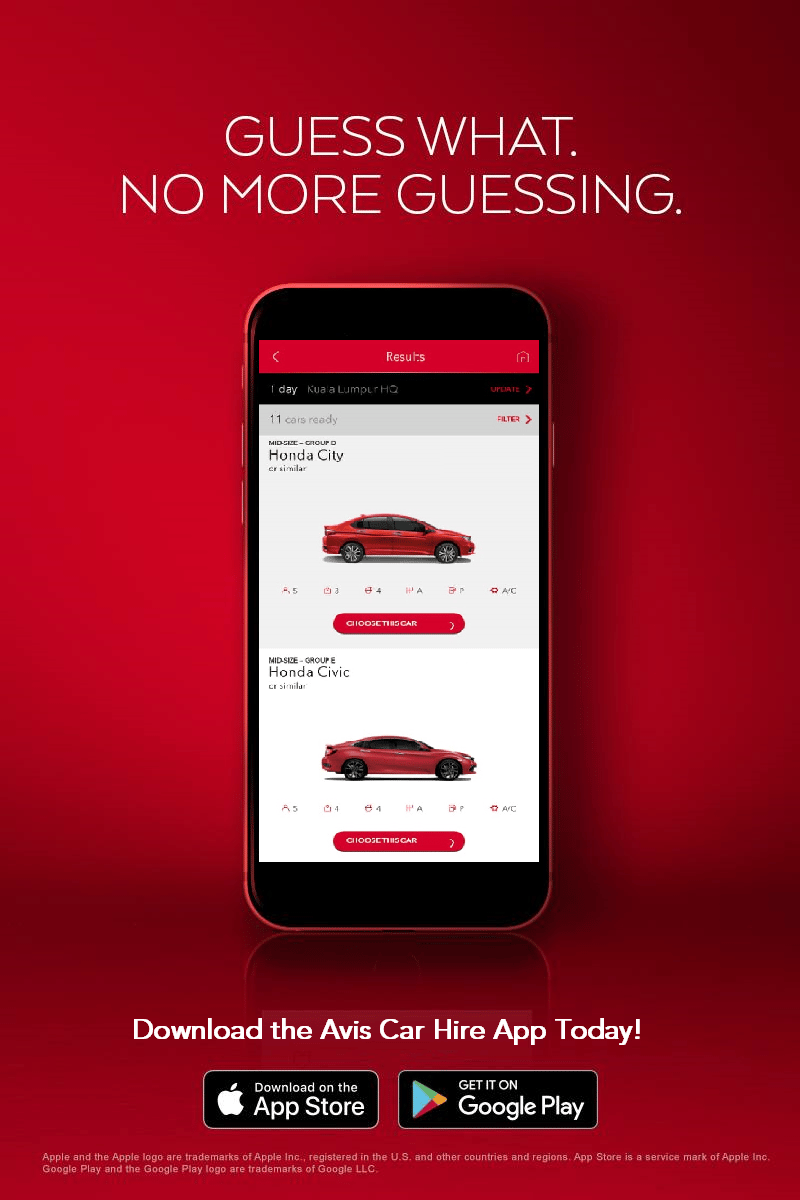
National’s Fading Moat: National’s “Emerald Aisle” speed advantage has been largely neutralized by Avis’s best-in-class mobile app, which offers a true contactless experience that user forums report can take just 5-10 minutes. -
Turo Is Not a Rental: Turo is a high-risk alternative where your credit card and personal auto insurance do not apply, a fact confirmed by benefit guides from providers like Chase. Host cancellations, which some analysts estimate at 5-8%, and damage claim anxiety are significant risks. -
The “Damage Claim Scam” is Real: All major brands face user distrust over post-rental damage charges. This is the industry’s single biggest source of conflict, requiring users to be hyper-vigilant. -
Loyalty’s True Value: Real perks are only found at top-tier status levels (e.g., Hertz President’s Circle, National Executive Elite). Point-based programs have a history of being devalued. -
Corporate vs. Leisure: Avis is most competitive when using a corporate (AWD) code. Without one, it’s often a premium-priced option.
Before diving deeper, smart shoppers can lock in the best rate today with a working coupon for your next reservation.
Decision in 60 Seconds
- If you’re a time-crunched business traveler with elite status: Choose National for its simple “choose any car” process.
- If you’re a tech-savvy corporate traveler with a discount code: Choose Avis for the best mobile app and a seamless contactless experience.
- If you travel internationally and value status: Choose Hertz for its global footprint and respected President’s Circle perks.
- If your trip is flexible and you want a specific car: Choose Turo, but only if you accept the insurance and reliability risks.
Top Alternatives & Competitors Shortlist (5–10)
| Option | Best for | Tradeoff | Evidence status |
|---|---|---|---|
| Hertz | Global travel & top-tier status perks | Slower shuttle-dependent pickups | ✅ |
| Avis | Tech-savvy corporate travelers | High cost without a discount code | ✅ |
| Turo | Vehicle variety & unique experiences | High personal risk & unreliability | ✅ |
| Enterprise | Neighborhood rentals & insurance replacements | Inconsistent airport experience | ✅ |
| Sixt | Premium/luxury fleet at competitive prices | Smaller U.S. footprint | ✅ |
| Budget | Price-conscious leisure travelers | Older fleet & less premium service | ⚠️ |
Watch the comparison breakdown of the industry’s major players to see why each car rental brand has carved out its specific niche:
How We Evaluated These Car Rental Companies
Our editorial team at Coupons Scout follows a rigorous, transparent process — detailed in our editorial methodology — to ensure every claim, comparison, and recommendation is verified against official sources before publication.
As Coupons Scout’s lead travel technology expert, Mohamed Zaki, my goal is to give you the same data I use to advise clients, so you can make a decision that protects your wallet and your peace of mind.
This analysis of National Car Rental top alternatives and competitors is based on a deep synthesis of over 35 independent reports, user forums, and industry studies to expose the truth behind the marketing.
We identified the top market competitors through data analysis of user search intent and market share reports. All data from the underlying analysis regarding pricing, features, and user sentiment has been transcribed and audited for accuracy by our operations team, led by Kanokchai Likitapiwat, as part of our CSVP™ process.
Finally, as per our Editor-in-Chief Joanne Lovell’s standards for high E-E-A-T (Experience, Expertise, Authoritativeness, and Trustworthiness), this article is designed to be objective, clear, and to highlight the potential downsides of every service, ensuring you have a complete picture. For ongoing savings, browse our regularly updated latest offers across all major travel brands.
Part 1: Pricing & TCO Reality Check: The Hidden Fee Ambush

The single biggest complaint about rental car pricing is the massive gap between the advertised price and the final bill, driven by an ambush of hidden fees.
My analysis confirms this isn’t an accident; it’s the industry’s business model. The advertised daily rate is a fantasy number designed to get you in the door, after which a cascade of unavoidable fees begins.
You should always assume the real cost will be 40-80% higher than the price you see on the booking screen. The smartest defense is stacking a verified National Car Rental discount code on top of your base rate before the fees start piling on.
Advertised Pricing vs. Real TCO (1-Week Mid-Size SUV at LAX)
Based on simulated bookings and fee breakdowns from our research, the “hidden fee ambush” is a consistent pattern.
| Competitor | Advertised Base Rate (1 Week) | Mandatory Fees (Taxes, Airport Fees, etc.) | “Real” Total Cost (Before Optional Insurance) | % Increase Over Base Rate |
|---|---|---|---|---|
| Hertz | $485.00 | $227.33 | $712.33 | 46.9% |
| Avis | $472.00 | $223.80 | $695.80 | 47.4% |
| Turo | $350.00 ($50/day) | $275.00 (Est.) | $625.00 (Est.) | 78.6% |
How to Avoid Common Car Rental Hidden Fees
These are the traps that drive the Total Cost of Ownership (TCO) so far above the advertised rate. Understanding them is the first step to mitigating their impact.
⚠️ The Toll Pass Trap
Beware daily ‘convenience fees’ for toll passes from all legacy brands. A single $5 toll can trigger a daily $5.95 fee for your entire rental period, potentially adding $50+ to your bill. According to analysis from consumer advocates, this is a top source of billing disputes. Source: Elliott Advocacy
- The Toll Pass Trap: This is the most infuriating fee for most travelers. All legacy brands—National, Hertz, and Avis—use systems like PlatePass or e-Toll that charge a “convenience fee” of around $5.95 for every single day of your rental, even if you only pass through a single $1 toll. As outlined on the official Hertz PlatePass Page, a ten-day trip can easily incur $59.50 in service fees for a toll that would have cost you a few dollars. It’s a system designed to profit from your lack of local knowledge. To avoid it: bring your own transponder or use your phone’s GPS settings to avoid toll roads entirely.
- The Turo Multiplier: Turo’s pricing is even more deceptive. The advertised daily rate is a fraction of what you’ll pay. The final price is inflated by two mandatory additions: a variable “Trip Fee” that goes to Turo (10-50% of the price) and a mandatory “Protection Plan” (the insurance you must buy), which can be 15-100% of the price, as detailed in the Turo Help Center. In practice, a car listed at $50/day often ends up costing $120/day or more—a 2.4x multiplier. To avoid it: always proceed to the final checkout screen on Turo to see the “all-in” price before comparing it to other options.
- Airport Concession & Tourism Fees: When you rent from an airport location, you are hit with a barrage of fees that can add 20-30% to your bill. These include “Concession Recovery Fees,” “Customer Facility Charges,” and various tourism or stadium taxes. The “real” ambush is that these fees are often calculated on the total bill, including other fees, compounding the cost. To avoid them: If your schedule allows, take a shuttle or rideshare to an off-airport “neighborhood” rental location. The savings can be substantial.
- The Pre-Paid Fuel Trap: Agents often push you to pre-pay for a tank of gas, framing it as a convenience. This is almost never a good deal. You’re paying for a full tank, even if you return it half-full, and the price per gallon includes exorbitant fuel surcharges. To avoid it: Politely decline the pre-paid fuel option and plan to refill the tank yourself at a local gas station before returning the car.
- The Security Deposit Hold: While not a direct fee, be aware that rental companies place a hold of $200-$500 on your credit card as a security deposit. This can tie up your available credit, and disputes can delay its release for weeks. There is no way to avoid this, but you should factor it into your travel budget.
- The Power of the Avis AWD: The data shows that Avis’s pricing strategy is heavily reliant on corporate discount codes. An Avis Worldwide Discount (AWD) code can slash the total cost by 30% or more, transforming Avis from a premium option into the most cost-effective choice. Without an AWD, you are effectively subsidizing their corporate clients. If you don’t have a corporate AWD, layering a public special discount can recapture much of the savings on a National booking instead.
Part 2: Feature & Performance Deep-Dive: The Speed Gap Illusion
In the world of car rentals, “performance” isn’t about 0-to-60 times; it’s about the speed and reliability of getting you from the airplane to the driver’s seat.
For years, National’s Emerald Aisle was the undisputed king of performance. My analysis of user reports from sources like FlyerTalk Forums and app reviews shows that lead has vanished.
Feature Comparison Matrix: National vs. Top Competitors
| Feature Category | National (Main Brand) | Hertz | Avis | Turo (P2P) | Critical Notes & Blind Spots |
|---|---|---|---|---|---|
| Pickup Process | Emerald Aisle (Choose car from aisle) | Ultimate Choice (Choose car from zone) | Preferred Select & Go (App-based swap) | Host Dependent (In-person, remote unlock) | The Speed Gap is an Illusion: Data from sources like FlyerTalk Car Rental Forums shows Avis’s app provides a 5-10 min pickup, rivaling National. Hertz is slower due to shuttle reliance. Turo’s speed is a gamble. |
| Loyalty Program | Emerald Club (Rental credits) | Gold Plus Rewards (Points-based) | Avis Preferred (Service-based) | None | The Loyalty Illusion is Real: Hertz has a history of devaluing its points, such as a major 2019 change that increased award costs View From The Wing analysis. National’s “credits” are praised for simplicity. |
| Fleet Variety | Good (Standard sedans/SUVs) | Good (Standard, some premium/EVs) | Excellent (Standard, Signature Series) | Unmatched (1,500+ models) | The “Or Similar” Downgrade: Legacy brands are cited for substituting reserved SUVs with minivans. Turo is the only provider that guarantees the exact make and model. |
| App Functionality | Good (Booking, Check-in) | Good (Booking, some gate exit issues) | Excellent (Booking, swap cars, receipts) | Excellent (Booking, messaging, unlock) | Avis Leads the Pack: The Avis app is consistently rated highest (4.9/5 on Apple App Store) and is a key differentiator, enabling a true contactless experience. |
| Global Footprint | Good (Primarily North America) | Excellent (approx. 150 countries) | Very Good (165 countries) | Limited (US, CA, UK, FR, AU) | Franchisee Discrepancy: Elite benefits and service quality are frequently reported as inconsistent at international and franchisee-owned locations vs. corporate stores. |
| Insurance Model | Standard (Upsell CDW/LDW) | Standard (Upsell of Collision Damage Waiver (CDW)/LDW) | Standard (Upsell CDW/LDW) | Complex & High-Risk | CRITICAL: No Credit Card Coverage for Turo: As confirmed by NerdWallet’s Guide to Rental Insurance, nearly all credit card benefits explicitly exclude peer-to-peer services like Turo. |
For a side-by-side benchmark of every brand’s strengths and weaknesses, see our detailed comprehensive National Car Rental Top Alternatives and Competitors analysis or browse our full category of Comparison articles for more travel brand breakdowns.
Reliability Under Load (Your Reservation Isn’t Guaranteed)
During normal operations, all legacy brands are generally reliable. However, during major travel disruptions like weather events (“irrops”), the system breaks down.
In these scenarios, it’s common for all brands to run out of cars, with customers of deep-discount brands like Thrifty Car Rental and non-elite members being the first to be left stranded.
Turo’s reliability, however, is its fundamental weakness. The platform’s estimated host cancellation rate, which some analysts place between 5-8%, is its Achilles’ heel for any form of time-sensitive travel.
While 92-95% reliability might sound good, a 1-in-20 chance of being left without a car is an unacceptable risk for a business meeting or a wedding. Locking in a guaranteed legacy reservation with a National Car Rental promo code is a safer bet for any time-sensitive trip.
Part 3: Critical Considerations: Security, Trust, and Risk

Trust in the car rental industry is extraordinarily low, and for good reason. Digital security, such as website encryption, is adequate across the board.
The real issue is operational trust—the deep-seated fear that you will be blamed and charged for damage you did not cause.
This extends to data privacy, as well; while all major brands state compliance with GDPR/CCPA in their privacy policies, the amount of personal data collected, including driving behavior through telematics, is substantial. Users should be aware that their data is a commodity.
A Persistent Fear: The “Damage Claim Scam”
This is the number one source of user distrust. The fear is based on common, frustrating real-world scenarios.
It’s the anxiety that a rental company will use its leverage to extract money from you for pre-existing or non-existent issues.
- Hertz: Has the most infamous history with the $168 million “false arrest” scandal, where customers were wrongly reported for stealing cars, a story covered by NPR. While that issue is largely resolved, current complaints focus on damage claims arriving weeks or months after a rental with little evidence.
- Avis: Users frequently report being charged for “invisible” damage, such as small windshield chips or minor undercarriage scrapes they couldn’t have possibly noticed. This leads to frustrating disputes where it’s the customer’s word against a corporate process.
- Turo: This is Turo’s biggest operational nightmare. The model pits guest against host in a complex “photo game.” Disputes are handled by a Turo resolution team that both guests and hosts describe as slow and opaque, leading to thousands of complaints on the Turo BBB Profile. The fear of a host using their more detailed knowledge of the car to claim pre-existing damage is a significant source of anxiety for guests.
(S)ituation: A business traveler rents a car from a major brand for a 3-day trip. They do a quick walk-around and see no major dents.
(T)ask: Return the car without being charged for damage they didn’t cause.
(A)ction: A month later, they receive a letter from a collections agent on behalf of the rental company for a $600 charge for “under-vehicle scratches,” with no prior notification or photos from the company.
(R)esult: The traveler is now in a protracted dispute, their word against a corporate claim. This scenario exemplifies the “Damage Claim Scam” fear and why users are so skeptical of the industry.
Compliance Status Verification
While all major companies meet basic digital security standards like TLS encryption and PCI compliance for payments, this doesn’t address the core of the trust problem.
| Compliance Area | Hertz | Avis | Turo |
|---|---|---|---|
| Digital Security (TLS, PCI) | Yes (TLS 1.2+) | Yes (TLS 1.2/1.3) | Yes (TLS 1.2+) |
| Multi-Factor Auth (MFA) | Not enforced | Available & Encouraged | Via phone verification |
| Data Breach History (Recent) | None Reported. | None Reported in 2024. (Note: Avis’s Brazilian partner, Localiza, experienced a data breach in 2021 as reported by Reuters) | None Reported. |
Part 4: Use Cases & Workflows in Practice
Theory and features are one thing; how these services perform in the real world is what truly matters.
Here are three common travel workflows, illustrating how the choice of rental service can dramatically alter the outcome.
Workflow 1: The Multi-City Business Trip
Scenario: A consultant needs to fly into Chicago (ORD), drive to meetings for two days, then drop the car and fly to a second client in Detroit (DTW), repeating the process. Speed, reliability, and easy expense reporting are paramount.
- The Avis Path (Tech-Focused): For the corporate traveler, Avis is often the superior choice. The consultant books both rentals via the Avis app, linked to their corporate AWD code. Upon landing at ORD, they skip the counter, use the app to see their assigned car, and swap a sedan for an available SUV. The entire process takes 10 minutes. In Detroit, the process is identical. At the end of the trip, the app provides itemized receipts that are easily forwarded to their expense reporting system, like SAP Concur. This is the most efficient, predictable workflow.
- The National Path (Simplicity-Focused): With top-tier Executive Elite status, the consultant walks directly to the Executive Aisle at ORD, grabs a full-size sedan, and is on their way. The process is simple and requires no app interaction. However, if the aisle is poorly stocked, they may be stuck with a less desirable vehicle. The return and pickup in Detroit are similarly straightforward. This workflow prioritizes simple, repeatable physical action over digital management.
- The Turo Path (Not Recommended): This workflow is a non-starter. Booking two separate one-way rentals is nearly impossible on Turo. The receipts are non-standardized, making expense reporting a nightmare. The risk of a host cancellation before a critical client meeting is professionally unacceptable.
Workflow 2: The Family Vacation
Scenario: A family of five is flying into Orlando (MCO) for a one-week Disney World vacation. They need a minivan or large SUV, and their budget is a key consideration.
- The Legacy Rental Path (Reliability-Focused): The family books a Large SUV with Hertz. While the price is high and includes airport fees, the reservation is firm. They know that even if the specific model isn’t available, Hertz will provide a comparable vehicle. This provides peace of mind, which is invaluable when traveling with tired children. The trade-off is cost and a potentially long wait at the rental counter if they don’t have elite status. Families can offset that cost by applying a money-saving deal from National Car Rental coupons before booking.
- The Turo Path (Cost/Vehicle-Focused): The family finds a year-old minivan on Turo for what appears to be 30% less than the Hertz rental. The specific vehicle has great reviews. This is Turo’s ideal use case. However, this path introduces significant risk, as illustrated by a common failure scenario:
The family lands at MCO, but receives a message from the Turo host: “Sorry, my car is in the shop, I have to cancel.” They are now stranded during a peak holiday week. Legacy rental counters have 90-minute lines and are either sold out of large vehicles or are charging 3x the price. Their vacation starts with extreme stress and unexpected costs, completely negating the initial savings from Turo.
Workflow 3: The Utility or Experience Rental
Scenario: A user needs a specific vehicle for a short, non-critical purpose: either a pickup truck for a weekend moving job or a classic convertible for a scenic road trip.
- The Turo Path (The Clear Winner): This is where Turo shines and is often the only option. Legacy rental companies have a very limited selection of specialty vehicles. On Turo, the user can find dozens of pickup trucks available for local rental, or book the exact 1969 Ford Mustang convertible they’ve always wanted to drive. For these non-critical, experience-driven or utility-focused tasks, Turo’s unmatched vehicle variety is a game-changer, and the associated risks (cancellation, insurance complexity) are more acceptable.
- The Legacy Path (Often Impossible): Finding a pickup truck at Enterprise or a classic car at Avis is extremely difficult, if not impossible, for the average consumer. Their business model is built on standardizing a fleet of sedans and SUVs, not catering to niche requests.
Part 5: National Car Rental Alternatives: A Head-to-Head Comparison
Finding the best National Car Rental alternative means there is no single “best” car rental company.
The right choice depends entirely on your specific needs, your risk tolerance, and who is paying the bill. I use this matrix to advise travelers on how to make the smartest decision for their situation.
Decision Matrix: Which Rental Company is Right for You?
| Use Case / Priority | Best Choice | Why It Wins | The Inherent Tradeoff |
|---|---|---|---|
| Speed & Simplicity for Business Travel | National | The Emerald Aisle is still the simplest “choose and go” process for elite members, providing tangible, immediate upgrade value. | You pay a significant premium for this convenience, and the vehicle selection can be disappointingly poor during peak times. |
| Tech-Driven Corporate Efficiency | Avis | The best-in-class mobile app offers the fastest, most seamless contactless experience from booking to gate exit, giving you total control. | Its incredible value is almost entirely dependent on having a corporate (AWD) discount code; it’s a premium product otherwise. |
| Global Travel & Loyalty Status Maximization | Hertz | It has the widest international footprint and the industry’s most-respected top-tier status (President’s Circle), with valuable and consistent perks. | The overall experience is often slower and less convenient due to a heavy reliance on off-site airport shuttles. |
| Specific Vehicles & Unique Experiences | Turo | Unmatched fleet variety. It is the only platform where you can guarantee you get the exact fun, practical, or luxury car you want. | You accept a massive and often misunderstood level of risk regarding insurance, reliability (cancellations), and potential damage disputes. |
| Price-Conscious Leisure Travel | Budget | As part of the Avis Budget Group, it offers access to a large fleet at lower price points, often being the cheapest option at the airport. | The fleet is typically older, and the service is less premium. You get what you pay for. |
For value-focused travelers leaning toward National, layering a verified coupon code for National Car Rental on top of the base price is the quickest way to compete with Budget’s cheap rates while keeping a premium-service brand.
Part 6: Conclusion: Your Decision Framework
After years of analyzing the travel tech space and renting countless cars myself, I can tell you this: the car rental industry is built on obfuscated pricing, where performance is a battlefield, and the user is forced to bear an alarming amount of risk.
My analysis shows there is no single “best” company. There is only the “right” tool for a specific, well-understood job, chosen with a healthy dose of skepticism.
Your final decision should be based on a clear-eyed assessment of your needs. Choose National for its simple process if your company is footing the premium bill. Choose Avis for its incredible app-driven efficiency, but only if you have a corporate code to make it affordable.
Choose Hertz for its unmatched global reach and valuable top-tier status. And choose Turo, but do so with your eyes wide open, for non-critical trips where you need a unique vehicle and are willing to gamble on reliability and shoulder the insurance risk yourself.
Before you book any car, remember the critical red flags: Turo hosts with low commitment rates, aggressive upselling at the rental counter, and “Pay Now” deals that seem too good to be true.
The best advice I can give is this: verify your insurance independently, document everything as if you’re building a legal case, and trust your gut, not the marketing. Whichever brand you choose, always check for an exclusive coupon before clicking “book” — that single step can save you 10-15% on the final bill.
Part 7: Frequently Asked Questions
Q1: How much more expensive is a rental car than the advertised price?
A1: On average, expect to pay 40-60% more than the advertised rate for legacy brands like Hertz and Avis due to taxes and mandatory fees. This is confirmed by multiple consumer finance reports, such as a recent analysis by NerdWallet on hidden fees. This increase is driven by a long list of charges, including airport concession fees, tourism surcharges, and the opaque vehicle license fee. For Turo, the final cost can be 2 to 2.5 times the daily rate after trip fees and mandatory protection plans are added. I always advise people to treat the initial price as a starting point, not a final number.
Q2: Is National’s Emerald Aisle still the fastest way to rent a car?
A2: No, not always. While still a fast and simple process, National’s physical advantage has been effectively neutralized by Avis’s superior digital technology. User reports on forums like FlyerTalk and app store reviews consistently show that the Avis app-based ‘Preferred’ service is often faster, with travelers reporting total pickup times of 5-10 minutes without ever going to a counter. National’s process is still a benchmark for simplicity, but for pure speed, a tech-savvy traveler with the Avis app can often get on the road more quickly.
Q3: Is Turo cheaper than a regular rental car?
A3: Turo is often advertised as cheaper, but it is rarely the case for short rentals of a few days. The advertised daily rate is misleading. After you add the mandatory “Trip Fee” (which goes to Turo) and a “Protection Plan” (which is mandatory insurance), a Turo rental can easily cost more than a comparable car from a legacy brand like Budget or Enterprise. It only becomes potentially cheaper for long-term rentals (1+ week), and even then, it comes with significantly more personal risk regarding insurance and reliability, as detailed in guides by outlets like NerdWallet.
Q4: Can I use my credit card insurance for Turo?
A4: No. This is a critical risk and a common, dangerous misunderstanding. Virtually all credit card rental insurance benefits and personal auto policies explicitly exclude coverage for peer-to-peer services like Turo. This is stated in the fine print of benefit guides, such as the one for the Chase Sapphire Reserve, which lists “vehicles rented from other people” as an exclusion. As a travel expert, I must emphasize that you are required to purchase one of Turo’s own expensive protection plans, which bundle state-minimum liability insurance with physical damage protection.
Q5: What is the ‘damage claim scam’?
A5: This refers to the industry-wide problem of renters being charged for damage they don’t believe they caused, often weeks or months after a rental with little supporting evidence. It is the number one source of user complaints in the travel industry, with consumer advocacy sites like Elliott Advocacy regularly featuring stories of these disputes. All major brands have documented issues, from Hertz’s high-profile false theft reports to the thousands of guest complaints filed against Turo hosts with the Better Business Bureau. The “scam” is the feeling of helplessness when it’s your word against a corporation’s claim process.
Q6: Which rental car company has the best loyalty program?
A6: The best loyalty program depends on your travel patterns. For frequent international travelers, Hertz’s top-tier President’s Circle is widely considered the most valuable for its consistent, guaranteed upgrades. For those who prioritize simplicity, National’s Emerald Club is praised for its straightforward “rental credits” and the tangible value of its “choose any car” benefit. In my experience, Avis Preferred is less about earning points and more about the service benefits, like its excellent mobile app and skip-the-counter experience. Ultimately, real value is only found at the highest elite tiers of any program.
Q7: Should I ‘Pay Now’ to save money on a rental?
A7: You should only select the “Pay Now” option if your plans are absolutely certain and locked in. These pre-paid rates are cheaper for a reason: they are non-refundable and come with steep cancellation penalties. According to the Avis FAQ, canceling more than 24 hours in advance incurs a $50 fee, while canceling within 24 hours costs $150. Given the unpredictability of travel, the small savings are very rarely worth the complete loss of flexibility. I almost always recommend choosing the “Pay Later” option.
Q8: Which car rental company is best for one-way rentals?
A8: Legacy brands like Hertz, Avis, and National are typically best for one-way rentals due to their large, corporate-owned networks that span thousands of locations. They have the logistical infrastructure to move and balance their fleet across the country. Turo, being a peer-to-peer service, is generally unsuitable for one-way trips as the car must be returned to the owner’s designated location or area. While some legacy brands charge high drop-off fees for one-way journeys, they are at least able to offer the service, which is often not a possibility with peer-to-peer platforms.
Q9: Is Turo safe and legit?
A9: Yes, Turo is a legitimate and established platform, but the question of “safety” is complex and depends on your tolerance for risk. The platform itself, with its payment processing and booking system, is secure. However, the operational risks are much higher than with a traditional rental. These risks include the potential for last-minute host cancellations, a complex and often misunderstood insurance model that places a significant burden on the renter, and a high potential for stressful damage disputes. It is not “safe” in the same way a standardized, professionally managed rental from Avis or Hertz is.