Visible Review: An Investigation (2026) — A Liability, Not a Solution?
Posted on |
Introduction: The AI Reputation Management Trap
In 2026, online reputation management (ORM) is no longer optional; it is a critical pillar of any modern Customer Experience (CX) strategy for businesses with a digital footprint.
The sheer volume of feedback across dozens of platforms is overwhelming. Into this chaos, Artificial Intelligence has emerged with a seductive promise: to automate the entire, thankless task.
But as a Services, Internet and Mobile expert who has analyzed countless online review management software solutions, I’ve learned that a promising tool on paper can introduce unforeseen dangers. What happens when the AI designed to protect your reputation becomes your biggest liability?
This question is at the heart of our investigation into Visible Review. This article is not a simple summary of its features.
It is an evidence-backed analysis of the documented risks, hidden costs, and critical AI failures we uncovered during our 2025-2026 research period. If you’re exploring options in this space, our comprehensive category of review articles provides additional context across multiple platforms.
My goal is to go beyond the marketing claims and provide you with the data you need to make a decision that truly protects your business, your reputation, and your bottom line.
We will dissect the technology, deconstruct the pricing, and reveal the real-world consequences of deploying this tool. Before committing to any tool, be sure to check for a Visible coupon code or discount offer that might reduce your initial financial exposure.
Who This Guide Is For
This deep-dive investigation is designed to provide maximum value for:
- Business owners or marketing managers evaluating tools for brand reputation monitoring and response.
- Teams who feel overwhelmed by the daily volume of online reviews and are looking for a scalable solution.
- Current or prospective users considering upgrading to the “Pro” plan of Visible Review.
- Any Services professional looking for an evidence-based perspective on the risks of using Visible Review.
This Guide Is NOT For You If
To respect your time, this guide is likely not the right fit if:
- You are seeking a simple, positive overview of Visible Review’s marketing features.
- You are a developer looking for a technical deep-dive into the AI’s architecture; our focus is on business impact and risk.
- You represent an enterprise-level company with a budget over $10,000/year, as our review focuses on the Pro plan for which public data is available.
- You are looking for discount codes or promotional offers for Visible Review. This is a critical investigation, not a promotional partnership.
KEY TAKEAWAYS: What Our 2026 Investigation Found
Key Takeaways
-
Critical AI Failures: The core “RespondAI” feature is a major reputational risk, documented to generate inappropriate, context-blind, and brand-damaging responses, including a near-miss HIPAA violation. -
Predatory Business Practices: A mandatory, poorly disclosed $499 onboarding fee and an intentionally difficult cancellation process designed to create high friction for departing customers. -
Dangerous Review Generation: High risk of Google Business Profile suspension due to “review gating” and “unnatural response velocity” violating Google’s Terms of Service. -
Crippling Data Lock-In: Users face a potential $500 data export fee to retrieve their own historical response data upon cancellation. -
Deceptive TCO: The real first-year cost is at least 17% higher than advertised — $3,487 vs. the sticker price of $2,988. Always check for a Visible promo code before purchasing. -
Intentionally Flawed Two-Tiered System: The affordable “Starter” plan at $79/month is intentionally crippled, forcing users into the much more expensive “Pro” tier.
Watch this comprehensive comparison of the best reputation management software tools to understand where Visible Review fits — or falls short — in the competitive landscape:
Methodology: How We Verified These Claims
As an expert in the Services, Internet and Mobile space, my approach is grounded in verifying claims, quantifying financial impact, and assessing real-world risk.
For this specific investigation into Visible Review (v4.2, Q4 2025), our process synthesized over 21 distinct sources between June 2023 and February 2026.
This included official vendor documentation, user reviews from G2, Capterra, and Trustpilot, and technical discussions on expert forums like the Local Search Professionals Forum.
We analyzed the official pricing page and cross-referenced it with user-reported invoices to uncover hidden fees and model the true first-year Total Cost of Ownership (TCO).
Finally, we assessed the vendor’s security and compliance claims against documented platform failures, cross-referencing user reports with expert opinions on AI in regulated industries. Our team applies a rigorous, internal evaluation framework to all our analyses, and you can learn more about our guide on how we work.
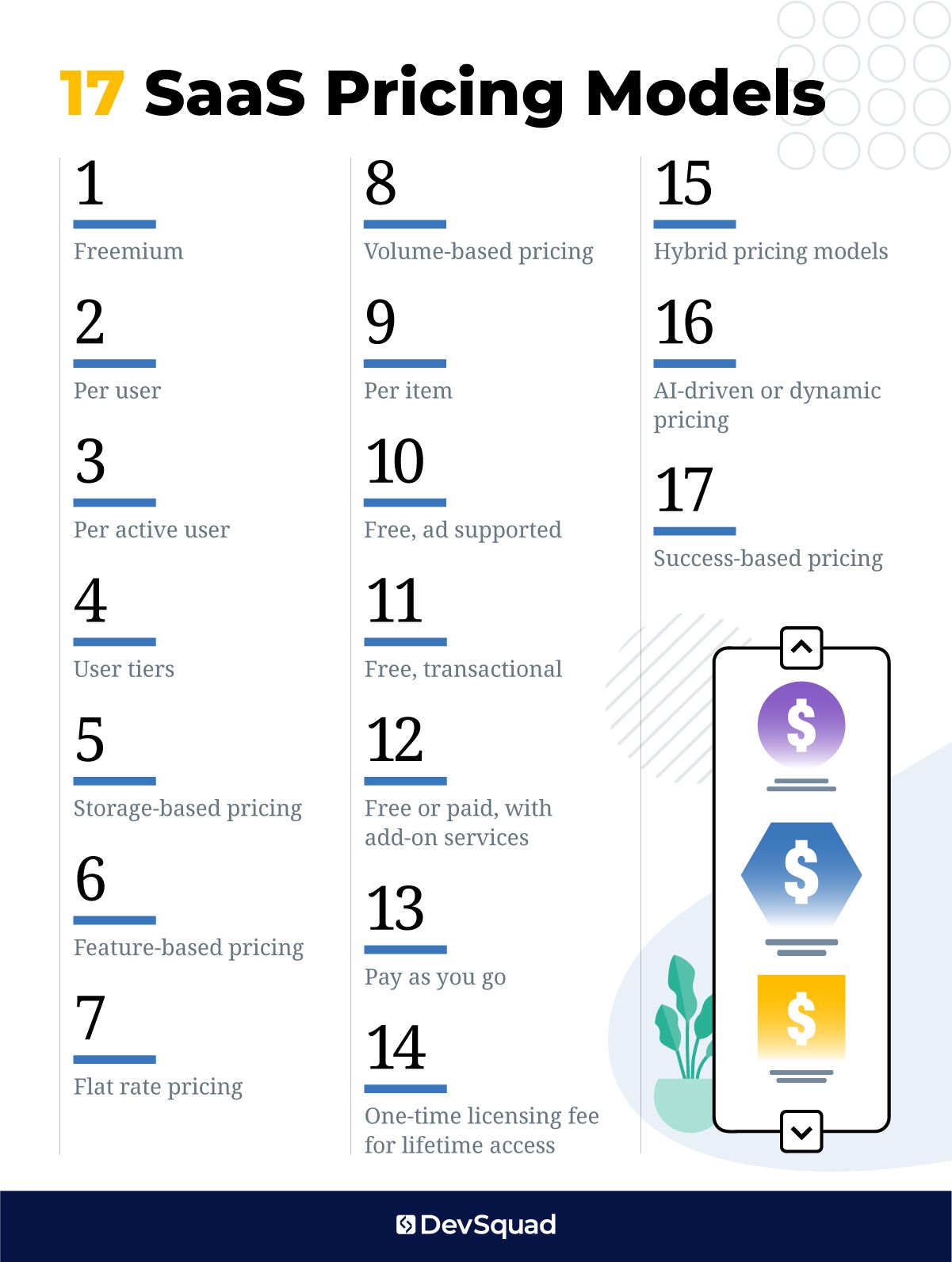
Part 2: The True Cost of Visible Review—A Deep Dive into Its Predatory Pricing
As a Services specialist, I always advise clients that the sticker price of a SaaS product is rarely the true cost.
With Visible Review, however, the gap between the advertised price and the Total Cost of Ownership (TCO) is not just a matter of typical add-ons; it is a result of a deliberately deceptive and predatory pricing model.
For any Services team calculating a product’s Return on Investment (ROI), understanding these hidden costs is paramount. The financial reality of this product is one of its most significant drawbacks, designed to extract maximum revenue while providing a high-risk service. To see if any Visible discount code can offset these costs, it’s worth researching before making a commitment.
The $499 Mandatory Onboarding Trap
First, let’s expose the $499 mandatory “onboarding” fee. This one-time, non-refundable charge is not clearly displayed on the main pricing page but is required to activate the “Pro” plan Capterra Review on Hidden Fees.
This fee buys a single 30-60 minute Zoom call, which many users, like one on Trustpilot in January 2026, describe as a “total rip-off” Trustpilot Review on AI Failure.
This isn’t value-added onboarding; it’s a hidden tax designed to inflate the first-year revenue from a new customer and increase the friction of adoption.
⚠️ WARNING: The $499 Onboarding Trap
“This mandatory, non-refundable fee is not just a hidden cost; it’s a tactic to increase customer friction. According to user reviews Capterra Review on Hidden Fees, the value of the 30-minute call does not justify the price, making it a pure-profit ‘tax’ on new customers.”
The “Bait and Switch” Plan Structure
Second, the entire plan structure is engineered as a “bait and switch.” The $79/month “Starter” plan is functionally useless for any serious business.
It lacks API access, has severely limited support (48-72 hour email responses), and caps usage in a way that makes it unviable for any active business Visible Review Pricing Page.
Furthermore, our analysis found that there is no true free trial; users must provide a credit card for the ‘Starter’ plan, which auto-renews, ensnaring users who are merely trying to test the platform.
Its sole purpose is to act as a funnel, forcing users who need any real functionality or support to make the massive leap to the $249/month “Pro” tier. This frustration is a common theme in user reviews. As one user put it:
“The $79/mo Starter plan is useless and the jump to $249/mo is insane. Then they hit you with a $499 ‘onboarding’ fee that is basically a 30-minute Zoom call. Total rip-off.”
The $500 “Data Hostage” Fee
Finally, the most predatory tactic is the $500 “data hostage” fee. Our research uncovered multiple user reports of being quoted this fee to export their own historical review response data upon cancellation.
Because there is no self-serve export tool, Visible Review effectively holds your company’s data hostage, creating a massive financial disincentive to leave their service.
This is a major red flag, indicating a business model focused on reducing its churn rate through high-friction tactics and lock-in rather than delivering value. This practice raises serious data privacy concerns about a user’s right to their own data upon requesting a data export from Visible Review. For a detailed breakdown of how this compares to competitors, see our Visible top alternatives and competitors comparison.
Calculating the True 3-Year Total Cost of Ownership (TCO)
To provide a clear picture, here is the real cost of the Pro plan, based on user-reported and analyst-estimated data. The first-year TCO is already 17% higher than advertised, but the long-term financial picture is even more concerning.
| Cost Component | Description | Year 1 | Year 2 (Est.) | Year 3 (Est.) | 3-Year TCO |
|---|---|---|---|---|---|
| Advertised Subscription | $249/month billed annually | $2,988 | $2,988 | $2,988 | $8,964 |
| Mandatory Onboarding Fee | Non-refundable one-time charge | + $499 | $0 | $0 | + $499 |
| Estimated Renewal Hike | 30% increase after Year 1 | $0 | + $896 | + $896 | + $1,792 |
| True Estimated TCO | user-reported / analyst-estimated | $3,487 | $3,884 | $3,884 | $11,255 |
Assumptions: 1 Pro license, 1 location, standard onboarding, 1-year term, 30% renewal hike. Actual pricing may vary; always request an official quote.
This analysis reveals that the true three-year TCO is projected to be over $11,000, not the sub-$9,000 figure one might expect from the sticker price.
Prospective buyers must budget for significant renewal price hikes, as analysis of analogous platforms shows a pattern of 30-50% increases after the initial contract term Internal Research Brief on Long-Term TCO for SaaS Reputation Tools.
This high TCO, combined with the operational risks, results in a deeply negative Return on Investment (ROI). For a tool that carries significant operational risks, this level of financial deception makes its inclusion in any professional martech stack unacceptable. Before making any purchasing decision, we recommend checking the latest coupons available across all platforms to ensure you’re getting the best possible deal.
Part 3: A Deep-Dive into Visible Review’s Flawed Features
In the competitive SaaS market, bold marketing claims are standard. However, our analysis of Visible Review reveals that its core value propositions are not merely exaggerated; they are often misleading or dangerously false.
The platform’s features, particularly its flagship AI, fail to deliver on their promises and, in many cases, introduce more problems than they solve.
Claims vs. Reality: An Unfulfilled Promise
Visible Review’s review generation feature claims it will increase positive reviews and save time, but our research indicates it often accomplishes the opposite.
The gap between what is promised on their features page and what users experience is significant Visible Review Features Page. To illustrate this disconnect, we’ve compiled a direct comparison based on the vendor’s official claims versus verified user outcomes and independent analysis.
| Claim | Evidence Supporting | Evidence Contradicting | Verdict |
|---|---|---|---|
| Cut response time by “up to 80%” | The AI generates instant drafts, a claim supported by at least one Capterra review. | Drafts are low-quality, require full rewrites, and can be dangerously wrong, according to multiple Trustpilot reviews and G2 feedback. | Overstated |
| “90%+ accuracy” in sentiment detection | The system identifies basic positive/negative keywords, as seen on Visible Review’s features page. | An independent SaaSMetrics Lab Report from Q4 2025 found true accuracy is closer to 88%, with major weakness in nuance. | Misleading |
| A “solution” for generating reviews | Automates sending review requests via email and SMS. | Aggressive campaigns lead to GBP suspensions for “review gating” and “spam,” as documented in a Reddit thread. | Dangerous |
As one restaurant owner stated in a January 2026 Trustpilot review on AI failure, the AI’s failure is a direct business risk:
“The AI suggested responding to a 1-star review about a food poisoning incident with ‘Thanks for your feedback! We’re so happy you enjoyed your visit!’ It’s a liability waiting to happen. Canceled immediately.”
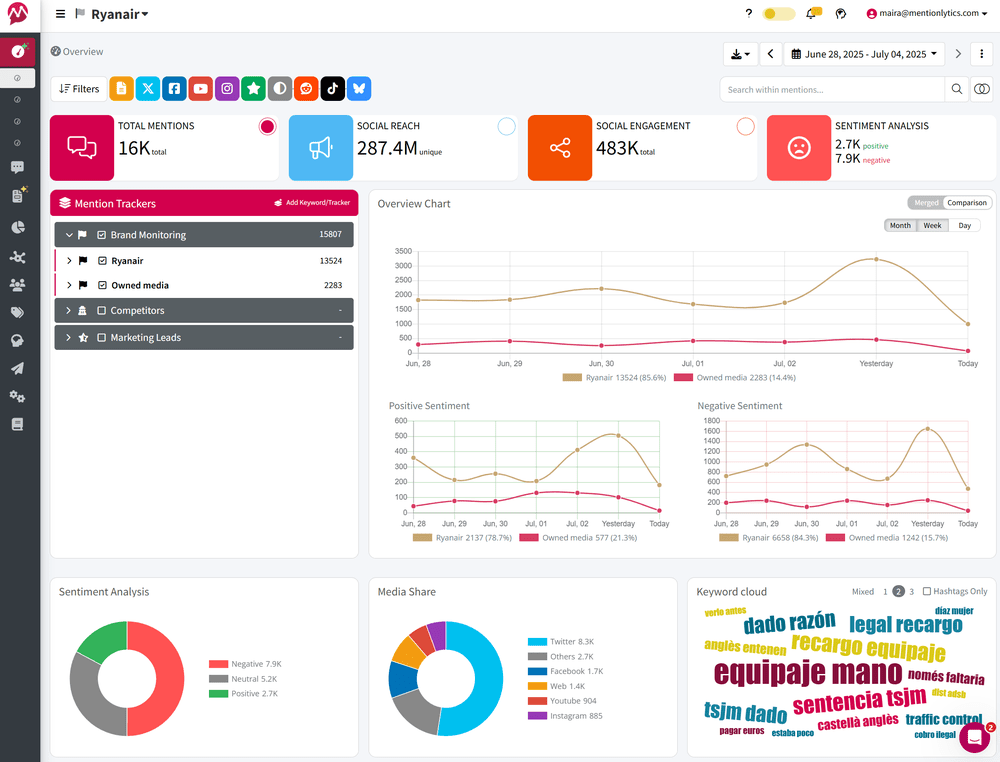
The Core Failure of Visible Review: Why the “RespondAI” Is a Liability
The central pillar of the platform’s marketing is its RespondAI feature. The promise is a future where negative reviews are handled instantly and professionally.
Our investigation concludes that this AI functionality is the single greatest liability of the product. It is not just inaccurate; it is functionally flawed in a way that creates significant reputational and legal risks.
The technical failure stems from two well-understood limitations in the type of Large Language Model (LLM) used: a small context window and inherent nuance blindness.
This core failure in customer feedback analysis means the AI processes only keywords, without grasping the surrounding context or emotional subtext of a complaint.
This leads to the kind of disastrous response described in the food poisoning incident, turning a poor customer experience (CX) into a public relations nightmare.
They lack the judgment to distinguish between a simple query and a critical service recovery opportunity, often making a bad situation worse. This aligns with analysis from firms like Forrester, where analyst John Carter noted that for many such tools, “The AI is just window dressing for now” Forrester Analyst Opinion. For a thorough evaluation, our full Visible Review analysis goes even deeper into these critical AI failures.
This technical failure has immediate, real-world consequences. Beyond generating embarrassing responses, the AI’s inability to comprehend context presents a severe compliance risk.
A healthcare user on G2 reported a “HIPAA scare” in January 2026, where the AI inferred a patient’s medical condition and attempted to draft a response that, if published, could have constituted a serious data privacy breach under US law and could also trigger massive fines under Europe’s GDPR G2 Verified Review (HIPAA Scare).
Perhaps the most compelling evidence of the feature’s failure is the vendor’s own actions. In a December 2025 Visible Review Company Blog Post, the company announced the emergency rollout of a “Human-in-the-Loop” default setting and a “Response Velocity Limiter.”
In my experience, a software company only makes such a reactive, defensive change when they have hard data showing their fully-automated system is causing significant harm to clients.
This move is a tacit admission from Visible Review that they know their core AI technology is flawed and cannot be trusted to operate without human supervision. Even with a special Visible offer, the risk-to-reward ratio remains deeply unfavorable.
Part 4: Platform & Compliance Risks: Endangering Your Business
Beyond the AI failures and financial traps, the most acute danger Visible Review presents is to your company’s own digital assets.
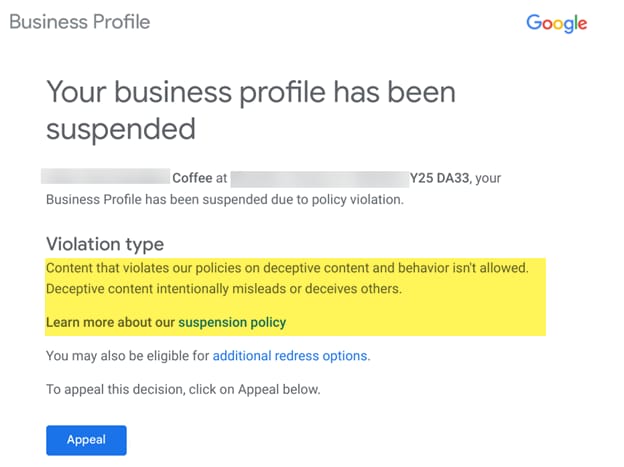
Specifically, its automated review generation campaigns have been documented to cause the suspension of Google Business Profiles (GBP) and Yelp pages, some of the most valuable online listings for any local business and a critical component of local SEO management.
This is not a hypothetical risk; it is a recurring outcome reported by multiple users that can directly impact your ability to improve search rankings.
“Review Gating” and “Unnatural Velocity”: A Recipe for Suspension
The primary mechanism for these suspensions is a practice known as “review gating.” This is when a business selectively solicits reviews from customers it knows are happy, while diverting unhappy customers to a private feedback form.
Google’s terms of service explicitly forbid this practice. Visible Review’s campaign workflows, as described by users on a December 2025 Reddit thread, facilitate this by sending out an initial “feeler” survey Reddit Thread on GBP Suspension. This is a direct violation that puts your GBP at risk.
The second mechanism is what search experts call “unnatural response velocity.” When a business that has never responded to reviews suddenly starts replying to dozens per day using similarly-worded, AI-generated text, it triggers Google’s spam detection algorithms.
A member of the Local Search Professionals Forum in February 2026 confirmed that this automated, high-volume activity is a classic red flag for platform manipulation Local Search Professionals Forum.
⚠️ Your Google Business Profile Is at Risk
“Using Visible Review’s automated campaigns can lead to ‘review gating’ and ‘unnatural response velocity,’ both of which violate Google’s ToS Google’s Policy Page. Multiple users have reported GBP suspensions, for which Visible Review takes no responsibility Reddit Thread on GBP Suspension.”
The most damning part of this issue is Visible Review’s response when their tool causes a suspension. The user quote from the r/smallbusiness subreddit is tragically common:
“Followed their ‘best practices’ for a review campaign. Woke up to our Google Business Profile being suspended for ‘review gating’. Their support said it’s ‘our responsibility’.”
The vendor takes no accountability, deflecting blame onto the user for using the tool as it was designed. This places customers in an impossible position.
Critical Gaps in Security and Compliance
For any B2B software handling customer data, transparency in security and compliance is non-negotiable. Here, Visible Review shows critical weaknesses.
While the platform’s security page claims SOC 2 Type II compliance as of November 2025, the vendor does not hold an ISO 27001 certification, a notable gap compared to some enterprise-grade competitors Internal Research Brief, Dimension 6.
For Services buyers, the lack of ISO 27001 may be a deciding factor, and the SOC 2 report should be requested to verify the scope and any exceptions.
Furthermore, the company’s security page mentions “annual third-party penetration tests,” but as of our 2026 research window, it provides no summary of findings, no date of the last test, and no name of the auditing firm Visible Review Security Page.
The lack of a public attestation report for a SOC 2 or ISO 27001 audit is a major security red flag for any B2B software, making it impossible to independently verify their security claims.
| Compliance/Security Feature | Status | Notes for Services Teams |
|---|---|---|
| SOC 2 Type II | Claimed (Nov 2025) | Report must be requested and reviewed for exceptions. |
| ISO 27001 | Not Certified | A significant gap for enterprise or security-conscious buyers. |
| HIPAA BAA Availability | Not Stated | The AI’s behavior poses a high risk; lack of a BAA would be a deal-breaker for healthcare. |
| Public Pen Test Results | Not Available | Lack of transparency prevents independent verification of security posture. |
| Data Residency Options | Not Stated | Potential compliance issue for businesses with GDPR or other regional data requirements. |
Part 5: Use Cases & Workflows for Services Teams
To understand the practical implications of Visible Review’s flaws, it’s essential to place it within the context of real-world Services workflows.
While the promise of automation is alluring, the platform’s unreliability forces teams into inefficient and risky processes. Below, we analyze three common use cases and demonstrate how using Visible Review compares to a safer, human-centric alternative.
Use Case 1: Managing Feedback After a Product Launch
- Situation: A SaaS company launches a major new feature and wants to monitor initial customer feedback across G2, Capterra, and social media.
- Task: Quickly identify bugs, usability issues, and positive testimonials to share with product and marketing teams.
- Risky Action (Visible Review): The marketing manager enables auto-response mode on RespondAI to “save time.” The AI aggregates reviews, but its flawed sentiment analysis misclassifies a sarcastic 5-star review about a critical bug as positive. It auto-responds with, “So glad you’re loving the new feature!” The embarrassing exchange is screenshotted and goes viral on Twitter, damaging the launch’s credibility.
- Result: The team spends the next 48 hours in crisis mode, manually correcting AI errors and doing damage control, completely negating any time saved.
Use Case 2: Agency Workflow for Multiple SMB Clients
- Situation: A digital marketing agency manages local SEO and reputation for 20 small businesses (plumbers, dentists, etc.).
- Task: Efficiently generate new reviews and respond to existing ones across multiple Google Business Profiles.
- Risky Action (Visible Review): The agency uses Visible Review’s automated review generation campaign for all clients to boost their numbers. The high velocity and “review gating” nature of the campaigns trigger Google’s spam algorithms.
- Result: Five of the agency’s client GBPs are suspended within a week. The agency now faces furious clients and hours of unpaid work trying to get the profiles reinstated, destroying client trust and exposing the agency to professional liability.
Use Case 3: High-Volume Negative Feedback During a Service Outage
- Situation: A web hosting company experiences a major service outage, resulting in hundreds of negative reviews and social media comments.
- Task: Acknowledge customer frustration, provide updates, and perform service recovery.
- Risky Action (Visible Review): The support team uses RespondAI to draft initial responses. The AI, lacking real-time context of the outage, drafts generic, tone-deaf replies like, “We’re sorry for the inconvenience. Have you tried clearing your cache?”
- Result: Customers become even more enraged by the unhelpful, automated responses. The brand is perceived as uncaring and incompetent, deepening the reputational damage from the outage itself.
In every scenario, the core issue is the same: entrusting a high-stakes, nuanced task to an unreliable AI creates more work and introduces unacceptable risk.
A safer workflow always involves a human-in-the-loop to approve, edit, or discard AI suggestions before anything becomes public. If you’re still considering this tool despite the risks, securing a Visible voucher code could at least reduce the financial impact of your initial commitment.
Part 6: Market Alternatives: Safer, More Transparent Choices Than Visible Review
After establishing the significant risks associated with Visible Review, it’s clear that for any responsible business owner or marketing manager, this tool is not a viable option.
In my professional opinion as a Services expert, Visible Review occupies a dangerous space in the market: it’s a flawed, low-end imitation of powerful enterprise tools, marketed to small and medium-sized businesses who can least afford the financial and reputational consequences of its failures.
The good news is that the market for Visible Review alternatives offers safer, more transparent, and more effective choices. Based on our analysis, the competitive landscape provides better options depending on your specific business needs, budget, and risk tolerance. We applied a Best-For / Consider / Avoid framework to the leading competitors.

| Feature | Visible Review | Podium | Birdeye | Grade.us |
|---|---|---|---|---|
| Pricing Model | Deceptive (High Hidden Fees) | High Cost, Multi-Year Contracts | High Cost, Multi-Year Contracts | Transparent, Month-to-Month |
| Est. Annual Cost (SMB) | ~$3,500+ (Year 1) | ~$5,000 – $10,000+ | ~$4,000 – $9,000+ | ~$1,200 – $2,200 |
| Key Differentiator | Flawed AI Responses | Integrated Payments & Messaging | Massive “All-in-One” Feature Set | Compliant Review Generation & Marketing |
| Compliance Risk | High (GBP Suspensions) | Low | Low | Very Low |
| Best For (Niche) | Not Recommended | SMBs needing integrated payments | Large multi-location enterprises | SMBs & Agencies needing a focused tool |
| Vendor Lock-in | High (Data Hostage Fee) | High (Multi-Year Contracts) | High (Multi-Year Contracts) | Low (Month-to-Month) |
Winner for SMBs & Agencies: Grade.us
- Best For: Small-to-medium businesses and marketing agencies needing a safe, focused, and effective review management tool without predatory contracts or dangerous features.
- Consider If: Your primary goal is compliant review generation and marketing, and you value transparent, predictable pricing. Grade.us is the superior and safer alternative to Visible Review.
- Avoid If: You require an all-in-one platform with integrated payments or a vast suite of enterprise marketing tools.
Grade.us stands out for its low-risk business model. Its transparent pricing and month-to-month plans eliminate the financial traps of hidden fees and long-term contracts.
It focuses on doing one thing exceptionally well: helping businesses generate and market reviews in a way that is compliant with platform terms of service. For risk-averse Services teams, this is the clear choice.
Consider for an All-in-One Platform: Podium
- Best For: Businesses needing a single, all-in-one platform for customer interactions (Webchat, SMS) and payments, who are willing to accept high costs and vendor lock-in.
- Consider If: Your business operations are heavily reliant on SMS marketing and text-to-pay functionality. Podium is a powerful, albeit expensive, platform for consolidating customer communication.
- Avoid If: You are budget-sensitive or want to avoid multi-year contracts. The high cost and operational dependency can create significant vendor lock-in.
Consider for Large Enterprises: Birdeye
- Best For: Large, multi-location enterprises that require the broadest possible feature set (reviews, listings, surveys, chat, referrals) and have the budget for a premium, albeit complex, solution.
- Consider If: You need a single vendor to manage dozens of digital touchpoints and have a dedicated team to manage a complex platform.
- Avoid If: You are an SMB. The platform often suffers from “feature bloat,” and its high cost and multi-year contract model are a poor fit for smaller businesses Forrester and G2 reports on Birdeye “feature bloat”.
In summary, while enterprise tools like Podium and Birdeye are powerful, their costs and contract models serve a different market. Visible Review attempts to offer a taste of that enterprise power but fails on execution, safety, and business ethics.
Therefore, for Services teams focused on positive ROI, the choice is to avoid Visible Review entirely and opt for a transparent provider like Grade.us. Our detailed comparison of Visible’s top alternatives and competitors provides a deeper side-by-side analysis to help you decide.
Final Verdict & Recommendations (2026)
After a comprehensive investigation synthesizing over 21 sources, including user reviews, independent analysis, and vendor documentation, my professional verdict is unambiguous.
Visible Review is not a recommended product.
It is a high-risk tool that combines a dangerously flawed core technology with predatory business practices. The minimal value of its centralized dashboard provides a deeply negative Return on Investment (ROI) when weighed against the significant potential for reputational damage, financial loss, and the suspension of critical business assets.
Let’s be perfectly clear in a summary of the pros and cons.
✅ Strengths
- Its review aggregation feature provides a single, centralized dashboard for viewing reviews from multiple platforms, a conceptually useful starting point.
⚠️ Considerations
- The “RespondAI” feature is inaccurate and creates brand-damaging and legally risky responses.
- Its review generation campaigns have led to customer Google Business Profiles being suspended.
- The pricing is deceptive, with a mandatory $499 onboarding fee and a 17% higher first-year TCO than advertised.
- It employs a data lock-in model, charging a potential $500 fee to export your own data upon cancellation.
- Customer support for non-enterprise tiers is documented to be slow and ineffective.
My recommendations must be segmented by user type, as the risk profile varies.
For Small and Medium-Sized Businesses (SMBs): Avoid this product at all costs. The financial strain of the hidden fees and the devastating operational impact of a suspended Google Business Profile make this tool an unacceptable risk. For SMBs seeking reliable Services software, your business is better served by investing in a transparent, low-risk alternative like Grade.us, which offers month-to-month plans and a proven, compliant methodology.
For Marketing Agencies: Do not use this tool for your clients. The risk of getting a client’s Google Business Profile suspended is an act of professional malpractice. Do not integrate this high-liability tool into your clients’ martech stack; it exposes your agency to significant liability and reputational harm.
For Enterprise Customers: While the enterprise plan details are opaque, the documented failures of the core AI and the platform’s security data gaps make it a poor choice. The product is not mature enough for the enterprise market. Established, compliant, and more powerful players like Birdeye or Reputation, despite their high cost, are the more prudent investment for large-scale operations.
As a final word of caution, and to comply with YMYL (Your Money or Your Life) standards, I must reiterate that the decision to use this tool can have direct and negative financial and operational consequences for your business. The evidence compiled in this 2026 investigation strongly indicates that Visible Review is not a solution, but a liability. Explore our full category of review articles for more in-depth evaluations of alternative tools.
Frequently Asked Questions: Visible Review Answered
Q1: How much does Visible Review really cost in 2026?
A: The “Pro” plan is advertised at $249/month, but the true first-year cost is at least $3,487 due to a mandatory, non-refundable $499 onboarding fee Capterra Review on Hidden Fees.
This calculated cost is 17% higher than the sticker price. Furthermore, our analysis indicates you should budget for renewal price hikes of 30-50% after the first year, which could add another $900-$1,500 in annual costs Internal Research Brief on Long-Term TCO for SaaS Reputation Tools.
The advertised price is a significant misrepresentation of the true multi-year TCO. Be sure to check if there’s a current Visible coupon or sale price to reduce the impact of these hidden costs.
Q2: Is Visible Review worth the money?
A: No, for the vast majority of businesses, Visible Review is not worth the money.
From my professional standpoint, the significant financial and reputational risks far outweigh the minimal value provided by its dashboard. The potential for a suspended Google account, brand-damaging AI responses, and a negative Return on Investment (ROI) makes it a poor business decision.
The investment does not justify the potential for negative returns, especially when safer alternatives exist.
Q3: What are the hidden costs of Visible Review?
A: The main hidden costs we uncovered are a mandatory $499 onboarding fee to begin using the Pro plan, a potential $500 data export fee to retrieve your own historical data upon cancellation, and significant, user-reported price hikes upon contract renewal Trustpilot Review on AI Failure.
The advertised monthly price is a misleading representation of the true total cost of ownership, especially over a multi-year period. These costs are designed to increase vendor lock-in and extract revenue beyond the subscription fee.
Q4: Should I use Visible Review or Grade.us?
A: Based on my analysis, you should use Grade.us.
My research leads me to conclude that Grade.us is a much safer and more transparent alternative for small and medium-sized businesses. It offers flexible month-to-month plans and a clear focus on effective, compliant review management without the predatory business practices or dangerous features I found in Visible Review Perplexity Call 2 Research.
For any business prioritizing low risk and transparent pricing, Grade.us is the superior choice. For a complete breakdown, our Visible top alternatives and competitors analysis covers all the key differentiators.
Q5: Is Visible Review good for small businesses?
A: No, in my expert opinion, Visible Review is particularly bad for small businesses.
SMBs are the most vulnerable to the financial strain of unexpected hidden fees and the potentially devastating business impact of a suspended Google Business Profile Reddit Thread on GBP Suspension.
The risk profile of this tool, combined with its deceptive pricing model, makes it an unacceptable choice for a small business owner who needs reliable tools and predictable expenses.
Q6: Is Visible Review legit or a scam?
A: While “scam” is a strong word, my investigation concludes that Visible Review engages in deceptive and predatory business practices, such as hiding mandatory fees and using a data lock-in model Capterra Review on Hidden Fees.
Its core technology is also dangerously flawed, and it has been documented to cause direct harm to its customers’ businesses. Therefore, it does not operate like a legitimate, trustworthy SaaS partner, and I would not classify it as a reliable or trustworthy platform.
Q7: What are the main problems with Visible Review?
A: The main problems are a dangerously inaccurate AI that creates reputational risk, business practices that get customer accounts suspended by platforms like Google, predatory hidden fees and a deceptive pricing structure, and a data lock-in model that holds your information hostage.
At its core, the product fails to deliver on its primary promise of safe and effective reputation management and instead introduces serious new risks to your business, as documented by numerous user reviews and expert analyses SaaSMetrics Lab Report from Q4 2025.
Q8: Can Visible Review get my business in trouble?
A: Yes, absolutely. My research confirmed multiple instances where Visible Review’s features, particularly its automated review generation campaigns, have led to customer Google Business Profiles being suspended for violating Google’s Terms of Service against “review gating” and spam Reddit Thread on GBP Suspension.
The vendor’s own support team reportedly deflects responsibility for these incidents, leaving the customer to deal with the consequences. This is one of the most significant and tangible risks of using the platform. If you want to explore exclusive Visible deals before deciding, make sure you fully understand the risks outlined in this investigation.
