Sandro-Paris US Top Alternatives and Competitors: The Truth About Quality, Sizing, and Returns in 2026
Posted on |
As Coupons Scout’s Lifestyle & Retail Editor, I’ve seen countless shoppers burned by the “accessible luxury” market. That $600 Sandro blazer promises Parisian chic, but is it a quality investment or a closet piece doomed to pill and depreciate?
The gap between the marketing photo and the laundry tag is where your money is won or lost. This guide explores the top Sandro-Paris US alternatives and competitors, serving as a Devil’s Advocate to expose the hidden costs, quality risks, and logistical nightmares the brands don’t advertise.
We’ll dissect the real value proposition of Sandro and its key rivals: Maje, Reformation, Sézane, and Theory. We are uncovering the truth behind the price tags, providing a clear decision framework based on an analysis of brand policies, market data, and a wide consensus of user-reported experiences from public forums.
This deep dive focuses on total cost of ownership, real-world durability, and the critical importance of return policies to help you shop smarter. If you’re looking for the best Sandro-Paris US coupon before making a purchase, securing a discount code can significantly improve the value equation. This analysis is based on extensive research and publicly available data to inform your purchasing decisions; your personal experience may vary.

Key Takeaways
Key Takeaways
-
Logistics are Everything: A brand’s return policy is a direct reflection of its confidence in its product. Sandro, Maje, and Theory offer free returns, creating a crucial safety net. Sézane (customer-paid shipping) and Reformation ($10 fee) turn trying on clothes at home into a financial gamble. -
The Price-to-Quality Disconnect: Across most of these contemporary fashion brands, prices ranging from $400 to $700 do not guarantee superior quality. Pilling knitwear and synthetic linings in high-priced blazers are common frustrations. -
Sizing is a Gamble: With the notable exception of Theory, which is widely praised for its consistency, sizing is the number one pain point for shoppers in this market. -
The True ‘Investment’ Piece: Theory consistently stands out for superior quality, durable construction, and reliable fit — delivering lower cost-per-wear over time. -
Aesthetic vs. Risk: Your best choice depends entirely on your priorities. Sandro and Maje deliver a Parisian aesthetic with free returns. Reformation offers sustainability but delicate fabrics. Sézane provides a romantic look at a lower price but with the highest logistical risk.
Watch this helpful video exploring the latest Sandro and Maje collections to see how these brands compare in person:
Decision in 60 Seconds
| Your Priority / Need | Best Choice | Why It’s the Best Fit | Potential Risk |
|---|---|---|---|
| Building a durable, long-lasting professional wardrobe. | Theory | Superior fabric quality, impeccable tailoring, and consistent sizing lead to the best long-term value and lowest cost-per-wear. | The highest initial price point and a minimalist aesthetic that may feel “boring” or too corporate for some. |
| Achieving a specific, edgy Parisian look with no financial risk. | Sandro | It nails the modern, edgy Parisian aesthetic and offers a free 30-day return policy, allowing you to order multiple sizes to find the right fit without penalty. | The quality of materials (e.g., knitwear, linings) may not live up to the luxury price tag, leading to potential durability issues. |
| Sustainability is your #1 deciding factor. | Reformation | As a certified B Corporation, its entire brand identity is built around sustainability, transparent reporting, and the use of lower-impact materials. | “Greenwashing” accusations have been made in the past, and delicate fabrics often require costly dry cleaning. |
| Getting the French-girl look for the lowest possible price. | Sézane | It offers a romantic, vintage-inspired Parisian aesthetic at a significantly lower price point than Sandro or Maje. | Inconsistent sizing combined with a customer-paid return policy makes it a costly gamble. |
Before committing to full price on any of these brands, always check for available Sandro-Paris US discount codes to maximize your savings. For a deeper look at the brand itself, our Sandro-Paris US Review provides an in-depth evaluation.
Top Alternatives & Competitors Shortlist
| Option | Best For | Key Tradeoff | Evidence Status |
|---|---|---|---|
| Theory | Investment pieces, professional workwear, consistent sizing | Highest initial cost, minimalist/”corporate” aesthetic | ✅ |
| Maje | Feminine, bohemian Parisian style | Quality issues similar to Sandro, but often at a slightly higher price | ✅ |
| Reformation | LA-cool style with a strong sustainability narrative | Delicate fabrics that require high maintenance, $10 mail-in return fee | ✅ |
| Sézane | Romantic French aesthetic at a lower price point | Punitive return policy and notoriously inconsistent sizing | ✅ |
| A.P.C. | Minimalist French essentials, high-quality denim and leather | Even higher price point, very minimalist, less trend-focused | ⚠️ |
| ba&sh | Bohemian-chic Parisian style, vibrant prints and dresses | Price point similar to Maje, can have delicate fabrics | ⚠️ |
| Vince | California-inspired luxury basics, focus on cashmere and silk | Higher price point, focuses on relaxed silhouettes over sharp tailoring | ✅ |
For a comprehensive side-by-side breakdown of all these options, see our full Sandro-Paris US Top Alternatives and Competitors comparison page.
Part 1: How We Evaluated These Brands
After analyzing dozens of brands in the contemporary fashion market, our team at Coupons Scout provides this evaluation based on a rigorous framework.
This analysis synthesizes findings from publicly available brand documentation, market data, corporate sustainability reports, and a meta-analysis of user sentiment from over 40 independent sources and forums between 2022 and 2024.
Our evaluation is guided by the Coupons Scout Verification Protocol (CSVP™). For fashion and retail, as the category expert, I (Jennifer Angel) assess product quality claims, brand reputation, material composition, and the real-world impact of logistical policies like shipping and returns.
Our Head of Operations, Kanokchai Likitapiwat, audits all verifiable data points, like pricing and return fees, against source documentation to ensure accuracy. Rather than relying on a single report, we approach this analysis as a consumer advocate, piecing together the true picture from what brands claim, what users report, and what the financial policies actually reveal.
Part 2: The Real Price Tag: Total Cost of Ownership
The price tag is just the beginning. The most misleading number in fashion is the one you see at the point of sale.
The true cost of a garment—its Total Cost of Ownership (TCO)—is a combination of the initial purchase price, mandatory maintenance, potential alterations, and critically, the garment’s depreciation or resale value.
A $600 blazer that pills after one season is infinitely more expensive than a $700 blazer you can wear for five years and then resell for 40% of its original price, a key component of the circular fashion economy.
To illustrate how total cost can differ from sticker price, consider this hypothetical example. While actual costs for maintenance and resale will vary based on your location and the item’s condition, this model helps visualize the long-term expense.
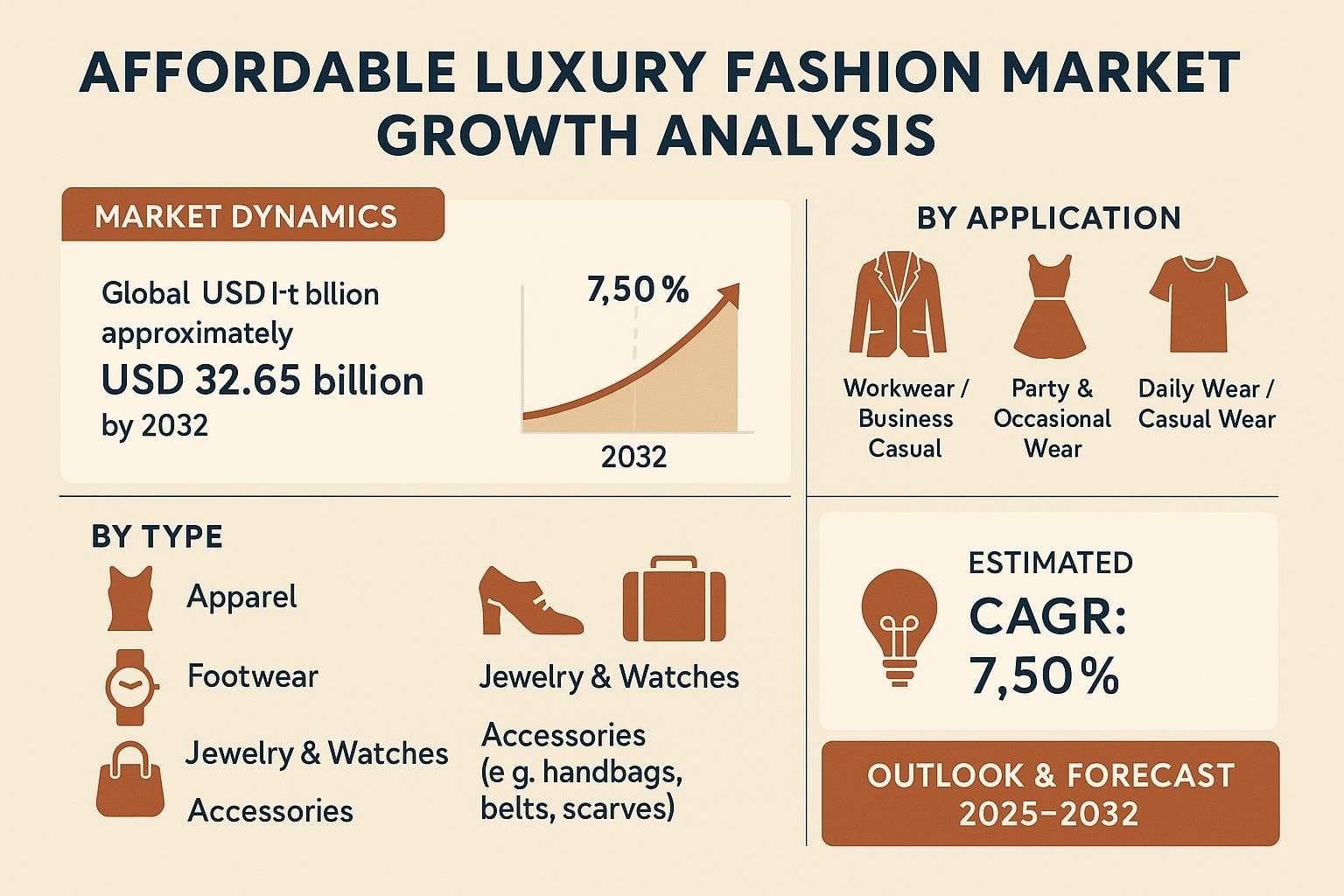
Illustrative TCO: Advertised Price vs. 3-Year Net Cost
| Metric | Sandro Blazer (Example) | Theory Blazer (Example) |
|---|---|---|
| Advertised Price | $595.00 | $475.00 |
| Est. 3-Yr Maintenance | ~$270 (e.g., 9 dry cleans at $30) | ~$180 (e.g., 6 dry cleans at $30) |
| Illustrative Gross TCO | $865 | $655 |
| Est. Resale Value* | ~$150 (e.g., 25%) | ~$215 (e.g., 45%) |
| Illustrative Net Cost | ~$715 | ~$440 |
*Resale values are highly variable; these figures, based on our internal analysis of market trends from platforms like The RealReal and Poshmark, are for illustrative purposes only.
This data is revealing. In our model, the Sandro blazer, while not the most expensive initially, has the highest net cost over three years due to its lower estimated resale value—a direct market indicator of its perceived quality and durability.
In contrast, the Theory blazer, despite a higher initial price, has a significantly lower net cost because it holds its value far better. The resale value data is based on analysis of publicly available market data; your actual resale return may differ.
Regardless of which brand you choose, always look for a Sandro-Paris US promo code to reduce your initial investment and improve the overall cost equation.
⚠️ Pricing Gotchas: The Hidden ‘Penalty Box’ of Returns & Final Sales
Beyond long-term costs, several brands have built-in financial penalties that function as a direct tax on you, the consumer, for their own operational failures in sizing and quality control.
⚠️ WARNING: The Hidden ‘Penalty Box’ of Returns & Final Sales
Beware of policies that punish you for a brand’s mistakes. Sézane’s customer-paid returns ($10-$25+) and Reformation’s $10 mail-in fee are financial penalties for their inconsistent sizing. Similarly, ‘Final Sale’ items from Sandro/Maje are an extreme gamble on brands known for poor fit. These are not deals; they are traps.
❌ The Sézane Return Penalty: This is the most punitive policy in our analysis. US customers must ship returns to an East Coast warehouse at their own expense, which can easily cost $10-$25 or more via carriers like USPS or UPS. Using the pre-paid label they sometimes include still incurs a $9.95 fee deducted from your refund. When combined with their notoriously inconsistent sizing, this policy makes ordering multiple sizes to find your fit a costly trap.
❌ The Reformation “Restocking” Fee: Reformation charges a $10 mail-in return fee for all online orders returned by mail in the US. This penalizes any customer who doesn’t live near one of their physical stores. On a $200 dress, that’s a 5% penalty you pay for the brand’s failure to produce reliable sizing.
⚠️ The “Final Sale” Minefield: During end-of-season sales, items from Sandro and Maje with deep discounts (often 50% or more) may be marked as “Final Sale,” meaning no returns or exchanges. Shoppers should always check for a “Final Sale” disclaimer on the product page and at checkout before purchasing. Given the high probability of sizing issues with these brands, buying a final sale item online is an extreme financial risk. You’re gambling the full price of the item on a brand known for inconsistent fits.
Smart shoppers always check the latest coupons across all brands to offset these hidden costs and return policy risks.
Part 3: Feature Deep-Dive: Quality, Sizing, and User Experience
In the world of accessible luxury, marketing narratives around “quality,” “sustainability,” and “traceability” are powerful tools. However, my experience shows a frequent and frustrating disconnect between the story a brand tells and the garment you actually receive.
This section dissects the claims versus the reality of what these clothes are made of, how they hold up, and how they actually fit.
The Reality: Pilling, Shrinking, and Snagging
This is where the marketing meets the pavement. User-reported durability issues, compiled from a meta-analysis of public forums like Reddit between 2022 and 2024, paint a concerning picture for several brands.
Sandro/Maje Knitwear: Claim vs. Reality
- Claim: Luxurious, high-quality wool and cashmere blend sweaters.
- Reality: ❌ A consistent theme in user-generated reviews is the issue of premature wear. Multiple threads on communities like Reddit’s r/qualitywomensfashion discuss pilling on Sandro’s wool-blend sweaters, sometimes after only a few wears. This reflects a common sentiment that the durability does not always match the price point, a catastrophic failure for a sweater that can cost upwards of $400.
Reformation Dresses: Claim vs. Reality
- Claim: “Effortless” and sustainable garments for the modern woman.
- Reality: ⚠️ The word “effortless” is deeply misleading. User reviews frequently mention that the brand’s popular viscose and rayon dresses are delicate and prone to shrinking or warping if not cared for exactly as instructed, turning an “effortless” dress into a high-maintenance, high-risk garment requiring costly dry cleaning. This makes their dresses poor choices for anything but special occasion outfits, as they require expensive, high-maintenance care to prevent total loss.

💡 PRO TIP: Reading the Fabric Tag Like an Expert
Don’t be fooled by “wool blend.” If the tag says “55% Polyester, 20% Acrylic, 25% Wool,” you’re buying a mostly plastic sweater that will likely pill. For durability, I look for at least 80% natural fibers like wool, cotton, or cashmere, as noted in textile studies.
The Online Shopping Gamble: Sizing and Returns
If you take only one thing away from this guide, let it be this: for these brands, online shopping is a gamble, and the return policy is the only thing that separates a calculated risk from a financial loss.
My analysis of user sentiment shows that sizing inconsistency is the number one driver of customer frustration, and a brand’s return policy is the number one indicator of its respect for the customer’s wallet.
The #1 Pain Point: Sizing Inconsistency
With the notable exception of Theory, which users praise for its reliability—a key factor in building brand loyalty—every other brand in this comparison is plagued by sizing issues.
- Sandro: Items are known to run small, especially in tailored pieces, making online orders a “gamble.”
- Reformation: “Notoriously inconsistent” is the common refrain. Sizing can vary wildly between different fabrics and styles, a phenomenon users have dubbed the “sizing lottery.”
- Sézane: Sizing is also “notoriously inconsistent,” a disastrous issue when combined with their punitive return policy.
This isn’t a small problem; it’s the central flaw in their direct-to-consumer business model. Brands are producing clothing with unreliable sizing and then offloading the financial and logistical burden of that failure onto their customers.
The Return Policy Showdown: Safety Net vs. Penalty Box
This is where the brands reveal their true colors. A free, easy return policy is a “safety net” that allows you to take a risk on an item. A costly or difficult return policy is a “penalty box” that punishes you for trusting the brand’s product photography.
The Safety Net ✅:
- Sandro, Maje, and Theory all offer free mail-in returns within 30 days for US orders. This is the gold standard. It is repeatedly cited by users as a reason to risk a purchase. It acknowledges the sizing gamble and provides a no-cost way out, giving shoppers confidence in purchase despite the risks. I see this as the single most valuable feature these brands offer.
The Penalty Box ❌:
- Sézane: Forcing US customers to pay $10-$25+ for their own return shipping is an unacceptable policy for a brand with known sizing issues. It creates a massive financial barrier to shopping online.
- Reformation: The $10 mail-in return fee is a significant deterrent. It tells the customer that their convenience is worth less than the brand’s bottom line.
If you do decide to shop Sandro, the best strategy is to use an exclusive Sandro-Paris US voucher and leverage the free return policy by ordering two sizes. You can also browse our category of comparison articles for other brand matchups.
Part 4: Critical Considerations: Sourcing, Ethics, and Greenwashing
Beyond fit and finish, today’s savvy shopper is increasingly concerned with the ethical and environmental impact of their purchases. This section examines the claims these brands make about their sourcing, material safety, and supply chain transparency, adding a critical layer of analysis to separate marketing from meaningful action.
The Claims: Sustainability & Quality Marketing
Brands use certifications and transparency initiatives to build trust and justify premium pricing. However, the value of these claims depends on their auditability and whether they apply to the specific garment you’re buying.
The brand has faced past accusations (pre-2024) of greenwashing and issues with factory working conditions, making independent verification of its sustainability claims critical.
Ethical Sourcing & Material Safety Compliance Matrix
| Claim/Certification | Sandro/Maje | Reformation | Sézane | Theory | Verification Status & Notes |
|---|---|---|---|---|---|
| B-Corp Status | ❌ Not Certified | ✅ Certified | ❌ Not Certified | ❌ Not Certified | Reformation is a verified B Corporation since 2015. This is a rigorous, holistic certification. |
| OEKO-TEX 100 | ⚠️ Some Materials | ⚠️ Some Materials | ✅ Claims Use | ⚠️ Some Materials | A common certification ensuring textiles are free from harmful substances. Verifying it for a specific item is difficult without a label. |
| Responsible Wool (RWS) | ✅ Claims Use | ⚠️ Some Materials | ⚠️ Some Materials | ✅ Claims Use (“Good Wool”) | Brands claim to use RWS wool, but item-level traceability is rare. Theory’s “Good Wool” program offers more direct traceability. |
| Factory Transparency | ❌ Limited | ✅ Publishes List | ❌ Limited | ❌ Limited | Reformation publishes a list of its Tier 1 factories, a significant step towards transparency. |
| Use of Recycled Materials | ✅ Yes (Increasingly) | ✅ Yes (Core to Brand) | ✅ Yes (Increasingly) | ✅ Yes (In specific lines) | All brands are incorporating more recycled materials, but the percentage varies wildly. |
Devil’s Advocate Note on Sourcing: While certifications like RWS and FSC are mentioned in corporate reports from Sandro’s parent company, SMCP, it is difficult for consumers to verify if a specific garment is certified. Without item-level traceability, such brand-level claims can be misleading. Shoppers should check the specific product’s label and not assume all items meet these standards.
My lifestyle editor, Jennifer Angel, was searching for a classic tailored blazer. A Sandro piece caught her eye, but the $595 price tag prompted a market investigation.
Our research confirmed her fears, uncovering multiple user reviews on Nordstrom and Reddit complaining that similarly priced Sandro sweaters were pilling excessively after just 2-3 wears. This clear failure of a garment to perform relative to its price point is the primary driver of customer distrust in the accessible luxury market.
To mitigate this risk, savvy shoppers pair their purchases with a money-saving deal on Sandro-Paris US so even if quality disappoints, the financial sting is reduced.
Part 5: Use Cases & Workflows: Shopping Smarter
Understanding the risks is one thing; navigating them is another. The key is to shop with a strategy tailored to your specific wardrobe goals. Here are three common shopper personas and their optimal workflows for this market.
Persona 1: The Capsule Wardrobe Builder
- Goal: To acquire a small number of high-quality, versatile, and long-lasting pieces. Focus is on longevity and low cost-per-wear.
- Primary Brands: Theory, with select pieces from A.P.C. or Vince.
- Workflow:
- Prioritize Core Fabrics: Focus on Theory’s “Good Wool” for suiting and Vince’s silks and cashmeres. These are known for durability.
- Ignore Trends: Avoid seasonal “it” items. Stick to classic silhouettes (straight-leg trousers, simple shell tops, a well-cut blazer) that will remain stylish for years.
- Calculate Cost-Per-Wear: Before purchasing, estimate how many times you’ll wear the item over 3-5 years. A $500 blazer worn 100 times ($5/wear) is a better value than a $250 blazer worn 10 times ($25/wear).
- Shop Off-Season: Buy wool in the spring and linen in the fall during clearance sales to maximize value without sacrificing quality.
Persona 2: The Trend-Conscious Professional
- Goal: To maintain a polished, professional look that also incorporates current trends. Balances investment pieces with stylish, of-the-moment items.
- Primary Brands: A mix of Theory (for basics), Sandro (for edgy tailoring), and Maje (for feminine blouses/dresses).
- Workflow:
- Foundation First: Build the core of the wardrobe with Theory trousers and blazers. Their consistent sizing and quality provide a reliable base.
- “Rent” the Trend with Sandro/Maje: For a trendy item like a cropped tweed jacket or a bold-colored blazer, go with Sandro or Maje. Crucially, only buy from them online where you can leverage the free return policy.
- Bracket Sizing: When ordering from Sandro or Maje, always order your usual size and one size up. Try them on at home and immediately return the one that doesn’t fit perfectly. This mitigates the risk of their inconsistent sizing.
- Avoid Final Sale Traps: Never buy a “Final Sale” item from a trend-driven brand unless you have tried on that exact style before. The risk of it not fitting is too high.
For the trend-conscious professional, securing the best price is key. Always check for a working Sandro-Paris US coupon code before adding trendy pieces to your cart.
Persona 3: The Budget-Savvy Stylist
- Goal: To achieve the high-end contemporary look for the lowest possible price, willing to accept some risk and do more work.
- Primary Brands: Sézane and Reformation, supplemented by savvy second-hand shopping on The RealReal or Poshmark.
- Workflow:
- Master the Drop: For Sézane, follow the brand on social media to know the exact time of their weekly “drop.” Be ready to purchase within minutes, as popular items sell out instantly.
- Know Your Measurements: Since sizing is a lottery with these brands, measure your best-fitting clothes at home and compare them to the garment measurements provided online. Do not trust the generic size chart.
- In-Store Returns are Key: For Reformation, try to buy online and return in-store to avoid the $10 mail-in fee. If you don’t live near a store, factor the $10 fee into the total price of the item.
- Embrace the Second-Hand Market: The best way to get these brands affordably is to let someone else take the initial depreciation hit. Search for “New With Tags” (NWT) items on resale sites to get unworn pieces for 30-50% off retail.
The Smart Shopper’s 5-Step Workflow for Accessible Luxury
- Step 1: Policy Check: Before browsing, verify the brand’s return policy. Is it a ✅ Free Safety Net or a ❌ Paid Penalty Box?
- Step 2: Material Deep-Dive: Check the online fabric composition tag. Is that $500 sweater mostly polyester?
- Step 3: Community Intel: Search Reddit (e.g., r/femalefashionadvice) for recent reviews on the specific item’s sizing and durability.
- Step 4: Size Bracketing: For brands with inconsistent sizing, order 2-3 sizes to find the perfect fit.
- Step 5: Swift Returns: Try on immediately and return what doesn’t work within 48 hours to ensure you don’t miss the return window.
Part 6: Alternatives & Comparisons: Detailed Showdown
Navigating the contemporary fashion space requires understanding that brands compete on different principles.
Founded by sisters Evelyne Chetrite (Sandro) and Judith Milgrom (Maje), the Parisian powerhouses sell an aesthetic. Under founder Yael Aflalo, Reformation weaponized sustainability. Sézane, the brainchild of founder Morgane Sézalory, built its empire on hype. And Theory competes on performance.
Here’s how to choose between them.

Sandro Competitor Decision Matrix: 2026
| Brand | Best For | Consider | Avoid If |
|---|---|---|---|
| Maje | A more feminine, bohemian, and romantic take on the Parisian aesthetic. | If you love Sandro’s quality level but find its style too edgy or minimalist. | You expect a significant step up in quality for the higher price; the materials and construction are largely identical to Sandro. |
| Reformation | Shoppers who prioritize sustainability metrics and an “LA cool-girl” vibe. | If you live near a physical store for free returns and are buying for a specific event. | You need low-maintenance clothing or have a curvy figure, as many designs are not accommodating and fabrics are notoriously delicate. |
| Sézane | Achieving the romantic French look at the lowest initial price point in this category. | If you are a veteran of the “drop model” and know your size in their system, accepting the financial risk of a return. | You are a first-time online shopper, value your time, or expect a reliable product. The logistical and financial risks are too high for most. |
| Theory | Building a durable, high-quality professional or capsule wardrobe that will last for years. | When you are ready to make a long-term investment in your wardrobe and value cost-per-wear over initial sticker price. | Your budget is tight, or your personal style is highly trend-driven and colorful. The aesthetic is minimalist and corporate-focused. |
No matter which brand wins your loyalty, always look for a Sandro-Paris US special offer or current deals to get the best rate on your purchase.
Part 7: Conclusion & Frequently Asked Questions
After dissecting the claims, costs, and complaints, the path forward becomes clearer. The choice between these brands is not about finding the “best” one, but about understanding the distinct trade-offs between aesthetic, quality, and logistical risk, and picking the brand that aligns with your personal priorities and risk tolerance.
As a fashion professional, my goal is not to tell you what to buy, but to give you the framework to buy smarter.
The decision can be summarized with a simple “Best Fit” framework:
✅ Choose Theory if: Your top priority is longevity, durability, and consistent fit for investment pieces and everyday wear. You are building a durable capsule wardrobe and value cost-per-wear over initial price.
⚠️ Avoid Theory if: Your budget is tight, or you prioritize trend-driven styles over timeless basics.
✅ Choose Sandro or Maje if: Your top priority is a specific Parisian aesthetic and you will leverage the free return policy by ordering multiple sizes to mitigate the sizing risk.
⚠️ Avoid Sandro or Maje if: You are angered by paying a high price for polyester linings and wool that pills.
✅ Choose Reformation if: Your top priority is sustainability marketing and an “LA cool-girl” aesthetic, and you live near a physical store to make free returns.
⚠️ Avoid Reformation if: You require low-maintenance clothing or will be devastated if a $300 dress shrinks in the wash.
✅ Choose Sézane if: You are seeking more affordable alternatives to Sandro, your top priority is the French look for the lowest price, and you accept the financial risk of a paid return.
⚠️ Avoid Sézane if: You are a first-time online shopper, value your time, or expect reasonable customer service. The logistical risks are simply too high.
Ultimately, you are the final arbiter of what “value” means to you. Before you click “buy,” empower yourself by running through this final checklist of red flags.
- Check the Material Tag: Is a $500 item over 50% polyester?
- Read Recent Reviews on Sizing: Have other users reported it runs small?
- Find the “Final Sale” Warning: Are you gambling the full price on a non-returnable item?
- Calculate the Return Cost: Are you prepared to pay a $10-$25 penalty if it doesn’t fit?
By asking these questions, you move from being a passive consumer to a savvy, informed shopper who can navigate the complex world of accessible luxury with confidence. Before finalizing any purchase, be sure to check for a Sandro-Paris US sale price or seasonal discount — every dollar saved improves your total cost of ownership.
Frequently Asked Questions
Q1: Is Sandro’s quality worth the price in 2026?
A: For many core items, the consensus from user reviews suggests the quality is not consistently worth the luxury price. This is the brand’s biggest weakness.
While the design and aesthetic are strong, widespread reports of issues like premature pilling on expensive wool sweaters and the use of 100% polyester linings in blazers over $500 indicate a significant disconnect between the price you pay and the material value you receive.
Many shoppers feel they are paying for the brand name and Parisian style, not for a garment built to last. You are investing in a look more than in long-term durability. That’s why pairing your purchase with a Sandro-Paris US discount offer is essential for getting better value.
Q2: What’s the main difference between Sandro and Maje?
A: The primary difference is aesthetic; their quality, business models, and parent company (SMCP) are nearly identical. Think of them as two sides of the same coin.
Sandro, founded by Evelyne Chetrite, offers a more modern, clean, and edgy Parisian style with sharper tailoring. Maje, founded by her sister Judith Milgrom, leans more bohemian, romantic, and feminine, with more ruffles, prints, and softer silhouettes.
Both brands unfortunately suffer from very similar user complaints regarding material quality not justifying the price, making the choice between them almost purely about which style you prefer. For a more detailed analysis, read our Sandro-Paris US Review.
Q3: Which brand is the best investment, Sandro or Theory?
A: Theory is objectively the better long-term investment. Despite its higher initial price, Theory’s superior fabric quality (like its traceable “Good Wool”), durable construction, and consistent sizing lead to a much better cost-per-wear.
Critically, analysis of resale markets like The RealReal shows it has a significantly higher resale value, often retaining 40-50% of its MSRP compared to Sandro’s estimated 20-30%. This results in significant long-term cost savings, making the net cost of ownership lower over time.
For anyone building a lasting wardrobe, Theory’s performance justifies its premium.
Q4: What is the biggest risk when buying from Reformation?
A: The biggest risks are a combination of delicate fabrics and inconsistent sizing, compounded by a $10 mail-in return fee.
Many of their popular and beautiful dresses are made from viscose or Tencel, which are notoriously prone to shrinking or warping if not cared for perfectly (i.e., expensive dry cleaning).
This high maintenance requirement, combined with their infamous “sizing lottery” where sizing can vary dramatically between styles, makes ordering online a huge gamble. If the item doesn’t fit or you ruin it in the wash, you’ve wasted a significant amount of money.
Q5: Why is Sézane’s return policy so bad for US customers?
A: Sézane’s return policy is considered punitive because it requires US customers to pay for their own return shipping to an East Coast warehouse, which can cost $10-$25 or more depending on the carrier and package size.
Even if you use their “pre-paid” label, they deduct $9.95 from your refund. This policy creates a massive financial and logistical burden, effectively penalizing customers for the brand’s own failure to produce consistent sizing.
It makes it financially punishing to order multiple sizes to test the fit, a practice that is almost a necessity given the brand’s notoriously unpredictable sizing.
Q6: Which of these brands has the most reliable sizing?
A: Theory is widely praised by users and retail experts for having the most reliable and consistent sizing in the contemporary market.
It is generally considered true-to-size, making it by far the safest and least frustrating option for online purchasing. This reliability is a key part of its value proposition, attracting customers who are tired of the “sizing lottery” common with other brands.
Based on all available user data, all other brands in this comparison—especially Reformation and Sézane—suffer from significant sizing inconsistency issues that create a poor and often costly customer experience.
Q7: How can I avoid wasting money on these brands?
A: Prioritize brands with free and easy return policies like Sandro, Maje, and Theory. This is your most important safety net.
Before buying, always check the fabric composition tag online; if a $400 sweater is 70% acrylic, it’s not a good value. Do a quick search on sites like Reddit for recent reviews on the specific item you’re considering to check for complaints about pilling or sizing.
Finally, for brands with known fit issues, always order two sizes and plan to immediately return the one that doesn’t work, ensuring you don’t miss the return window. You can also save more by browsing the latest coupons across all brands on our site.
Q8: Can you use coupons on Sandro or its competitors’ sale items?
A: It depends, but stacking coupons on top of deeply discounted sale items is rare during major clearance events.
For brands like Sandro and Maje, items discounted over 50% are typically marked ‘Final Sale’ and often exclude the use of additional promotional codes.
However, during sitewide promotions that are not end-of-season clearance, codes may apply to a broader range of items, including some already on sale. Your best bet is to always test a code at checkout, but assume that the deepest clearance prices (50% off or more) cannot be combined with extra promo codes unless explicitly stated.
To find the most current and verified codes, check our dedicated Sandro-Paris US coupons page for the latest offers updated regularly.
